
Raspberry variety "Phenomenon": characteristics, cultivation and care
Content
Description
The Phenomenon raspberry variety is a hybrid resulting from crossing Odarka and Stolichnaya. It was developed in 1991 in Ukraine at the Krasnokutsk Experimental Station.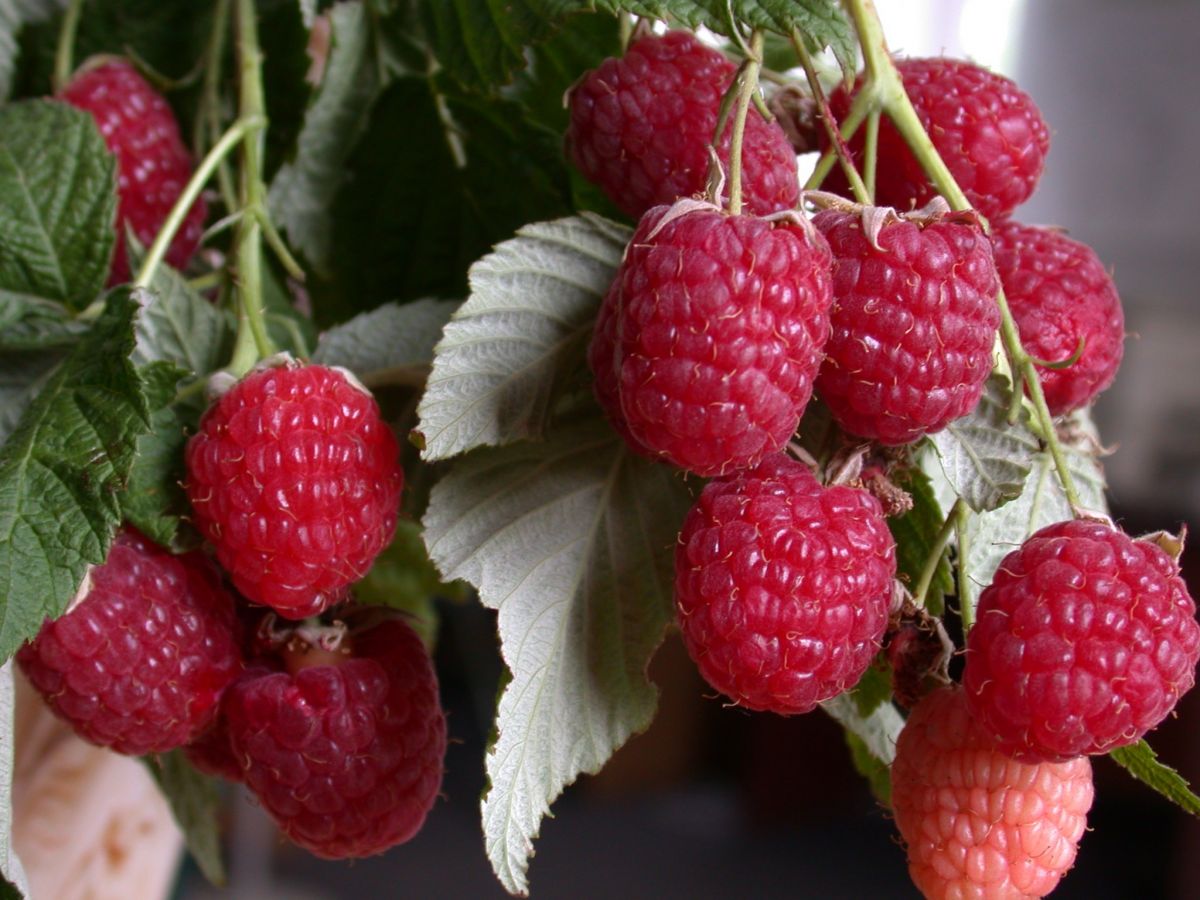
The bushes are mid-season and semi-spreading. The stems can reach a height of 2.5-2.7 m and have small thorns. The plant requires support. Moderate root suckers and replacement shoots are typical.
A distinctive feature of this variety is the changing color of its stems. Initially, they are light beige, but turn yellow by autumn. In addition, the plant is capable of forming suckers on the stumps of cut shoots. Because of this, Phenomenon is often confused with remontant varieties.
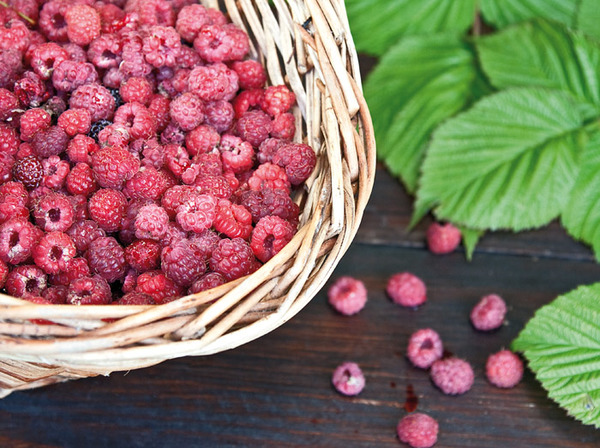
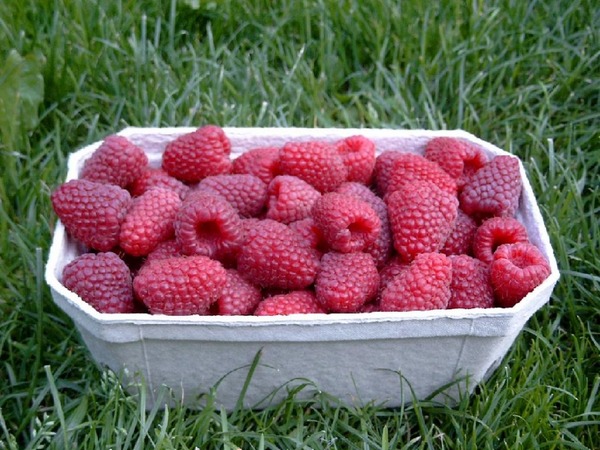
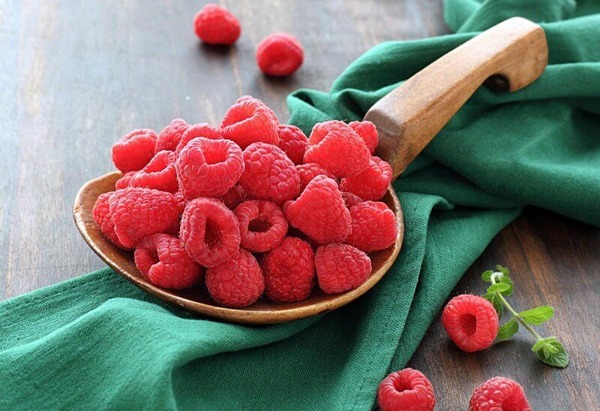
The stems produce large fruits weighing approximately 4-5 g, with the largest specimens reaching 9 g. The berries are matte, with large drupes. They are characterized by moderate cohesion. Despite their tender and juicy flesh, the berries transport well. They have a perfect conical shape and a sweet and tart flavor. The fruits have a distinct raspberry aroma and are bright red.
The fruits of Phenomenon contain:
- organic acids – 2%;
- sugars – 6.7%;
- dry matter – 11.2%.
This phenomenon ensures uniform ripening. The raspberries don't fall off. Furthermore, the sun has no noticeable effect on the ripened berries.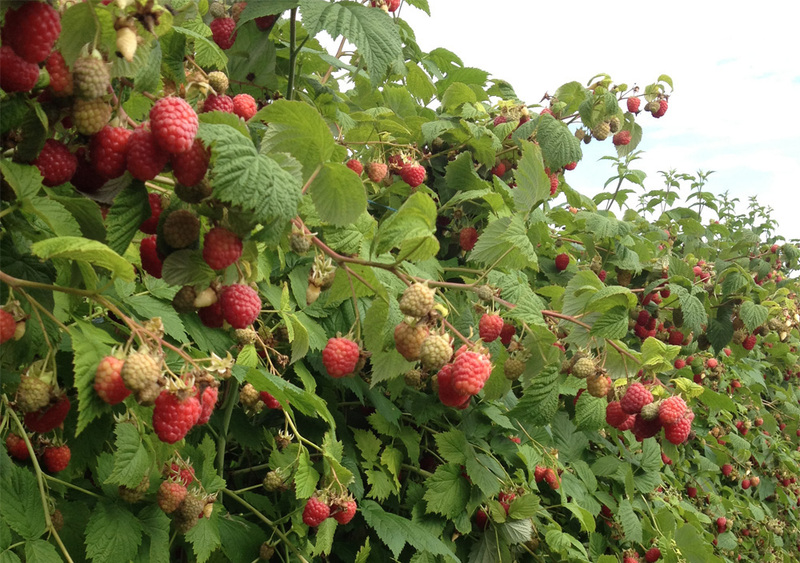
This variety of raspberry is characterized by the following properties:
- frost resistance;
- Drought resistance. The bushes tolerate hot summers well with irregular watering;
- Versatility. The fruits are suitable for processing, fresh consumption, freezing, etc.;
- good resistance to pathogenic microorganisms (viruses, fungi).
Thanks to this description, this variety is popular among gardeners in our country.
Video "Description"
This video will tell you about the characteristics of the Phenomenon raspberry variety.
Advantages and disadvantages
The Phenomenon raspberry variety has both advantages and disadvantages. It's important to know these to decide whether this variety is right for your garden.
The advantages of this variety include:
- Winter hardiness. Even without bending the shoots or covering, plants can withstand even the most severe frosts;
- Phenomenal viability. The bushes are easy to care for and don't require frequent watering. However, the shoots are subject to high crop loads;
- good taste and commercial characteristics of fruits;
- high yield.
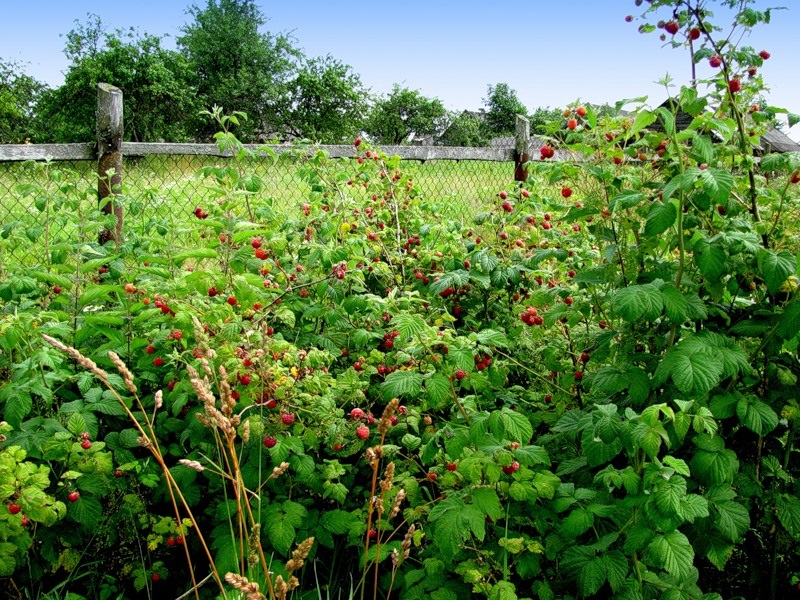
Experts consider the following parameters to be the disadvantages of Phenomenon:
- the dependence of the taste of berries on the saturation of the soil with mineral salts, the amount of precipitation and sun, humus, and also the load;
- taste qualities. This parameter is an acquired taste;
- the need to tie up the bush.
As we can see, this variety of raspberry cannot be called particularly phenomenal.
Growing
The yield of Phenomenon directly depends on how well the bushes are grown. After all, for the plants to produce a bountiful harvest, they must first be provided with optimal growing conditions. When growing this raspberry, follow these recommendations:
- there should be a free space of 1.2-1.5 m between plants;
- in industrial cultivation, due to dense plantings, it is necessary to increase the amount of fertilizer applied;
- Raspberry bushes definitely need support. Due to their heavy yield, the stems begin to bend toward the ground. A trellis 1.8-2.0 m high is optimal.
- To stimulate lateral branching, it is recommended to pinch the tops of the shoots. The tops are cut at a height of 1.1-1.2 m;
- Pruning shoots in summer will lead to a decrease in yield, since it is in the cut areas that berries are formed.
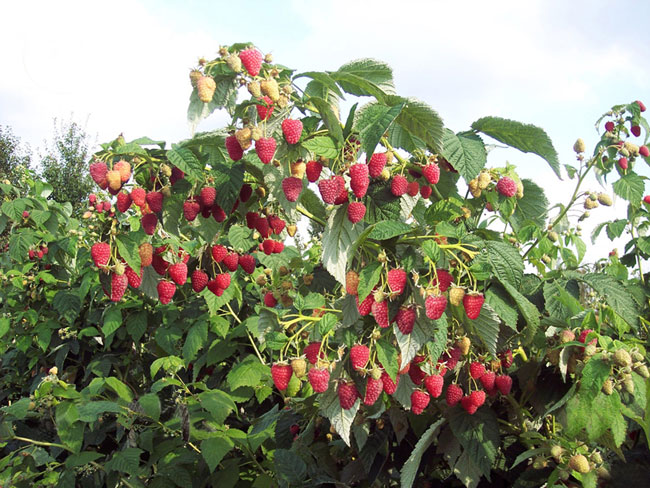
Weather conditions and climate zones influence fruit ripening. In warm climates, Phenomenon can exhibit remontant properties. In the fall, a harvest forms on the tips of young stems. However, repeat fruiting is not very abundant. Furthermore, the following year, berries will not form on the second-year shoots. The ovaries will simply dry out. Therefore, to prevent this, experts recommend picking off the flowers of repeat fruiting plants.
Care
Caring for this variety of raspberry requires the following steps:
- watering;
- application of fertilizers;
- pruning;
- shelter for the winter.


Phenomenon is a drought-resistant variety, so it doesn't require much watering.
Bushes need to be watered during flowering, fruit set, and ripening. The watering regime should be adjusted based on the climate and rainfall in the specific growing area.
Watering should be carried out according to the following scheme:
- At the end of April, before the flowers begin to set. This is necessary if there has been little rainfall;
- during the period of ovary formation;
- after the final harvest.
Pour 1-2 buckets of water under each bush. Apply only to holes or furrows. Irrigation is preferable. Avoid overwatering the bushes to avoid root rot. Watering can be stopped at the end of August, but only if there is no drought. If rainfall is insufficient, watering can be continued until the end of October.
Phenomenon is best fertilized with nitrogen fertilizers. The first application of fertilizer is done in the spring, after the ground has thawed. Fertilize as follows:
- The top layer of soil should be loosened. This should be done carefully so as not to disturb the roots;
- Next, a ring groove is formed around the bush. Its depth is 15–20 cm;
- Fertilizers are added to it. Urea and ammonium nitrate should be used. 10 g of each substance is used per square meter;
- Then the plants are watered. You need to pour out 1-2 buckets of water;
- After this, mulching is carried out over the entire diameter using straw and peat.
When the bushes begin to bloom, a second feeding is applied. The final feeding occurs after harvesting and pruning.
Weeds should be removed periodically. Regular pruning is essential. Otherwise, stems will begin to spread throughout the garden, which will lead to reduced yields.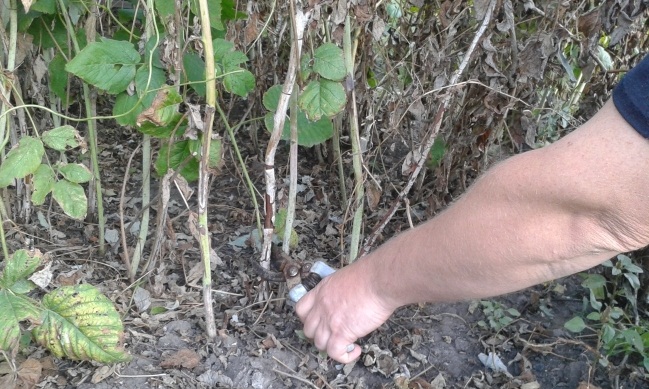
Timely and correct pruning of dry, weakened and broken branches will stimulate the bushes to form healthy shoots.
To increase raspberry yield, a double pruning method is used. This pruning is performed according to the following algorithm:
- in the summer, after harvesting, the tops of stems 1.2–1.5 m high are cut off;
- The following season, lateral shoots are shortened by 10–15 cm. This procedure is performed in the spring, when the buds have already formed.
Double pruning significantly increases branching. As a result, the raspberry bush grows larger and its fruiting period becomes longer. This allows for harvesting throughout the growing season. However, this method has one significant drawback: it causes the raspberry bush to become overcrowded.
At the end of the season, raspberries should be prepared for winter. However, with this variety, which is highly winter-hardy, they can be prepared without covering. Before winter, fruiting shoots should be cut back to the ground. The stumps can be covered with snow, leaves, or straw.
Productivity
Phenomenon yields approximately 6-8 kg per bush. This is a fairly high yield, achieved by following simple raspberry care guidelines. This yield can be obtained from 5-6 harvests.
Despite its name, the Phenomenon variety doesn't have many striking qualities. However, it's still a good variety to grow.
Video "How to Grow"
This video will show you how to grow the Phenomenon raspberry variety.