
Brusvyana raspberry variety: characteristics and care
Content
Peculiarities
Brusvyana was developed by Russian breeders. The plant is a tall, woody bush that can grow up to 2 meters. Some gardeners have reported this raspberry reaching 2.5-3 meters. A characteristic feature of the bush is the formation of numerous stems, which promotes extensive branching. At the same time, the shoots themselves develop a small number of thorns.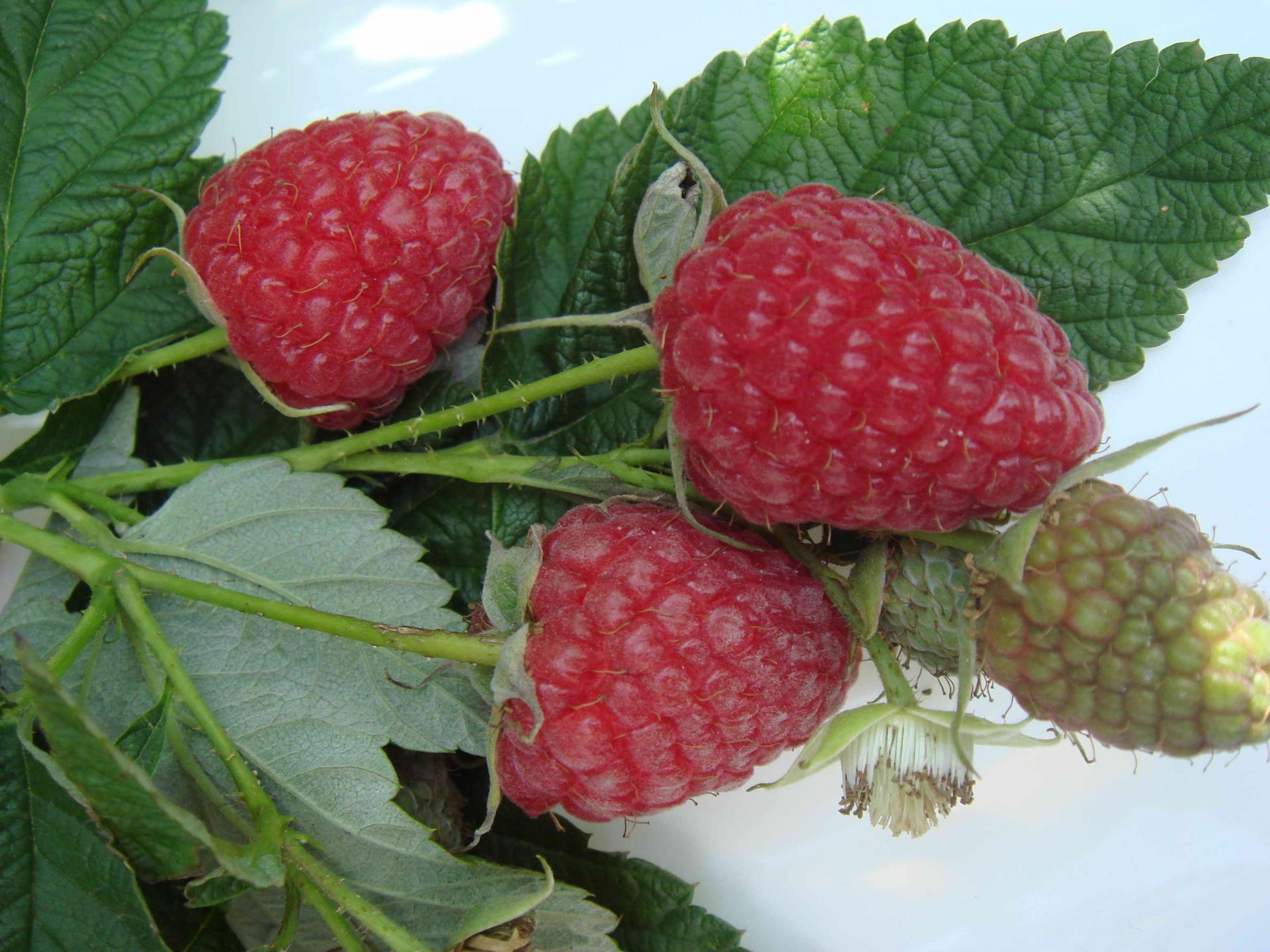
The bush consists of fairly thick stems that easily reach upright. Therefore, this variety requires no staking. It's worth noting that these shoots make it very easy to pick berries.
The fruits themselves are arranged very tightly on the stems, resulting in them covering a significant portion of the stems.
This is a remontant raspberry variety. Brusvyana begins producing its first harvest as early as June. A second wave of fruiting can be expected around mid-August. Ripe berries typically appear between the 10th and 15th.
This variety is characterized by a long fruiting period, lasting approximately 80-100 days. The raspberries can ripen right up until the first frosts of autumn. Therefore, with proper care, it is possible to harvest up to 2-3 waves of crops during one growing season.
Planted bushes begin to produce fruit in the second year. Berries begin to form on the second-year shoots. The second wave of fruit is formed on the young stems that grew during the current year.
A characteristic feature of Brusvyana is the formation of fairly large berries. A single raspberry weighs approximately 15 grams, but the average weight is often 6-9 grams. A single bush, if all cultivation practices are followed, can yield up to 8 kilograms.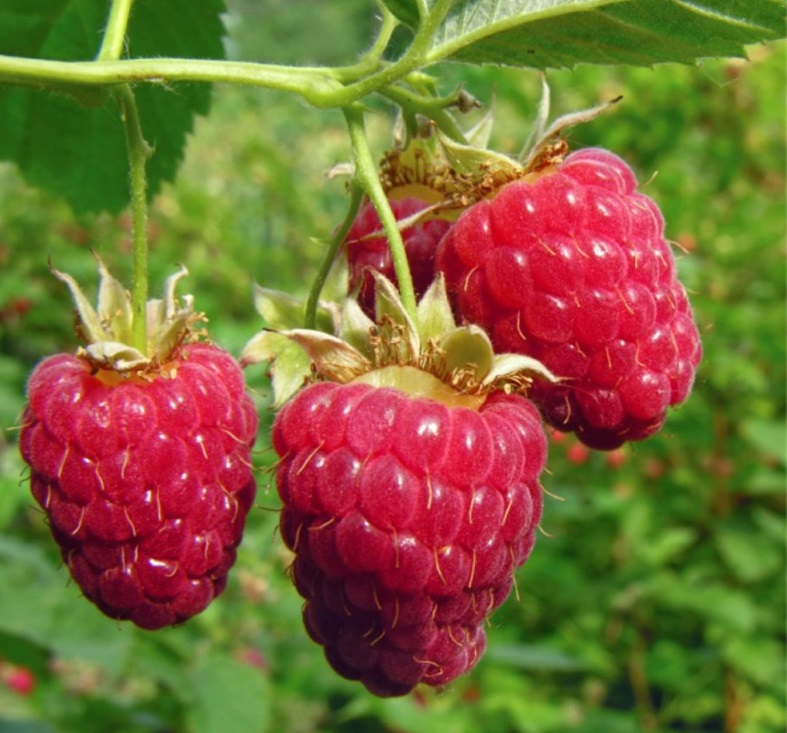
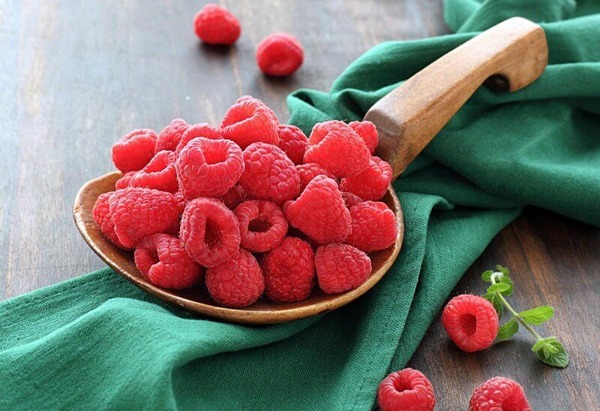
Gardeners prefer this variety over all others because of its beautiful fruits. These raspberries have a deep, full-bodied crimson hue. The berries have a sweet-and-sour flavor, making them ideal for compotes, jams, or fresh eating. They are often used in folk medicine due to their numerous beneficial properties. These berries possess these beneficial properties due to the following substances:
- pectin;
- vitamins A, B, C;
- fiber;
- potassium and iron salts;
- organic acids;
- salicylic acid.
This raspberry is characterized by its dense fruit, which helps it retain its structure well.
Video "Description"
From the video you will learn about the characteristics of raspberries.
Advantages and disadvantages
The most important aspects of choosing a berry crop for growing in the garden are the advantages and disadvantages of the varieties. The Brusvyana raspberry, like all other varieties of this crop, has both positive and negative aspects of cultivation.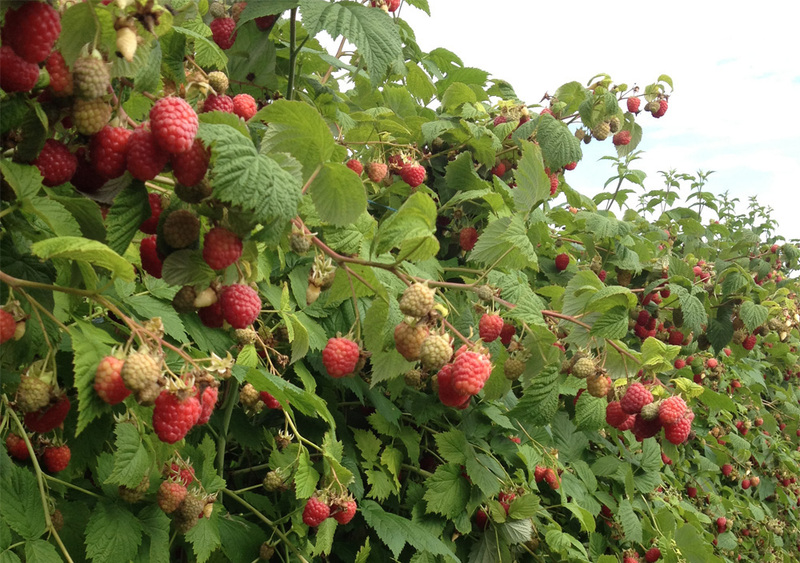
The undeniable advantages of Brusvyana include the following points:
- High fertility. Fruiting can occur 2-3 times a year;
- The bush produces large berries that have an attractive appearance;
- excellent taste of raspberries;
- the fruits contain many useful substances;
- excellent density of berries, which allows them to be transported over long distances;
- long-term consumption of raspberries;
- good resistance of bushes to parasites and pathogenic microflora;
- simple care of raspberry bushes.
Where there are advantages, there are always disadvantages, and this variety is no exception. Brusvyana has the following disadvantages:
- The bushes have a specific odor. For some people, it may be quite unpleasant;
- slight sourness of the berries.
Just two drawbacks clearly can't offset all the aforementioned advantages of this raspberry variety. That's why Brusvyana is so popular among gardeners.
Landing
Planting is a crucial step in growing any plant in the garden or vegetable patch. Proper planting directly impacts the health of the plants, their growth rate, and fruiting.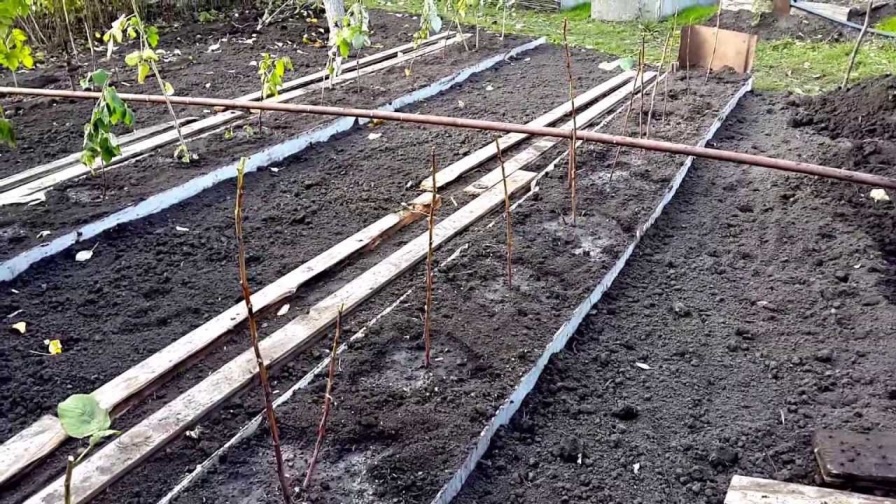
Raspberries of this variety require a properly selected location, which is determined by the following parameters:
- the area must be well lit;
- plants should not be exposed to drafts;
- The chosen location should not allow water to accumulate. Excess moisture will create the conditions necessary for root rot. For this reason, avoid areas where groundwater is close to the surface. It should be no closer than 1 meter from the ground surface.
It's best to plant Brusvyana in a south-facing garden. This way, the bushes will receive ample sunlight and produce an excellent harvest.
This variety thrives in light, non-acidic soils. If the soil is too acidic, add limestone powder.
This variety can be planted at different times:
- in April. You need to choose a moment when the buds have not yet begun to swell;
- in October. At this time, plants are already beginning to go into a well-deserved winter rest.
If seedlings were purchased from a specialized nursery and are in containers, they can be planted almost throughout the entire season. Nurseries typically sell only high-quality planting material, free from damage and disease. Therefore, this method of purchasing seedlings is the preferred option.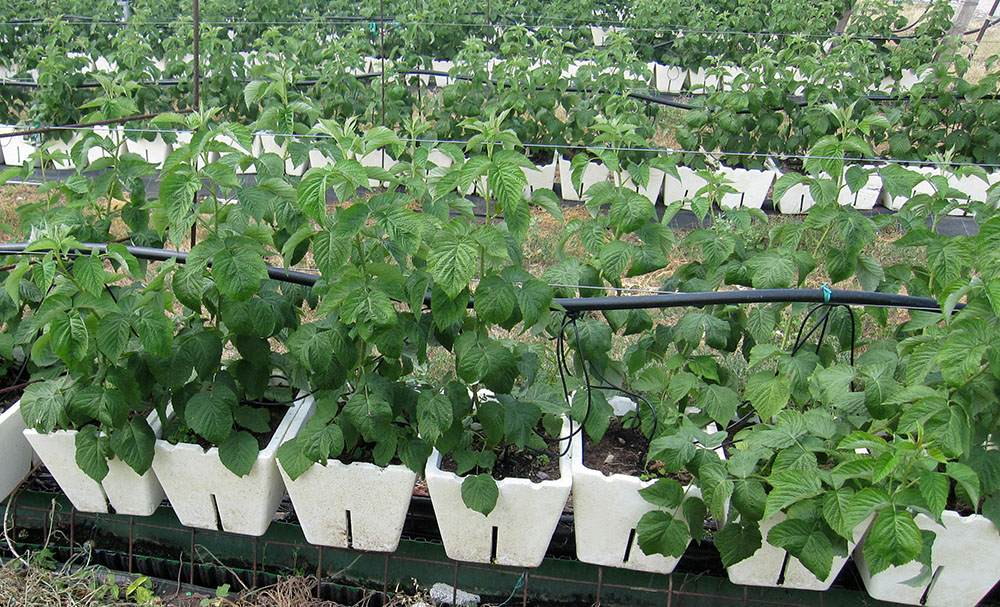
When selecting seedlings, carefully examine their root system. It should be well-hydrated and developed. If the roots are dry, the plant is dry.
Once the seedlings have been selected, it's time to plant. This procedure is carried out as follows:
- First, the soil must be dug thoroughly. Digging depth is 40-50 cm. This is best done in the fall or a month before planting the bushes;
- all vegetation must be removed from the site;
- When planting, the distance between small seedlings should be approximately 1 meter, and between rows – at least 1.5 – 2 meters
- A hole 0.5 meters deep and in diameter is dug for the bush. A trench with the same dimensions can also be dug;
- Place a layer of fertile soil mixed with compost at the bottom of the holes or trenches. You need to mix in approximately 10-12 kg of compost. It can be replaced with rotted manure. Add 15 g of superphosphate and 30 g of potassium sulfate.
- For planting, it is best to use seedlings at least 20 cm long. The bushes are placed in a prepared hole so that the root collar is level with the ground;
- After this we fill the hole with soil.
It's worth noting that if the root system is exposed, the shoots should be cut back to the roots after planting. This rule doesn't apply to container-grown plants.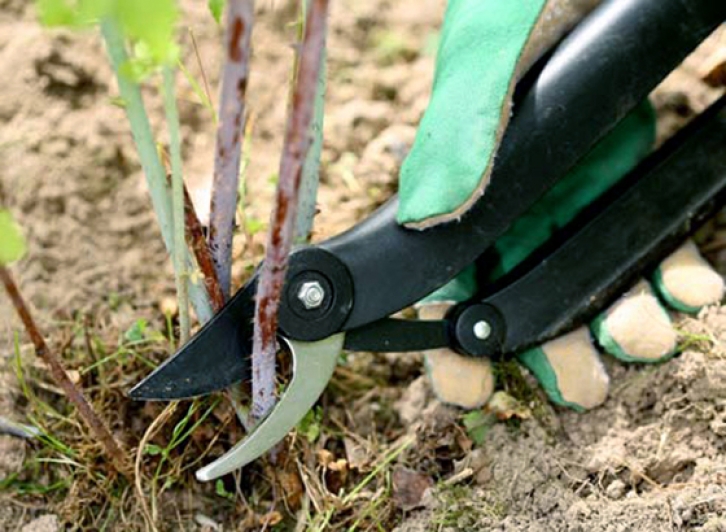
Once all the seedlings have been successfully planted, they need to be watered. Each bush should receive 5 liters of water. If planting in the fall, the area around the trunk should be mulched with a 5 cm layer of rotted leaves. Sawdust can be used instead of leaves, but only from deciduous trees. Spring planting allows you to enjoy the first harvest at the end of the season.
Care
The most important aspect of Brusvyana care is watering. Plants should be watered regularly. The soil beneath the bushes should always be slightly moist. As the plantings grow, the amount of water per plant should increase from 5 to 8 liters. Watering is especially important during flowering and fruit formation.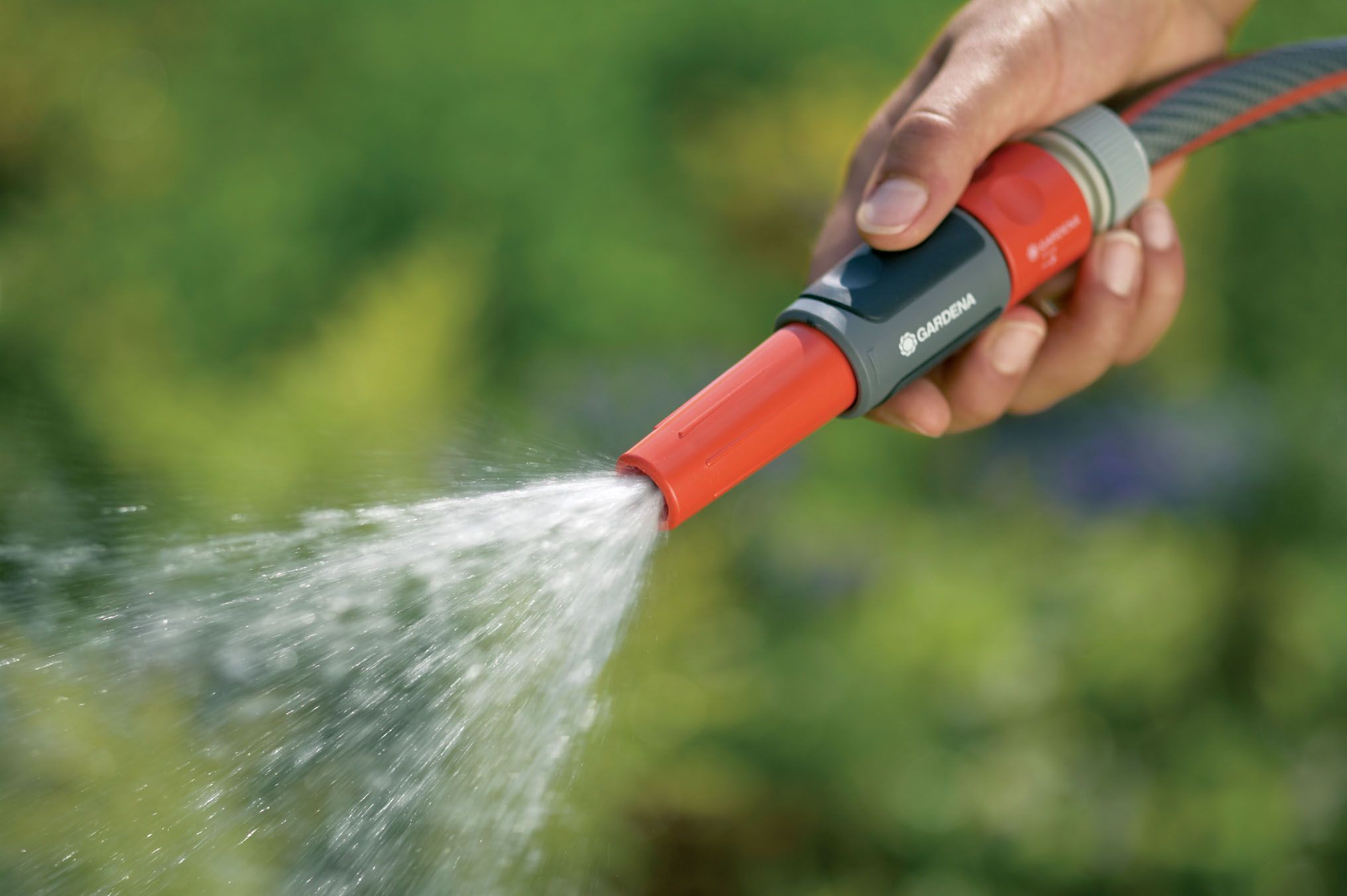
In dry weather, water the bushes twice a week. Mulching the area around the trunk is essential. After the last harvest, a moisture-recharging irrigation is performed before the onset of frost. This process involves pouring double the amount of water under each plant. This will better protect the raspberries from winter frosts.
Weeds should be removed periodically. Weeding can be combined with loosening the soil. Loosening the soil is essential after each watering. This procedure should also be performed after heavy rainfall. This will prevent crusting on the soil surface.
In addition to the measures described above, pruning the bushes is essential. At the end of the season, all stems should be cut back to the roots. This approach will reduce the risk of parasites and harmful microorganisms appearing next year. If this is not done, then sanitary pruning is necessary. This involves removing shoots that were damaged during the winter.
Fertilizers added to the holes before planting will be used by the plants for two years. Therefore, no additional fertilizing is required during this time. After this period, organic fertilizers (such as a solution of mullein or chicken manure) should be added to the soil during the growing season. Apply 3-5 liters of fertilizer per square meter of planting. Three such applications are made during the growing season.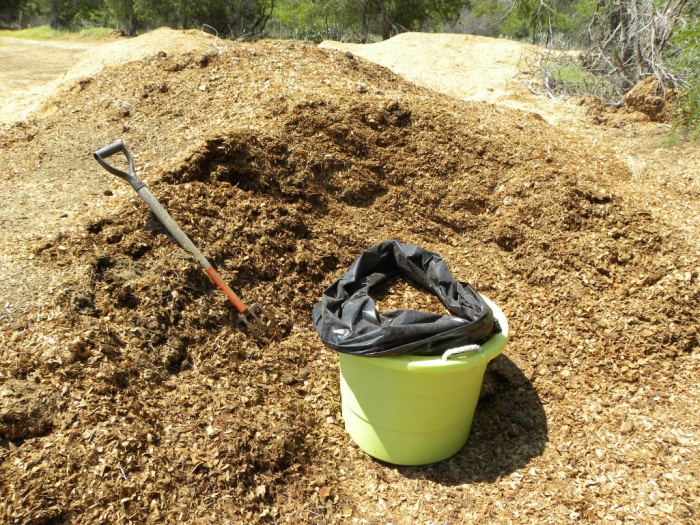
Use mineral fertilizers with caution, as the Brusvyana raspberry variety is quite sensitive to chlorine. It does not tolerate this substance.
Before winter sets in, bushes need to be covered, even despite their relative winter hardiness. Once all shoots have been removed, all that remains is to cover the roots with a layer of peat or straw. Fallen leaves are also suitable for this purpose, but they should be collected only from healthy trees.
Harvesting
As described above, this variety is harvested several times during the same season. The first berries can be picked in mid-June. The second harvest will begin in mid-August. Depending on how well all the instructions are followed, one bush can yield between 3 and 8 kg of fruit. However, the average yield is around 6 kg.
Raspberries should be picked in the morning on a dry day, after the dew has melted. Avoid picking berries in rainy weather, as they will spoil quickly.
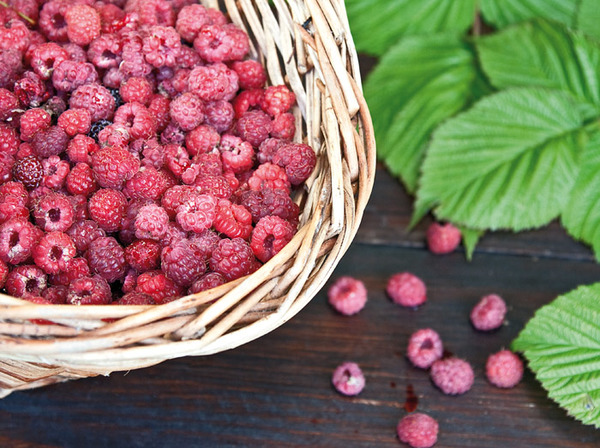
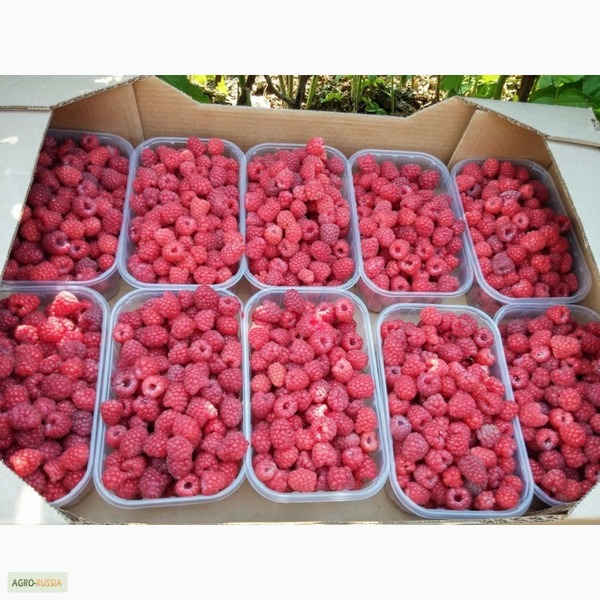
When harvesting raspberries, it's important to inspect each berry. Damaged or diseased berries should be discarded. Otherwise, pathogens can spread to healthy fruit.
Even if the berries are firm, don't move them around too much. This can cause them to become bruised, which will reduce their shelf life.
Diseases and pests
Brusvyana raspberry is a remontant variety. Therefore, it has good resistance to various insect pests and diseases. However, if care is improper or the bushes are exposed to unfavorable growing conditions, the plants may suffer from diseases such as gray mold and anthracnose.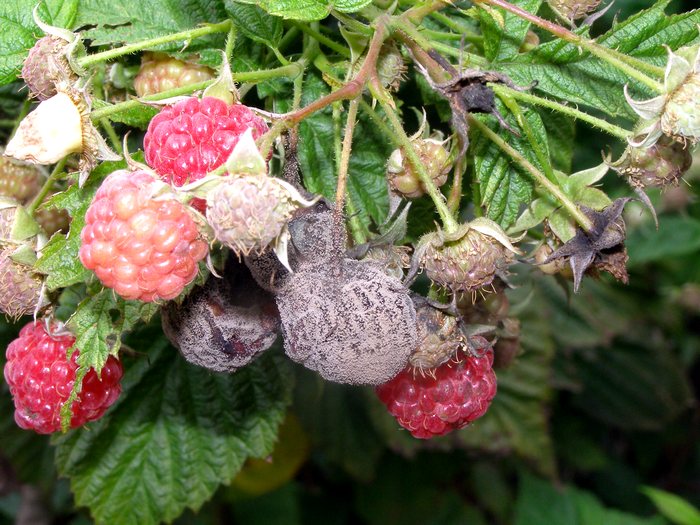
To protect your plants from infections and parasites, follow these recommendations:
- choose the right landing site;
- maintain the proportions of applied fertilizers;
- Follow crop rotation rules. Do not plant bushes after nightshades and strawberries;
- Plants affected by pests or infections must be removed from the area and burned.
As we can see, Brusvyana is an excellent raspberry variety, easy to grow even for inexperienced gardeners. Planting and caring for the bushes are straightforward, yet it offers many positive aspects. For this reason, many gardeners and horticulturists prefer to plant this variety in their plots.
Pest Control Video
This video will show you how to control raspberry pests.