
Raspberry "Indian Summer": growing and care
Content
Description
It's worth mentioning right away that the Babye Leto 2 raspberry is an unimproved form of the variety, but a completely different type of plant.
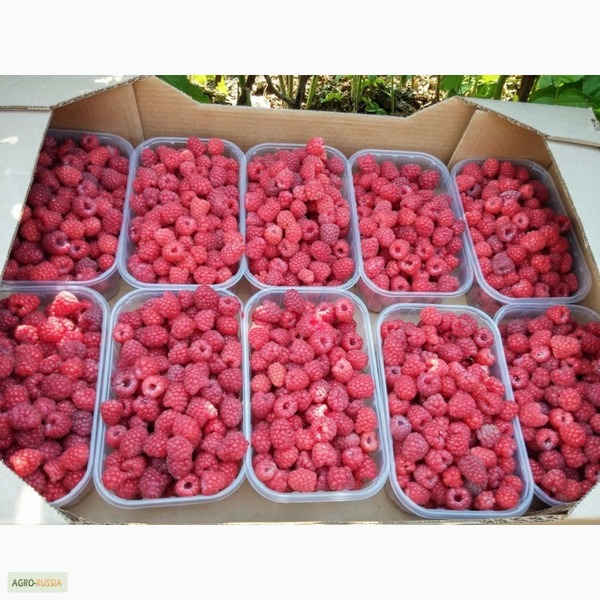
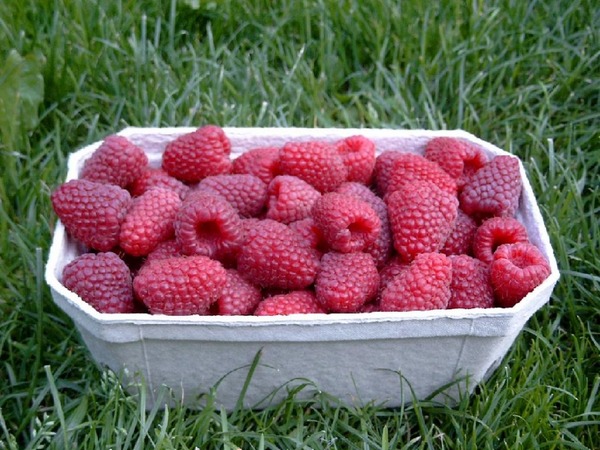
The Babye Leto variety produces medium-sized fruits that are round or cone-shaped. Each berry weighs up to 3.5 grams. The fruits are dark pink in color and have an excellent flavor. However, these berries have virtually no aroma. The pulp is sweet and tart, tender. The fruits are small, uniform drupes.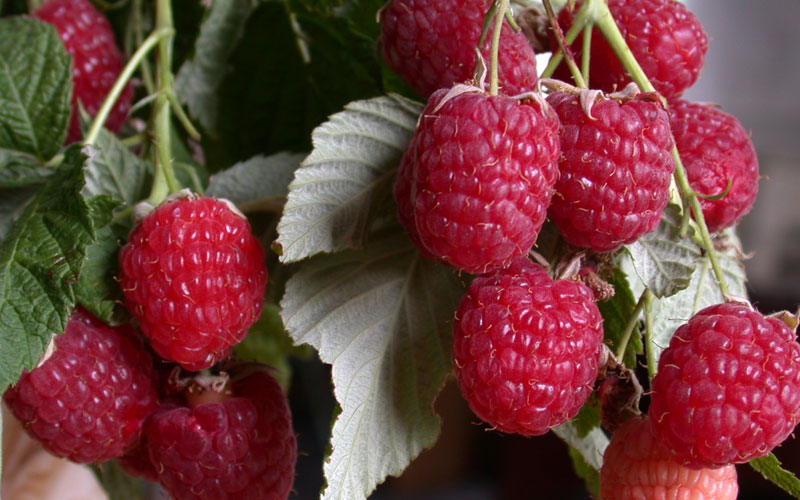
The description of the "Babie Leto" raspberry variety indicates that the bush is medium-sized, well-branched, and spreading. Its height can reach 2 meters. The shoots and stems are erect, with the main fruiting area being the central, middle part. In warm springs, the first harvest can be collected as early as early summer: from June 10-15 to July 5-10. After this, there is a short break. In the fall, harvesting can begin from September 1 until the first frost. During this period, up to a kilogram of berries can be harvested per bush. When growing raspberries as an annual, a much larger harvest can be obtained in the fall and harvested earlier.
Video "Description"
This video will tell you about the characteristics of the raspberry variety "Indian Summer".
Advantages and disadvantages
The main advantage of the Babye Leto variety is that it's a remontant raspberry. This means that these plants can produce fruit on both two-year-old and one-year-old stems.
This variety's bushes are not very productive: up to a kilogram of berries per bush. However, with proper care and favorable weather conditions, this figure can increase to 3 kilograms.
The variety's characteristics and gardener reviews indicate that the raspberries retain their sweet flavor even in rainy summers. The berries don't turn sour, and numerous berries form on the bush. Transporting them is challenging, as there's a high risk of them turning to mush during shipping. Therefore, the harvest should either be consumed immediately or processed into jam or compote.
This variety is resistant to diseases such as leaf curl and gray mold, but can be susceptible to powdery mildew and purple spot. Spider mites also "favor" this plant.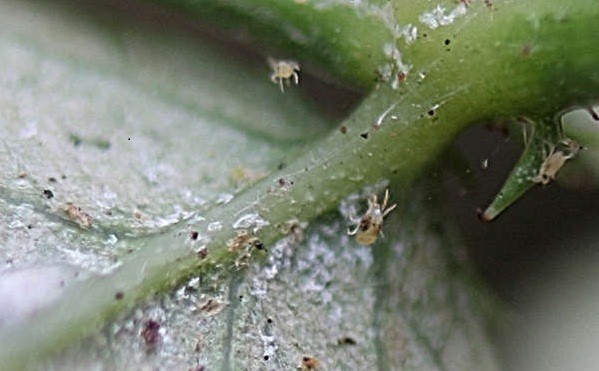
The Babye Leto raspberry is resistant to low temperatures. Even if the bushes are covered in snow, they thrive even at -25° to -30°. However, even in ideal growing conditions, the bush is slow to form new stems.
Landing
Before planting raspberries, it's important to know their preferences. They thrive in sunny areas that are well protected from harsh winds. They thrive best on the south side of the plot, along the wall of a building, which will provide protection from the wind.
Avoid planting raspberries in areas previously occupied by nightshade crops. It's also prohibited to plant raspberries in areas previously occupied by nightshade crops. This can cause the soil to become depleted, and the raspberry roots will release specific substances into the soil that can inhibit the growth of other berries. Therefore, raspberries should only be replanted after 5 to 7 years.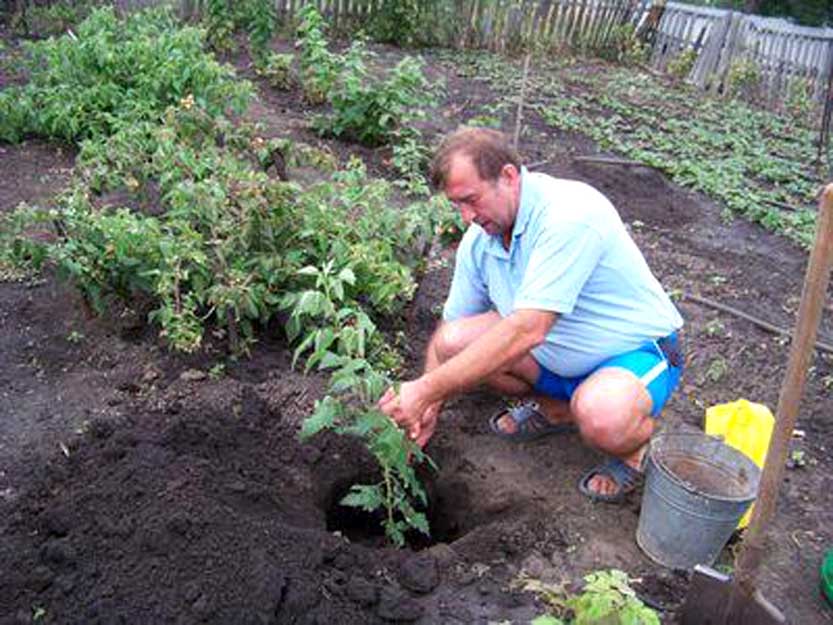
You can plant berries in spring, fall, or even summer. However, the best time to do so is in the second half of September or early October.
Care
Caring for this variety of plant is simple. The key is timely, systematic watering. If you can't be near the plot every day, be sure to install a drip irrigation system.
Loosening the soil is also important, as raspberry roots require oxygen. When doing this, be especially careful and cautious to avoid damaging the raspberry roots. It is essential to remove nearby weeds, which can be breeding grounds for diseases or a habitat for parasites.
Diseases and pests
Our raspberry variety "Babie Leto 2", like the berry "Babie Leto", is affected by purple spot, powdery mildew and leaf mosaic.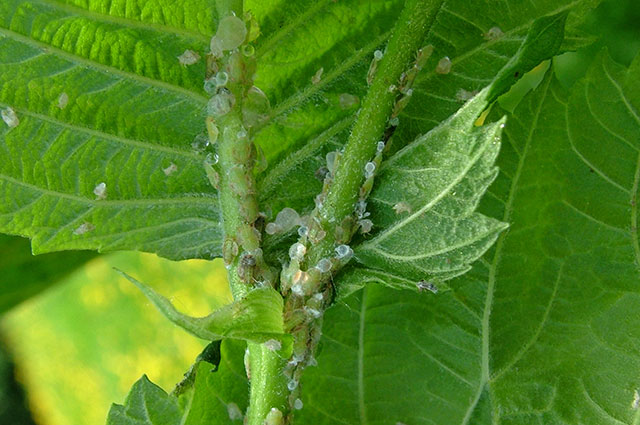
In addition, the crop can be attacked by spider mites, raspberry aphids or raspberry beetles.
Harvesting and storage
Every gardener dreams of harvesting two crops in one season. A double harvest is most often achieved by growing everbearing berries on one- and two-year-old stems. Under these conditions, berries appear as early as early June. The first wave of fruiting usually ends in early July. After this, the plant rests and begins bearing fruit again in September. When growing berries only on one-year-old canes, a bountiful harvest can be reaped in August.
It's best to harvest the berries on a dry, sunny day. Raspberries are easily bruised during transportation, so it's best to cut them off with the stems attached. If you don't plan to preserve the berries for the winter, eat them fresh immediately or make jam from them.
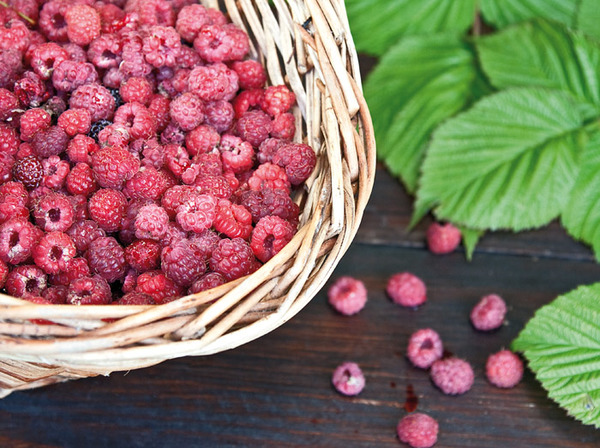
Raspberry tea is incredibly healthy. It can be made from dried berries. Stored in a cool place in a glass jar, raspberries can be kept for several years.
You can store the berries pureed with sugar. You can also place the berries in a sealed bag and refrigerate them.
So, the Babye Leto raspberry produces excellent fruit, and can be harvested twice a year. However, this variety is very difficult to transport.
Video "Landing"
From the video you will learn how to plant raspberries.