
Secrets of Growing Lyachka Raspberries: Tips for Beginners
Content
Description of the variety
This variety is also known by the names Lyashka, Lyachka, and others. In Polish, it is correctly called and spelled Laszka. It is relatively new, as it was only registered by the Institute of Horticulture and Floriculture in 2006.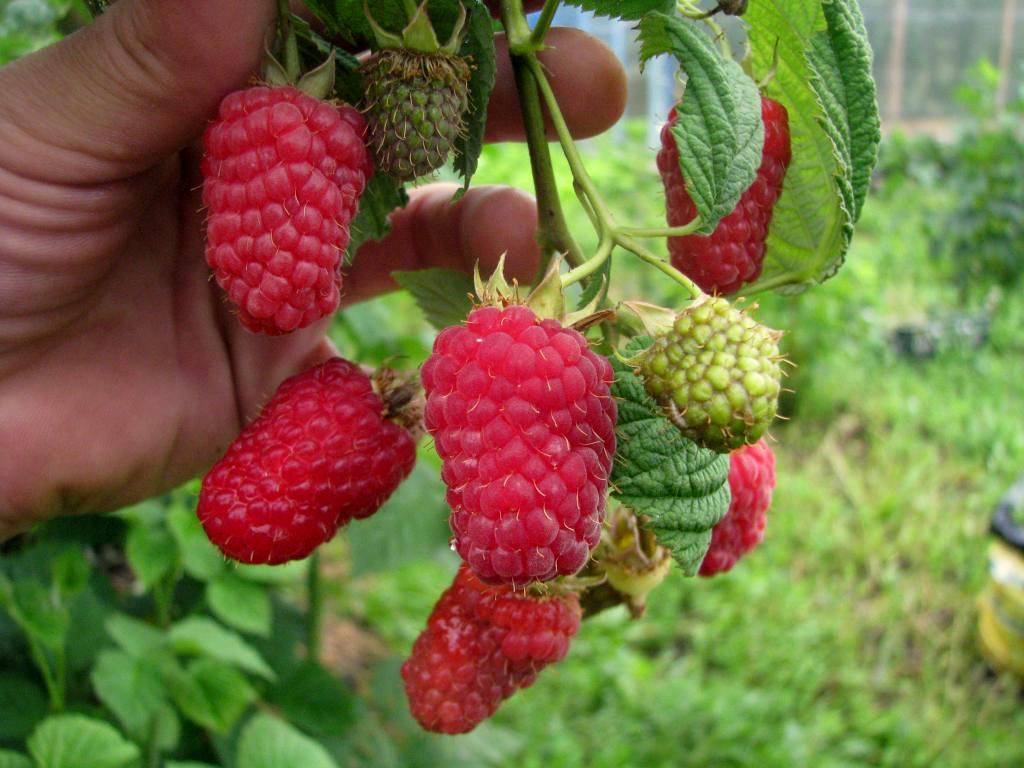
This variety has good winter and drought resistance. In testing, it received a high score of 9 points. However, if temperatures are too low during winter, bud freezing cannot be ruled out. The plant's stems do not stop growing, and the delicious and beautiful berries are generally resistant to rot. Plants should be protected from fungal infections during cultivation. Raspberry bushes grow strong and tall, reaching 2 meters. The stems are strong and rigid, arched at the very top. The branches that bear the fruit are on two-year-old shoots. Raspberries ripen early and provide a long-lasting harvest of delicious berries. Yields can reach up to 20 tons per hectare. The fruit easily withstands long-distance transportation.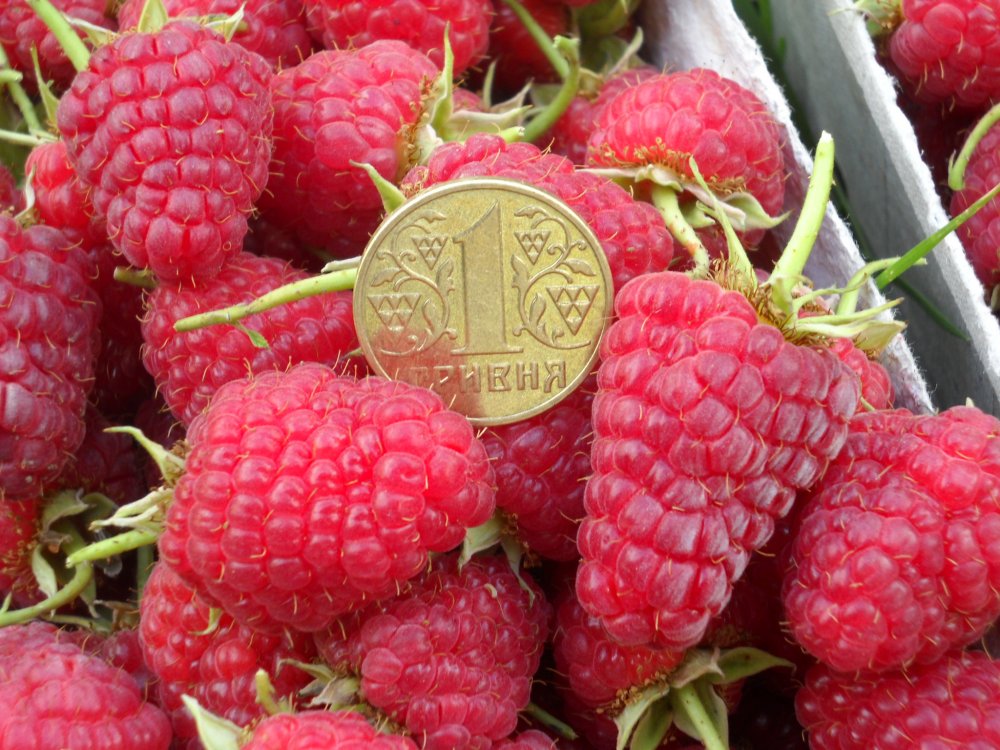
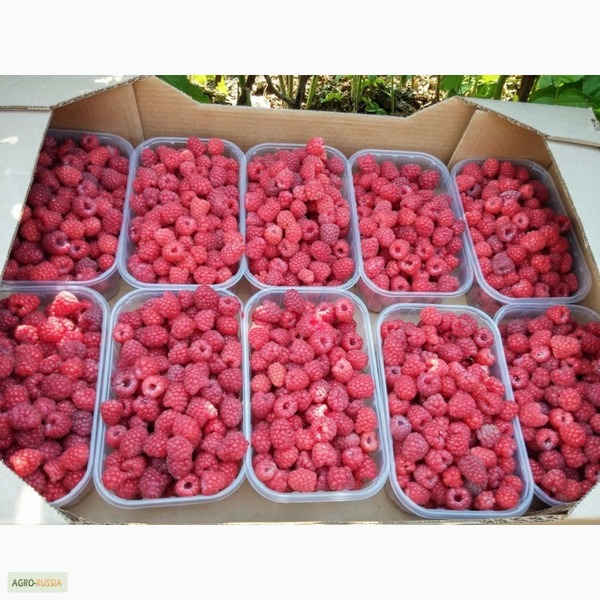
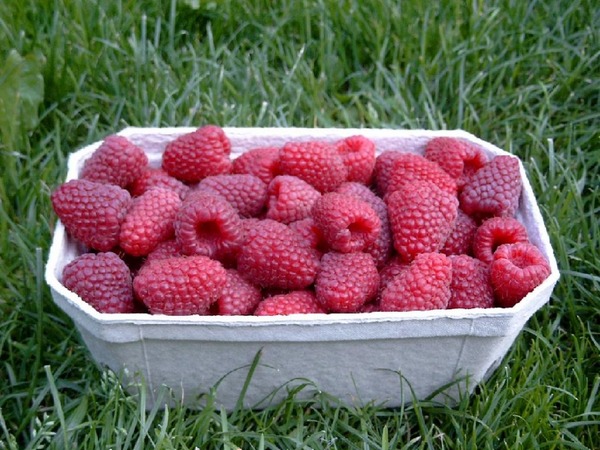
The fruits are characteristically red. They are large, with a slightly pubescent surface. The average berry weight is 6 grams, and the length is about 4 cm. The shape of the fruit can be described as rectangular.
Video "Characteristics of the Lyachka variety"
From the video you will learn about the features of this raspberry variety.
Growing
Growing this variety of raspberry is not much different from growing regular summer raspberries. The recommended planting pattern is as follows: plant in two rows, leaving 0.5 meters between bushes. If you choose double-row planting, leave at least 1.5 meters between rows. It is recommended to choose sandy soil with optimal pH – around 5.8 – 6.2 pH. The best time for planting is early fall.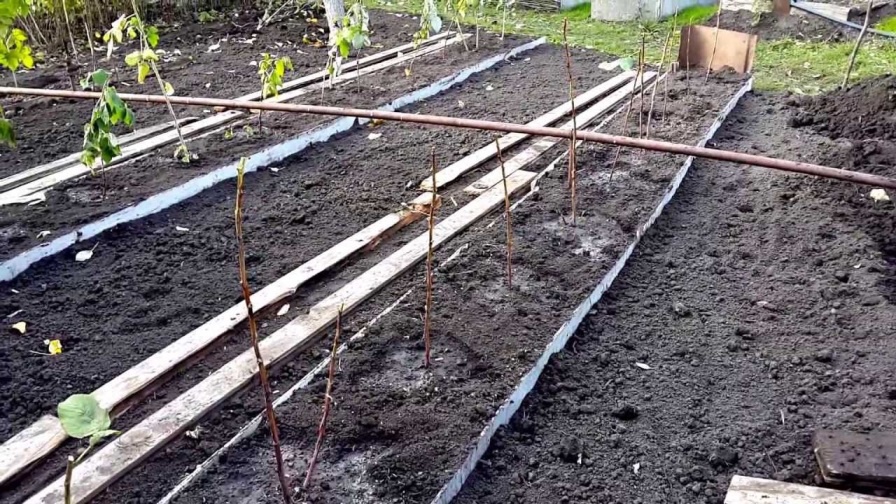
Ideally, the site should be open and sunny. For support, install trellises every 4 meters, with wires attached at least 100 cm above the ground. To ensure a bountiful harvest, remove any undergrowth around the main plant promptly. Remove it with a shovel, burying it to a depth of no more than 8 cm. This will make your plants less susceptible to disease and insect attacks, protect them from the wind, and provide them with ample light.
Care
Raspberries respond well to moisture, mulching, and the addition of organic fertilizers. To support vigorous shoots, you can build your own trellis. One option is a 10-meter-long structure with four 50mm diameter stakes and taut plastic wire. Copper wire is best avoided to avoid damaging the shoots. Mulching is recommended to retain moisture. Experience shows that the layer thickness should be at least 15 cm. A light layer of compost and peat moss is recommended on top. This will not only retain moisture and provide adequate nutrition but also provide reliable weed control.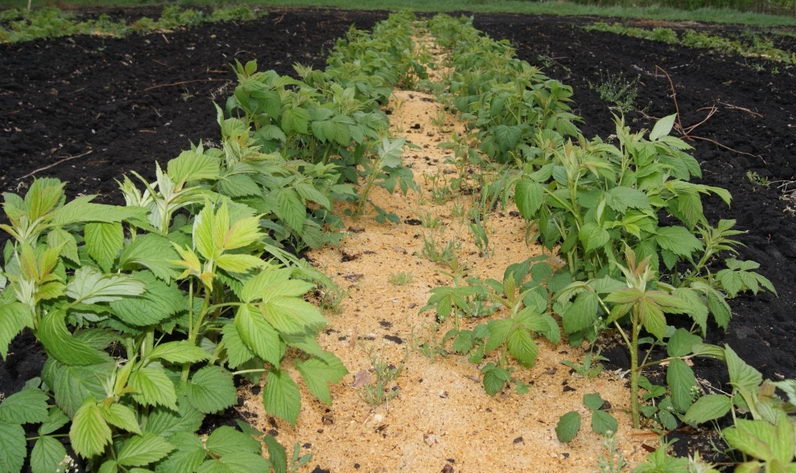
In the first year, with the arrival of spring, nitrogen fertilizers should be applied to ensure the crops develop high-quality green mass. If the soil is poor, it should also be fertilized with mineral fertilizers. Complex fertilizers are helpful, but nitrogen still plays a key role in the first year.
When the shoots reach 1 meter, pinch them back in the spring to 15 cm below the first bud. For wintering, raspberries must be bent down and covered. Water the raspberry patch only as needed, most often during dry periods.
If you see many shoots in the second year after planting, it's best to reduce their number, leaving no more than seven per linear meter. Pinching the tops is recommended in mid-May. This is an excellent way to stimulate the growth of lateral branches from axillary buds. Regular pruning is done in the spring, before the sap begins to flow. This is a sanitary pruning, allowing you to remove dry, frozen parts of the bush and rejuvenate it.
Harvesting
This berry variety produces fruit only once during the summer. Ripening begins in mid-June and continues until the end of July. Each plant can yield up to 3 kg of select, delicious fruit per season. The stems are densely covered with small, prickly spines. This should be taken into account when harvesting, and hands should be protected beforehand. Having harvested a large number of berries with a pleasant dessert flavor and subtle aroma within the specified timeframe, you can enjoy them fresh or use them for processing.
Video: Growing and Caring for Raspberries
This video will show you how to effectively grow and care for raspberries.