
Raspberry "Krepysh": description of the variety and features of agricultural technology
Content
Description of the variety
The Krepysh raspberry variety is a standard (tree-like) variety—it's a robust, stocky bush with a sturdy trunk, resembling a tree. Growing up to two meters tall, it's a pleasure to pick the berries, which are large and juicy.
The feature that makes this variety so popular with gardeners is its dense wood and non-drooping top, which allows raspberries to be grown without supports, trellises, or garters.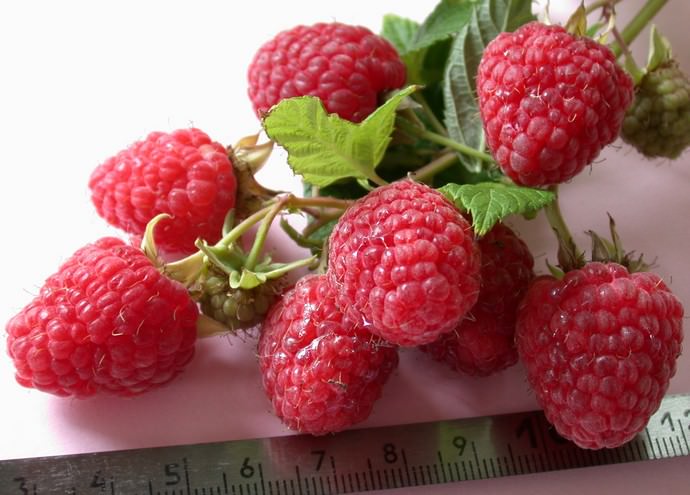
Among the reviews from gardeners about the raspberry variety in question, there are mostly positive ones.
Main characteristics of the Krepysh raspberry variety:
- Fruit ripening period: end of June – July.
- A tree-like bush, often up to 2 meters high.
- The branches of the plant are strong, upright, and thornless.
- Fruiting occurs on two-year-old shoots.
- The yield of this variety is high, reaching 4-5 kg from each bush, subject to proper care.
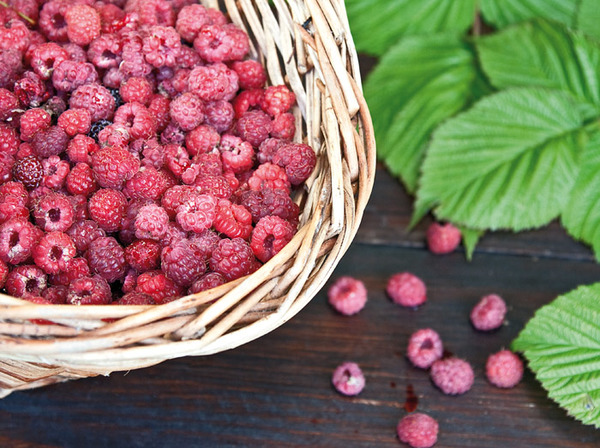
- The fruits are burgundy-red, conical in shape, the berries are dense, weighing up to 9 g.
- Once fully ripe, the fruits do not fall off the bush.
- Cold resistance - bears fruit until the first frost.
- The berries retain their marketable appearance for a long time.
Video "Description of Raspberries"
From the video you will learn a lot of interesting things about this raspberry variety.
Landing features
To plant raspberry trees, you need to select areas with a flat surface, with good access to sunlight, protected from northern winds.
Standard raspberries are planted in the fall - from the end of September to the end of October, and in the spring - from the end of March to the beginning of May.
Planting bushes of this variety of raspberry is carried out according to the following method:
- Prepare the soil by digging the area a month before planting. Digging and loosening the soil should be done to a depth of at least 20 cm.
- Planting holes need to be wide, at least 0.6 m, since the root system of this crop is very powerful, and will only grow and strengthen in the future.
- Fill each hole prepared for planting with humus (one bucket), adding 150 g of nitroammophoska and 200 grams of wood ash.
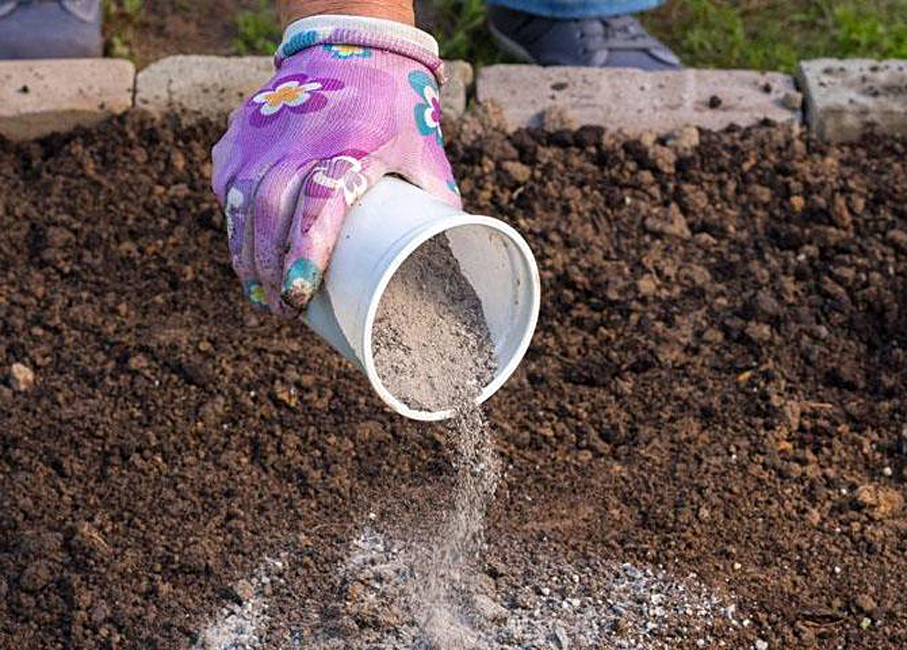
- Raspberry seedlings are placed in one row, leaving a distance of at least 0.5 m between bushes.
- Sprinkle the roots with dry soil so that the root collar is no more than 2–3 centimeters deep.
- After planting, the shoots are pruned, leaving them at a height of 25–30 cm from the ground.
- The soil under the bush is mulched with organic matter (straw, sawdust, hay, fallen leaves).
- At the end of planting, the plants should be watered; each bush requires 5–6 liters of water.
Care instructions
In the fall, after the leaves fall, raspberries of this variety resemble small trees with drooping shoots. These shoots will be where the future harvest will ripen. Pinching the tops, or pinching, is necessary to stimulate the growth of side shoots. Failure to do so will significantly reduce the yield.
The upright, stable, and stocky shoots live up to their variety's name. Their base is woody, their tops don't bend, and the branches don't bend under the wind or the weight of the berries. These bushes don't require support; at most, a fence is needed if planted as a bush. However, raspberries don't require trellises, a traditional support structure.
Many gardeners believe this raspberry variety grows as a single-trunk tree, producing no shoots, and therefore requires no care. In reality, however, standard raspberries are shrubs, like all raspberry varieties. Due to their very thick shoots, these raspberries fully justify their name, "tree-like."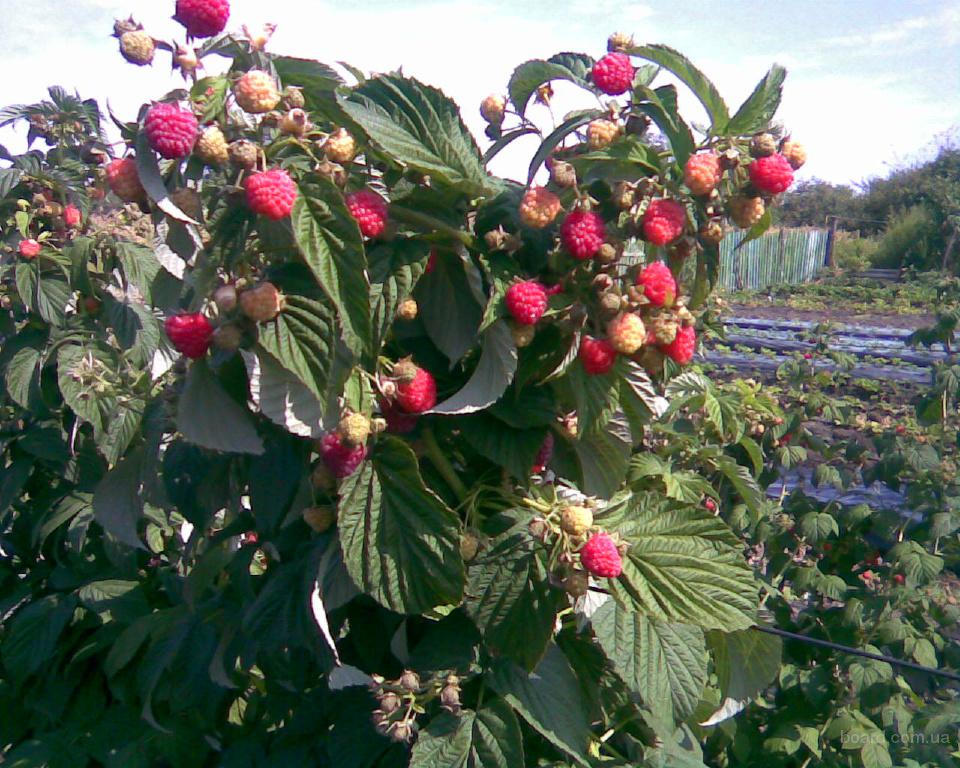
The raspberry variety we're considering will yield a good harvest only with proper agricultural practices. Tree raspberries require irrigation, especially during the fruiting period, so they should be irrigated throughout the active growing season, at seven-day intervals. Watering should be done at 5 liters per fruiting bush. To ensure a plentiful and high-quality harvest, weeds and new shoots that form on the roots should be carefully removed throughout the growing season.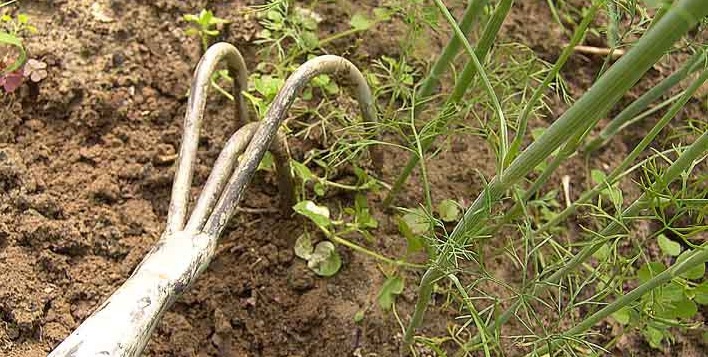
In the spring, to protect against diseases and viruses, bushes are treated with a 1-3% solution of Bordeaux mixture; Topaz, diluted in water 1:1, is also suitable for these purposes.
To protect young shoots from gall midges, during their mass flight in late May, apply Actellic or Bi-58 at a rate of 10-15 ml per bucket of water. Repeat the treatment at the end of July.
In early spring, planted raspberry trees are fertilized with a urea solution or an infusion of bird droppings or mullein, supplemented with wood ash. After this fertilization, they need to be watered thoroughly, the surface of the soil should be loosened, and mulched. Excellent results are achieved by applying a nitroammophoska solution before the shoots bloom and by foliar feeding during the bud formation stage.
After the final harvest, remove weak, broken, and spent shoots. Five to six of the strongest and most vigorous shoots should be left behind to overwinter.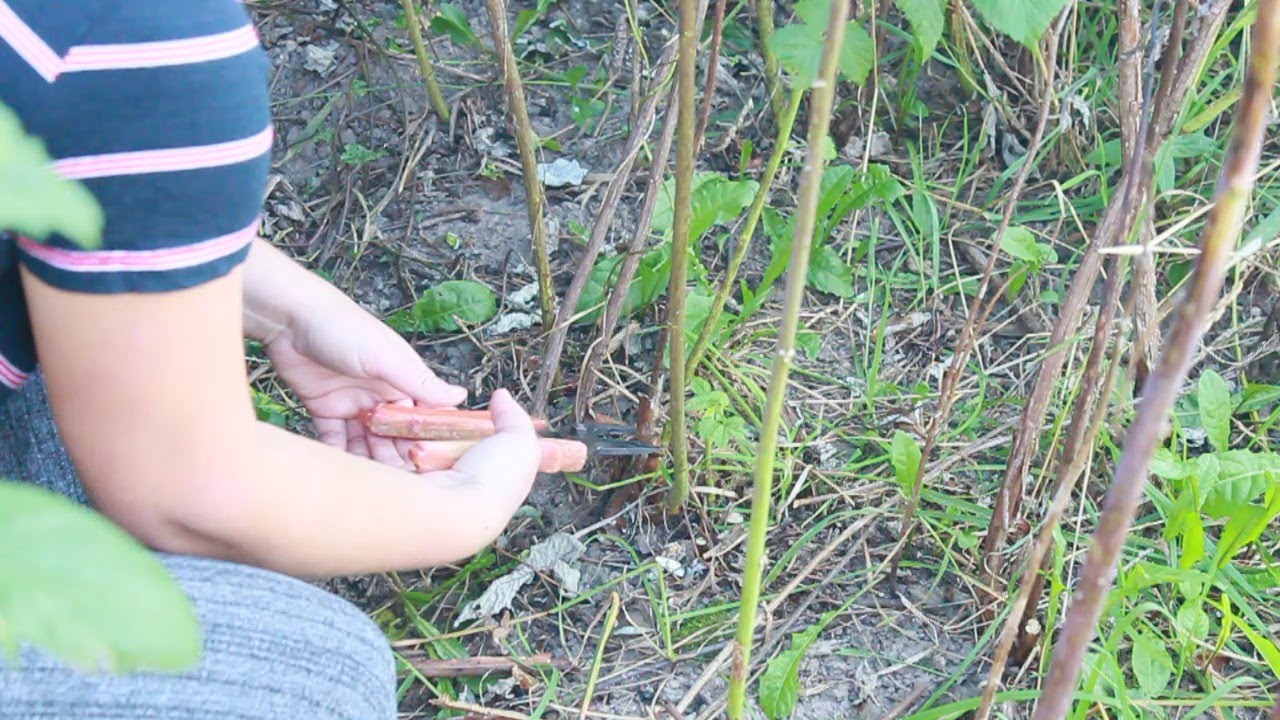
For the winter, the bush is covered if the area has very cold and snowless winters.
Standard raspberries require ample space for good growth and abundant fruiting, so they are planted at fairly wide intervals. To prevent berry damage during the first frosts in late autumn, the berries need to be heavily planted by late summer. To achieve this, the plant requires proper care from early spring, including early top pinching.
Advantages and disadvantages
The advantages of this variety include:
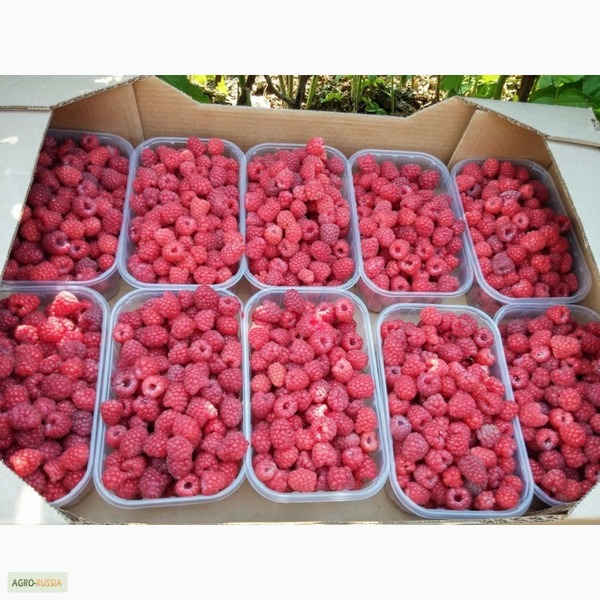
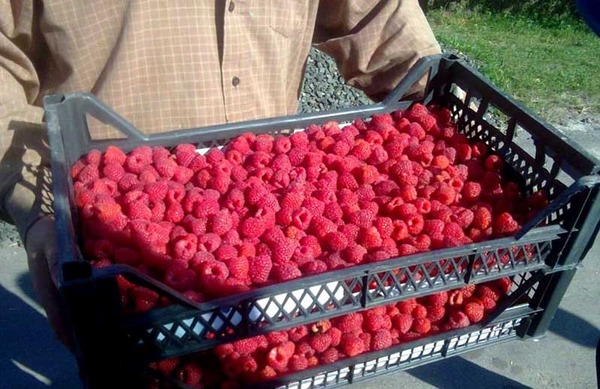
- Marketable appearance of the berry, abundant and stable harvest, possibility of cultivation in field conditions.
- The bush is powerful, with upright, compact branches, and does not require much attention in care.
- High performance berry transportation.
- When harvesting, the berries are well separated from the stalks.
-
- Resistance to many diseases.
- The bush is frost-resistant to -30 °C.
- Raspberry bushes of this variety reach a height of up to 2 meters and are thornless, making the berries easy to pick and ripening well, as they have maximum access to sunlight.
There were some downsides, too:
- Uneven, single ripening of fruits may not be suitable for growing in industrial volumes.
- The fruit requires frequent picking. For private raspberry growers, this may be an advantage (there are always ripe berries on the tree), but for private gardeners, it's likely a disadvantage.
Video "Leaving"
From the video you will learn how to care for standard raspberries.