
Raspberry "Karamelka": characteristics of the variety
Content
Description of the variety and its advantages
The "Karamelka" bush raspberry variety was introduced to gardeners back in 2013. This specimen had been in development for over 10 years. Breeders succeeded in developing an excellent mid-season variety that pleased most farmers and gardeners.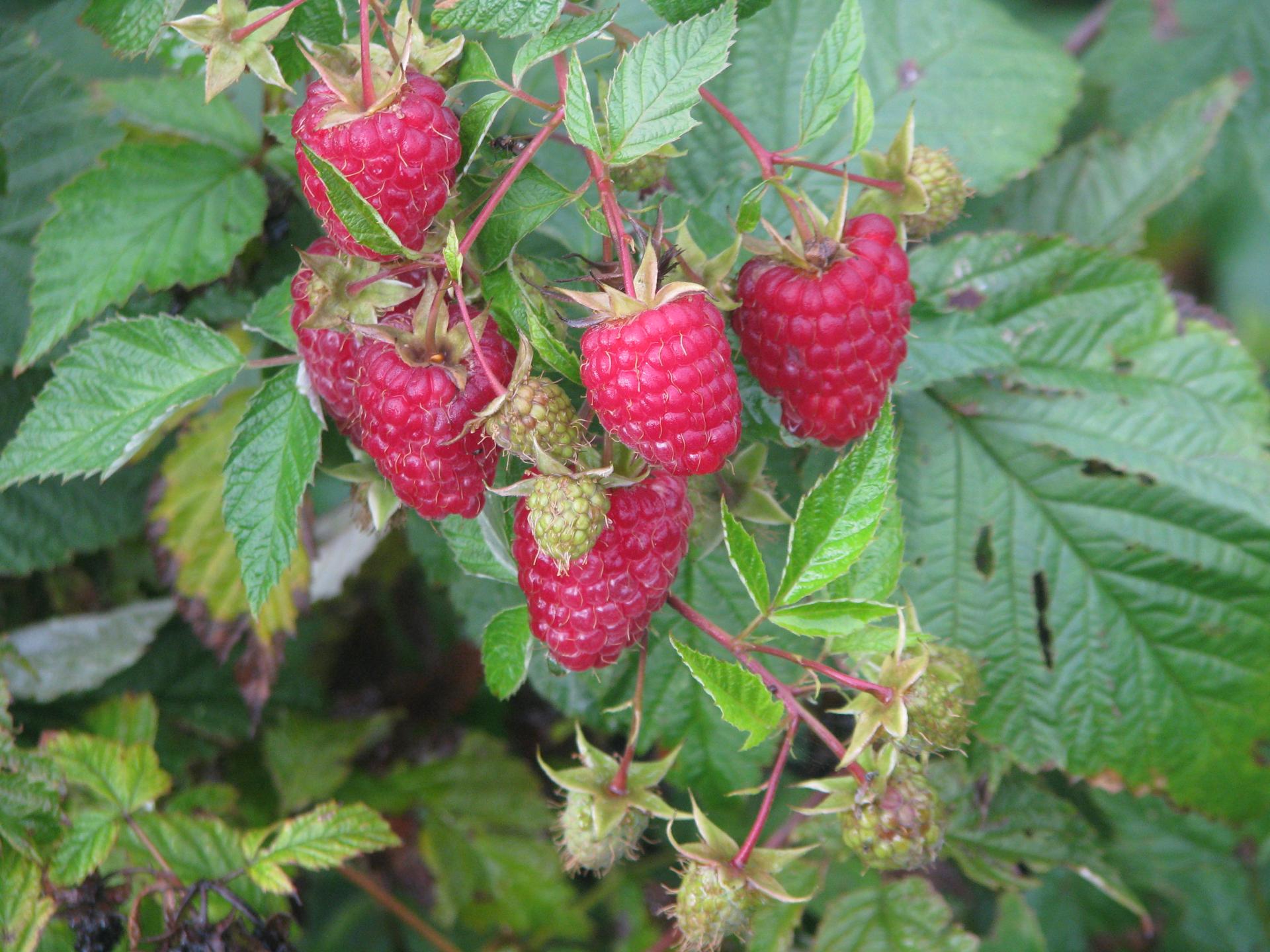
The description of "Karamelka" is primarily based on the medium-sized stems (usually about half a meter). They grow straight and evenly, making the bush upright. The shoots are dense, and staking is not necessary when growing this raspberry variety.
Unlike most raspberry varieties, 'Karamelka' has very small needles on the stems. This makes it much easier for gardeners to care for the plant and harvest the fruit later. The leaves have a typical shape, like most other varieties. They are oval and tapering toward the edges, with serrated tips.
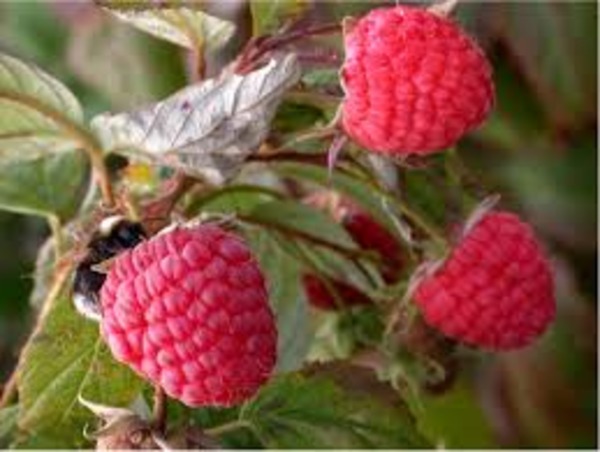
"Karamelka" retains the pleasant aroma and sweet, rich flavor of its predecessors. The berries have a distinctive sweetness and retain the aroma of wild forest raspberries. The fruits are larger than those of the varieties used in breeding.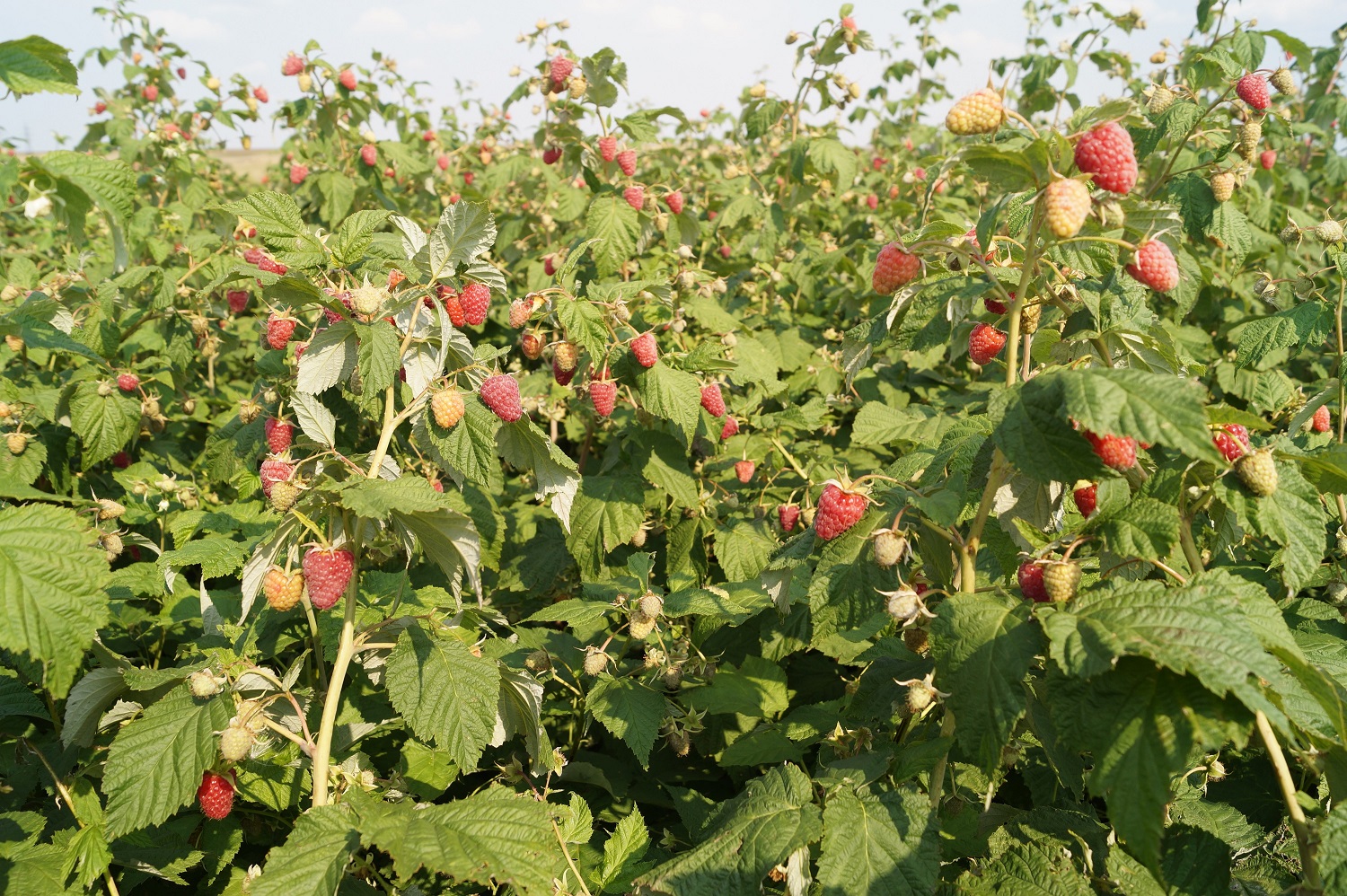
Although this variety is still young, it has become very popular in just a few years. It has become popular in summer cottages and garden plots, and farmers have also begun planting this raspberry to produce a large harvest for sale.
The advantages of the Karamelka raspberry variety include its high resistance to temperature fluctuations and frost resistance, provided the plant is properly pruned before winter.
As a result of the long fruiting period of this remontant variety, gardeners are able to reap a large harvest every season.
On average, upright bushes grow up to one and a half meters in height. Thick shoots bend slightly to the ground under their own weight. This bush structure makes it easy to care for, requiring no staking or support.
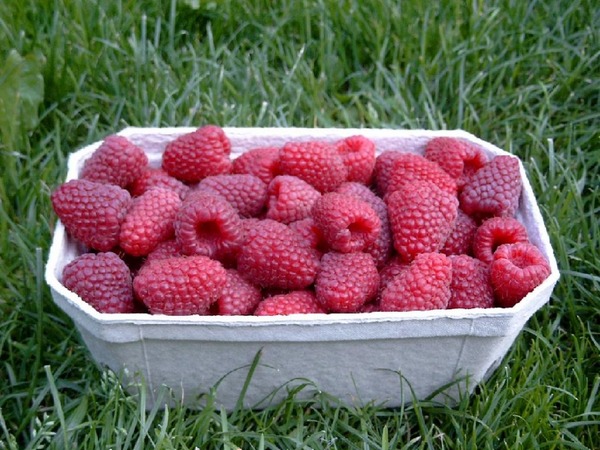
Ripe berries are usually quite large, weighing up to 15 grams. They are easy to pick, leaving the juicy, tender flesh undamaged. The fruits have a vibrant, deep red color. Because they are dense, they transport well and retain their appearance and flavor for a long time.
Like all raspberry varieties, 'Karamelka' has a number of drawbacks. First and foremost, it's worth noting that under favorable conditions, the plant will grow rapidly. This results in a lot of root suckers, which the farmer will have to remove if they want to limit the area for growing the berries.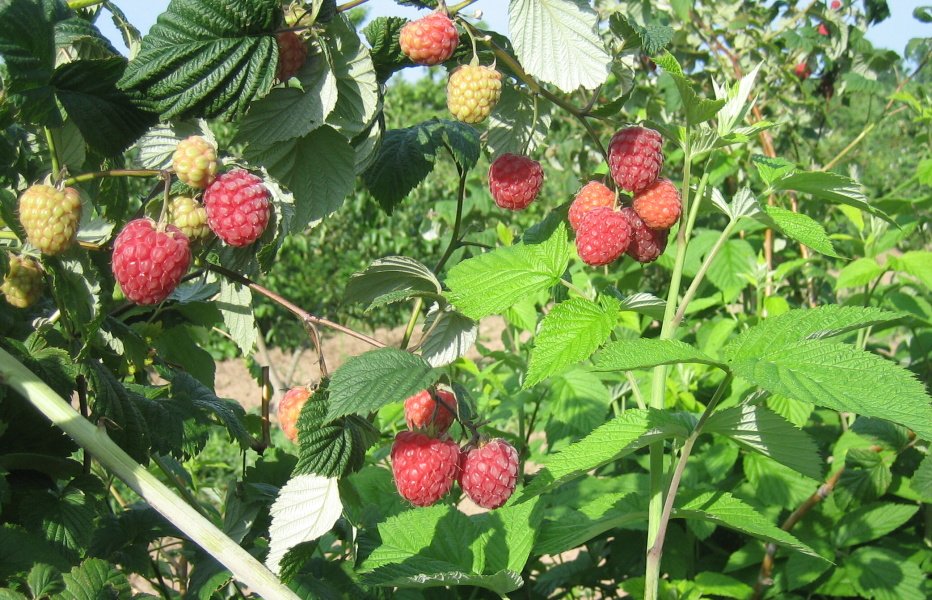
It's also worth noting that the plant doesn't like drought. Therefore, regular watering is necessary during cultivation. Otherwise, the plant will quickly wilt, and the yield will decrease significantly. Those growing "Karamelka" in southern regions should be especially careful about soil moisture.
Video "Variety Review"
From the video you will learn what variety it is and what it looks like.
Rules for selecting seedlings
To ensure a good harvest at the end of the season, you need to choose the right seedlings before planting. It's crucial to choose healthy seedlings to ensure they don't die during the growing season. This is especially important for everbearing raspberries, as they begin bearing fruit quite early and grow very quickly.
It's best to purchase planting material from certified companies. "Gardens of the Urals" provides high-quality, healthy seedlings. The advantage of "Gardens of the Urals" is that your order can be delivered to your specified location, and you can place your order online. "Gardens of the Urals" nursery is an excellent choice if you're new to choosing seedlings at the market.

If you decide to select planting material yourself, it is advisable to keep in mind some selection rules.
First of all, remember that spring seedlings don't always have leaves. If the planting material does have leaves, it may indicate that it wasn't overwintered properly. Seedlings look very beautiful, and many novice gardeners are ready to buy them, but this could be a mistake.
Raspberry seedlings are exhausted, as so much energy has been expended on foliage. After planting, there's a high probability that they won't bloom in the first year. Such seedlings are also almost twice as unlikely to survive as plain raspberry canes without shoots.
Next, check that the young seedlings are free of dried foliage that is difficult to remove. This may indicate that the planting material was not prepared correctly or has been damaged by insects. As a result, such seedlings simply will not thrive in your garden.
Last year's shoots should show no signs of disease or mold. Dark spots or light areas may indicate that the seedlings are susceptible to disease. The cut core of the shoot should be the same color as the underlying layer of the plant.
Before purchasing, inspect the rhizome of a young seedling. It should be alive (the roots should bend easily). Ideally, the roots should be placed in a special nutrient mixture and wrapped in plastic with the substrate. The seedlings should be straight. The presence of unusual bends or knots on the stem may indicate the presence of root canker.
By following these recommendations, you can significantly increase your chances of successfully selecting good seedlings. If this raspberry variety isn't available in your city, you can order from the Ural Gardens company through their website.
How and where to plant
Planting the Karamelka raspberry variety is easy. Just follow a few simple rules.
The everbearing "Karamelka" variety should be planted at an optimal distance from other bushes. Because it has a very developed root system and will develop root suckers as it grows, it's best to maintain a distance of at least one meter. Experienced gardeners maintain a distance of 120 centimeters between rows and about 80-90 centimeters between planting holes.
For planting, choose sunny locations free of tall, densely canopied trees. Fertile, loose soil is preferable. If nothing has been grown in the area for a long time, thoroughly dig and loosen the soil. Only then can you begin planting "Karamelka."
It's best to plant this raspberry variety in the southern part of the plot. It's best to avoid high fences, buildings that create shade, or other dense plantings nearby.
Raspberry bushes should be exposed to sunlight during the day, as this will affect the flavor and juiciness of the fruit. Shady areas will significantly reduce yield.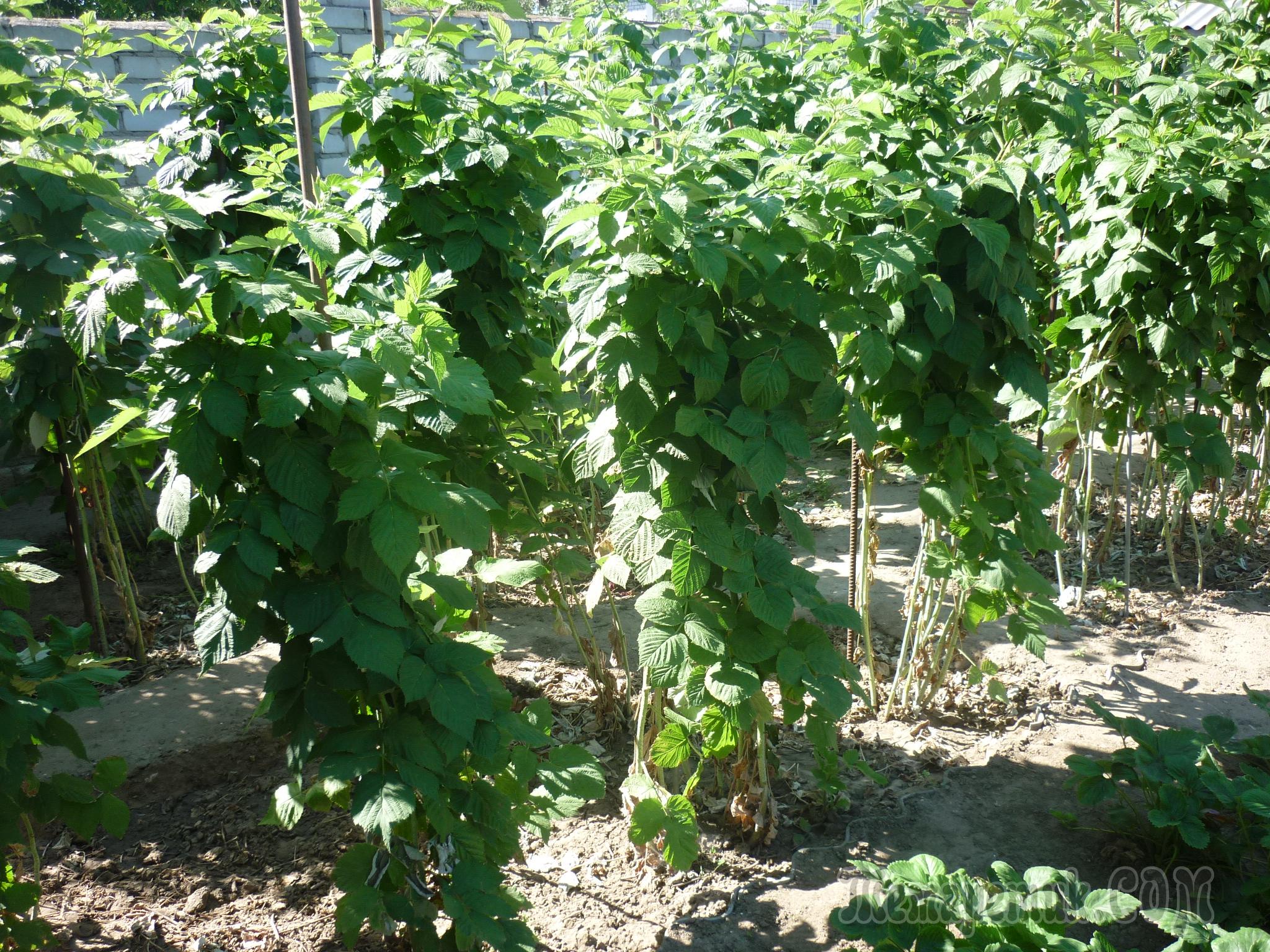
When planting raspberries in the spring, it's best to choose a site where the snow melts first. Typically, with an even snow cover, it melts faster on slightly elevated areas and in areas well fertilized with organic matter or manure.
The best time to plant raspberry seedlings is early March, when the ground has thawed. If you plan to plant in the fall, it's best to do so in late September or early October. Fall planting is preferable because the conditions are more favorable. This allows the plant to grow better and strengthens the root system for the new season.
Before planting, prepare the soil. A couple of weeks before planting, thoroughly till the soil, remove all weeds, and apply fertilizer. Typical fertilizers include rotted manure, bird droppings, wood ash, peat, or nitroammophoska. Per square meter of soil, you'll need about three buckets of compost or manure, plus 0.2 liters of nitroammophoska.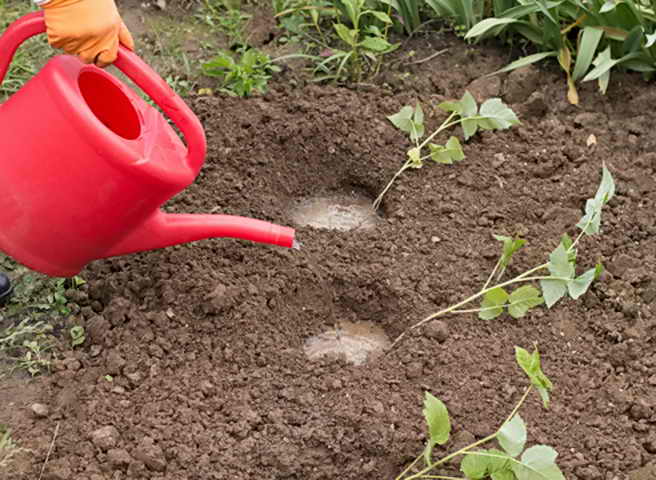
It's a good idea to know the groundwater depth before planting. Since "Karamelka" dislikes excess soil moisture, the groundwater depth should be at least one and a half meters.
To ensure that seedlings take root quickly and begin to grow and develop actively, you need to follow the planting rules.
First, you need to dig the required number of holes at the appropriate distance, as discussed earlier. Each hole should be wide, more than half a meter in diameter, and 45-50 centimeters deep.
Before planting the seedling in the ground, trim the shoots by a third. Then, mix the fertile soil with compost and a small amount of superphosphate.
Make a small mound in the hole and then place the seedling there. After spreading the roots, add layers of soil and compact it gently. It's important to ensure there are no air pockets around the rhizome when planting. After burying the seedling, water it thoroughly. Pour one and a half to two buckets of water into the hole, then cover the soil around the stem with humus to a depth of about 5 centimeters.
Care and protection from pests
To obtain a bountiful harvest, it's essential to ensure proper seedling care—watering, fertilizing the soil, timely pruning, disease prevention, and pest control. All this will ensure the bushes have a long life.
Watering is a crucial factor when caring for raspberries. This is a moisture-loving plant, but it's important to remember not to allow the soil to become too wet. This can cause the developed root system to rot, especially if the bushes are in the shade for part of the day.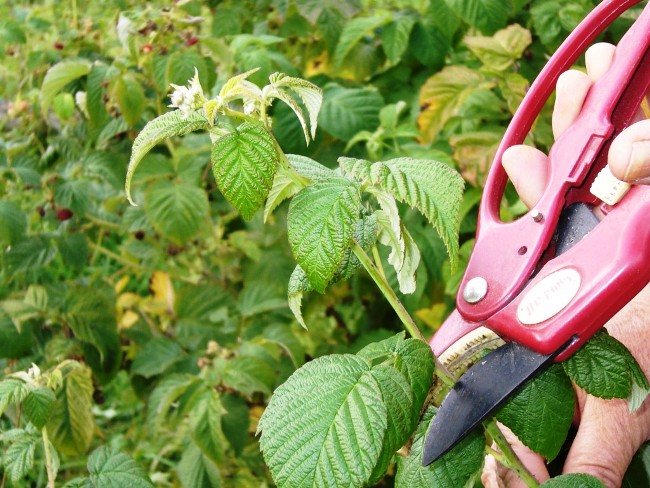
Of course, watering frequency will depend on the amount of rainfall typically received during the season in your region. Typically, one bush requires two buckets of water. If there's no rain, watering every six weeks is sufficient. It's recommended to water early in the morning or in the evening, when the sun isn't blazing.
Fertilizer is applied before planting seedlings and during the early growing season. Liquid cow manure, peat, bird droppings, rotted organic matter, and wood ash can be used to fertilize the soil.
Urea can also be added along with organic matter. Dry grass, straw, and peat are suitable for mulching. During flowering, a fertilizer consisting of potassium salt and superphosphate can be applied.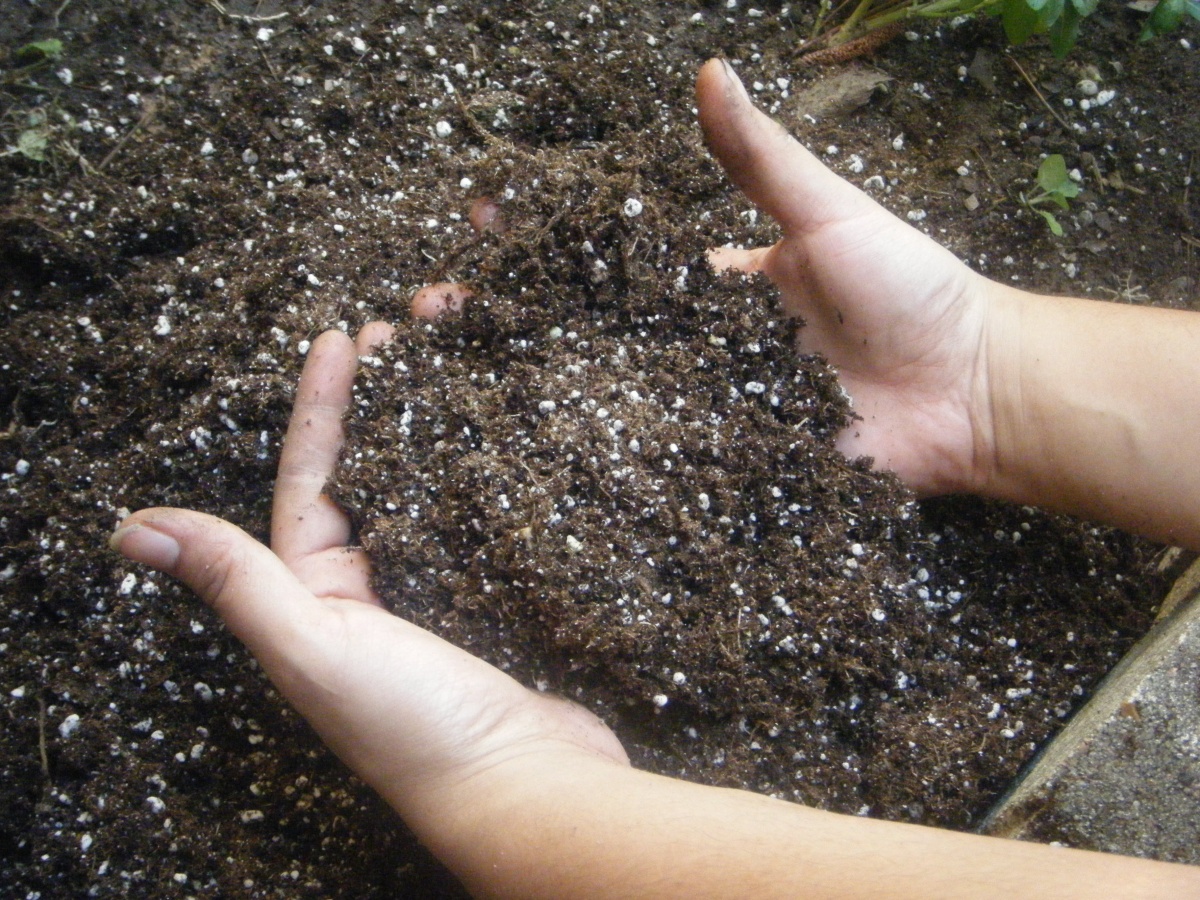
It is also advisable to apply fertilizers to the soil after harvesting at the end of the season.
After harvesting the berries, the bush needs to be pruned. When the leaves fall, the stems should be cut back to ground level to prevent the plant from freezing in winter and to increase the harvest next year.
It's worth noting that in some cases, when gardeners have successfully created excellent growing conditions for raspberries and ensured highly fertile soil, "Karamelka" bushes can grow up to two meters tall. In this case, they become very vulnerable to strong winds. Therefore, additional supports and staking of the shoots are required.
By purchasing seedlings from the Ural Gardens company, you can be sure the plant is disease-free. However, you will need to protect the plant from insects and diseases yourself.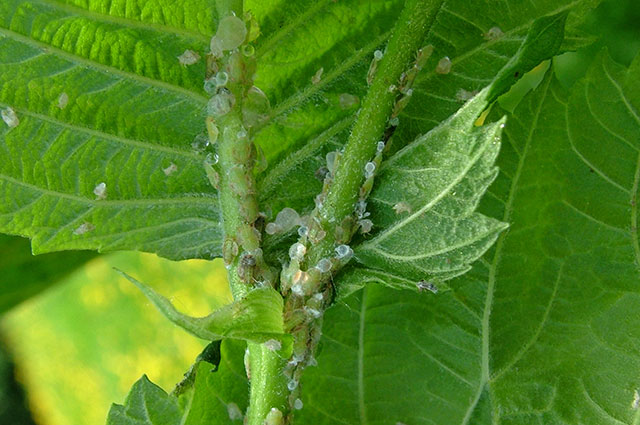
The most dangerous insects for raspberries are the raspberry beetle, bud moth, and raspberry aphid. Folk remedies can be used against them, but targeted pesticides remain the most effective. It's advisable to pre-treat the bushes to prevent pest infestations.
Video "Pests and Diseases of the Bush"
This video will tell you about the pests and diseases that can affect raspberries.