
Heritage Raspberry - Description and Characteristics
Content
Description and characteristics
A characteristic feature of the Heritage raspberry is its remontancy, that is, the ability to bear fruit throughout the summer and autumn, right up until the first frosts.
The bush is medium-height, with strong shoots reaching up to 2 m in height, dense and sturdy fruiting branches, and medium-sized, dark-colored spines. The leaves are small, elongated, wrinkled, and dark emerald in color.
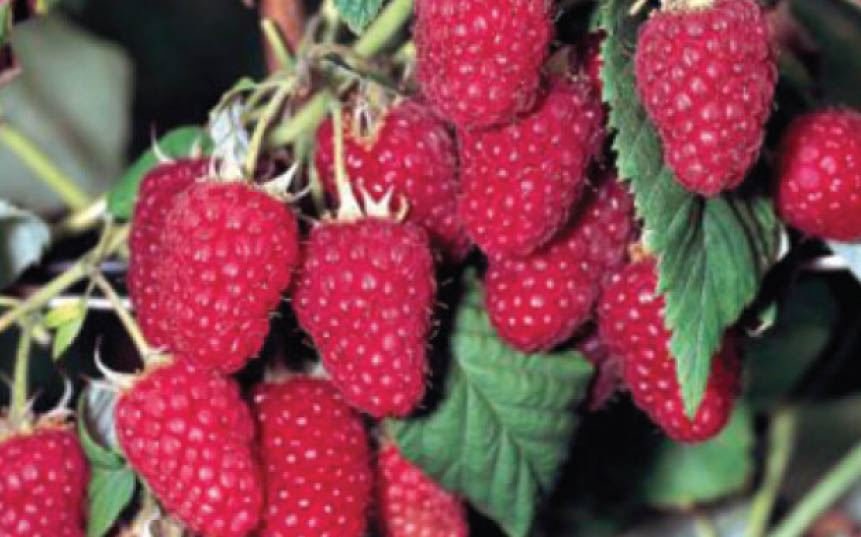
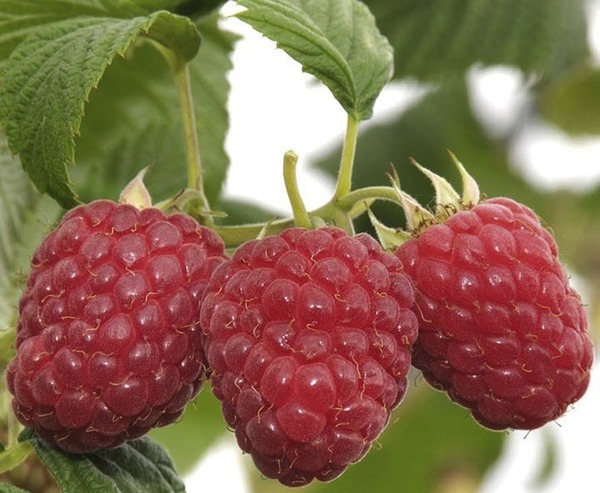
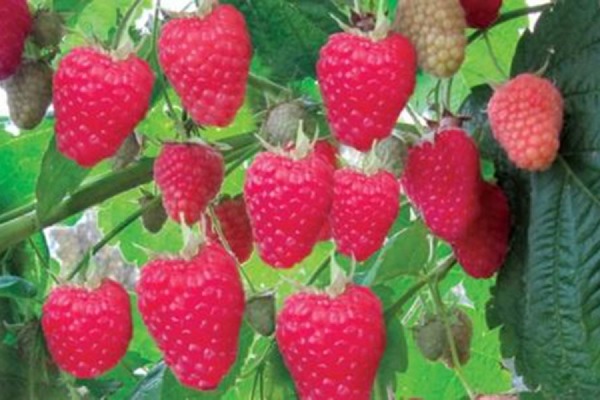
The medium-sized fruits, weighing 2.9-3.6 g, are fine-grained, round, and elongated. When fully ripe, they acquire a rich burgundy color. The flavor is aromatic and slightly tart-sweet. The berries hold up well during transportation.
This variety has high disease resistance, which has earned it popularity in commercial gardening. Its moderate growth rate prevents shoots from spreading across the entire plot. It is propagated by division of the bush or by the root system to stimulate its growth. Heritage requires timely and moderate watering, tolerates hot summers well, and is frost-resistant in winter.
The general yield indicator: up to 3 kg of berries per bush, and with proper agricultural technology this increases to 5 kg.
Video "Description of the Variety"
From the video you will learn everything about this raspberry variety.
Landing features
The excellent characteristics of this variety will delight gardeners provided they are planted correctly, in a suitable location, with fertile soil, and high-quality, healthy seedlings. If all conditions are met, the shrub will easily establish itself and grow into a strong, healthy plant that will produce an abundance of delicious, juicy berries.
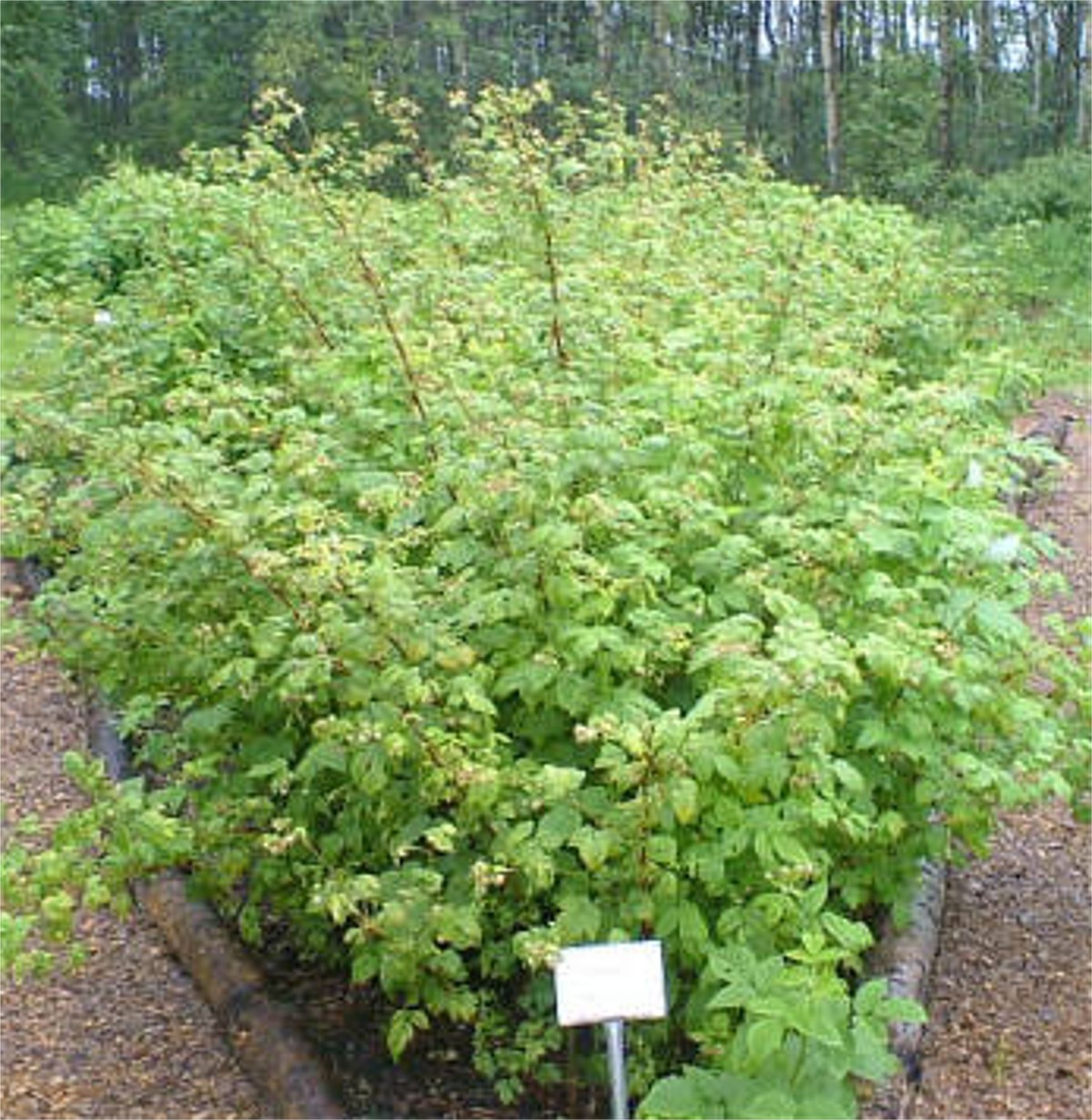
Planting a variety should begin with choosing a suitable location. A sunny, wind-protected area with a level surface is considered ideal. The soil should be well-drained, medium loamy, and rich in organic matter.
This variety can be planted in either spring or fall, which is considered preferable. The seedlings take root easily then, and the first harvest can be collected as early as August or September of the following year.
For the autumn option, the recommended period is from September 15 to October 15.
It's advisable to mix the soil in the area where the planting holes will be dug with fertilizer to enrich the soil. For 1 m² of area, you'll need: 10 kg of humus, 50 g of phosphorus fertilizer, and 30 g of potassium sulfate. Then, dig the soil and clear it of weeds.
For seedlings with a closed root system, planting holes are prepared 50 cm deep, at a distance of up to 2 meters between rows, and 0.8-1 meter from each bush.
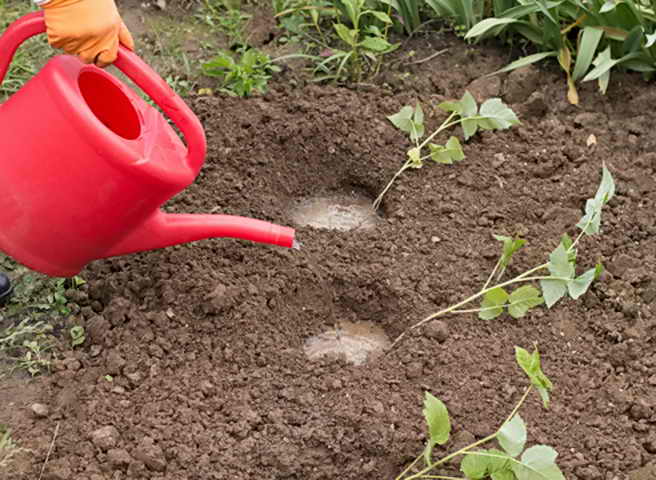
When planting in spring, the key is to take advantage of the favorable time and do so before the buds sprout, which isn't always possible, making fall planting preferable. However, if spring planting is necessary, the planting pattern is identical to the fall planting pattern, with the exception of avoiding pruning and requiring regular watering for two weeks.
Plant care
Proper and timely planting of seedlings without proper subsequent care may not yield the expected harvest. For normal plant growth, it needs to be fed, pruned, protected from diseases and pests, mulched, and watered. With such care, the bush will reward you with an abundance of berries on its branches.
To ensure proper development, bushes require fertilizing and removal of excess shoots. Once removed, the plant will become strong and powerful.
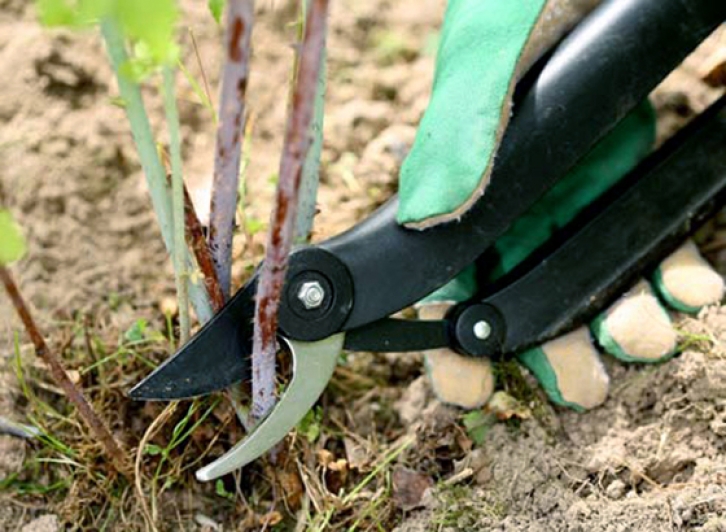
In this case, all the vital energy will be directed towards the formation of fruits and strengthening the immune system, which will protect the bush from various viruses, fungi, and raspberry pests.
Raspberries require constant watering from spring until the berries ripen. If the soil is insufficiently moist, the shoots will be thin, the leaves will be wilted, and the berries will be small, dry, and grainy. In dry weather, water the plant twice a week, irrigating the soil to a depth of 15 cm. Many gardeners use a drip irrigation system for this purpose.
Since the Heritage variety is remontant, pruning is carried out according to the growing method.
To achieve a double harvest, it is carried out twice: in spring and fall. In mid-fall, two-year-old shoots are cut back to the roots, and in mid-spring, frozen, dry, or damaged branches are removed.
If the harvest is planned for a single year, then by the end of October, all branches are removed from the bush to the ground. With the arrival of spring, only the strongest and most vigorous shoots are left, numbering no more than six.
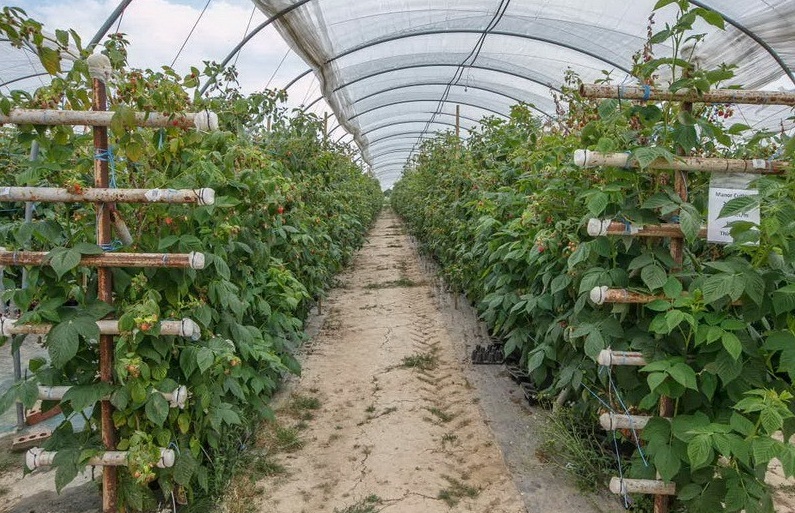
Raspberry bushes need to be tied up, as this will increase the bush's yield and make it easier for the gardener to pick berries and care for the bush.
Several methods of garter are used:
- A simple garter involves inserting a metal or wooden support with a diameter of about 5 cm into the center of the bush, and tying its stems in bunches of 5 branches at a height of 1.2 m.
- fan-shaped garter, in which supports made of wood or metal are strengthened between bushes, tying part of the shoots from neighboring bushes to them.
- When planting raspberries using the ribbon method, they are tied to a trellis, which is installed at the beginning and end of the row. Supports are attached, and wire is stretched between them in two rows. The height between the wires is 1 m, and the trellis is 2 m. Each shoot is tied to the wire.
To ensure a bountiful harvest and enhance the taste of Heritage raspberries, it is necessary to fertilize the soil in a timely manner.
After harvesting, root feeding is carried out by scattering rotted manure or compost under each bush in a five-cm layer.
In early spring, apply a complex mineral fertilizer containing nitrogen, potassium, and phosphorus. The soil around the plant is also fertilized with a solution of 15–20 g of ammonium nitrate per 1 m².
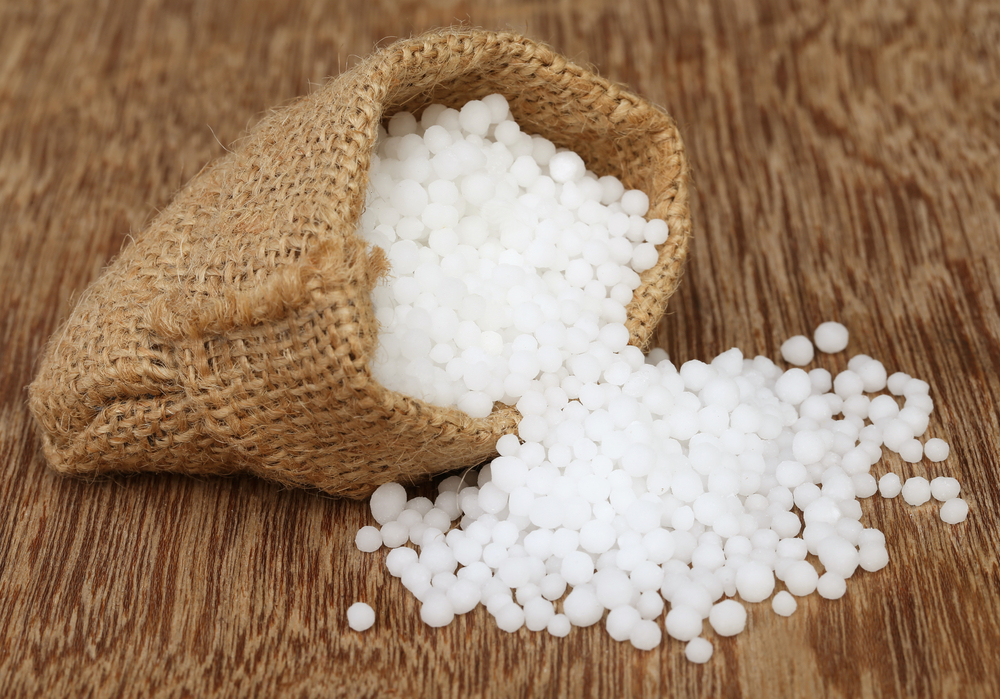
In the spring, when the buds have just begun to swell, use the following solution for feeding: mix 3 tablespoons of double superphosphate and 2 tablespoons of potassium sulfate in a bucket of water, watering 1 m² of soil.
Diseases and pests
The Heritage variety's remontant nature makes it more disease-resistant than other raspberry varieties.
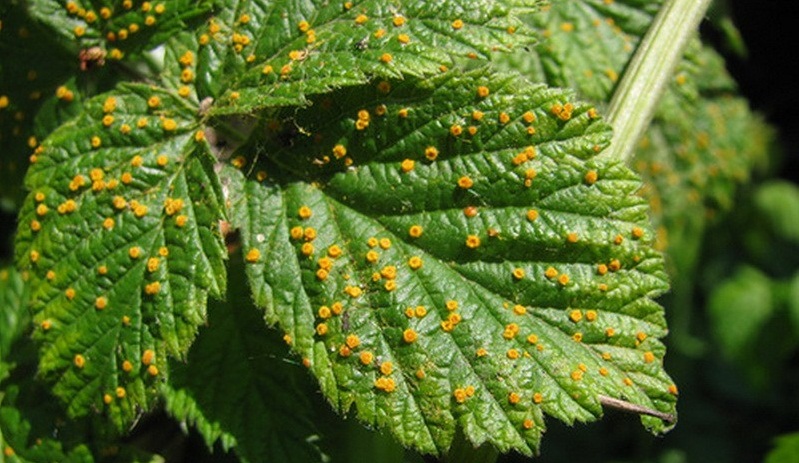
Despite this, they sometimes suffer from insect pests or diseases. The most common diseases include fungal infections such as purple spot, anthracnose, septoria leaf spot, verticillium wilt, and septoria leaf spot. Fungicidal treatments such as Bordeaux mixture, Topaz, Oskihom, Fundazol, Fitosporin, Switch, Amistar, Skor, and others are effective against fungi.
In addition to fungal diseases, everbearing raspberries can also be affected by bacterial diseases, such as root canker. Bacterial diseases should be combated with preventative measures, including careful inspection of seedlings before purchase, strengthening the plants' immune systems, strictly following the agronomic practices and care recommendations developed for this crop, and regularly performing preventative treatments.
Viral diseases—curl, bushy dwarf, mosaic, and infectious chlorosis—present the most serious problems for this variety. There is no specific treatment for these diseases; if signs of disease are evident, the plant must be uprooted and burned.
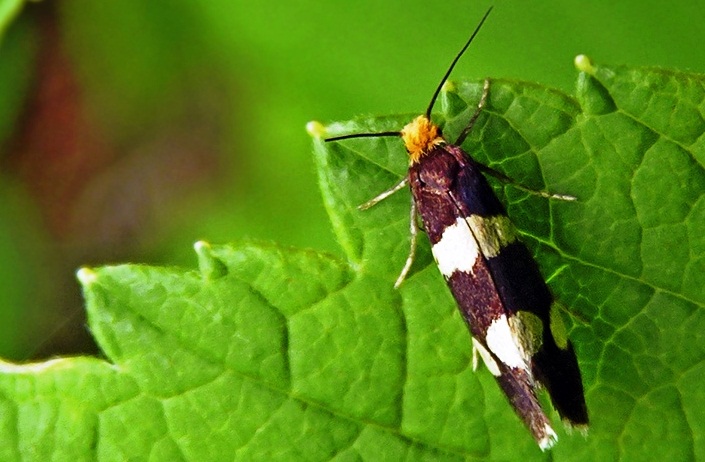
Common pests of everbearing raspberries include raspberry beetles, aphids, mites, and caterpillars. Once raspberries have bloomed, they should not be treated with chemicals. Herbal remedies, such as onion peel or garlic infusions, can be used to combat these pests. Soak 100 g of onion peel or crushed garlic in 10 liters of water for 2-3 days, then strain and add 50 g of laundry soap or dishwashing liquid dissolved in warm water.
If insects attack the raspberry bush before flowering, biological insecticides are used for spraying.
Harvesting and storage
Heritage raspberries can be picked from late August until the first frosts in October, and fruiting continues until late September or early October. The berries are firmly attached to the stem, do not fall off, and remain on the bush for a long time.
Since each bush of this variety yields an average of up to 3 kg per season, information on storing raspberries will not be superfluous.
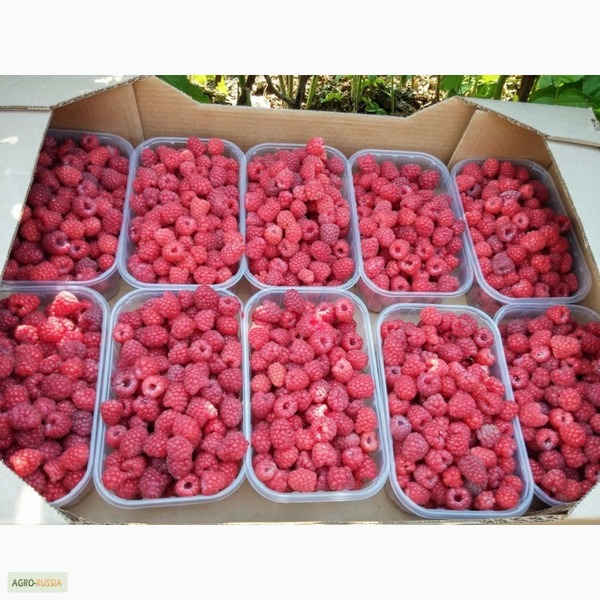
Immediately after harvesting, raspberries can be stored without problems in the refrigerator at a temperature of +1…+4 °C for 10-12 days.
To eat berries in winter, they are frozen, dried, and used to make jams, confitures, sorbets, and preserves.
So, even with the arrival of winter, you can enjoy the aromatic berries of Heritage raspberries, consuming delicious preserves made from them, adding them to desserts, baked goods, and cocktails.
Video "Care Features"
From the video you will learn about the features of caring for the bush.