
Raspberry Hussar: description, advantages and disadvantages of the variety
Content
Description of the variety
The Gusar raspberry variety is an early-ripening berry. It's also a remontant variety, capable of producing several harvests throughout the season.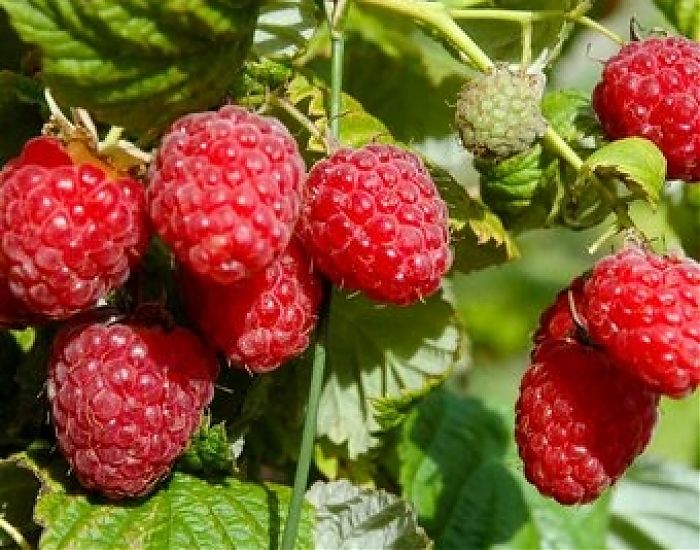
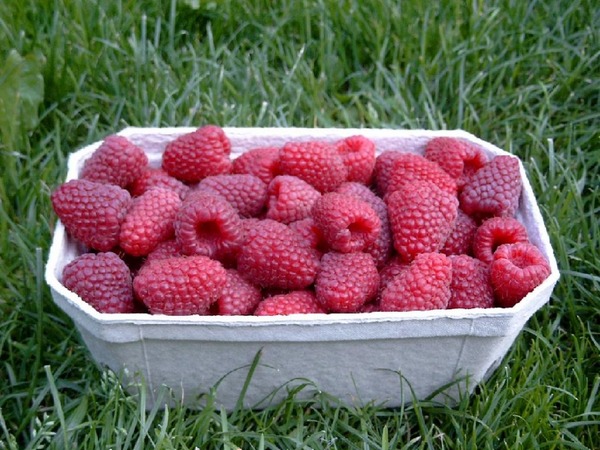
Like other varieties, Husar forms moderately spreading bushes that can reach a height of 2.5 meters. Despite this impressive size, the branches rarely bend under strong winds or heavy harvests. The shoots produce fairly dense and large berries. They are elongated and conical in shape and ruby-red in color.
The fruits have a typical raspberry flavor – sweet with a slight sourness.
With proper care and adherence to all agricultural practices, a single bush can yield 3 kg or more. The fruits have a pleasant aroma. Their pulp contains many vitamins and sugars, making them versatile. They also have a good marketable appearance.
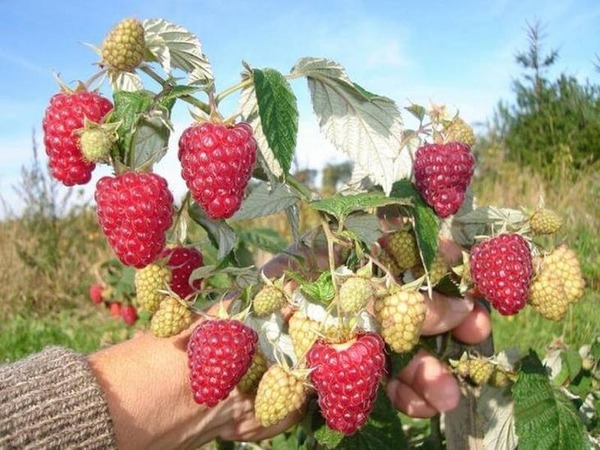
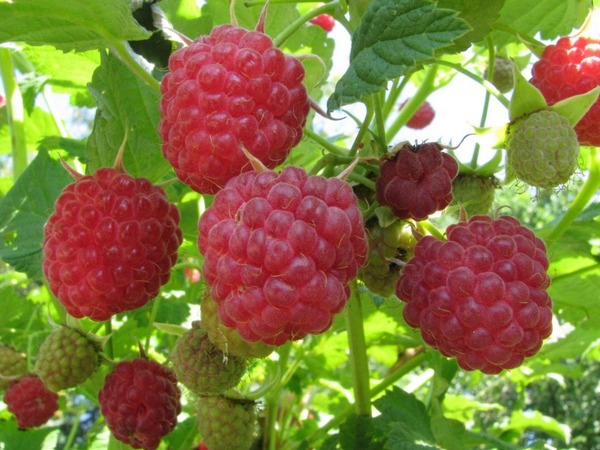
The bushes are noted for their vigorous growth. With a thorough fall pruning, by mid-June, newly formed shoots will reach 1.5 meters in height and form lush thickets, completely covered with the first flowers and dark emerald leaves. The stems are virtually thornless. Thorns are found only at the base of the shoots, which does not interfere with harvesting.
Gusar is characterized by sparse basal shoots. There are no more than 10 stems per plant. The stems themselves have a slightly reddish color and are covered with a waxy coating. This prevents moisture loss, making the bushes quite drought-resistant.
It's worth noting that this everbearing raspberry is considered a "golden variety," developed by breeder I.V. Kazakov. He based the Kenbi raspberry variety, which is noted for its high yield and vigor, on a cross-pollination method with varieties highly resistant to various viral diseases. The result, "Gusar," surpasses its parent varieties in many ways.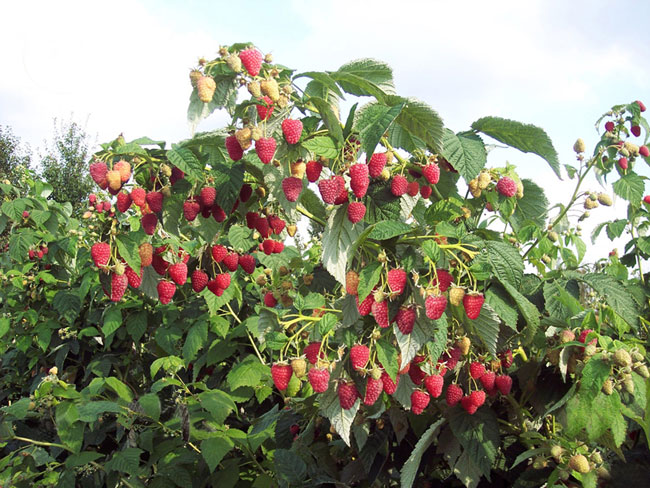
The Gusar raspberry has gained popularity among gardeners due to its low maintenance and numerous advantages. Thanks to these advantages, it can be grown not only in central Russia but also in the southern regions.
Video "Description"
From the video you will learn about the characteristics of this raspberry variety.
Advantages and disadvantages
A description of this variety of raspberry, Hussar, would be incomplete without examining its advantages and disadvantages. Let's begin by examining the positive aspects of growing this variety. The advantages of the Hussar raspberry include the following:
- High yield. This is achieved through multiple harvest waves. It's worth noting that Husar is an early variety. Therefore, the first harvest can be collected as early as early summer.
- despite the height of the bushes, there is no need to tie them up;
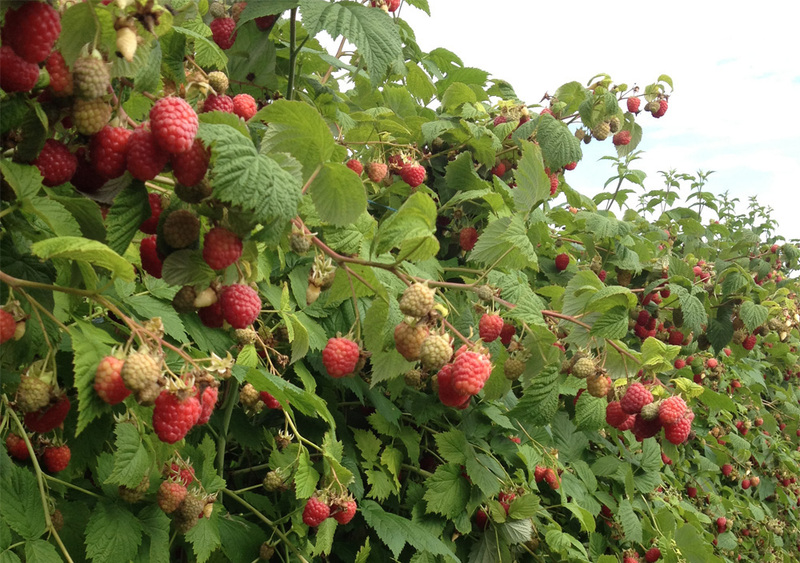
- A minimal number of basal suckers. Their absence makes raspberry bush care much easier and also saves precious garden space;
- the stems are almost completely free of thorns, which in other varieties are often the main source of injury during harvesting;
- Large berries. Their average weight is 4 g or more;
- The bushes are highly resistant to soil freezing. This characteristic allows Husar to be grown in a variety of climates. Moreover, the harvest will have time to ripen even with the onset of early autumn frosts.
- The berries have a high density. This quality allows for excellent transportability and shelf life. The harvest can be safely transported even over long distances;
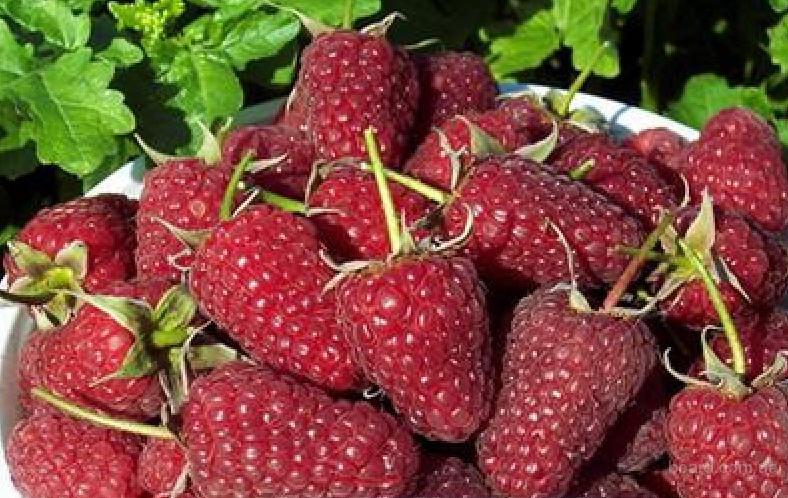
- The fruits practically never fall from the shoots. This eliminates the need to harvest the raspberry patch every day. The interval between harvesting can be up to four days. During this time, the ripened fruits retain their flavor and nutritional value.
In addition, it is worth noting that Husar differs from other varieties in its excellent resistance to various pathogenic microorganisms (viruses, microbes, bacteria and fungi) that often affect raspberries.
This berry variety also tolerates frost well. However, experienced gardeners still recommend covering the bushes for the winter, as the plant is prone to root freeze-up. This condition can lead to the death of the entire bush.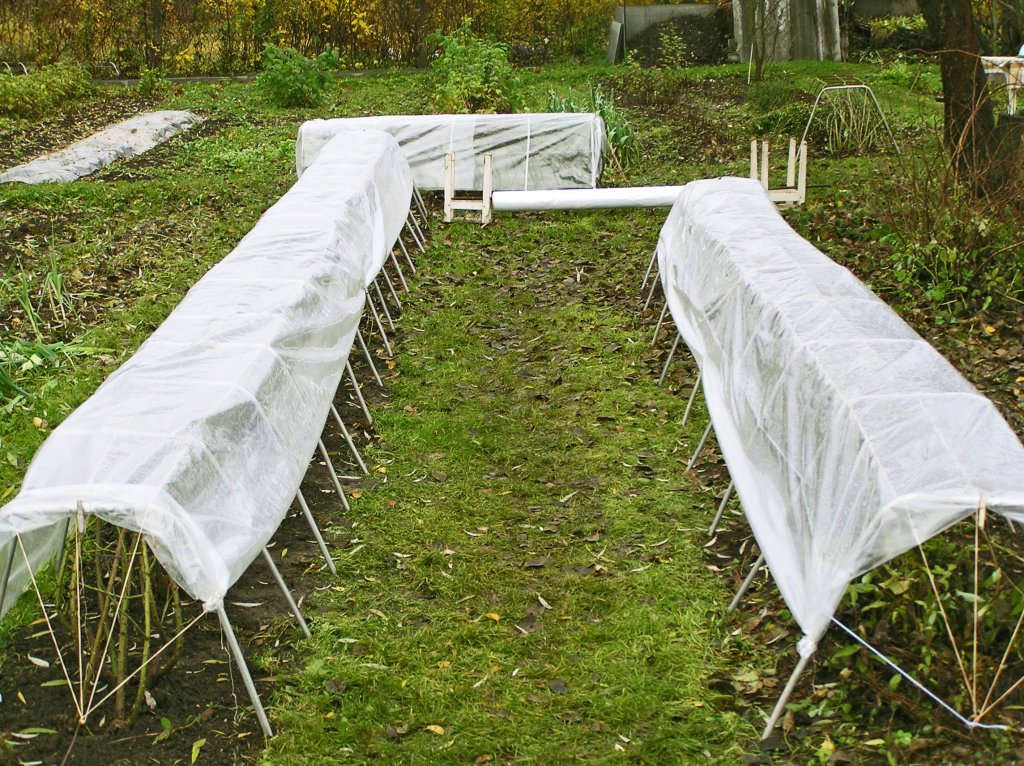
Today, there's not a single raspberry variety that boasts only positive qualities. And Husar is no exception. Despite such an impressive list of advantages, it does have some drawbacks. These include the following:
- The fruit's taste isn't sweet enough. Although many might argue with this. The berries can be used for drying, making jelly, compotes, and jellies, as well as eaten fresh;
- Due to the strength of the bushes, the distance between them when planting should be at least 80-100 cm. At the same time, there should be a free space of at least 1-1.5 m between the rows;
- To simplify the cultivation of bushes and harvesting from them, it is recommended to tie the shoots to trellises.
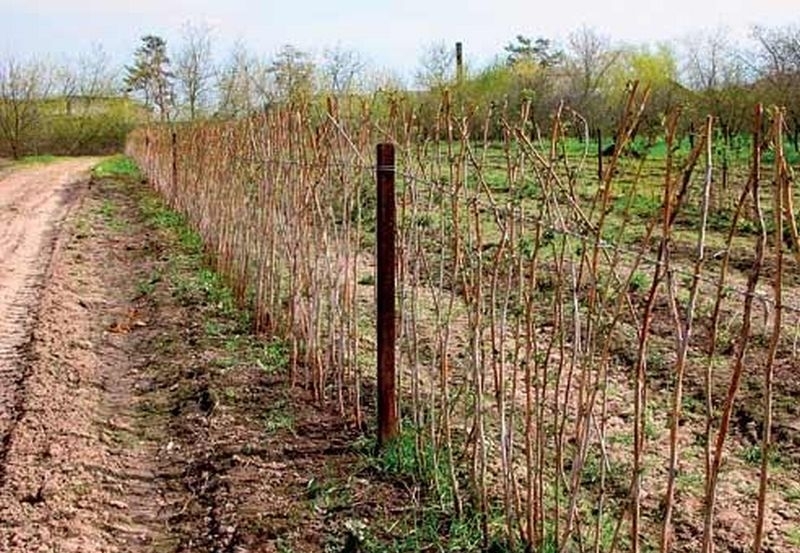
Some of the Hussar variety's drawbacks are subjective (for example, the taste of the fruit). Therefore, each gardener must independently assess its shortcomings and decide whether they are relevant to them. However, there are currently varieties that can be several times more productive than Hussar, yielding over 10 kg of berries per bush.
As we can see, this raspberry variety has a few drawbacks. With proper care, these can be partially compensated for, allowing the plants to be grown in more comfortable conditions.
Planting times and rules
Experts recommend planting many everbearing varieties in their permanent locations in the fall. However, this rule doesn't apply to Husar. Its seedlings should be planted in the spring. This is because the root system of this variety's raspberry bushes doesn't tolerate frost. Therefore, planting in the fall significantly increases the risk of plant death.
When planting in spring, remember that frosts can also occur in spring, especially after a brief thaw. Therefore, the optimal time for planting seedlings in spring is early to mid-May. These dates apply to the southern regions of the country. In northern regions, young plants should be planted in early June. This is when the soil will have time to warm up to a depth of at least 30 cm.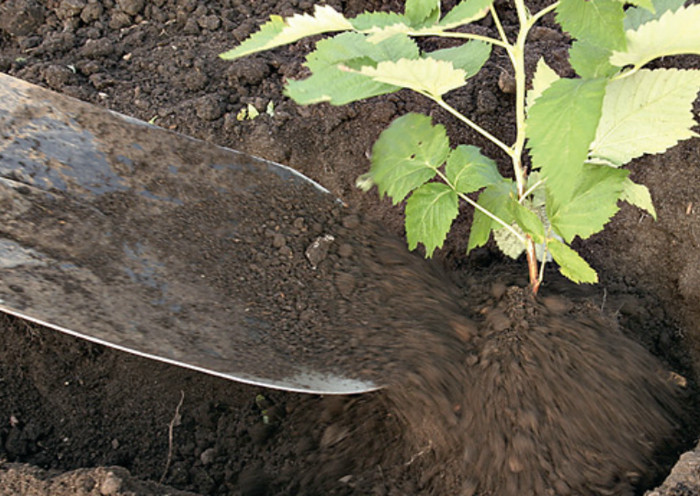
When planting Gusar raspberries, remember that the seedlings quickly grow into large, vigorous bushes. Therefore, the soil must be adequately nutrient-rich. Because of this, and the large size of the raspberry bushes, the planting pattern should be as follows:
- the distance between rows is not less than 100 cm;
- the distance between adjacent plants is not less than 80 cm.
Preparing the plot and planting holes begins in the fall. They should be 50 x 50 cm in size and dug to a depth of 55 cm. Place plant residues and rotted manure at the bottom of the dug holes. Afterwards, cover the fertilizer with a layer of fertile soil, approximately 30 cm thick.
In the spring, the purchased seedlings are placed in the holes and covered with soil. It is recommended to mix the soil with humus.
Please note: you should only purchase raspberry seedlings from reputable stores. Otherwise, the resulting raspberry bush will not always match the stated variety characteristics.
Caring for plantings
The Husar raspberry is a typical member of its family, with the exception of its remontant nature. Therefore, the list of necessary agricultural care measures will not differ from that for regular raspberries. This list includes the following:
- In summer, bushes require regular and abundant watering. Use warm water. Approximately 7-9 liters of water should be poured per bush. Watering should be done exclusively at the roots.
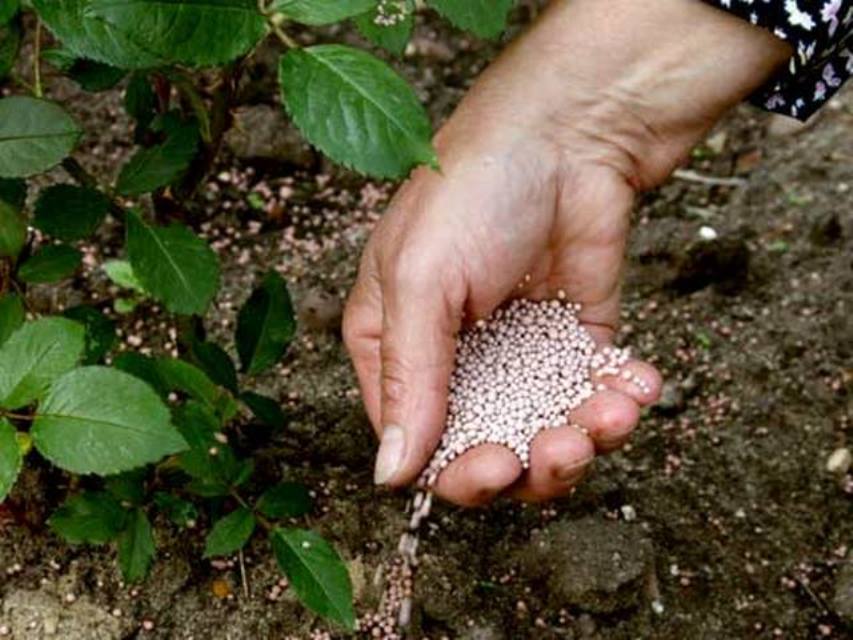
- Fertilizers are applied in spring and summer. The first feeding consists of organic matter (infusion of mullein/chicken manure/rotted manure). One bucket of fertilizer is added under the bush. The second feeding is done during the flowering period. At this point, phosphorus and potassium fertilizers should be used (10 g of the substance is dissolved in 10 liters of infusion). If necessary, a third feeding is carried out in the fall. During the summer, wood ash can be additionally applied to the soil (0.5 liters per square meter).
- Plant pruning is done to shape the bush and increase the number of flowers and berries. Complete pruning is not necessary here;
- implementation of preventive measures to combat pests and diseases.
As we can see, caring for the Husar is quite simple. Therefore, even a novice gardener can manage its cultivation.
Pests and measures of protection against them
Although the Hussar raspberry variety is highly resistant to a variety of diseases, it is not immune to insect pests. The following pests most commonly affect this variety of raspberry bushes:
- Raspberry stem fly. This insect is most commonly found on raspberries. The fly is small and lays eggs at the tips of stems. These eggs gnaw at the softwood branches, causing them to dry out. If larvae are found, they can be collected by hand or the bushes can be sprayed with a solution of Actellic. This solution can also be used as a preventative measure.
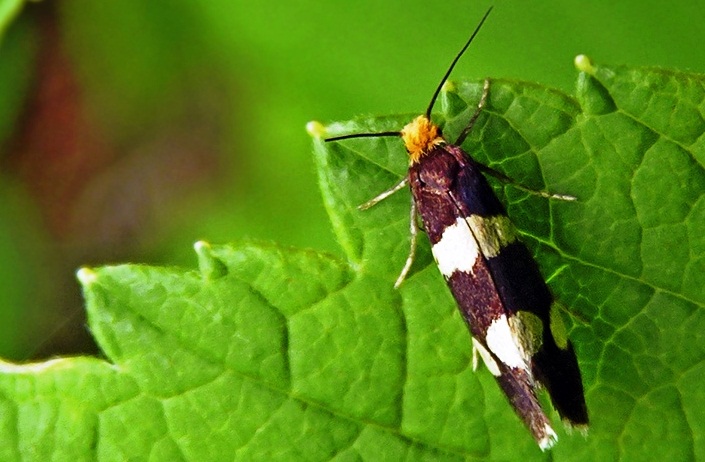
- The shoot midge, or raspberry gall midge. This pest lives in the soil (in the upper layers). The larvae move along shoots in the summer, chewing tunnels through them. The midges can only be detected in cracked areas of the bark. They are usually found at the base of stems. It is impossible to destroy this pest with chemicals. In this case, the affected bush must be completely dug up and burned, along with the root ball. Protecting your garden from gall midges involves selecting healthy seedlings.
- The raspberry beetle becomes active in early summer. It damages leaves and flower buds. It can be identified by characteristic holes in the leaf blade. To eradicate this pest, periodically loosen the soil, remove weeds, and treat raspberry bushes with Actellic.
The Hussar variety is an excellent choice for your garden, as it has many advantages and is easy to care for.
Video "Pests"
From the video you will learn about pests of raspberry bushes.