
Blackberry-raspberry hybrid: description and varieties
Content
Description
The birthdate of this berry hybrid, which is based on blackberries and raspberries, is considered to be 1969. The variety was developed in Switzerland through selective breeding using pollen from raspberries and blackberries. The result is a plant that produces juicy, tasty, and aromatic dark-colored fruits.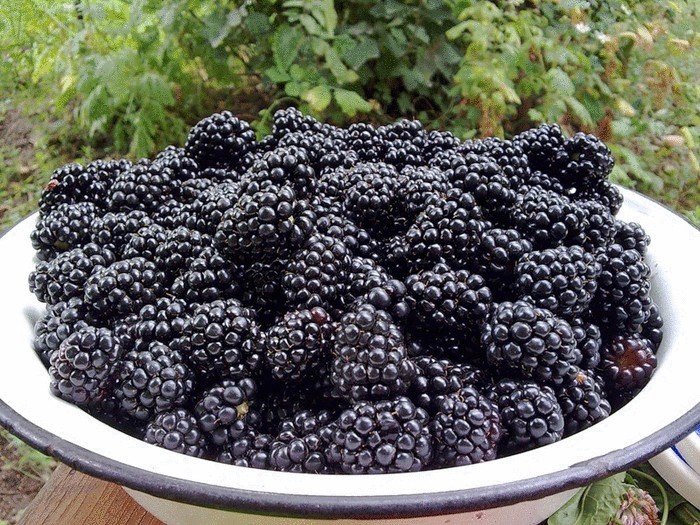
What are the best qualities of these two plants that this hybrid berry combines? The qualities of blackberries include abundant, full-bodied fruit and ease of care, while the qualities of raspberries include a rich berry aroma and increased frost resistance.
The analogue of this variety is considered to be a hybrid of raspberry and strawberry (raspberry, black strawberry).
Blackberries are characterized by a sweet taste with a pronounced sourness, with the flavor of both berries of the parent species.
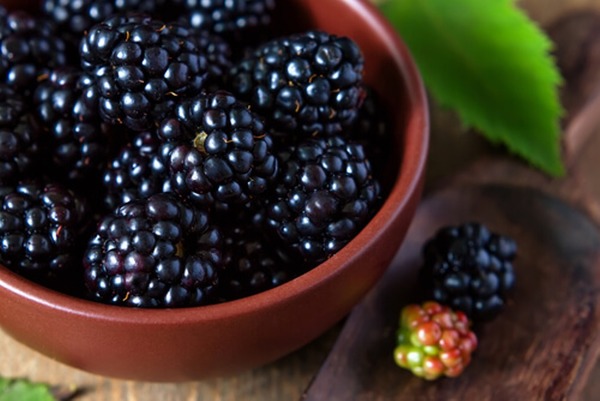
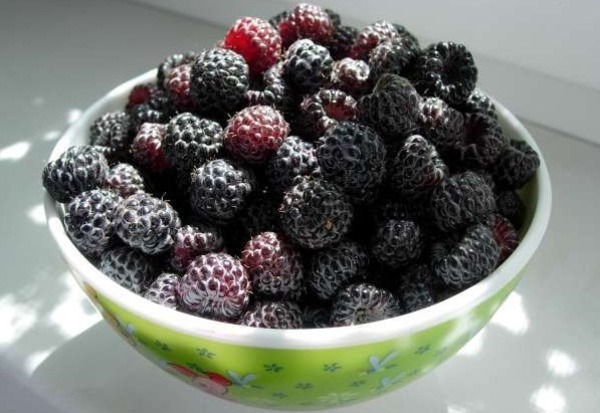
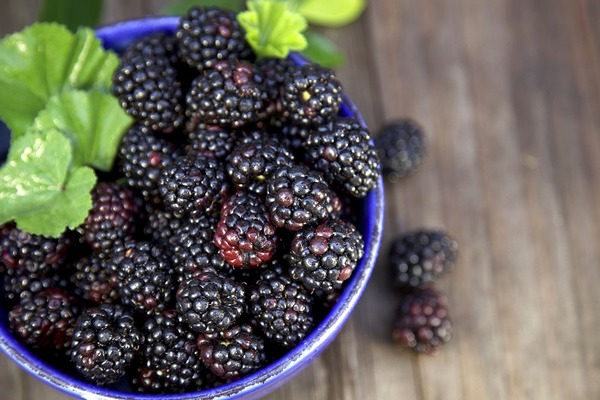
Most varieties of black raspberries that produce large berries were developed using modern raspberry-blackberry hybrids. These hybrids produce numerous branched clusters on the bushes, similar to blackberries, but lack the winter hardiness of raspberry varieties. Black raspberries differ from blackberries. Traditional and black raspberry varieties ripen in July, although the harvest time can vary depending on weather and geographic location. Blackberries, no matter how early they ripen, ripen later than raspberries. For this reason, mid-late and late varieties are grown exclusively in southern regions, where the fruit can fully ripen before the first frost.
Video "Description"
From the video you will learn a lot of new and interesting things about this type of berry.
Blackberry varieties
The hybrid berry crop, blackberry, can be more similar to raspberry or blackberry, and the weight depends on whose properties the plant inherited to a greater extent from the parent species during selection.
Blackberries are characterized by excellent flavor, and when crossed with raspberries, the berries acquired an even more delicious aroma. Thus, the berry hybrid incorporates the best flavors of both varieties.
The best varieties of this variety are considered to be: Loganberry, Boysenberry, Tayberry, Sylvan, Cumberland, Texas, Tummenberry, Yaig, and Marion. Almost all varieties are of American origin.
Loganberry
This popular berry, bred in the USA, combines hybrid traits. Its characteristics include a medium-vigorous bush with creeping, gray-green, thornless shoots. Early in the growing season, shoot production is weak, but with age, the bush becomes more active and produces more shoots. The fruits are dark burgundy when ripe, elongated and full-bodied, weighing up to 10 grams. The flavor is sweet, honeyed, with a hint of strawberry. This variety ripens early. The berries ripen from late summer until the first frost. Yields are around 9 kg per bush. Propagation is by rooting the tips of first-year shoots that have already developed woodiness.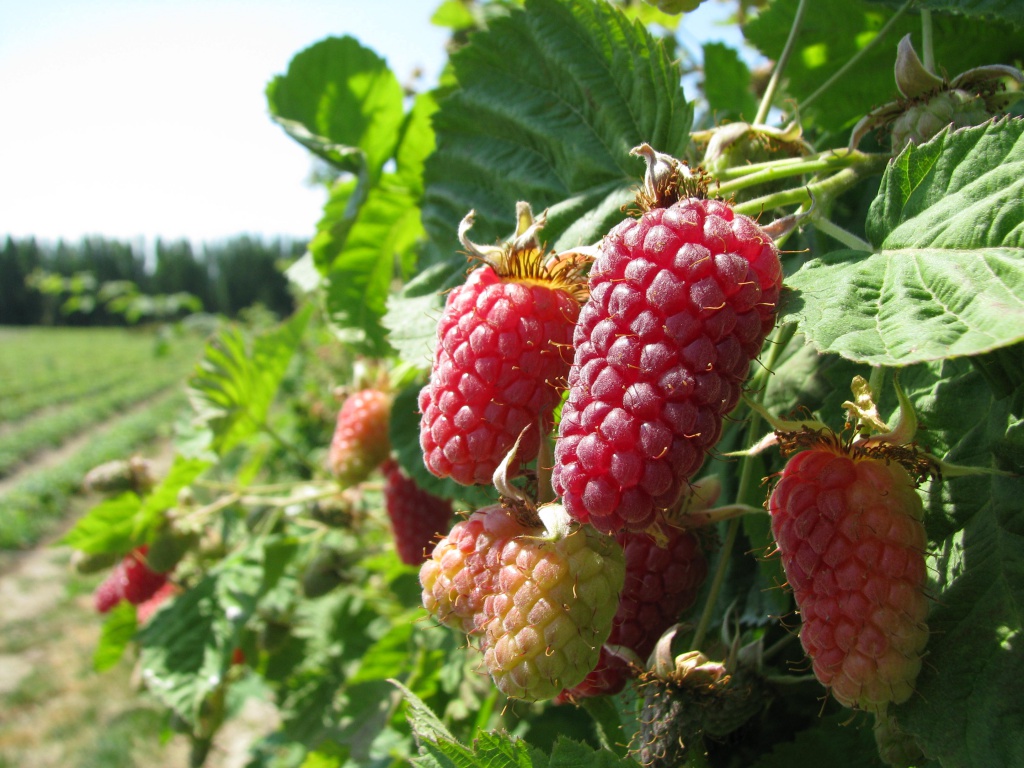
When planting, maintain a 1-meter spacing between shrubs and a 1.5-2-meter spacing between rows. The plant requires a trellis at least 1.8 meters high. After planting, it requires pruning to 25 cm from ground level, abundant watering, and mulching.
Berries are a storehouse of beneficial organic components: antioxidants, vitamins (A, C, folate), microelements (iron, magnesium, phosphorus), etc. To ensure the health benefits of these berries, they are preserved for the winter: dried, made into jams, sorbets, preserves, compotes, and preserves.
Boysenberry
This American hybrid is the most famous of the blackberries. The bush's appearance is very similar to that of a creeping blackberry. The bushes bear large white flowers. Currently, it is available in two subspecies: thornless and thornless.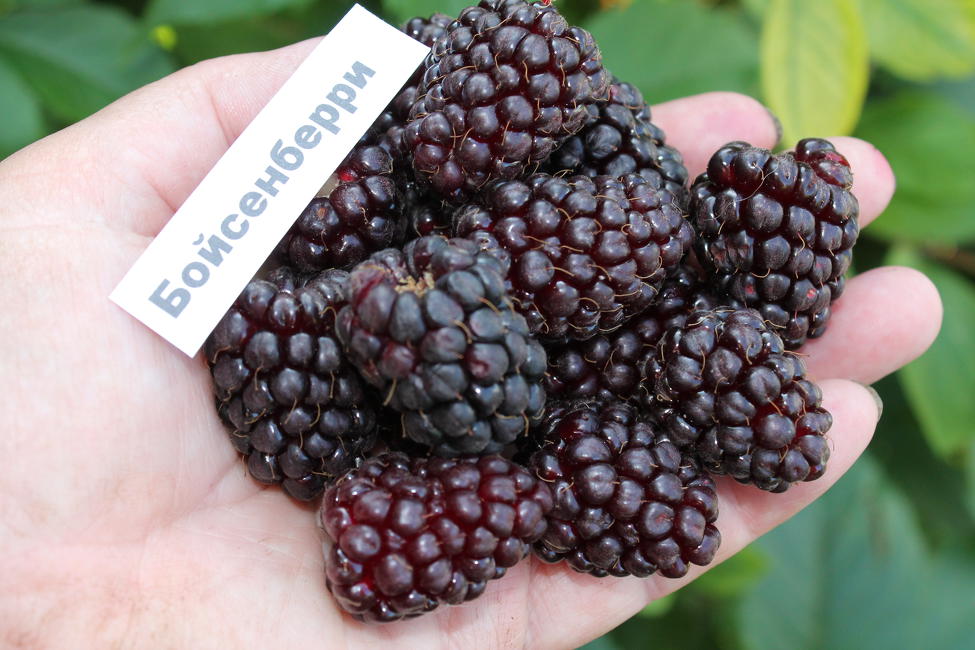
The fruits are large, oval, and burgundy-chocolate in color. The flavor is sweet and sour, with a predominantly blackberry note. It bears fruit in late July and August. In winter, the branches are laid to the ground; it tolerates low temperatures without problems. In spring, it requires staking.
Tayberry
The raspberry-blackberry hybrid Tayberry produces large, long berries, reaching up to 6.5 cm in length, with a deep crimson color. Yields are high, with yields reaching up to 9 tons per hectare. Tayberry bushes bear fruit for a long time, beginning in mid-summer. Tayberry is a branchy shrub with strong branches, growing up to 2.5 m, requiring support and tying.
When propagating, the following problem may arise: there are virtually no root suckers. Because of this, propagation is primarily by root cuttings or aerial buds.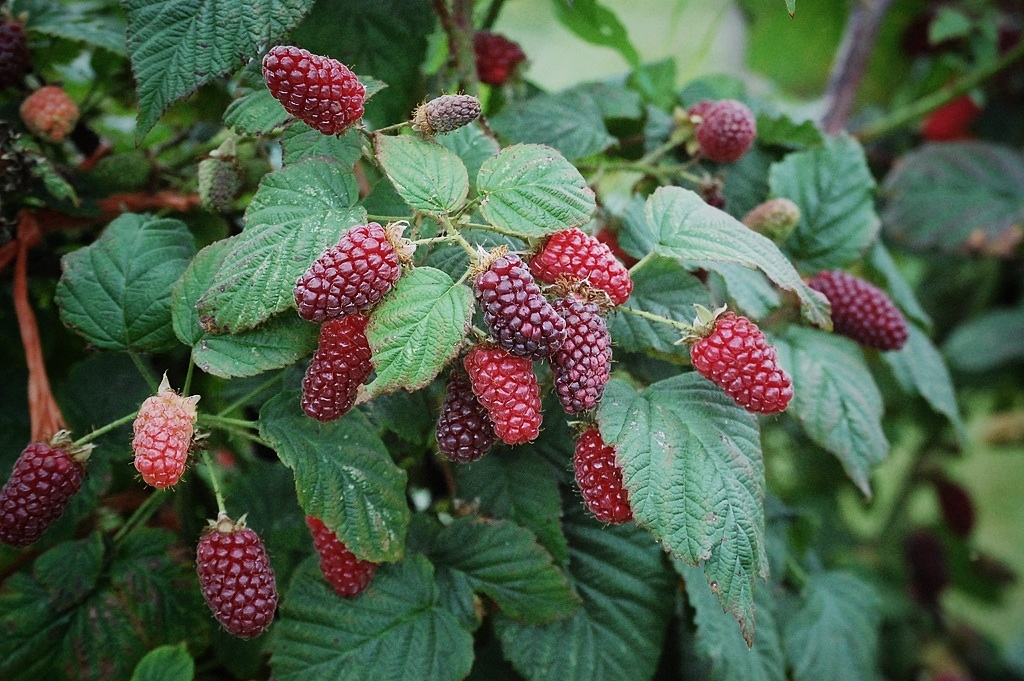
Resistance to diseases and pests is high. This variety's development period lasts two years. In the first year, buds form on the plant, and in the second, fruiting begins, with the gradual death of older shoots. During this time, the crown of the bush is trained to facilitate care and berry picking. Typically, the bush is trained in a fan-shaped pattern.
Sylvan
A high-yielding hybrid variety with early-ripening berries. When picked early, the berries are scarlet, while those picked later reach a dark, almost black hue. The harvest consists of large, oval berries, weighing up to 13 g, growing in clusters of 10-15. Silvan is considered the best-tasting of all berry hybrids. Yields up to 5 kg per bush. When picked, ripe berries have a rich aroma and a sweet aftertaste. The shrub has creeping, thorny shoots.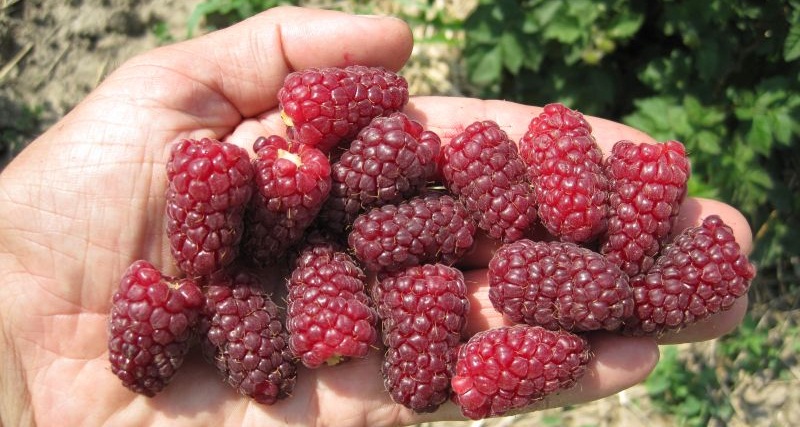
Cumberland
A hybrid variety with black-blue fruits and a glossy surface. The flavor is aromatic, honey-like, and firm, and it transports well.
Considered the most proven and winter-hardy variety of black raspberry, it boasts very high disease resistance and does not clutter the garden because it does not produce suckers. Ripening time is average. The bush grows 1.5–2 m tall with thick, curved, hairless, heavily thorny shoots with a thick waxy coating.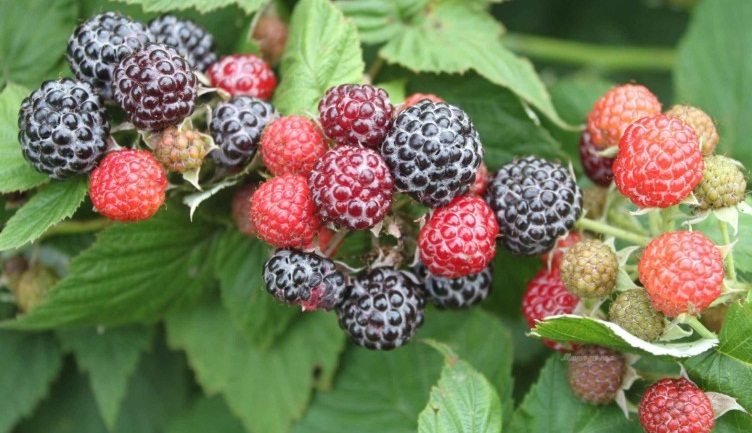
This plant is a winter-hardy, perennial subshrub that produces high yields under proper agricultural practices. It typically grows in the same plot for over 15 years, but bears fruit abundantly for the first 12 years.
This variety is distinguished by its long flowering period and good yield. Even during severe frosts, the bushes can be left uncovered. However, black raspberries aren't ideal: the berries have many seeds, the shoots are overgrown with thorns, and the bushes are very dense.
Cumberland raspberries are eaten fresh and prepared for winter in the form of frozen berries, jams, preserves, and juices.
Growing
Raspberry-blackberry hybrids are valuable plants; they are more productive, producing significantly larger fruits than their parent crops. Due to these characteristics, many gardeners grow them in their gardens.
Hybrid berry crops are propagated by root cuttings and root suckers. Growing using root cuttings is considered more effective. For this purpose, roots measuring 5-7 mm are dug up in early spring and cut to lengths of 10-15 cm. The planting material is then planted in holes.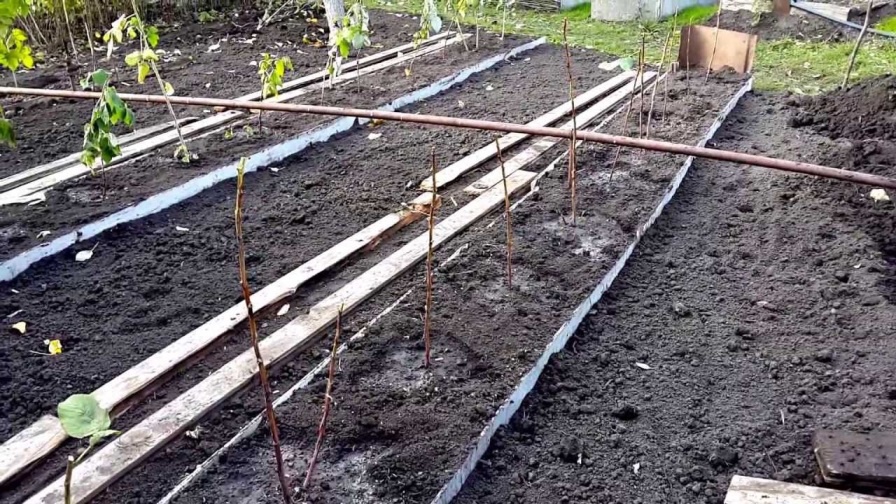
A simpler cultivation method is to root shoots from one-year-old canes up to 35 cm tall. The shoots are rooted in August. The ends of the shoots are placed in holes 20-25 cm deep and covered with soil. Each shoot will produce 3-4 young seedlings in the spring, ready for planting in the main plot.
Plant in well-lit areas, using a 40x40x40 cm grid pattern. Add humus mixed with soil. It requires a trellis; in summer, it produces many new replacement shoots. The best time for planting is October, and in southern regions, late October.
Care
The tops of the plants are pinched when they reach 2.5 m in length. Once the base of the bush has strengthened, lateral shoots will begin to mature and are distributed along the lower part of the trellis.
Many berries have a prolonged fruiting period, with harvesting lasting until late autumn. Fruit-bearing shoots are cut back to the ground in the fall, and the young shoots are placed on a trellis.
In early summer, apply urea and feed with nettle or cow manure infusions. Nitrogen fertilizers can be added to boost plant growth. In regions with snowless winters, mulching is recommended.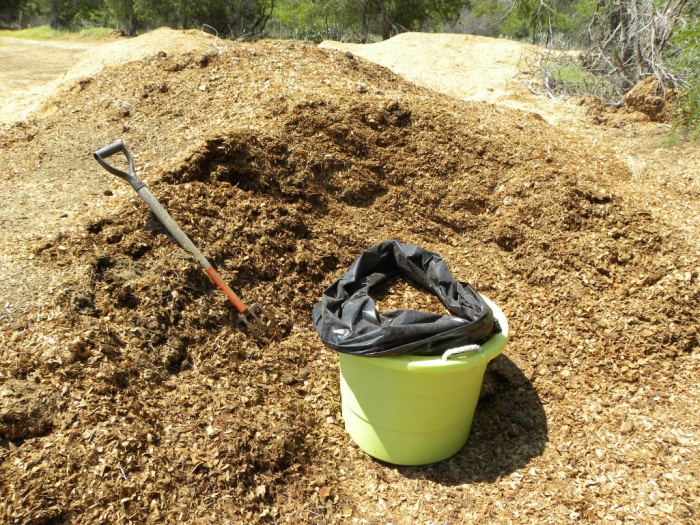
Since blackberries are not prone to rotting, they are also protected from frost by covering them with humus, sawdust, hay, straw, etc.
Video "Leaving"
From the video you will learn how to care for blackberries.