
Raspberry 'Joan Jay': Description and Benefits of Growing the Variety
Content
Description of the variety
All European gardeners are ready to support our specialists. But few are familiar with this variety, and that's not surprising, as it's relatively new. Perhaps it's time to get to know and appreciate this promising creation of renowned Scottish breeder Derek Jennings. He created this variety by crossing its parent pair, "Joan Squire" and "Terri-Louise."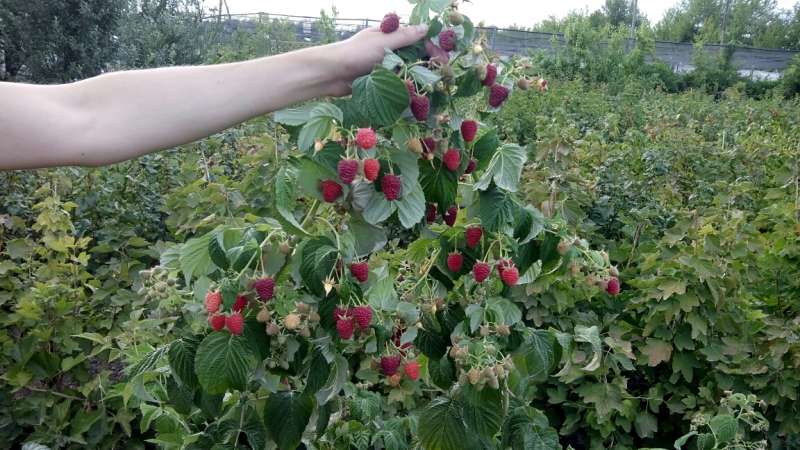
The couple's offspring turned out to be a success. Among autumn varieties, this one breaks yield records, yielding 6-8 kg of fragrant and juicy berries per bush. Among everbearing varieties, it's the most delicious. Descriptions fail to capture the delicate aroma of the large fruits and their remarkable flavor. They reach 8 g. This variety begins bearing fruit in late July. The berries are definitely ripe when they are completely and uniformly crimson.
And it seems, dear gardeners, that the Scottish breeder had you in mind when creating this variety. Judge for yourself: the bushes are completely thornless! They branch well, grow up to 1.5 meters, and are resilient and strong. However, they will still need to be tied up; they bend under the weight of a bountiful harvest.
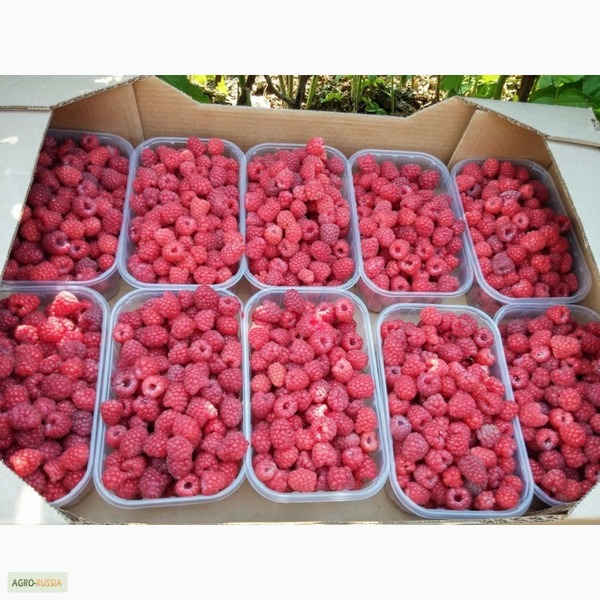
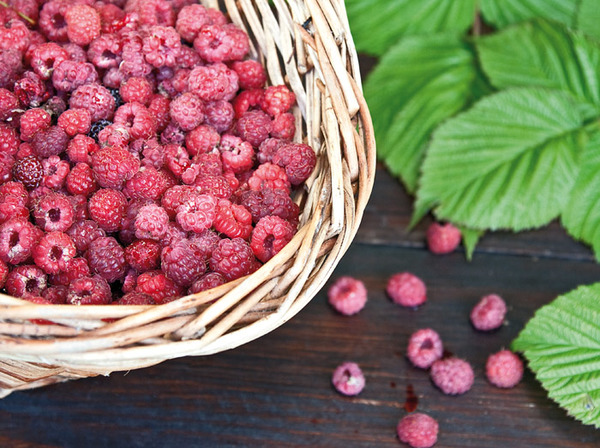
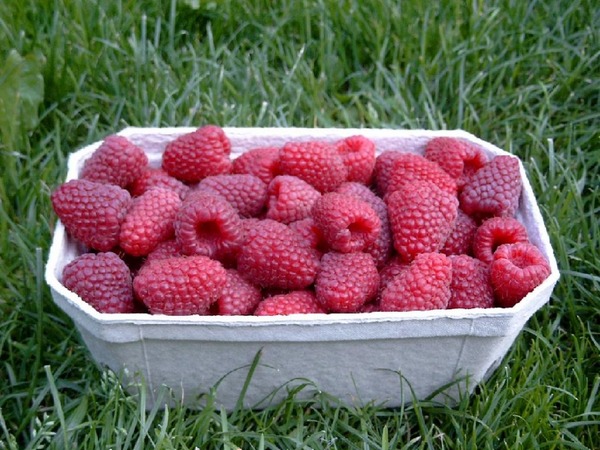
The Joan G raspberry variety (not quite the correct name) will reward you generously for your care, bearing fruit until the first frost. The delicate berries are not suitable for commercial cultivation. However, they withstand transportation from the garden perfectly and are heat-resistant. An ideal choice for the garden plot!
Video "Description"
From the video you will learn a lot of interesting things about this variety.
Landing rules
This variety doesn't require any special planting techniques. Of course, you need to choose a well-lit location. The Joan J raspberry, like all its relatives, thrives in full sun. The distance between planting holes is 50-70 cm. The distance between rows is 1.5-2 m.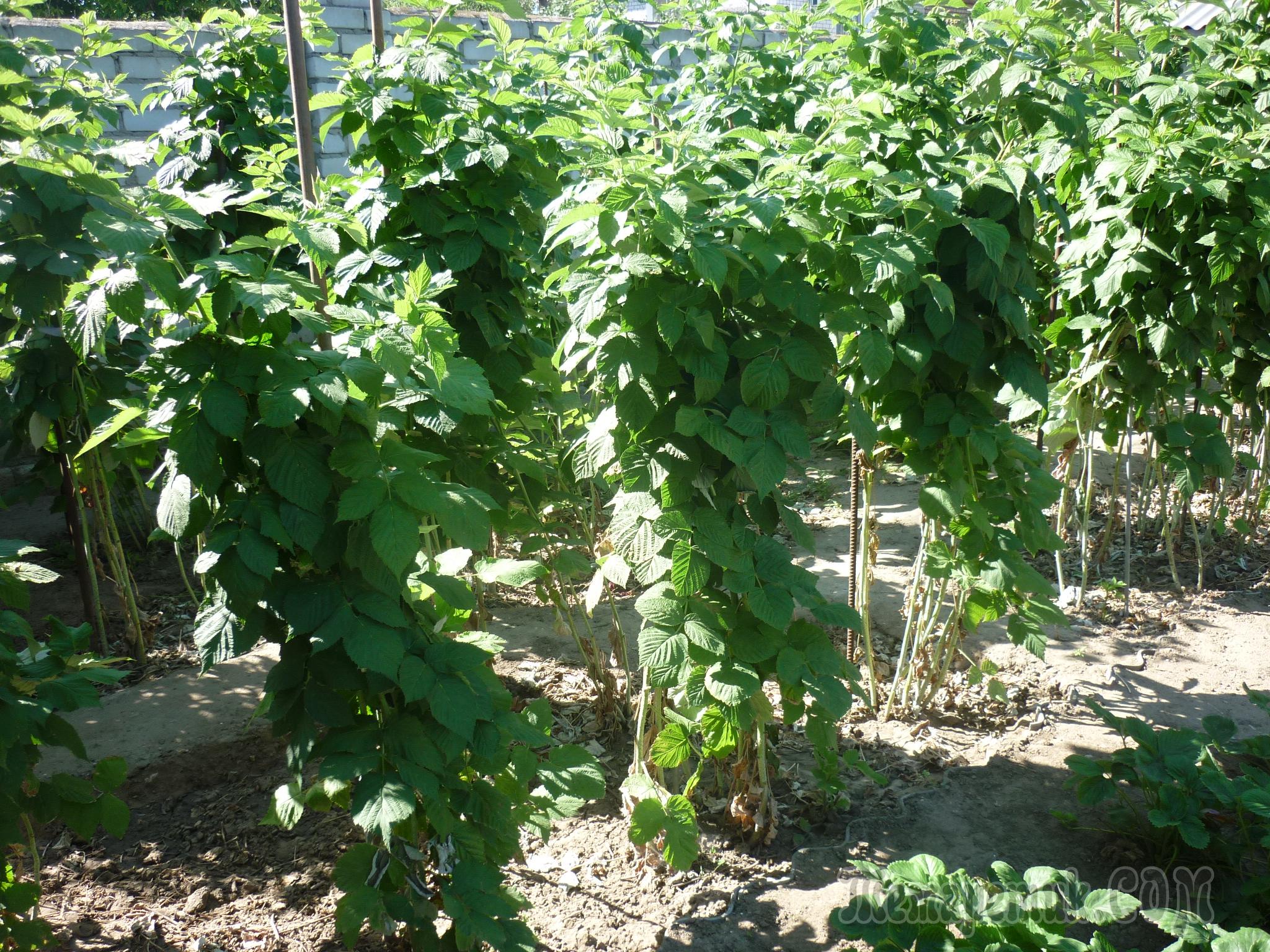
The technology is the most common:
- dig a planting hole;
- add half a bucket of good quality humus;
- place seedlings in the planting hole;
- sprinkle the seedlings with soil up to the root collar.
That's all there is to it. Just keep in mind that each bush will produce up to 15 shoots, so prepare some support. 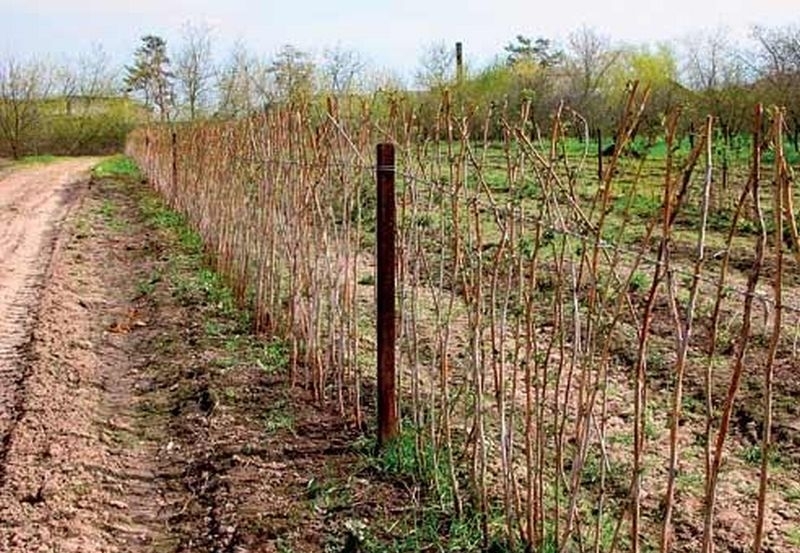 It is convenient and effective to use galvanized wire trellis:
- wire diameter – 4-5 m;
- distance between posts – 4 m;
- wire attachment height: 0.75 and 1 m.
Growing recommendations
To obtain the harvest the breeder intended for, you need to follow certain rules. They're not all that complicated. The Joan G raspberry isn't particularly fussy.
The first thing to remember when planting is that Joan Jay is a sun-loving plant. Therefore, choose a location with plenty of light.
This variety is drought-tolerant. If you happen to go a couple of weeks without watering your raspberry patch, don't worry—that's acceptable. However, it's best to keep the soil consistently moist. Be especially mindful of watering in the summer. During this time, raspberries require 2-3 buckets of water per linear meter of planting. Joan J also requires loosening the soil or mulching.
Of course, raspberries require organic fertilizers:
- manure and compost, ash (diluted and dry) are well suited;
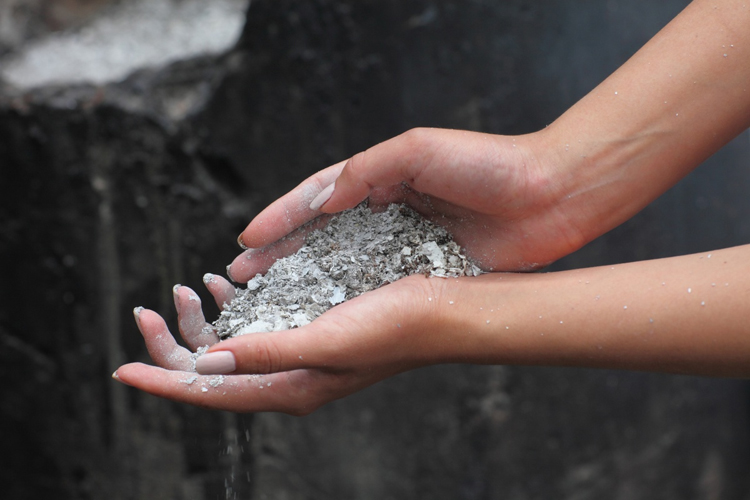
- time for fertilization – autumn or early spring;
- up to 5 kg of fertilizers are required per 1 sq. m;
- Once a year (in spring) you need to fertilize with urea or ammonium nitrate (30 g per 1 sq. m);
- Phosphorus fertilizers are applied every 2 years.
To protect the berry from parasites, four sprayings will be required during the season.
The John Jay raspberry (sometimes mistakenly called that) grows quite vigorously, and needs to be monitored. Overgrown bushes will reduce the yield. In the fall, fruiting shoots should be removed at the roots. The bushes should be covered for the winter.
Advantages and disadvantages
Joan Jay is a variety that will make you rethink your raspberry yield. The abundance of fruit (and, of course, their excellent flavor) is one of the variety's most obvious advantages. The beautiful berries are easy to pick from the bush, and the thorns don't interfere. The thornlessness is also a definite plus.
The variety is highly disease-resistant. Thrifty growers will also appreciate the abundant supply of shoots for propagation.
Firm berries don't run. The Joan Jay raspberry variety is perfect for enjoying fresh, making jam, and freezing.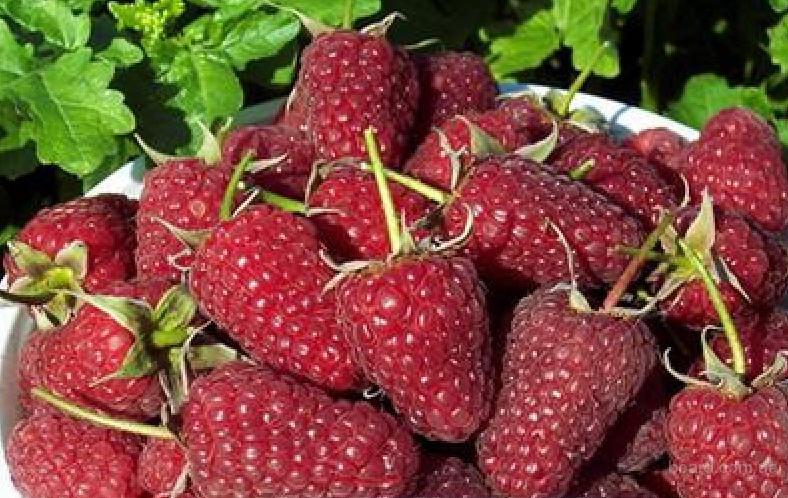
However, this variety does have some peculiarities that must be taken into account to fully enjoy the berries' flavor. First of all, remember the relatively late onset of fruiting. This means that in climates that are not warm enough or sunny enough, some of the fruit may simply not have time to ripen.
Some gardeners note that Joan Jay tends to ripen quickly, meaning it's important to have time to harvest.
We also consider the costs of a bountiful harvest. This necessitates the installation of trellises. They will support the branches laden with a multitude of beautiful and fragrant berries.
Video "Leaving"
This video will show you how to properly care for raspberry bushes.