
Black raspberries – growing and care features
Content
Description of the culture and its beneficial properties
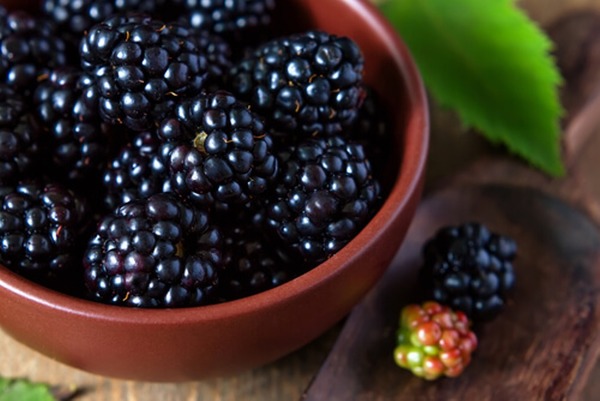
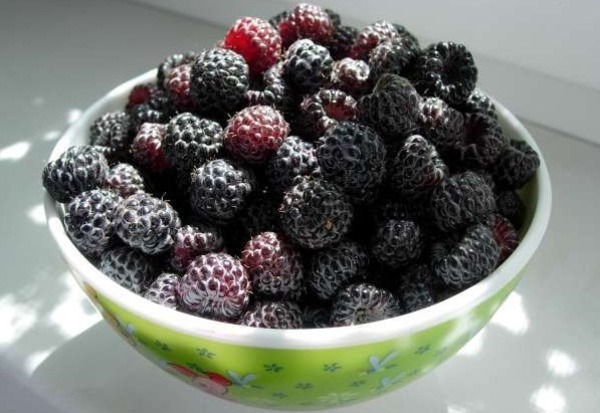
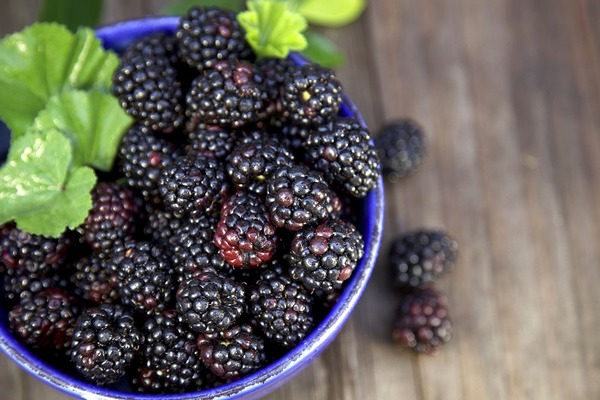
Raspberry is a shrub in the genus Rosaceae, with over 120 varieties, whose berries come in red, yellow, or jet-black colors. Black raspberries are also called blackberries due to their resemblance to blackberries. blackberry-like.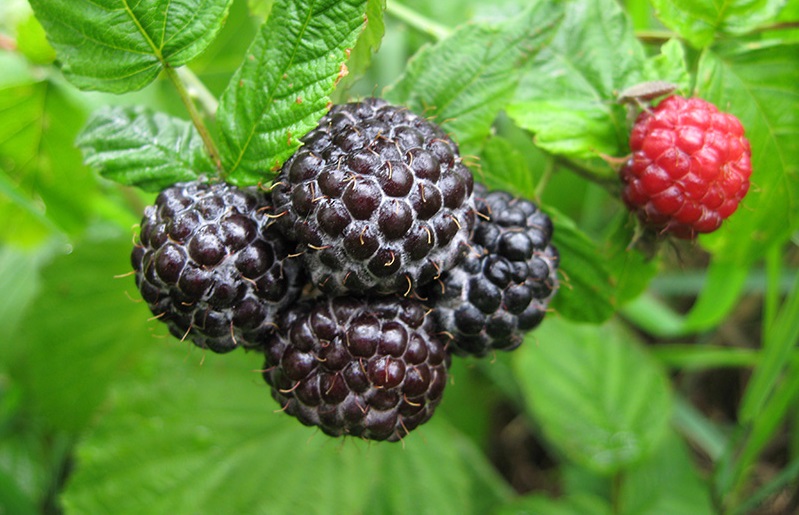
Black raspberries and blackberries are different berries. Unlike blackberries, ripe raspberries resemble a juicy thimble, attached to a thick stem and easily detached during picking. The berry's color can range from scarlet to red and bright orange; black and yellow raspberries have recently become increasingly popular. Blackberries are distinguished during picking and are not picked. from the axis, and each fruit can be picked from receptacle, which grows to the rest of the berry.
It tastes like black raspberries honey-sweet, without sourness, have a dense texture, which makes them easy to transport over long distances.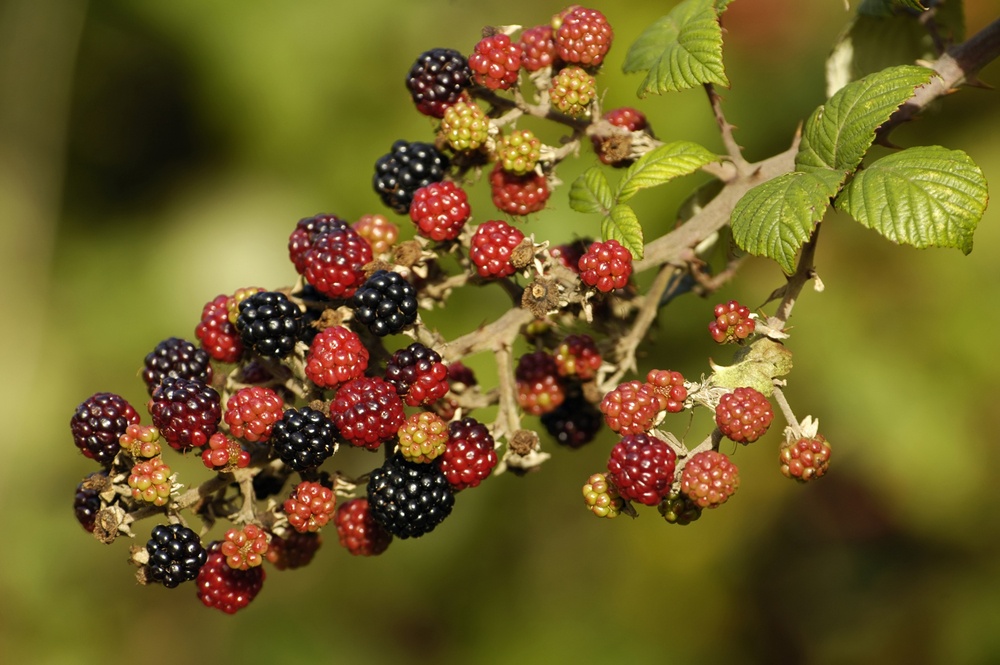
In terms of composition, black raspberries are the leader among antioxidant berries, the abundance of P-active compounds prolongs the youth of the body's cells, protecting against the formation of cancer cells.
Video: "What is black raspberry?"
In this video you will find out what this unusual berry is.
What are the advantages?
Black raspberries are healthy to eat both fresh and frozen or dried, as these berries are a real vitamin and mineral a complex containing vitamins B1, B2, B5, B6, B9, PP, H, C, E, folic acid, boron, calcium, magnesium, potassium, copper, iodine, fluorine, while the caloric content of black raspberries is 70 kcal, which differs from red raspberries, the caloric content of which is 42 kcal per 100 grams.
Regular consumption of black raspberries has a beneficial effect on the body: the body's immune defense is increased, and it has an effect at the cellular level. antioxidant effect, improves the condition of anemia.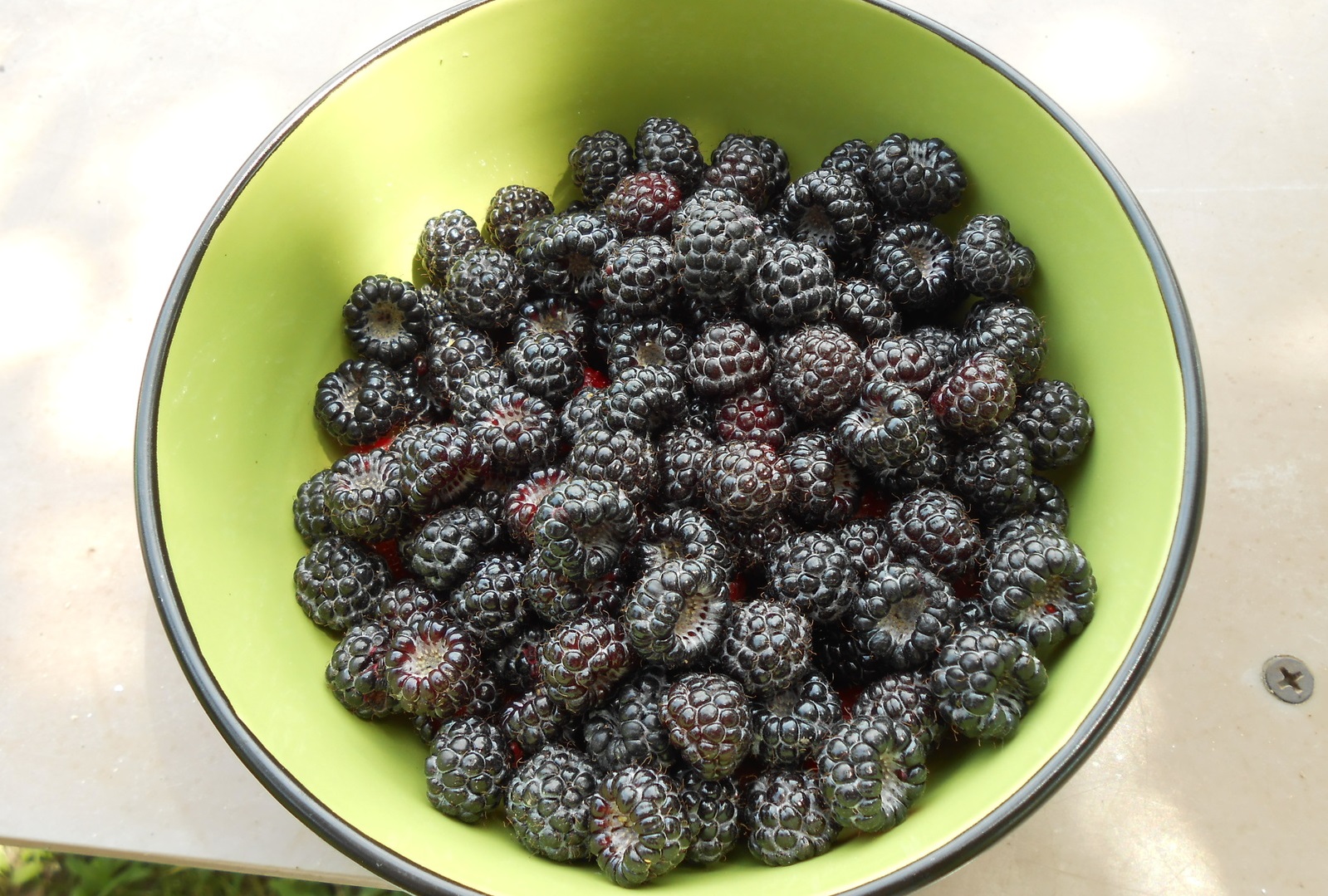
Black raspberries are indispensable for colds; the berry's incredibly rich vitamin C content has a strong diaphoretic effect on the body and helps intensively remove the breakdown products of viruses and microbes that cause colds.
Varieties of varieties
The most famous variety of black raspberry is CumberlandIts popularity stems from its robust growth habit, its surprisingly quick and easy adaptation to our climate, and, as a result, its high yield, up to 4 kg per bush. This variety is considered early ripening, producing firm, jet-black, glossy, round berries with a sweet, blackberry-like aftertaste. Cumberland It is frost-resistant and does not tolerate excessive moisture in the soil.
But this variety is not the only one; gardeners also love other varieties of black raspberries, such as: Britsol, Litach, Coal, Boysenberry.
Bristol is a high-yielding variety with a medium-sized bush and shoots up to 3 meters long. The berries are round, black-blue in color, with a blue bloom, and have a sweet, honey-like, and juicy flavor.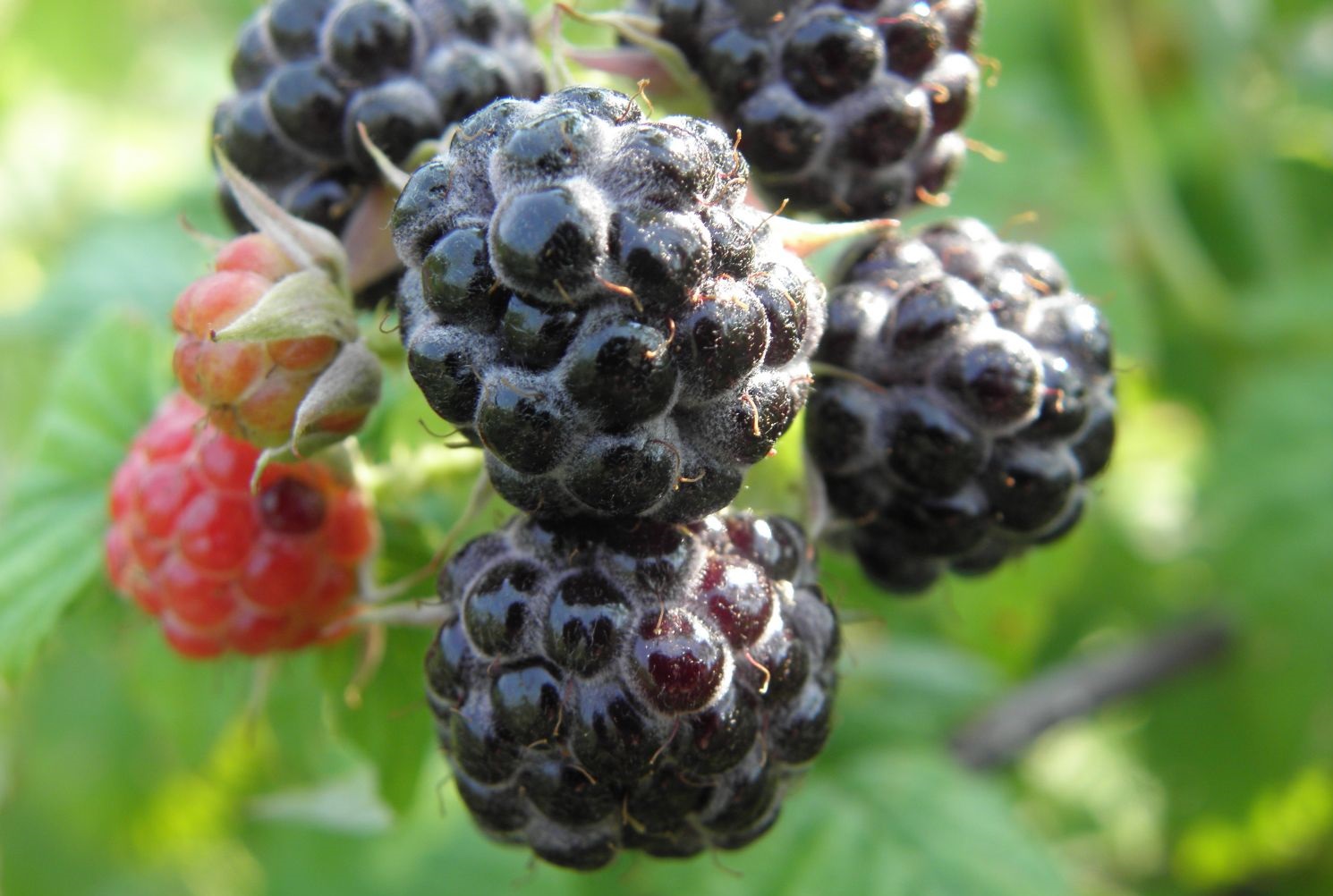
Litach – is an early variety, beginning to bear fruit in the third year. The bush is strong and vigorous, with large thorns and stiff, curved shoots. The berries are small, spherical, with a gray-blue bloom.
Ugolyok is also an early-ripening variety. It grows a medium-sized bush with arching shoots up to 2.5 meters long, each with small thorns. It produces a good yield, is highly disease- and frost-resistant, and produces juicy, sweet-and-tart berries.
Boysenberry — an early variety with a strong growth habit and long, thornless shoots up to 3 meters. The fruits are large, elongated, slightly oval, smooth, and shiny. The taste is sweet and juicy with a honey-like flavor. The plant is highly productive, winter-hardy, and disease-resistant.
Landing features
Black raspberries are easy to plant and care for, and if they take root easily, they will produce a bountiful harvest. To ensure that black raspberry bushes delight you with an abundance of berries, the primary factors are the location, soil quality, and subsequent care.
Black raspberries are typically planted in early spring, as this shrub has an early growth season. Because of this, many gardeners often plant in the fall. This option is suitable for areas that don't experience record-breaking winter frosts.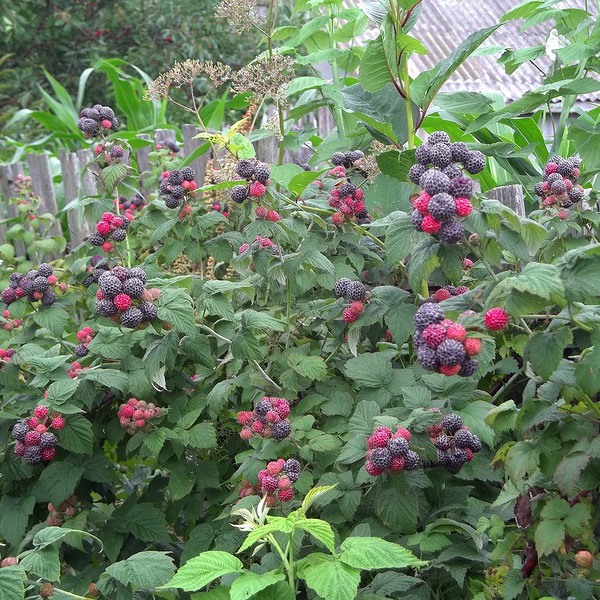
Before planting black raspberries, you need to choose a suitable location. This should be: not a shady place, without drafts, since cold winds and drafts have a negative effect on the plant.
When determining a site for planting black raspberries, an important factor is the history predecessor plants, which previously grew in the same soil. Plants of the nightshade family, such as tomatoes, potatoes, all types of peppers, and eggplants, are considered unsuitable for this purpose.
Red and yellow raspberry bushes are considered favorable neighbors for black raspberries.
The ideal distance between bushes is considered to be 80 cm, and the width between rows is at least two meters.
The depth of the hole for planting the bush should be at least 50 cm, and the width – 40-50 cm.
To help the plant establish and root more easily, mix wood ash and compost in a 1:1 ratio. Fill the planting hole halfway with the resulting mixture. Then, generously water the hole and, while straightening the roots, place the black raspberry seedling. Until all the water has been absorbed, fill the hole with soil mixed with sand and water again. It's important to adhere to these planting parameters so that the plant will grow well, receive ample ventilation, warm up in the sun, and, importantly, prevent the bushes from becoming too dense.plants, each of them will be evenly blown by the wind and warmed by the sun.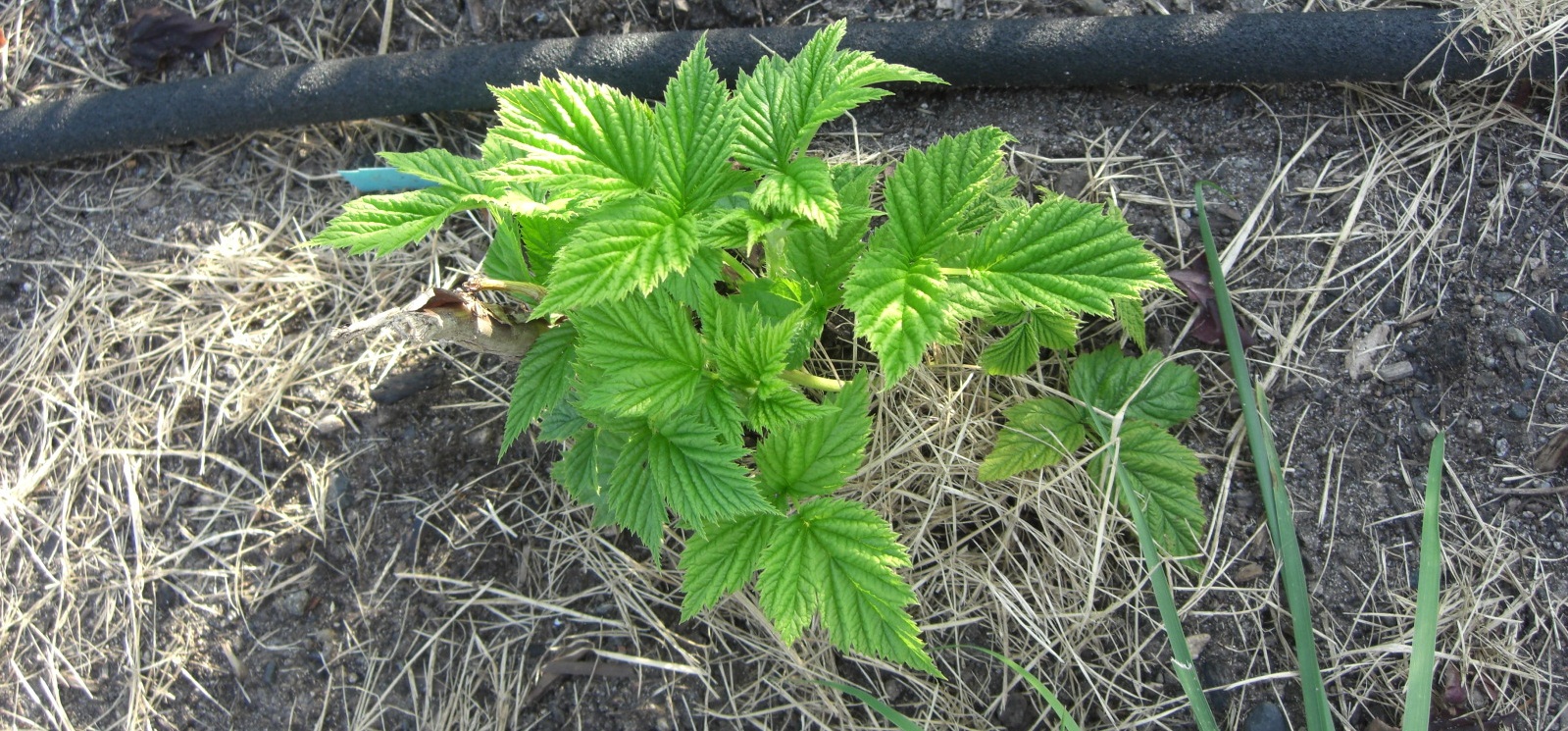
High-quality soil is also one of the key requirements for successfully planting black raspberry bushes. The soil in which the plant will be planted must be fertile, nutritious, and rich in minerals and nutrients.
Reproduction
Black raspberries are propagated by layering. To prepare the seedlings, bend them toward the ground in an arc at the end of August, just when the branches are at their fullest height. To do this, dig small trenches about 10 cm deep. The shoots are bent into these trenches, secured, and covered with soil. Before winterizing, the layerings are covered with sawdust. Rooted layerings should be separated from the bush in the spring and planted separately.
Care
Care Caring for black raspberries involves simple steps familiar to any gardener: mulching the soil, watering moderately, tying up the raspberry branches, pruning the branches, fertilizing the plant in a timely manner, preparing the plant for winter, protecting the bush from pests and preventing diseases.
Mulching, a term familiar to every gardener, is the process of covering the soil under the bush with chopped hay or straw, sawdust, peat or manure after planting.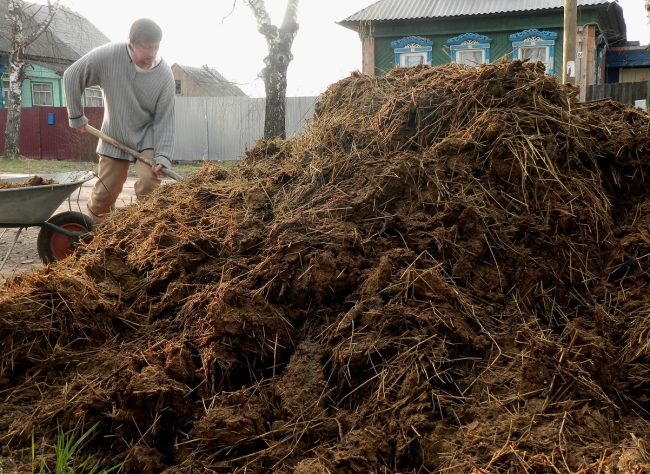
One of the most important factors in caring for black raspberries to achieve maximum yield is watering. Raspberries don't require frequent watering and tolerate summer heat well. Only during ripening do the bushes require ample watering. This will result in significantly larger berries and increased yield. Drip irrigation is the optimal irrigation method for black raspberries.
Because the shrub's stems are thin and grow rapidly upward, sometimes reaching up to 2 meters, they need to be tied up periodically. Fences and trellises are used as supports.
Trellis - support, which is easy to do: dig in two posts at the beginning and end of a row of black raspberries until they are completely stable, and stretch a strong wire between them, to which and the stems of the plant will be attached.
Pruning is an essential part of bush care. It's necessary to ensure the plant doesn't waste energy on the growth of young, unneeded shoots, remains strong and healthy, and produces large, juicy berries. To achieve this, pruning should be done twice a year: in midsummer and in the fall, before the cold weather sets in. Summer and fall pruning differ, so it's important to know how to prune black raspberry bushes. Summer pruning is done to increase yield. shortened shoot at the growth point, from this place next season new young shoots will grow, from which you can collect a generous harvest.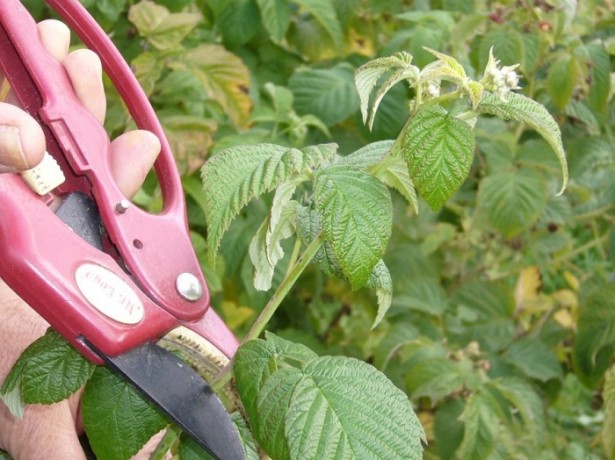
Raspberries are pruned in the fall to remove dry and old branches, and overly long shoots are shortened, thus preparing the bush for winter.
Protection from diseases and pests
One of the most dangerous diseases of black raspberries is verticillium Wilting. Since it's incurable, prevention is key. Preventative measures include planting healthy plants, observing all necessary planting conditions, not digging the soil under the bush, and ensuring proper soil drainage.
Heavy summer rainfall or poor drainage can cause fungal infections. To prevent this, spray the bushes with copper-based products. I also use universal insecticides for preventative purposes.
The main pest of black raspberries is the raspberry beetle, which can be controlled by treating the plant with a solution nitrafen 2%. This procedure must be done in early spring, before the buds appear.
Once flower buds have appeared on the black raspberry bushes, spray the plants again with an infusion of wormwood and marigold (200 grams of each herb, steeped in 10 liters of water). Before applying the herbal infusions, mix the two herbs and apply them to the bushes.
Black raspberries are an easy-to-care-for shrub that can become a focal point of any garden, delighting owners with incredibly healthy and delicious berries and bountiful harvests, provided proper care and adherence to the recommended guidelines are followed. This will ensure minimal hassle and maximum benefit from the plant.
Video "Cumberland Variety"
This video will tell you about the pros and cons, care, and cultivation of Cumberland raspberries.