
Caring for remontant raspberries in autumn and proper preparation for winter
Content
Care
With the arrival of autumn, everbearing raspberries continue to produce and bear fruit. It's important to keep in mind that caring for this variety of raspberry bushes and preparing them for winter will take place much later. Therefore, it's important to know how to care for everbearing raspberries to avoid harming the bush and, on the contrary, to increase next year's harvest productivity.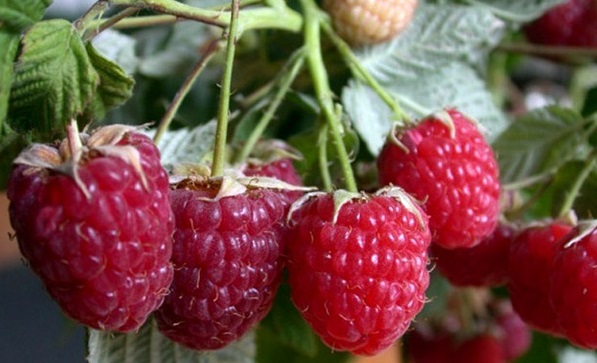
Planting and caring for raspberries in the fall varies depending on whether you plan to harvest multiple crops during the season. In the fall, everbearing raspberry canes that are not producing fruit should be removed.
But it is important to remember that newly planted plants are not cut back completely, but rather a stem approximately 20 cm long is left, thanks to which the seedling will accumulate nutrients for the next season.
Complete pruning of raspberries in the fall is done the following year, once the plant has established roots. At this time, well-rooted cuttings should be replanted.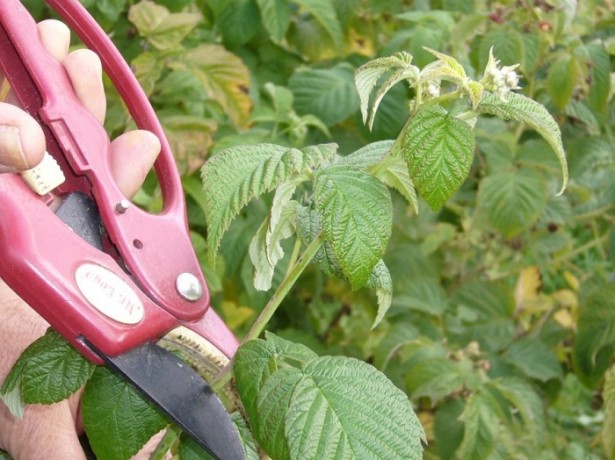
Autumn care for raspberries involves not only pruning cuttings and bushes, but also preparing the soil: watering and fertilizing.
Video: "Caring for Raspberries in the Fall and Preparing for Winter"
In this video, you'll learn how to properly care for raspberries in the fall and how to prepare the bush for winter.
Watering
Raspberry bushes thrive in moist soil, but overwatering is also bad. How do you properly water everbearing raspberry bushes?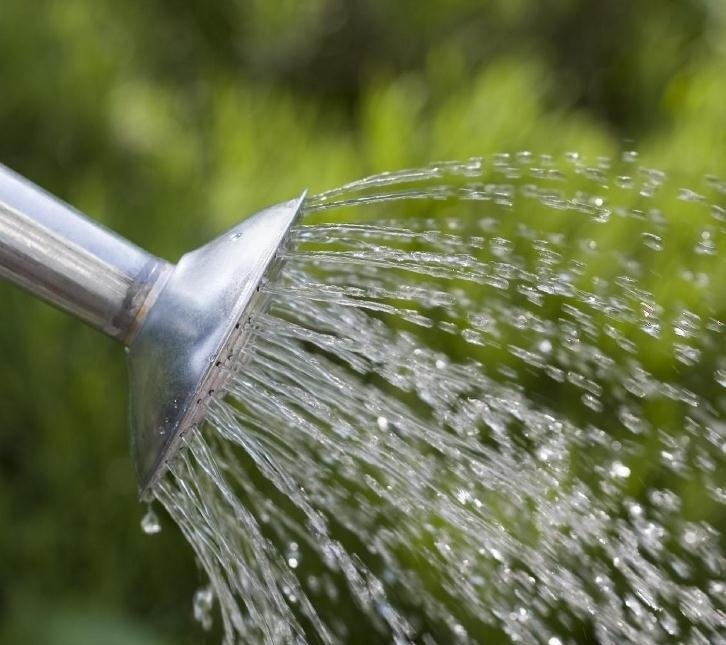
From mid-May until the berries ripen, the bush requires regular, abundant watering, 1 to 2 times a week. Otherwise, the shoots will become limp, and the berries will become dried out and small. It's important to keep watering even after rainfall, as the soil should remain moist to a depth of 10-12 cm.
Top dressing
Raspberries thrive and produce high yields when grown in rich, fertile organic soil.
It's recommended to plant everbearing raspberries in prepared, loose, and enriched soil. If you're unsure how to plant everbearing raspberries, you can use one of the most convenient and popular methods: planting them in a ribbon.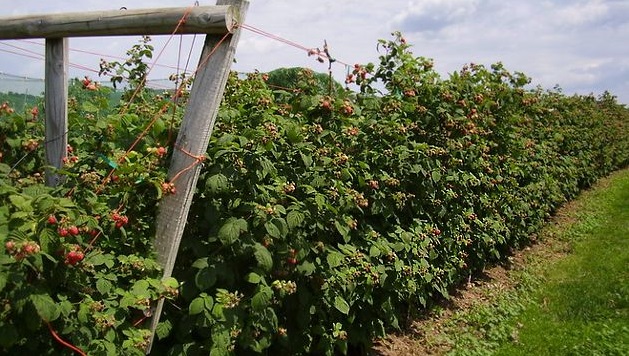
To do this, dig a shallow trench—30–40 cm deep and 40–50 cm wide. For each linear meter of planted seedlings, the soil brought to the surface by the dug trench is mixed with the following ingredients: approximately 3 buckets of humus or compost, 220 g of superphosphate, and 85 g of potassium salt or 650 g of wood ash. All ingredients are mixed with the soil, and the resulting mixture is sprinkled over the seedlings during planting.
This high-quality enrichment of the soil with mineral and organic fertilizers will provide the raspberry bush with the necessary nutrients for several years. The plants will quickly establish themselves, grow stronger, begin to expand, and eventually bear fruit abundantly.
If for some reason you had to plant seedlings in unprepared soil, you can rectify the situation and continue growing the bushes and harvesting a wonderful crop by applying organic fertilizer before winter. Therefore, for several years in a row, it's necessary to spread compost or rotted manure under and around the bushes in late autumn.
In spring, in May, raspberry bushes should be fed with a mullein infusion, prepared as follows: cow manure diluted with water at a ratio of 1:10. Chicken manure mixed with water at a ratio of 1:20 is also popular and effective. Raspberry bushes should be fed 2-3 times per season, with a recommended application rate of 3-5 liters of liquid manure solution per square meter.
Fertilizing should be done regularly, since this shrub is highly productive and requires numerous nutrients.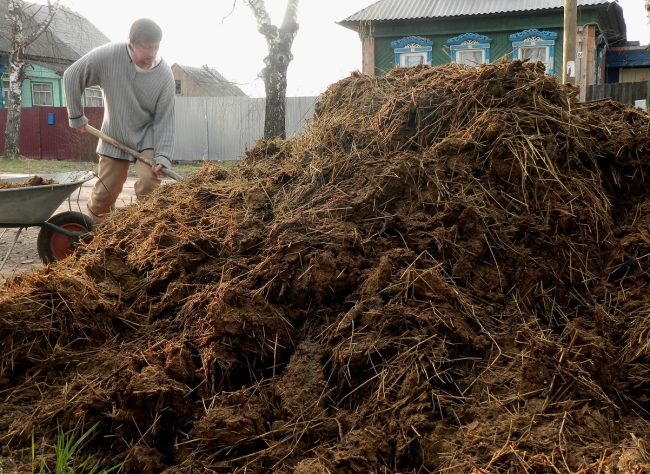
Organic fertilizers are great, but don't forget the importance of enriching the soil with minerals. Provided the soil was sufficiently enriched with mineral fertilizers when planting the raspberry bushes, the plants won't require additional mineral feeding. However, mineral deficiencies will be visible to the naked eye, based on the plants' appearance. For example, if raspberry leaves become small, their edges turn dark brown, and the tissue between the veins gradually dies, the plant has a potassium deficiency. A phosphorus deficiency will cause shoots to weaken and wilt, and the stems will turn dark purple and gradually die.
To fertilize the soil with potassium, use potassium magnesium sulfate or potassium sulfate. Phosphorus is added in the spring, along with fertilizers such as nitroammophoska (50-100 grams per square meter). Urea (20-40 grams), superphosphate (50-80 grams), and potash fertilizers (20-40 grams) per square meter of soil can also be used.
Everbearing raspberries require nitrogen, but nitrogen-containing fertilizers should be applied in the spring, as applying them in the fall can prolong the growing season, preventing the plant from properly preparing for winter. If, for some reason, mulching is not used, then spread compost under the raspberry bushes every two years at a rate of 5-6 kg per square meter.
In spring, raspberries require nitrogen, a mineral nutrient. Therefore, immediately after the snow melts, it's essential to apply urea at a rate of 40 grams per linear meter of trench. If, with this dosage, shoots reach a length of more than 2 meters, the nitrogen dose will need to be reduced starting next year.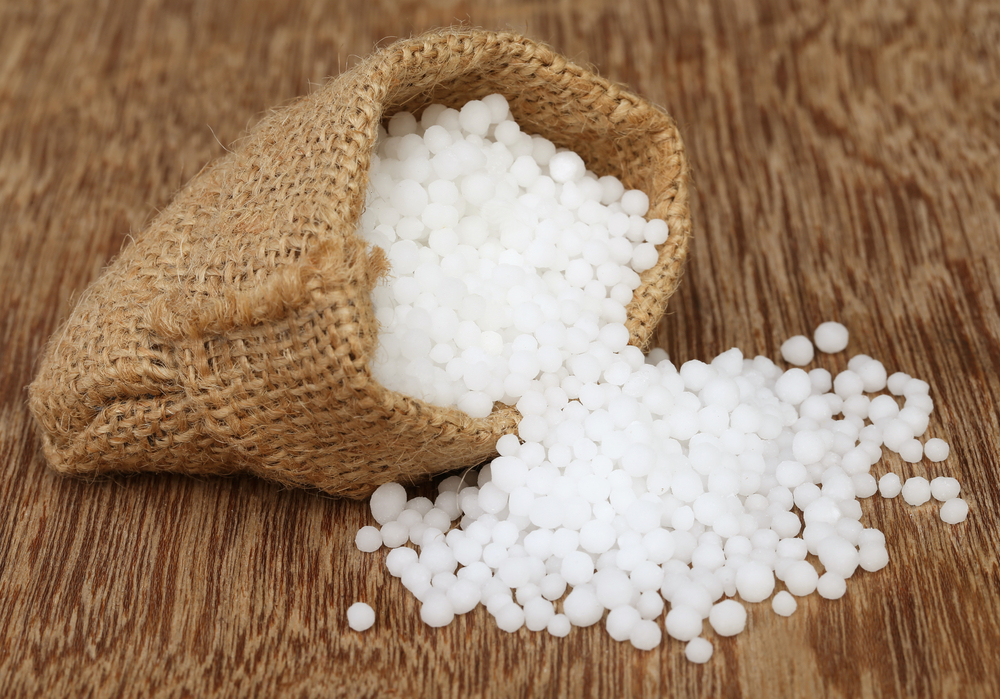
It's easy to tell if your raspberry bushes are doing well, are being fed, and aren't suffering from nutrient deficiencies. Just observe the plant. A well-fertilized, healthy, and vigorous raspberry bush should annually produce young, strong shoots up to two meters tall from the center of the plant, starting in its second year.
How to prune properly in the fall
Pruning bushes serves several purposes: removing all old, dry, and diseased branches. Most importantly, proper pruning significantly increases next year's harvest by helping shoots survive the winter frosts. Thinning also has a positive effect on the quality and size of the berries.
Preparing raspberries for winter begins in September or early October. These preparatory times are important, as a drop in temperature will prevent proper preparation.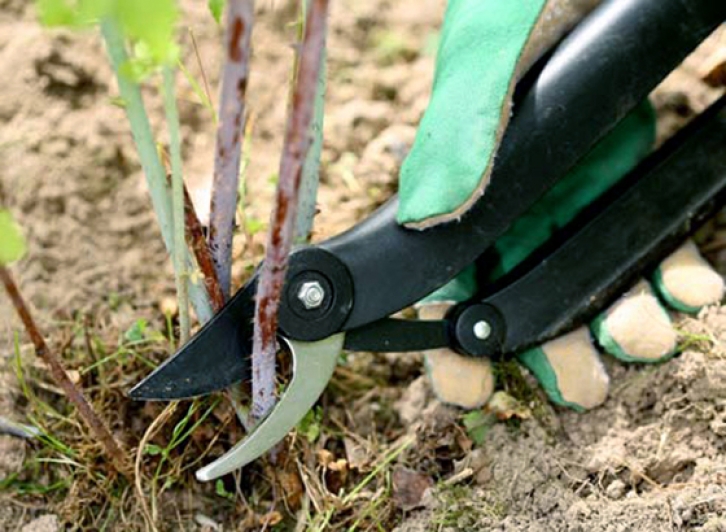
Experienced gardeners who grow everbearing raspberry varieties recommend cutting the bushes completely for the winter.
Every stem must be trimmed down to the very root. Even small stumps should not be left, as they can harbor various insect pests, which can settle there throughout the winter. Stems that are at least two years old should be pruned; they are easily distinguished by their dry, dark appearance. Broken, dry shoots, inward-growing shoots, and young, thin branches should also be removed.
In late autumn, after pruning, raspberry bushes should have 5 to 7 healthy, strong stems remaining for the winter. Careful thinning of raspberry bushes is one of the key steps in preparing them for a successful winter, ensuring they survive frosts well. After pruning, apply organic fertilizer (rotted manure works well) to the raspberry bushes and carefully till the soil.
Preparing for winter
Preparing raspberry patches for winter actually begins in the summer, with scheduled fertilization. It's important to maintain the correct dosage and frequency, and avoid overfeeding. Keep in mind that overdosing on nitrogen fertilizers significantly reduces the bush's frost resistance. The location of the raspberry patch is also important. It should be in a location with ample sunlight and, if possible, free of drafts. This will ensure strong shoots that will easily survive the winter. If the raspberry patch was covered with hay or straw, it should be cleared, as mice may nest there during the winter.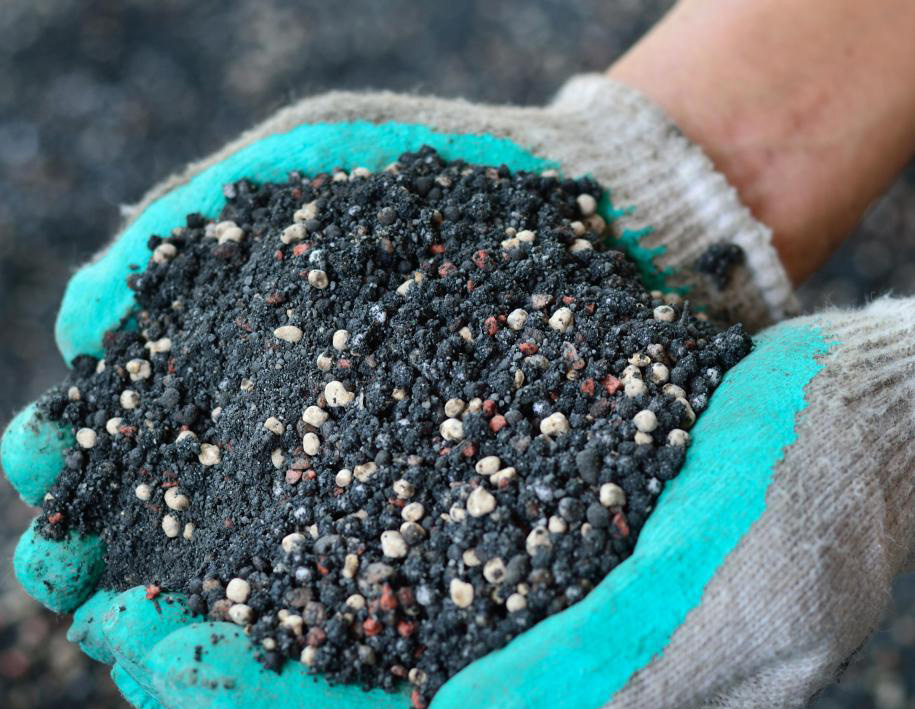
Raspberries are fairly frost-hardy, but severe frosts can destroy the bush. To avoid this, experienced gardeners prepare the bushes for winter by bending them down to the ground. Since nature itself provides the best shelter for shrubs and trees by generously covering everything with snow, a raspberry bush, located as close to the ground as possible, will be protected with the necessary cover when the snowy winter arrives. When bending and bending the shoots, ensure that all branches are completely covered with snow. When raspberry bushes are growing in a single row on a trellis, they should be bent over one another, secured to the bottom wire. This preparation should be done before the onset of sustained frost. During frost, the bush stems become less flexible, and there is a high risk of breaking them.
Before bending the branches of a shrub to the ground, remove any foliage. Otherwise, the leaves will become wet and rot, which can burn the young buds. Leaves can be easily removed from the stems by running your hand, wearing a kitchen glove, from the bottom up. This will quickly remove the leaves without damaging the flower buds.
That's all the key information you need to know about everbearing raspberries, their fall care, and preparation for winter. All that's left to do is wait for warmer weather and carefully loosen the bush's stems. The bushes should straighten themselves. Only after some time should you remove any stems that have broken or didn't survive the winter. Then, get ready to harvest.
Whether to harvest everbearing raspberries twice a year or once a year is a personal decision, considering the following factors: Harvesting twice a year will result in smaller berries. This is because the summer harvest significantly wears down the plant, causing the raspberries to ripen much later in the fall, and the berries themselves will be small and dry.
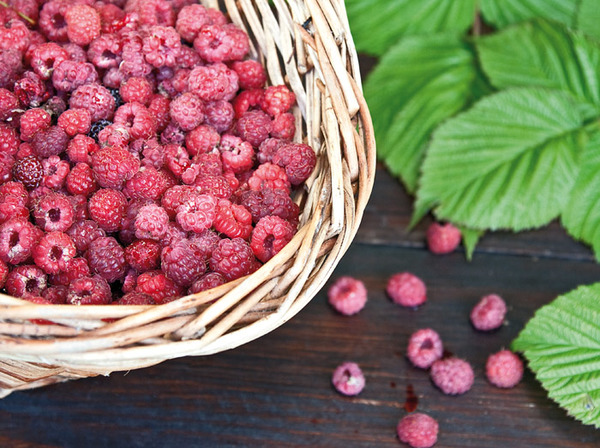
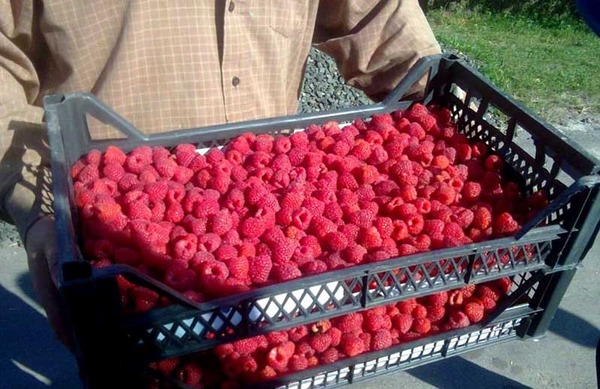
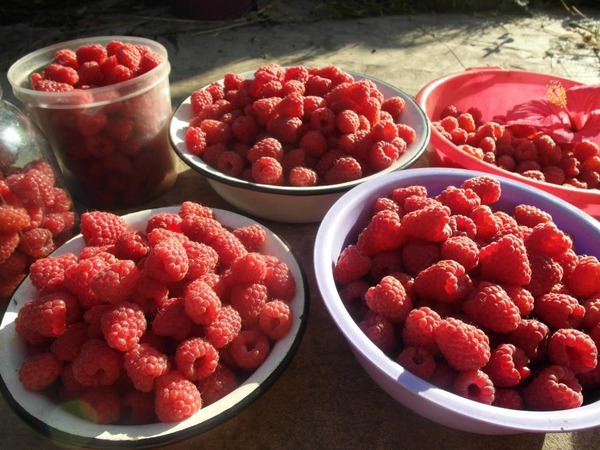
That's why many experienced gardeners grow both everbearing and regular raspberry varieties in their gardens. They harvest twice a year: in the summer from regular raspberry bushes, and in the fall from everbearing raspberry bushes, large, ripe berries.
Video: "Pruning Raspberries for Winter"
This video will show you how to prepare raspberries for the winter.