
Caring for everbearing raspberries to achieve a good harvest
Content
Planting tips
How to grow everbearing raspberries?
Before planting shrubs, you should decide on a location in your garden where the raspberry bushes will grow. This crop requires a plot with fertile, moist soil.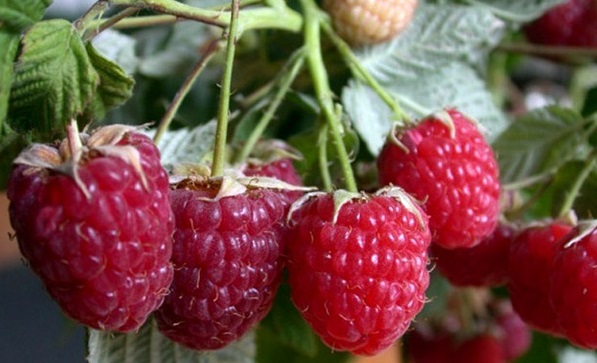
The site for planting everbearing raspberries should be level, with good access to sunlight, and protected from northerly winds. Otherwise, bushes in shade and drafts will bear fruit much later, and the yield will be unsatisfactory.
The best soil for everbearing varieties is considered to be loamy soil with a neutral pH. If your garden has acidic soil, you'll need to liming it with limestone to neutralize the acidity.
It would be ideal if the area where you plan to plant raspberries was under black fallow or green manure crops (mustard, rye, lupine, etc.) were grown on it.
Soils that have been used for growing eggplants, cabbage, tomatoes, all types of peppers, and potatoes are considered unfavorable for planting raspberries. These crops deplete the soil, drawing out all its beneficial nutrients.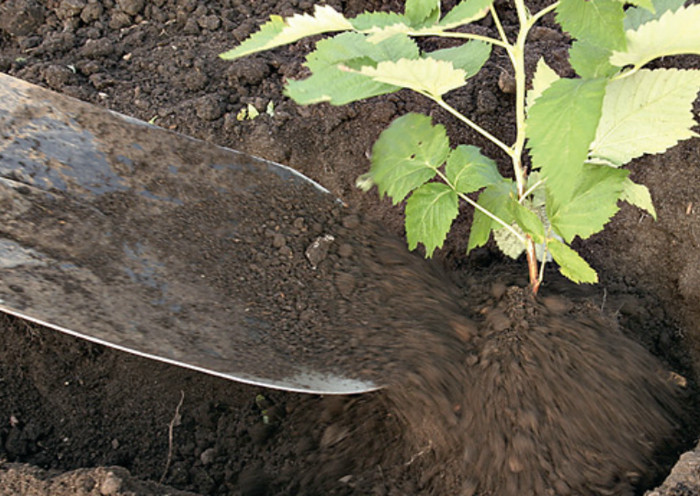
There are two periods for planting everbearing raspberries: spring and autumn, but the beginning of October is considered the best.
To plant everbearing raspberries in the spring, the plot must be prepared in the fall: remove weeds and till the soil with enriching components. Fertilize at a rate of 3 buckets of peat or humus per 1 m² of plot area, plus 200 g each of superphosphate and potassium sulfate, or 200-400 g of complex mineral fertilizers.
In spring, dig holes 50 cm deep and 50 cm in diameter, spaced 70 cm apart, for planting. Leave at least 1.5 meters between rows of seedlings.
Raspberry seedlings planted in the ground in spring should have well-developed roots, and the shoot diameter should be at least 5 mm.
How can you check if a seedling is suitable for planting when purchasing it? Cut off one bud and pry up the bark. If the bark on the side adjacent to the wood is green and the buds are not dry, the seedling is suitable for further cultivation and care of everbearing raspberries.
If you notice that the seedling's roots have dried out, soak them in water for a couple of days to allow them to swell. You can add a rooting stimulant if desired.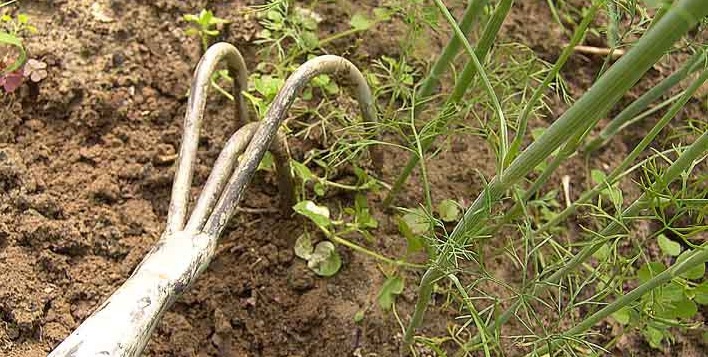
Everbearing raspberry seedlings are planted deep in the prepared hole and covered with soil, leaving the root collar flush with the soil surface. After planting, the plant is watered generously, and after the water has absorbed, the soil beneath the bush is mulched.
Autumn is a favorable time for planting everbearing raspberries. The plot for planting raspberries begins in the spring: till the soil with fertilizer, remove weeds and last year's leaves. The remaining procedures are identical to spring planting.
Video "Species Features"
From the video you will learn a lot of interesting and new things about this raspberry.
Basic rules of care
Immediately after planting the seedlings, the question arises: how to care for remontant raspberries?
Proper care for raspberries begins in early spring. First, apply mineral fertilizer, scattering it on the still-frozen soil. Then, as the weather warms, prune the raspberries in the spring—cutting branches back to the first formed flower bud, and removing frozen and dead shoots at the roots.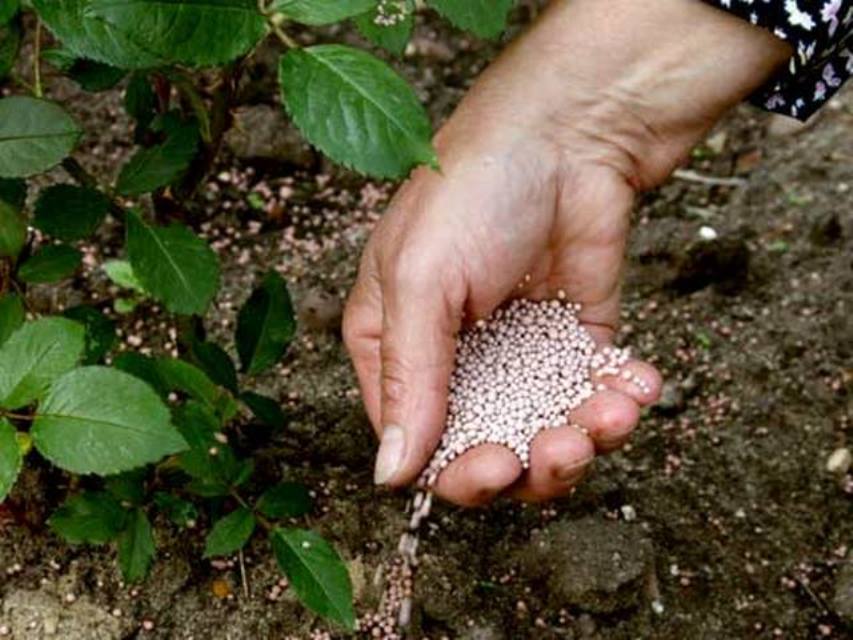
If fungal infection was noticed on raspberry bushes last season, the bushes should be treated with a 1% solution of ferrous sulfate or Nitrafen.
For other diseases, as a preventative measure, remontant raspberries are treated with fungicides in early May.The remontant variety requires foliar feeding with mineral fertilizers with the addition of a growth stimulant before summer fruiting.
As a preventative measure against pests, biological insecticides are applied at the end of spring.
For everbearing raspberries, growing and caring for them in the spring and summer requires weekly watering. Frequent soil loosening and removal of weeds around the bushes, which rob the soil of nutrients, is also essential. Cultivation of the raspberry patch begins in early spring, before the flower buds open. Loosen the soil between rows of bushes, working to a depth of 15 cm, and around the bushes, to a depth of 7-8 cm. To avoid frequent loosening, mulching the area beneath the bushes is sufficient.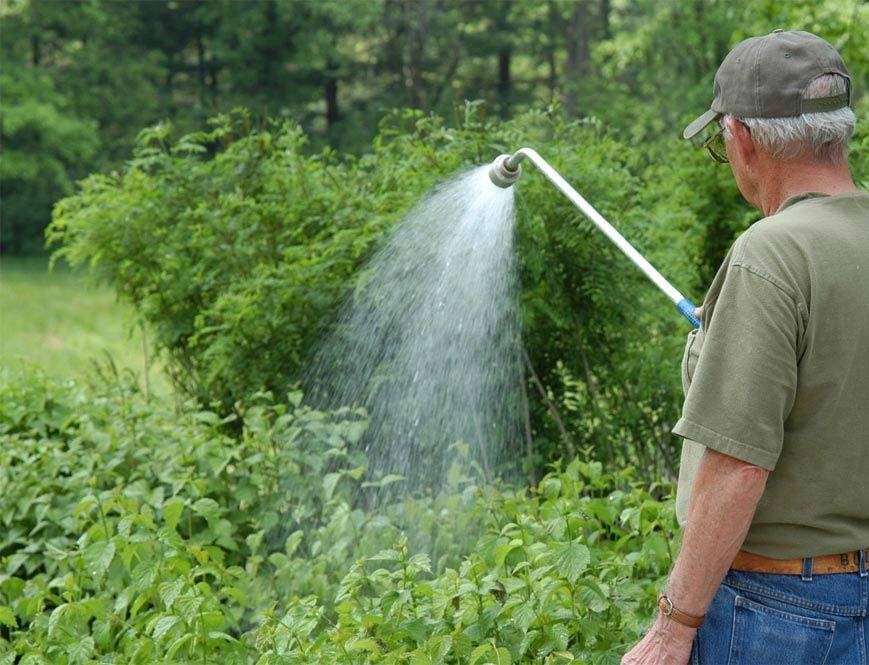
Summer care for everbearing raspberries involves timely, generous watering and loosening the soil. Tall varieties need to be secured to supports or tied up. For this purpose, sturdy, high supports are installed every three meters along the row, with wire or rope stretched between them in two or three layers—at heights of 50 cm, 1 m, and 1.5 m.
During periods of excessive sunlight, raspberries are protected from "burning" by covering the bushes with nets.
Raspberry care in the fall is also important, as this variety continues to bear fruit until frost sets in. Once the last raspberries are harvested, preparation for winter begins.
The next step in care is a generous pre-winter watering and a final autumn loosening of the soil. To prepare the everbearing raspberry variety for winter, the soil is mulched with a moderate layer of well-rotted manure or humus, about 10 cm thick.
An important aspect of plant care is understanding how to water your plants properly. To grow a good harvest of everbearing raspberries, they need to be watered regularly and moderately. In an average climate, raspberry patches should be watered once a week, but in dry summers, more frequent watering is necessary. The soil in the raspberry patch should be kept moist. If the patch was mulched in the spring, frequent watering will not be necessary.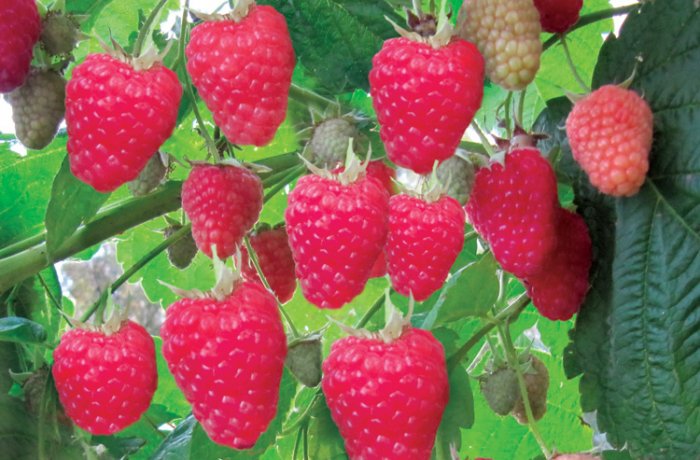
Water generously before flower buds begin to form during the growing season and before berries ripen. In late autumn, water the raspberry patch generously before winter. It's important not to overwater; stagnant water is unacceptable, as this will cause serious damage to the plants.
Drip irrigation is considered the best irrigation method for raspberries. One of its main advantages is water conservation and even, gradual soil moisture distribution.
How to trim?
When preparing the plant for winter, fruiting branches are cut back to the ground, and newly planted bushes are left with shoots 20 cm tall. Complete pruning of branches is done the following year.
After pruning the shoots, the area should be cleared of fallen leaves and mulch residues, which should preferably be burned, as they can harbor various pests and diseased plant debris.
Since remontant varieties can bear fruit twice a season, it is extremely important to decide before pruning whether you plan to harvest one or two.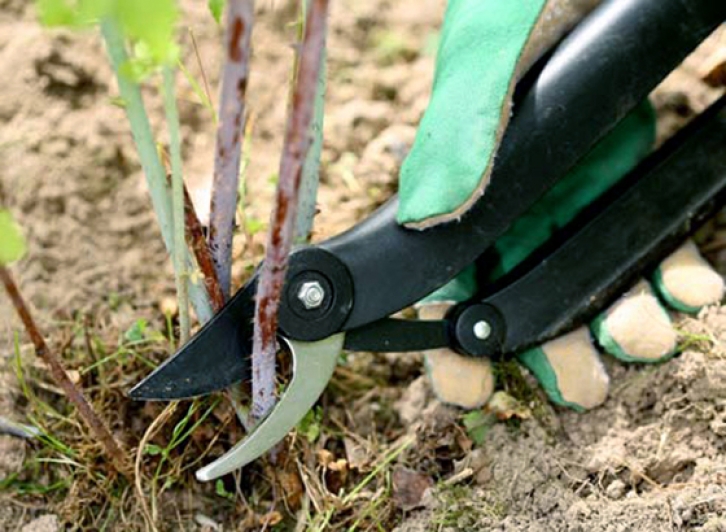
Therefore, if you plan to have two harvests a year (the first on two-year-old branches in the summer, and the second on one-year-old shoots in the fall), then in the fall, after harvesting the last harvest, you need to remove the following parts from the plant:
- the tops of one year's shoots that bore fruit;
- two-year-old branches that have already borne fruit;
- young and frail branches that will not survive the winter.
This procedure is performed in late autumn, but top pruning can also be done in early spring. In this case, regardless of the pruning timing, berries will appear on these stems in early summer. The autumn harvest will form later on one-year-old shoots.
This pruning method has significant drawbacks: during the first harvest, the bush will consume a lot of nutrients, causing delayed ripening of the autumn fruits. Young shoots will then experience a nutrient deficiency, affecting the quality and volume of raspberries after the second harvest. To prevent this, frequent fertilizing will be necessary to ensure better plant development and fruit formation.
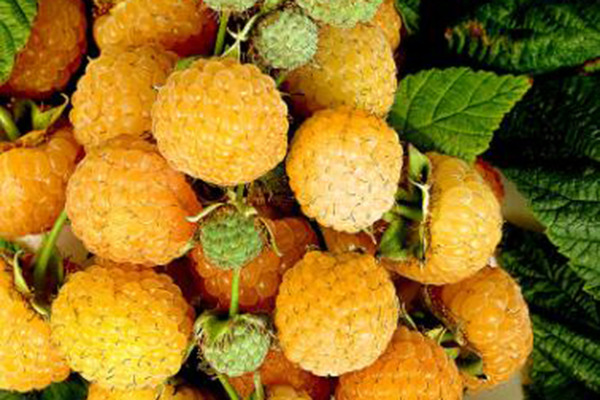
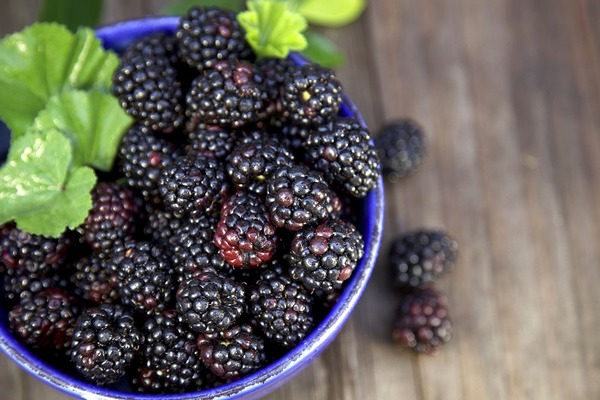
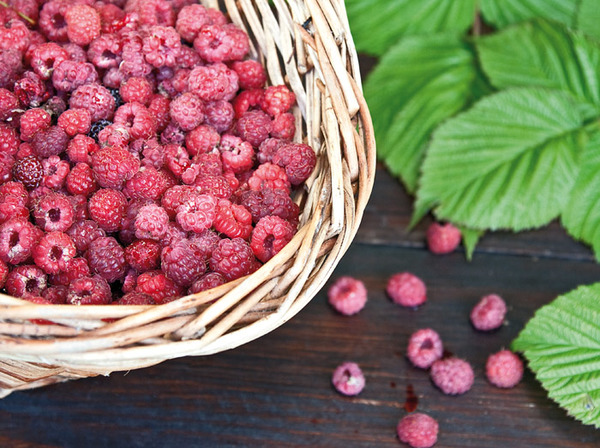
For this reason, many gardeners get a single, yet large, harvest. To ensure this type of fruiting, fall pruning of raspberries is done in November. By this time, all fruiting branches are cut back to ground level, leaving only the rhizome, which will produce new shoots in the spring. Some gardeners leave small stumps, but this is not recommended, as they will produce many young, weak shoots in the spring, which will show no signs of everbearing. As a result, small berries will form on these shoots.
Late pruning of raspberry bushes is done because, firstly, many bushes bear fruit until the first frost, and secondly, even after the last berries have been harvested, the plant can continue to grow. Meanwhile, early pruning during warm weather stimulates the formation of new flower buds.
Pest control
No matter how vigorous and spreading a raspberry bush is, producing large, juicy fruits, it is still susceptible to pest attacks, just like a frail, unattractive bush with mediocre fruit. Pests—insects that frequently attack plants—can cause significant damage, ruining the harvest and sometimes even destroying the bush entirely. To protect your raspberry patch, it's crucial to take preventative measures and deal with these pests promptly.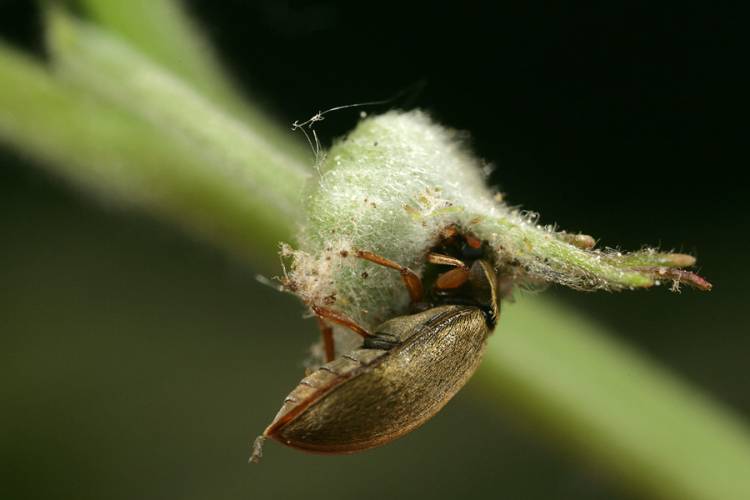
The most common of these is the raspberry beetle. This insect has a rounded, gray body and is up to 5 mm in size. Adults begin attacking raspberry plants in mid-May, devouring the flowers and gradually moving into the buds, destroying them completely. The beetle larvae, which hatch from eggs laid on new shoots, flower buds, and flowers, are also dangerous. Attacks by these insects result in a significant reduction in yield and damaged berries.
Common pests of everbearing raspberries include: raspberry flies, aphids, spider mites, raspberry mites, and various caterpillars.
For plants affected by raspberry fly larvae, the top is quickly cut off with pruning shears 3-5 cm below the bend, and all cut material is burned.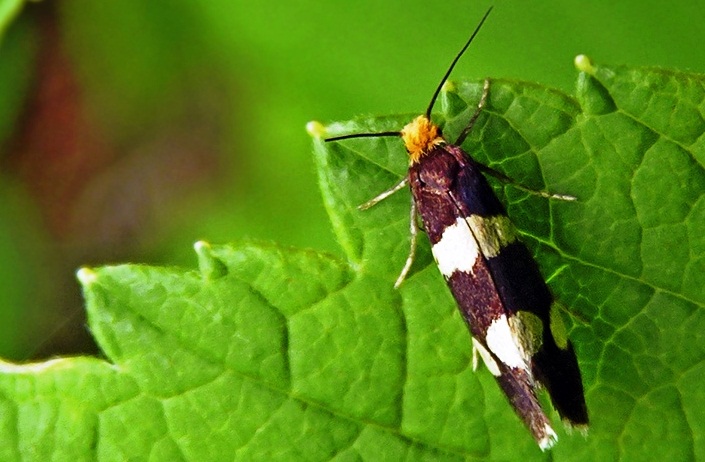
The raspberry shoot aphid is a common pest. It attacks raspberries especially intensely in shady areas. Numerous colonies of aphids cover the tips of shoots and inflorescences, causing leaf curling, stunted growth, and shoot distortion. Flowers on damaged shoots fail to develop and often wither.
Mites attack raspberries during hot, dry weather in midsummer. Effective treatments include garden sulfur, colloidal sulfur, or Thiovit Jet.
Since treating raspberry shoots with various chemicals is contraindicated after flowers bloom, organic pest control is used. For example, an infusion of onion and garlic peels is considered effective against spider mites. To prepare it, add 100 grams of onion peels or the same amount of crushed garlic to 10 liters of water, let it steep for three days, then strain and add 50 grams of dishwashing liquid.
To combat leaf-eating and sucking insect pests, use an effective infusion prepared as follows: add 300 grams of wood ash to 5 liters of water, and simultaneously dissolve 50 grams of grated laundry soap in a liter of water. Then, take a small bottle (up to 50 ml), fill it halfway with cold water and 10 ml of kerosene. Close the lid tightly and shake vigorously to ensure the kerosene mixes with the water rather than floats on the surface. Strain the resulting solutions, stir, dilute with water to a volume of 10 liters, and immediately apply to everbearing raspberry bushes.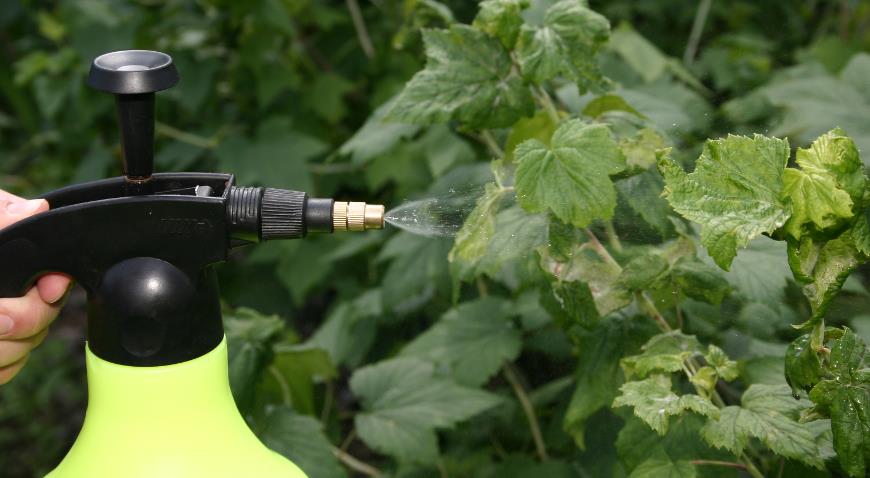
If a pest attack on a raspberry bush occurs before the flowers have bloomed, it is advisable to use biological insecticides to treat the bushes.
Video "Pests and Diseases"
From the video you will learn how to deal with pests and diseases on the bush.