
Proper care of raspberries in spring
Content
How to trim
With the arrival of early spring, a thorough examination of the bushes should be carried out for shoots frozen during the winter, and if any are found, they should be removed by pruning the bushes.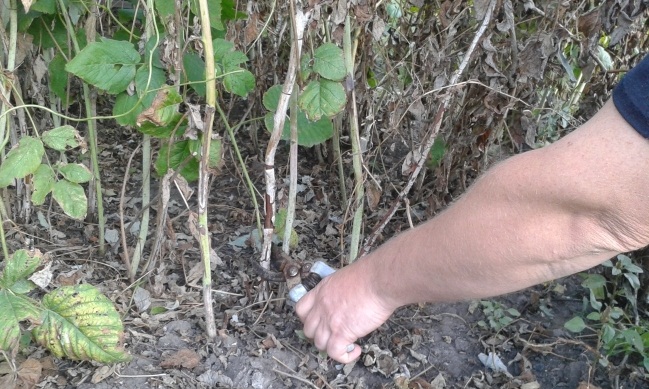
We also trim off all branches that have become diseased, dried out, or started to rot over the winter.
Pruning raspberry shoots, provided that only the top of the bush has frozen, will be correct if you cut off the affected part of the branch directly to the healthy part.
If all the branches have successfully survived the winter, there's no need to rush into pruning them. These branches can still bear fruit if they grow from axillary or dormant buds. It's important to remember that no matter how much damage the plant suffers during the winter, it's still possible to harvest fruit, as long as the buds at the base of the bush remain alive and undamaged.
New growth will be removed in late May or early June, once it is visible to the naked eye and has fully sprouted. This way, the bush won't waste nutrients, but will instead focus all its energy on new, young shoots and the formation of flower buds, which will eventually develop into raspberries.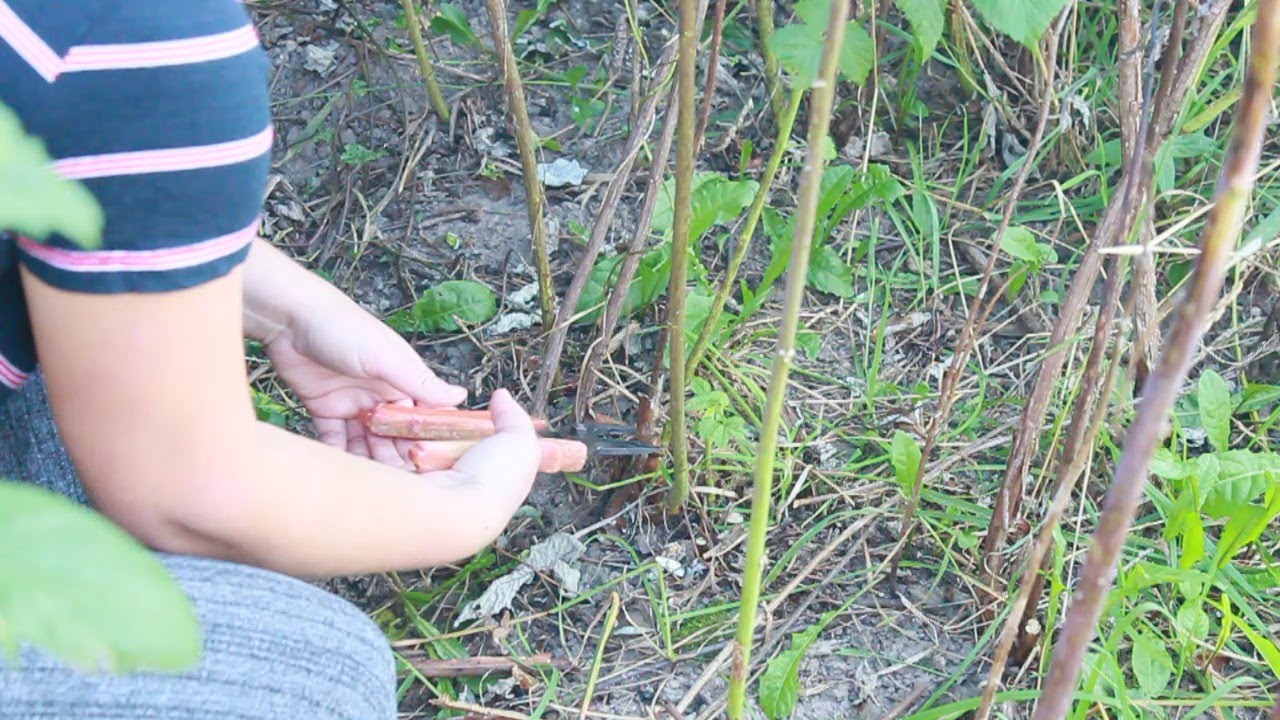
Every spring, the stems of the main bush also need to be trimmed, leaving a height of approximately 160 centimeters from the ground level; this will promote the ripening of larger fruits.
Shoots begin to be pruned as soon as it becomes clear at what level the buds are forming.
Then the shoots are lifted and tied to the trellis.
In order to prolong fruiting, many gardeners prune raspberries in the spring in the following manner: one part of the shoots is cut off at approximately 15 cm, the second part of the seedlings to 30 cm, the third part is cut to half the height of its branch, and the remaining quarter is cut off to a level of three centimeters.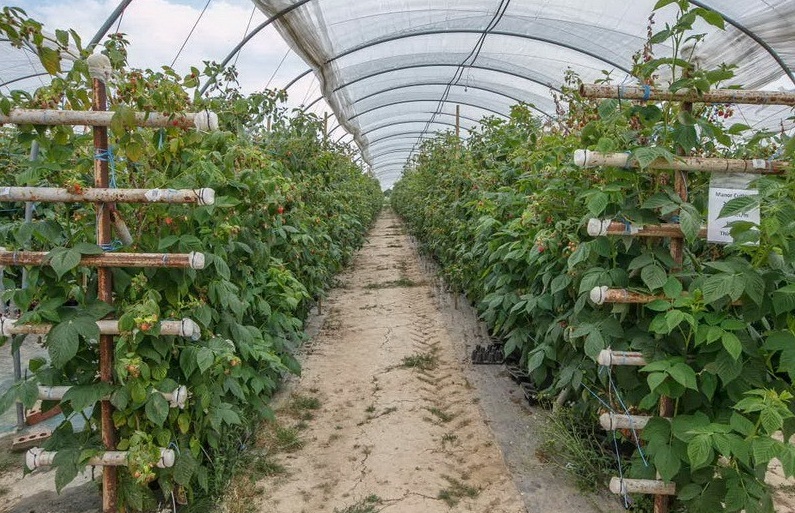
In this case, the first harvest can be collected from shoots that have lost the least amount of length during pruning. Those that have been pruned as much as possible will continue to produce until the end of August.
A.G. Sobolev's popular double-pruning method for raspberry bushes is also worth mentioning. It's simple yet effective. It involves a phased, double pruning of the bushes over the course of two years: the first pruning is done in May or early June, and the second pruning is done in the spring of the following year.
During the first pruning, using Sobolev's method, the top of a young shoot that has reached 0.8-1 m in height is cut back by 10-15 cm. After this, upward growth ceases, and all the plant's vitality is concentrated on the lateral shoots. Within a couple of days, the first shoots will become visible in the upper leaves, and by August, four to six lateral shoots, sometimes even more, will have grown in place of the single shoot, reaching up to a meter in length. The bushes will go through the winter in this state.
When using this method, it is important to remember that the timing of the first pruning must be observed; otherwise, if the first pruning is done late, the lateral branches will not have time to form and strengthen and, as a result, will freeze in the winter.
The second pruning begins the following spring, when the raspberry bushes begin to leaf out. In this case, the tops are pruned back by 5-15 cm, only on the side shoots that grew the previous summer. This will trigger dormant buds along the main trunk to activate, forming new branches. By the time fruiting begins, there will be dozens of them in this location. According to the author of this method, the second pruning is crucial, as after it, in the second year, the bush will be abundantly covered with buds, twigs, flowers, and clusters of large berries. The raspberry bush will bear fruit until September.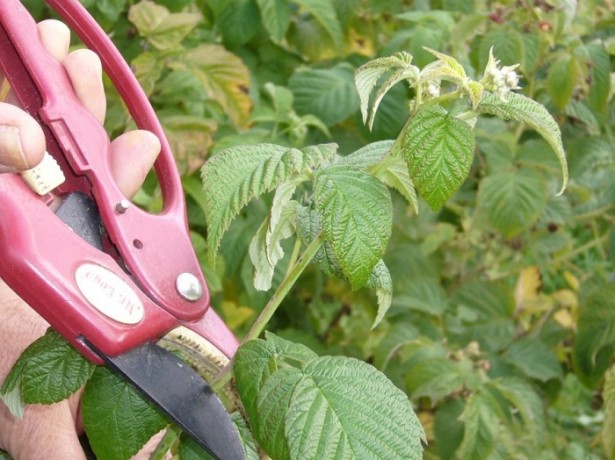
But it's important to keep in mind that this method isn't the only correct one, as the author of the technique experimented with his own bushes while living in the Kurgan region, while your plot may have different climate conditions, a completely different soil composition, and different raspberry varieties.
In this regard, many gardeners, practicing year after year, develop their own type and method of pruning raspberry bushes in the spring.
Video: "Caring for Raspberries in Spring"
From the video you will learn how to care for a bush in spring.
What to fertilize with
In early spring, the entire raspberry patch should be covered with rotted manure, mulched with sawdust or straw throughout the growing season. Raspberries absolutely love mulching with sawdust, but in a pinch, straw, hay, or dried leaves will also work.
Mulching should be done for several reasons: it prevents the growth of weeds, retains moisture, which is so necessary for the bush, and serves as a fertilizer.
It's important to remember that raspberry yield is directly dependent on soil moisture levels. Mulch is excellent at retaining moisture.
Among the various types of fertilizers used in spring fertilization, nitrogen fertilizers are especially effective. However, it should be noted that when nitrogen fertilizers are used in the spring, only new shoots begin to emerge. This type of fertilizer is ineffective for replacement shoots.
If shoots are showing poor growth, it's recommended to feed each bush with organic fertilizer in late spring. Mix a shovelful of fresh cow manure with one bucket of water, adding a matchbox of urea. This fertilizer will be sufficient for the entire growth and development period of the plant.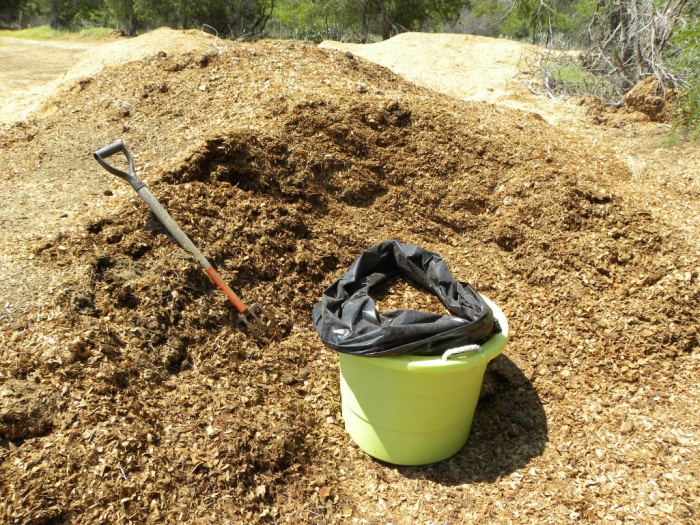
Ideally, apply a layer of cow manure mulch under each bush in mid-June. Cow manure can be mixed with straw or sawdust. However, don't overdo it; keep in mind that manure fertilization should be done once every two years. Otherwise, with annual fertilization, the shoots won't have time to mature in cold winters with heavy rains and snow.
The bush's root system is not deep; the soil is loosened and dug to a depth of no more than 10 cm. If there is mulch under the bushes, there is no need to loosen the soil.
Pest and disease control
Raspberries are a shrub favored by many pests. Common insect pests that frequent raspberry bushes include the raspberry beetle and the stem fly.
In addition to these pests, the following insects are also among raspberry lovers:
- The strawberry-raspberry weevil, which attacks unripe buds, is controlled by digging the soil between rows and treating with special insecticides before flowering.
- Spider mites nest on the undersides of leaves, causing them to wilt and dry out. They overwinter in fallen leaves and then climb up new shoots in the spring. They are eliminated in the spring by removing last year's foliage and digging up the space between rows.
- Raspberry glassworm – its larvae overwinter in the lower part of the stem, where they begin actively feeding with the arrival of spring. To prevent pest reproduction, damaged branches are cut off at the base and burned;
- Stem and shoot gall midges: bright orange larvae that attack shoots at the very base. These pests are controlled by cutting off the affected stems and digging up the soil beneath the damaged bushes.
- Raspberry shoot and leaf aphids attack the undersides of leaves, deforming them, and also attack young shoots. Control the pest when buds open by spraying the plant with malathion or actara.
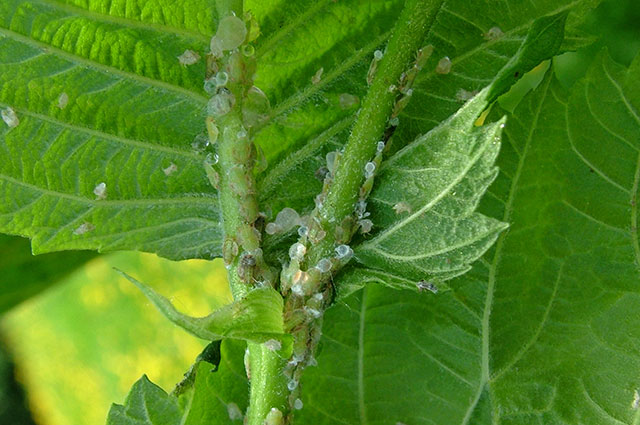
In addition to insect pests, gardeners are also faced with a host of fungal and viral diseases that affect raspberry plants.
Rust manifests itself as orange bumps on leaves and shoots. Fungal spores settle on fallen leaves during the winter. This disease is controlled by treating the soil with nitrofen in early spring, and spraying the bushes with an oxychom solution before the leaves begin to unfurl.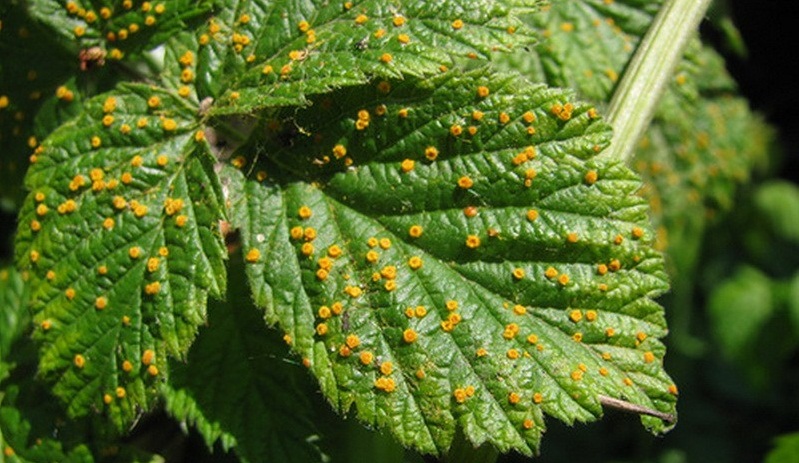
Gray mold is a gray, fluffy growth that affects leaf blades and berries. The disease develops in high humidity. An effective way to prevent it is to treat the bush in early spring with HOM and spread wood ash or crushed charcoal on the soil beneath the bushes, while reducing watering.
Anthracnose attacks the entire plant, forming gray spots with a brown border that spread across the entire leaf, causing the foliage to curl and gradually fall off. To combat the disease, raspberry bushes are treated with a Bordeaux mixture solution in the spring and thinned.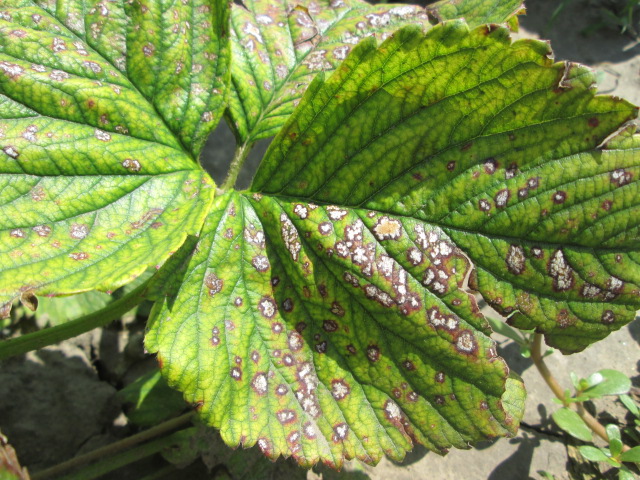
White spot first forms brown spots, then white ones, on the leaves. If the gardener doesn't take the necessary treatment measures, the fungus spreads and infects the entire plant, which may eventually die. Viral spores overwinter in dead trunks and, with the arrival of warmer weather, infect young shoots. To prevent this disease, the soil is tilled in the spring with fertilizer containing phosphorus and potassium. Spraying with Bordeaux mixture or copper oxychloride three times is also effective.
Powdery mildew is a disease that forms a flake-like, whitish coating on leaves. Affected plants' young shoots stop growing and become deformed. To prevent the disease, remove fallen leaves and diseased shoots and treat the plant with Bordeaux mixture.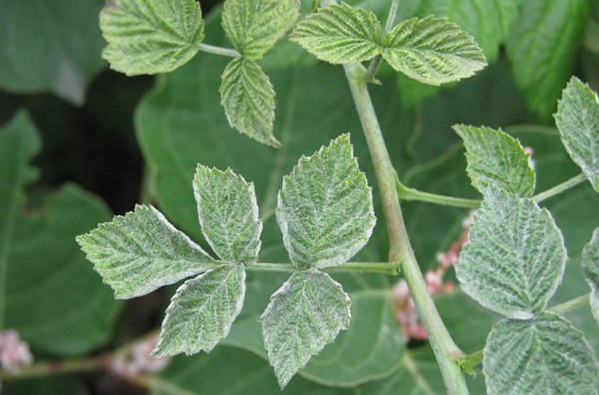
Autumn leaf spot attacks leaf blades, forming large brown spots. These leaves fall prematurely, exposing the stems and causing future crop yields to decline. This fungal infection is controlled by thoroughly clearing the soil of fallen leaves, which are then burned. Early spring eradication spraying with nitrofen or copper sulfate is also recommended.
Protecting from diseases
Raspberry diseases not only cause gardeners a lot of trouble and inconvenience, but also affect the quality and quantity of the harvest.
To protect raspberry bushes during cultivation, you need to know and follow simple rules:
- changing the site for growing raspberry plantations every five years;
- plants after which it is best to plant raspberry bushes, gooseberries, currants, legumes;
- After nightshade plants (potatoes, peppers, tomatoes, eggplants) and strawberries, it is not recommended to plant raspberries;
- After picking the berries, all plant remains (twigs, stalks) are destroyed;
- heavily affected plants are removed and burned;
- avoid over-watering and stagnant water;
- do not overdo it with fertilizers;
- When raspberries are in bloom, they are not treated because the loss of various insects reduces the yield. During flowering, not only insect pests but also pollinating insects feed on raspberry nectar. If pests are numerous, the base of the bushes is treated with a "Karate" solution at the end of May, and the entire plant at the beginning of flowering. The soil where the bush grew is sprinkled with ammonium nitrate at a rate of 100 g/m²; raspberries should not be planted in this area in the future.
Video: Pest and Disease Control, Pruning, and Care
From the video you will learn a lot of tips on growing raspberries and getting a large harvest.