
Proper care for raspberries in the fall - advice from experienced agronomists
Content
Pruning bushes
To understand how to care for raspberries in the fall, you need to know the characteristics of each particular berry variety. Pruning the bushes is one of the most important autumn tasks. It's crucial to properly shape the bushes, removing all unnecessary shoots. This will not only help shape them properly but also determine their density. Since the plant will expend a lot of energy during frosts to maintain normal life, it's advisable to remove excess shoots and stems to facilitate wintering and conserve more energy. Treating raspberries in the fall has many advantages.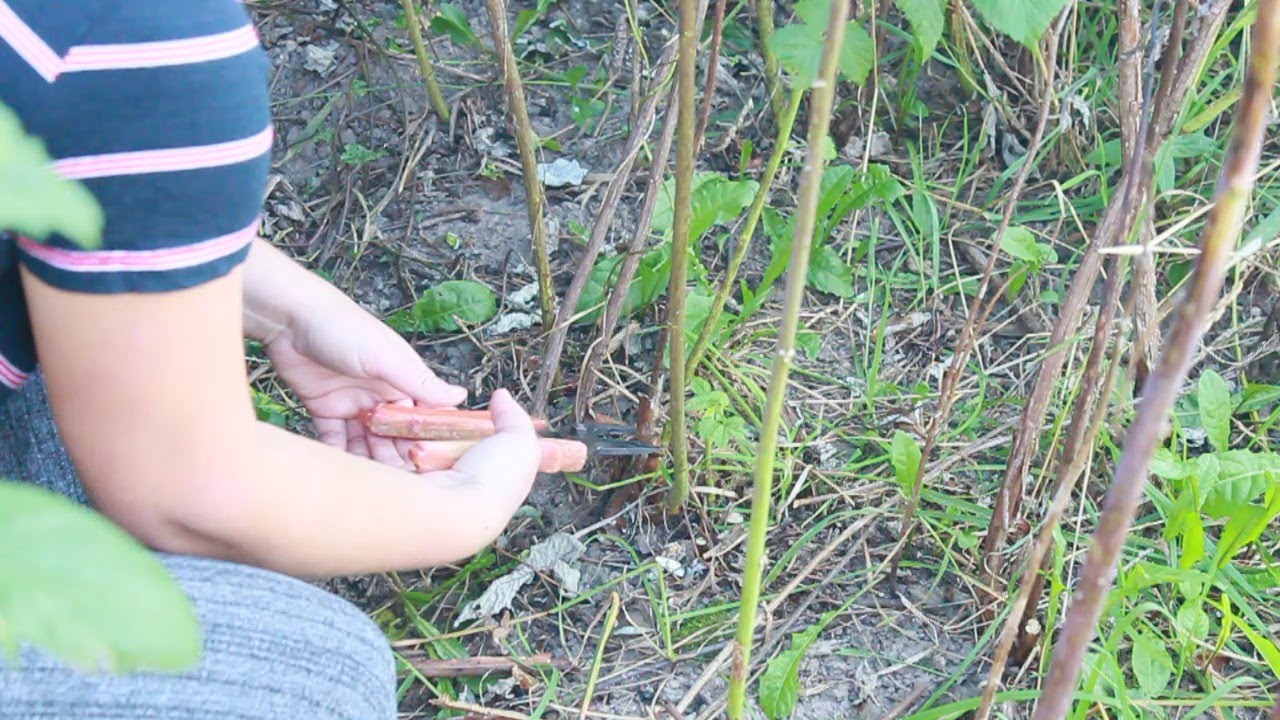
First of all, it's important to note that pruning is essential because it facilitates the control of various harmful insects. Pests and fungi primarily accumulate on the upper parts of the crowns, stem tips, and leaves.
When the leaves fall in November, pathogenic microorganisms fall into the soil and penetrate the root system. Some organisms can remain on the plant until the spring thaw. Therefore, raspberries need to be treated in the fall, removing anything that could harm the plant.
Pruning can remove excess shoots from the bush, making them easier to feed. You can leave up to nine shoots, which will always produce large and juicy berries. If the plant has too many shoots, the berries that develop won't ripen equally well, as the bush won't have the strength to evenly distribute minerals and nourishing juices. Consequently, the harvest will be small. Furthermore, they will be tart rather than sweet, and you won't be able to appreciate the flavor of any raspberry variety.
Pruning raspberry bushes can increase future yields. While this depends primarily on the berry variety, the effectiveness of this method is undeniable. Berries can develop on one-year-old shoots that emerged in the spring on two-year-old branches. Sometimes, they will appear immediately on one-year-old shoots. This is common with everbearing raspberry varieties. Therefore, pruning raspberries should be done in late October to increase yields next season.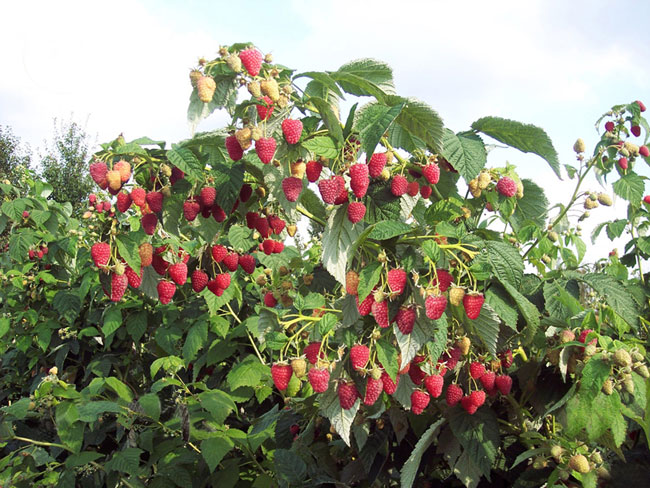
When pruning, farmers can leave 30-35 centimeters of the main stem for branching of the bush or cut it completely to ground level.
Gardeners have several types of plant pruning. Three main methods are used: double pruning, regular pruning, and shortening.
Pruning is very simple. The entire above-ground portion of the raspberry bush is cut off. This method is more suitable for common berry varieties that don't produce large yields, as well as those with a weak growth stage. Pruning eliminates pests by completely removing them from the bed. This pruning method also increases yield by stimulating the development of biennial shoots.
When performing standard pruning, approximately 70% of the shoots are removed, and in rare cases, the entire stem. The technique used will depend on the raspberry variety. For raspberry varieties experiencing good growth, pruning the entire stem is often necessary. By early summer of the following season, the shoot may already be almost a meter long. If a particular variety is experiencing slow growth, the shoots can be shortened by 50-70% in the fall.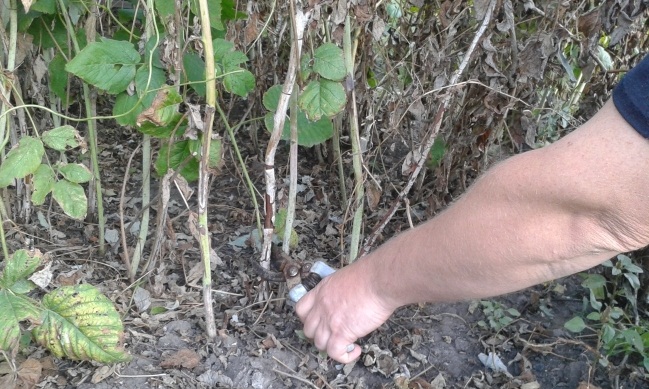
The double pruning method is suitable for all raspberry varieties. It is most often used for everbearing berries. The most important thing is to always consider the plant's growth rate. It should be able to develop a free, lush crown to maintain the potential for good fruiting. To ensure consistent fruiting, the bush should be pruned back in both the fall and spring. This will allow the plant to grow in all directions. New branches and shoots will increase the yield the following year if pruning is done promptly in the fall.
Video: "Why is pruning necessary in the fall?"
From this video you will learn why you should prune your bushes in the fall.
Fertilizers and feeding
Raspberry cultivation in the fall involves not only timely pruning but also fertilizing the soil. To ensure a bountiful harvest, it's important to allow the plant to accumulate as many nutrients and minerals as possible. With proper fertilization, you'll see positive results the following year. Timely fertilization also ensures that the stems harden, expand in diameter, and accumulate the necessary nutrients to protect the plant from frost by winter.
Fertilizing and feeding are essential for varieties that will be pruned and subjected to standard pruning. Therefore, it's advisable to begin plant preparation as early as August or September, depending on the raspberry variety being grown.
It's best to apply the first fertilizer to the soil after the last ripe berries have been harvested or during the second flowering of the raspberries in September (for everbearing varieties). Urea is typically added to the soil.
It's advisable to use a small dose, but apply the fertilizer more often. For every 100 square meters of area, 50 grams of urea is sufficient. It's diluted in water at a ratio of 1 to 10.
You can replace the chemical fertilizer with a natural fertilizer. Liquid mullein or bird droppings diluted in water are suitable. Applying organic fertilizers is just as effective as chemical ones, and some can even be more effective. Within a few days, you'll notice the effects of organic fertilizers: stems will begin to grow faster, and the foliage should become a richer, darker color. Pale leaves usually indicate a micronutrient deficiency.
If you provide the plant with proper care in the fall, it will be able to survive the winter well and will begin to grow faster in the spring.
In spring, nitrogen mixtures can be used to fertilize raspberries. The nitrogen components released into the soil can increase the plant's metabolism, accelerating growth and increasing the volume of young shoots.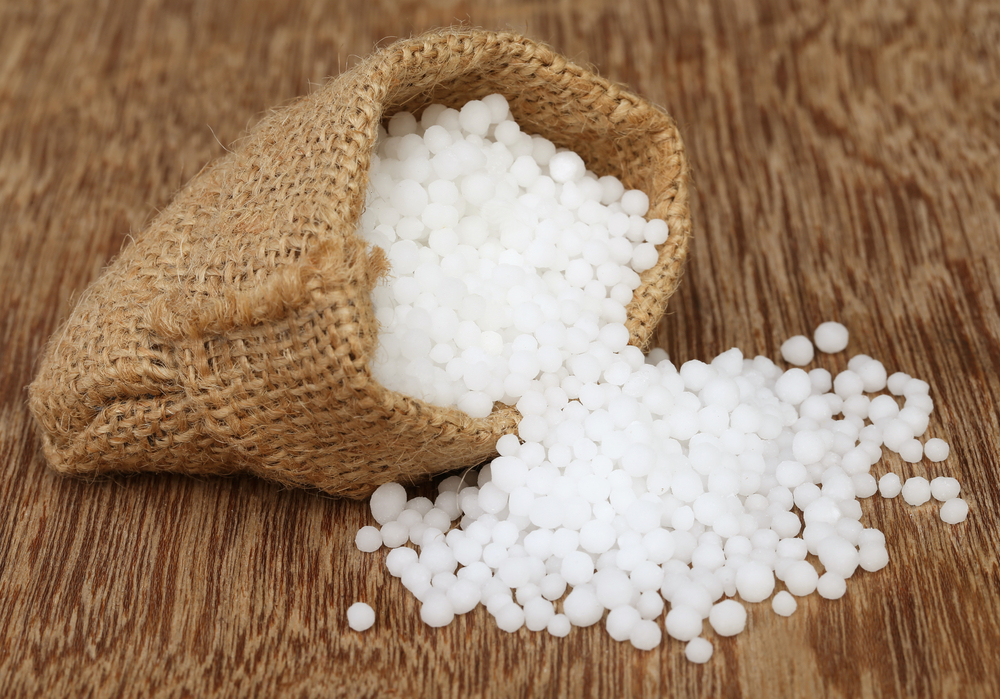
If you plan to prune the raspberries at the base before winter, you can apply fertilizer in the second half of October and then let them rest for a few weeks. You can begin pruning after a month.
Bending down bushes for the winter
If you grow raspberries in your garden, you should remember to prepare the plants for winter. The most important thing is to maintain frost resistance. Regardless of the raspberry variety, it will need to be protected from frost. This applies even to the most frost-hardy varieties, which can withstand very low temperatures.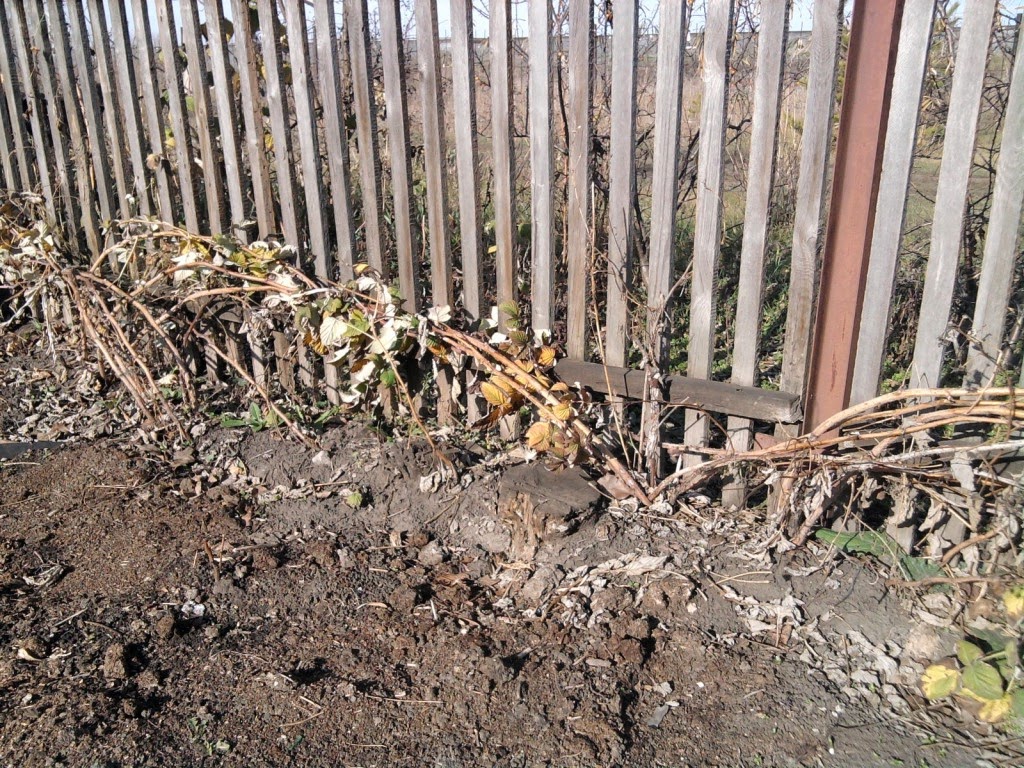
The main method for preparing raspberry bushes for winter is bending them over and tying them. If you plan to harvest next season's raspberry bushes from one-year-old shoots, you'll need to position them as close to the ground as possible for the winter. This will protect the shoots from the wind (wind is very dangerous for these seedlings) and also provide them with snow cover from frost, retaining more heat.
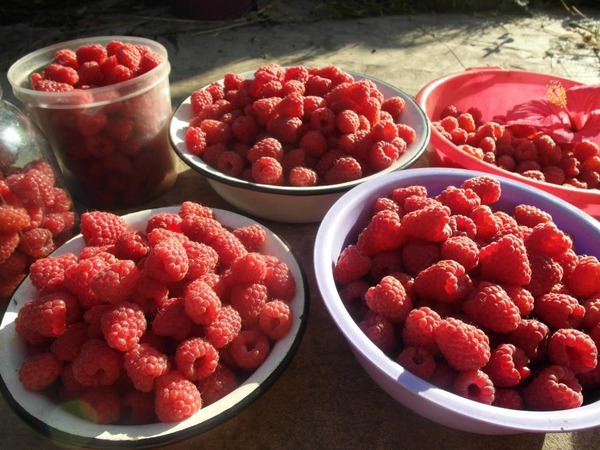
To begin, all tops and side shoots are cut off, leaving only trunks up to 85-90 centimeters long. Then, all the stems are gathered together and tied with twine. A small weight will need to be tied to the rope to hold the stems to the ground. Bending down the stems should be done early. This is because in late fall and early winter, the flow of sap through the branches slows significantly.
Consequently, their flexibility and elasticity are lost, and bending the branches risks breaking them. Therefore, the process is best performed in mid-autumn, while the branches are still easily bent.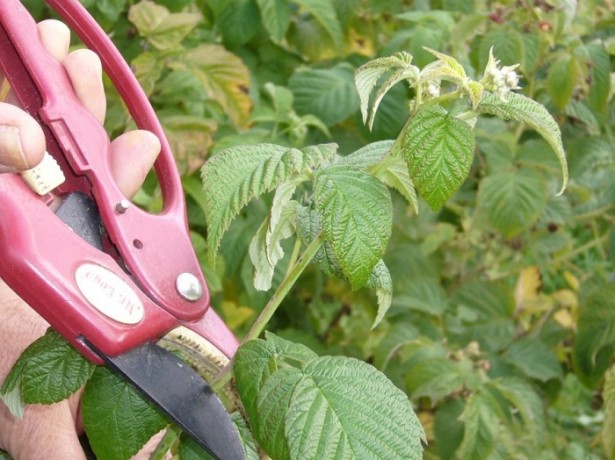
You can also use the burying method. It's been proven that soil is the best natural insulator for plants. Therefore, you can bury them to a sufficient depth. To do this, gardeners dig small holes the length of the stems, then tie them together and bury them. If there's excess soil, you can take it from the plot, increasing the height of the mound (the optimal soil layer is up to 20 centimeters). It's very important to dig up the stems promptly in spring to prevent the plant from suffocating without access to oxygen.
If you do everything correctly, you will be able to save the plants and harvest a new crop.
Video: "Caring for a Bush in Autumn"
This video will show you how to care for your bush before winter.