
Features of proper care for raspberries
Content
Spring care
Raspberries are a very healthy berry on their own, packed with various vitamins and nutrients that will help you fight seasonal diseases with ease. However, we need to grow them properly, because without it, there's no way. Forget something, and the entire harvest will be lost. Therefore, you need to know everything about raspberries to ensure a bountiful harvest. Raspberry cultivation techniques are quite simple; any schoolchild can relate to them, as growing, caring for, and pruning them are quite straightforward. Remember how you helped your mom when you were in elementary school? Nothing much has changed since then—except that varieties and fertilizers have become much more available. That's where the main difficulty lies, otherwise, everything is very simple.
As soon as the snow melts, remove old foliage, as this could harbor bugs and diseases, and the bush will simply die. Bush raspberries need support. Growing on a trellis will allow the bush more light, making it easier to care for and cultivate, which will accelerate shoot growth. To create a trellis, dig posts up to 1.5 meters high at the beginning and end of the row and stretch wire between them at varying heights. This is done to avoid having to tie the raspberries up 100 times a season. Simply tie them to a higher trellis and you're done!
Stake stakes are driven into the ground every 5 meters to prevent the wire from drooping. Install these stakes if you want to grow raspberries properly. The shoots are fanned out along the wire and tied in place. This will make growing raspberries easier; you'll only need to tighten the trellis slightly throughout the year. After two years, several rows of wire are stretched between the stakes—the first at a height of 35 cm, the second at a height of 160 cm.
After this, caring for the raspberries will consist of weeding, lightly loosening the soil, mulching, and fertilizing. So what can you feed them with?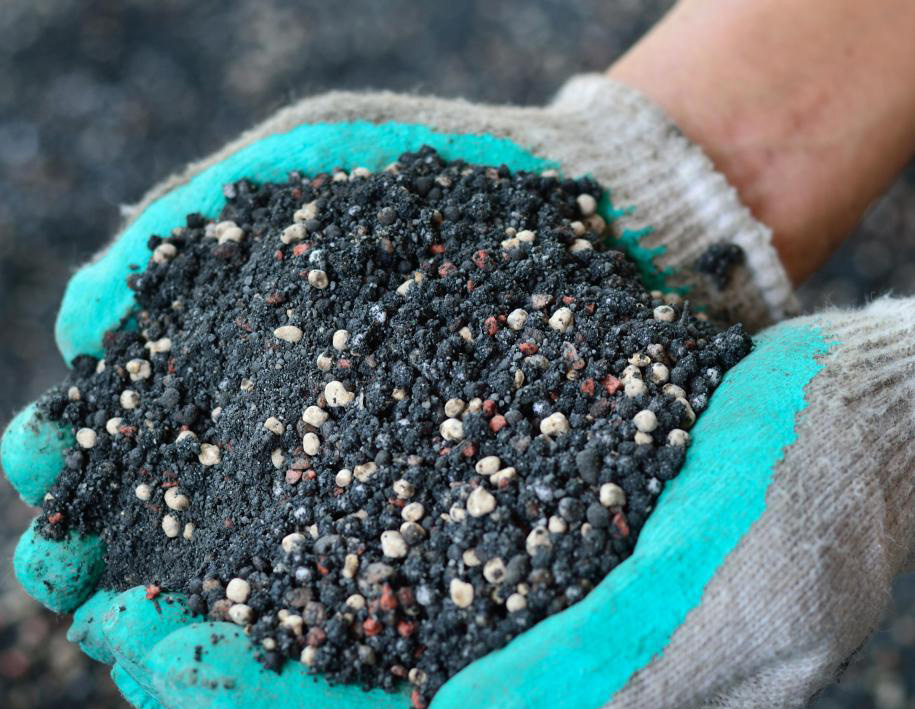
If you used phosphorus fertilizer when planting, you can forget about it for a few years, but you will need to feed the raspberries with nitrogen fertilizer every year. Without this, growing raspberries is impossible; the bushes will simply dry out. We've written about the different types of nitrogen fertilizers available before. And there really are countless options—from dirt-cheap options to very, very expensive ones. So, in this matter, consider your budget. After this, you need to loosen the soil in the area, as caring for raspberries means caring for the soil as well.
Video “Taking care of raspberries”
The video shows how to properly grow and care for raspberry bushes.
Autumn care
In the fall, you need to create ideal wintering conditions for the bushes so that the common raspberry will produce a bountiful harvest. This means the raspberries need to remain in their original location, but also be kept warm and protected from freezing. Therefore, raspberries need to be handled especially carefully in August or September; this period is especially critical. Remove and burn any mulch that has been lying around all summer, along with any pests that may have settled in it, and thin out the bushes. Dig the soil, but don't overdo it. It's a good idea to add compost every few years.
Nitrogen fertilizer should not be applied in the fall, as it can trigger shoot growth, which could result in frost damage to the raspberries. If you need to fertilize the area, apply a phosphorus fertilizer in furrows 32-33 cm deep. The doses are small: 65 g of superphosphate and 50 g of potassium salt. This fertilizer will promote bud formation, resulting in a bountiful harvest.
Video: Caring for Raspberry Bushes in Autumn
The video's author shares his experience of properly caring for raspberries in the fall.
Watering
During average rainfall, common raspberries don't require watering. They only need additional water during dry spells, but only then do they require special care, as the planted bush can dry out very quickly. It can dry out so much that you'll have to trim it back to the stumps. During dry periods, raspberries need to be thoroughly watered to prevent the bush from drying out.
The soil should be moist to a depth of about half a meter. Moisture is especially important in mid-spring, before flowering and during the growth and ripening of the berries. But the main watering is in the fall, as it is in the fall that the growth points are established within the root system, and the more abundant the watering, the more abundant the harvest.
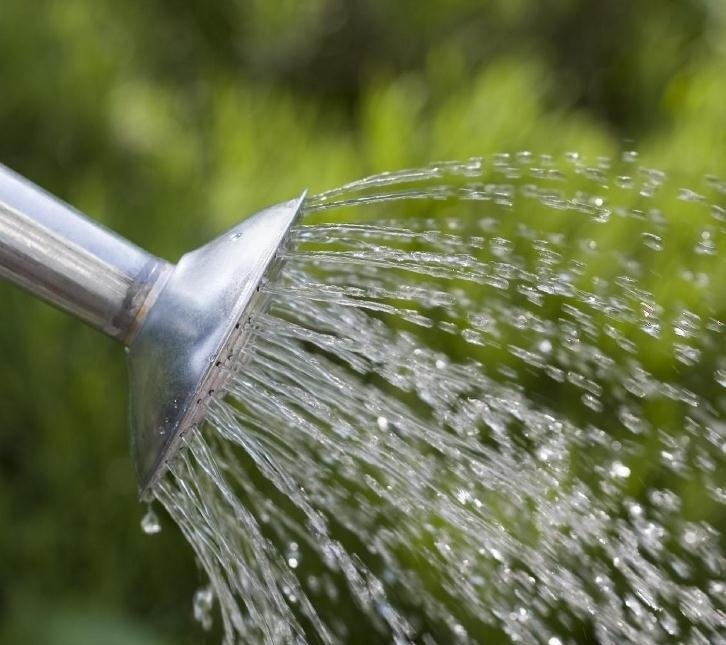
Drip irrigation is the best method because it saves water. Arched irrigation and sprinkler irrigation use much more water. Furthermore, the water reaches the roots already warm. Remember that mulching reduces the bushes' need for watering several times over. This is an important point in how to properly care for raspberries.
Transfer
Transplanting is done in the same way as planting, and this is because raspberries require proper care in the garden. They love to grow, as they like to say – they have a great "growing moment." In the summer, many shoots grow that can be transplanted. You can use a shovel to separate the young part of the plant, which still has fairly thin stems, from the old bush, along with the roots. Make sure the shoots are no more than a quarter of a meter long; if they are longer, cut them back! That's how simple raspberry care really is!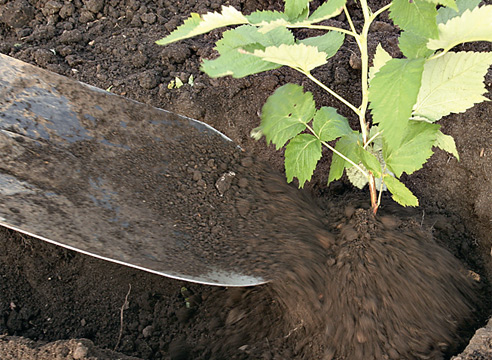
Transplanting can be done at any time of year. Well, except winter, of course. To prevent raspberries from spreading throughout the garden, dig iron sheets around the perimeter of the raspberry patch. Now you'll no longer wonder where your raspberries are growing in your garden.
Reproduction
You've already realized that caring for it is quite simple. Propagating it is also a simple matter.
Here we'll tell you how to propagate raspberries from cuttings; this growing technique is quite simple. In cloudy weather, take raspberry cuttings up to 15 cm long and soak them in a growth stimulator for a few hours. Then plant them in half-liter containers with a peat-sand mixture. When the cuttings begin to grow, transplant them with soil into a larger container. Once the cuttings have become accustomed to the outdoor air, transplant the raspberries to a seedbed. Place the raspberries in light shade until they begin to grow. In the fall, plant them where they will grow for the rest of their lives. If you decide to take cuttings for the winter, treat them for fungus, sprinkle them with peat, and place them on the balcony. In the spring, replant them and mulch the soil. Now you know how to properly grow raspberries.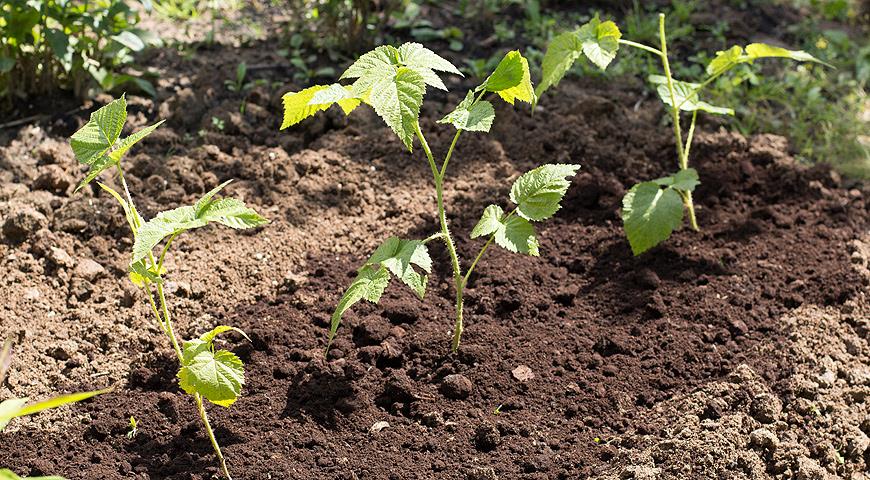
There are also raspberries that are propagated by rooting the tips. When you see the growing shoot begin to bend in September, the leaves become smaller, and the shoot itself begins to resemble a loop, that's when it's ready to root. Cut it off, along with the "handle," and you'll have excellent planting material. Now you know how to grow raspberries in your garden, and even the most unusual varieties won't stand in your way.
Now you know everything about raspberries—both regular and everbearing. Now you know how to care for them, and various little-known useful raspberry tips and tricks are no longer a secret! Bush raspberries turned out to be less daunting than initially thought.
We hope you understand how to work with raspberries so that they produce a large harvest!