
Secrets of propagating raspberries with cuttings in autumn
Content
Propagation by green cuttings
Propagating raspberries with green cuttings is one of the simplest methods for growing raspberries at home, requiring no financial investment. If you decide to use a green cutting taken from a rootstock, plant it on a warm but cloudy day. The procedure is as follows: cut the selected shoot with a sharp knife, or pruning shears, just below ground level. You'll need to dig the tool slightly into the soil near the base of the bush. The selected shoot is shortened to 10 cm and placed in a special rooting solution to accelerate root formation.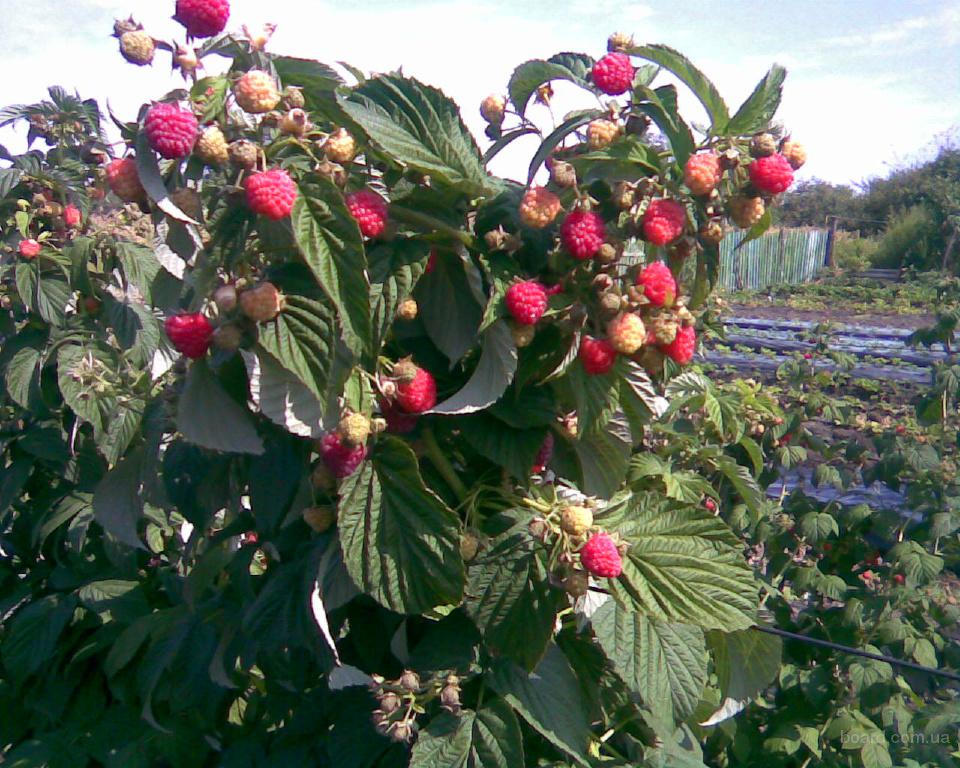 If you're new to preparing such mixtures at home, here's how: first, dissolve the powder in a small amount of alcohol, then add water to the desired volume. For the solution to be effective, the seedlings need to remain in the solution for no more than 15 hours—this will ensure a healthy, strong root system for the raspberries. However, there's a catch: the temperature of the solution must be maintained at least 18 degrees Celsius (64 degrees Fahrenheit) to maximize the effect. If the temperature drops below that, you risk not achieving the desired effect—rooting may take slightly longer than expected.
So, now that the cuttings are processed, it's time to figure out how to plant the raspberries. Raspberries are planted under a plastic cover, where it's essential to maintain constant high humidity and temperatures—the latter shouldn't drop below 22 degrees Celsius. When planting the shoots this way, be sure to maintain the correct distance between the holes—about 10 cm—and don't forget to water them regularly.
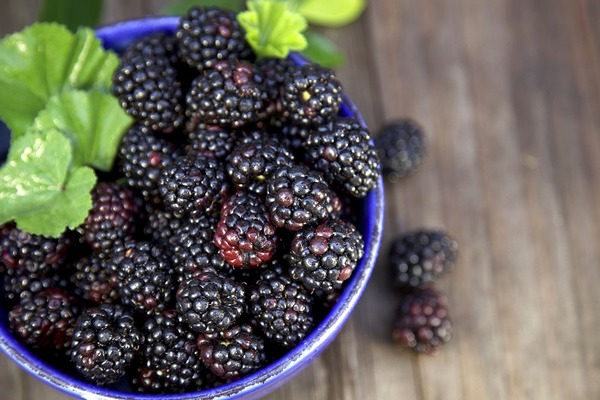
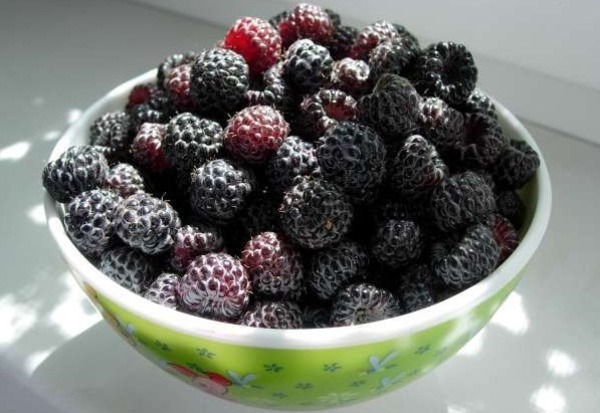
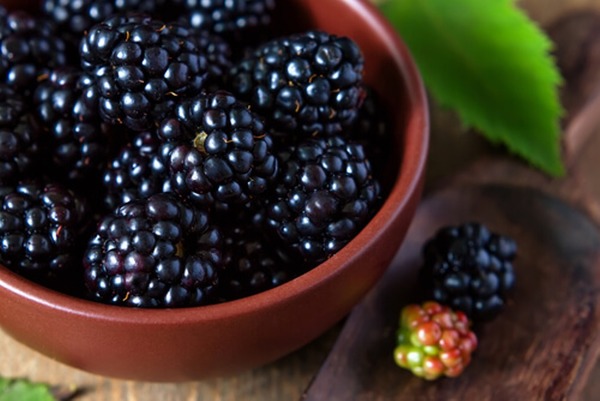
The entire rooting process for the seedlings prepared in this way takes about 30 days, after which the young plant begins to grow actively. As soon as you notice the first signs of development, reduce watering and regularly ventilate the greenhouse to prevent the young shoots from rotting.
When it's time to transplant the seedling to its permanent location, dig it up along with the lump of greenhouse soil, so the plant will be less likely to suffer from stress.
In home gardens, you can easily select green shoots that are ideal for propagation. These cuttings should be short, about 5 cm above ground. If you choose a longer shoot, rooting the seedling will be more difficult.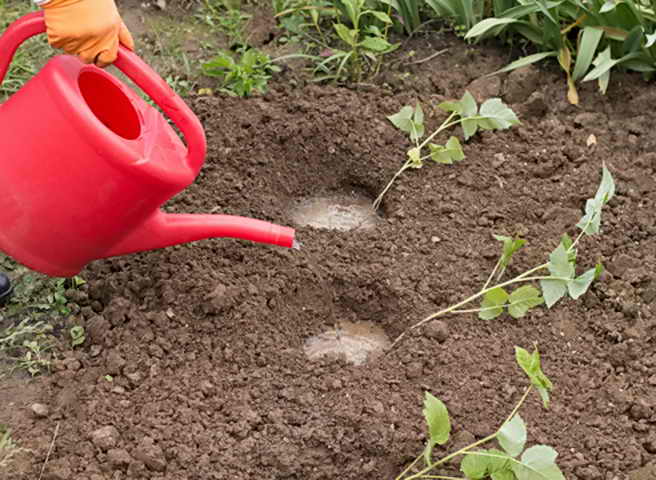
By following basic care guidelines and planting raspberries in the fall, you can confidently expect a berry harvest as early as next summer.
Video "Cuttings"
From the video you will learn how to properly propagate raspberries by cuttings.
Propagation by root cuttings
When answering the question of how to propagate raspberries using cuttings, we first need to define what root cuttings are. These are a portion of the root with a lateral shoot capable of independent development. It's crucial that the selected root is at least 2 mm thick.
Many farmers successfully stock up on root cuttings in the fall, when the natural vegetative process is complete. The selected cuttings should be wrapped in natural fabric and lightly buried in moist sand in a dark, cool place until spring. Once warm weather sets in, the raspberries are planted in prepared, well-watered furrows no deeper than 5 cm. The seedlings should be covered with soil and plastic film to create a greenhouse effect. 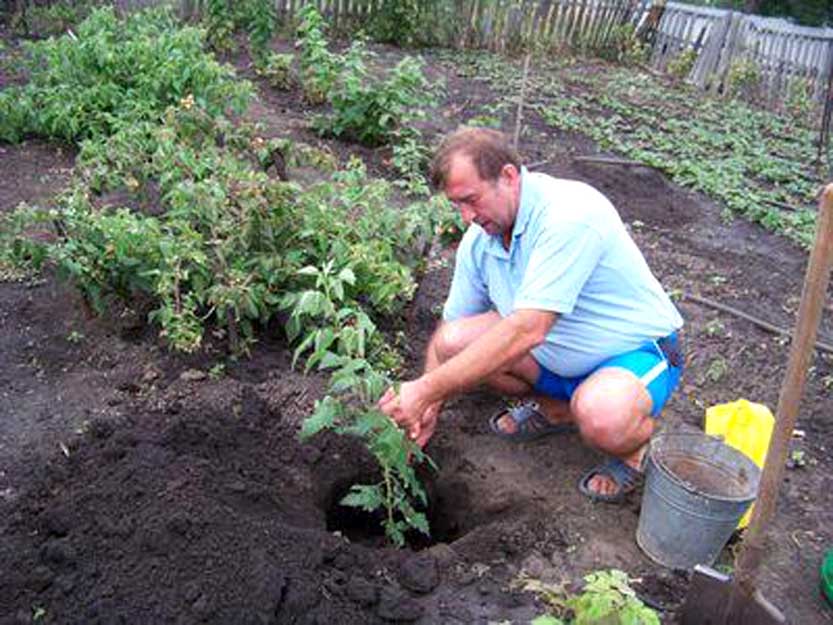 The optimal conditions for rapid rooting of seedlings are as follows: 100% humidity must be maintained under the film until the first greenery appears.
The covering material should be removed as soon as you notice the first green shoots. However, young shoots still need protection from gusts of wind and bright sunlight, so it's necessary to construct some kind of shelter.
Once the raspberries have fully established themselves, remove all coverings. The seedlings should be transplanted to the growing site with the root ball still attached.
Necessary tools
So what do you need to stock up on to successfully propagate garden raspberries from green or root cuttings in the fall? The tools you'll need aren't all that extensive: you'll need a regular garden shovel, a sharp knife or pruning shears, bags and sand for storage, and the seedlings themselves.
There's another rule that will help you achieve the best results: when choosing a shoot for a cutting, try to choose strong shoots with dark brown, healthy bark. If you choose shoots with a brown surface, you won't get a harvest, nor will you be able to root the plant.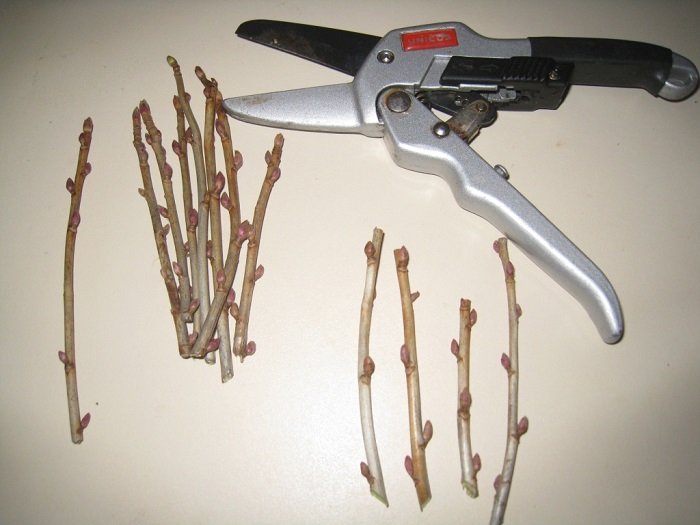
Of course, cuttings are far from the only way to grow high-quality raspberries at home. However, this method not only allows for significant savings on planting material but also preserves the purity of the variety and protects young plants from disease, as the planting material comes from healthy, robust bushes with a proven track record of fruiting.
Video "Reproduction"
From the video you will learn how to propagate raspberry bushes.