
Raspberry propagation: proven methods
Content
What is needed for reproduction?
A bountiful harvest of raspberries grown at home is the dream of almost every gardener. Beginning gardeners often wonder how to propagate raspberries. This process is quite easy. To propagate raspberries, you need to acquire the necessary tools, seed, and fertile soil. Furthermore, you need to create optimal growing conditions.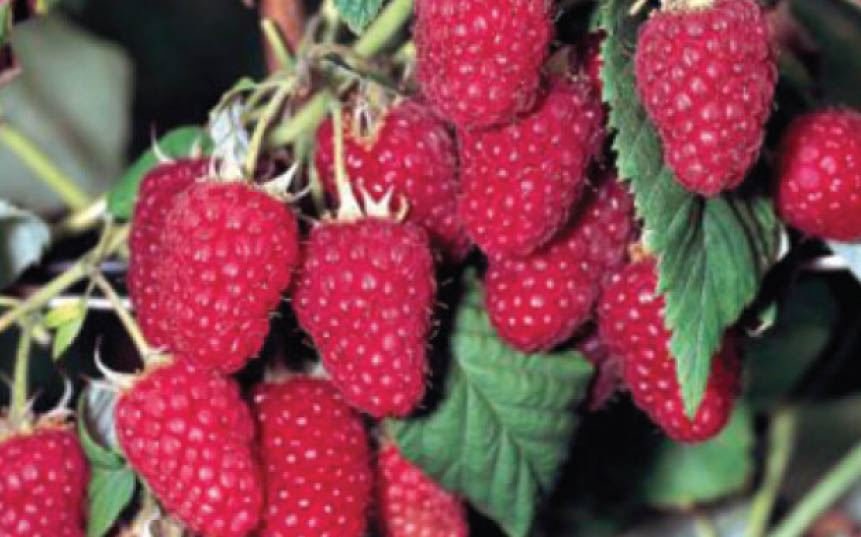
The culture reproduces under certain conditions: sufficient moisture, air temperature from 22° to 30° and a measured amount of sunlight.
Video "Methods of Reproduction"
From the video you will learn how to propagate raspberries.
Choosing the optimal method
When to propagate the plant? You can propagate raspberries in the fall, summer, or spring.
Planting should begin before the plant's growing season begins. This ensures a high survival rate in the new location. To cultivate berries in the fall, plants should be planted before mid-October in the central part of the country and before the end of the month in southern regions. However, raspberries should never be planted later than these dates.
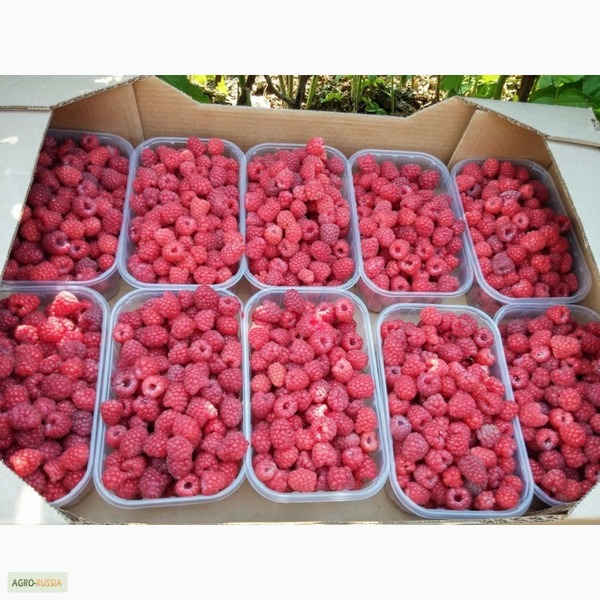
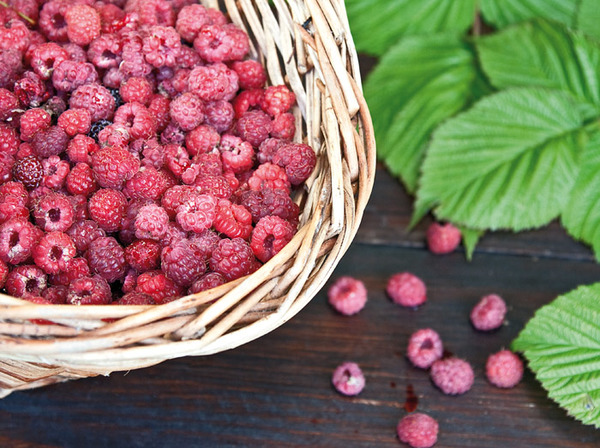

The answer to the question of how to propagate raspberries is ambiguous. It's impossible to develop a precise algorithm. Successful raspberry propagation depends on a number of factors that are very difficult to predict and take into account.
Propagation from seeds
Is it possible to propagate raspberries from seeds? This method is generally considered complex and requires special attention. Seed propagation is most often used by breeders to develop new varieties of the crop.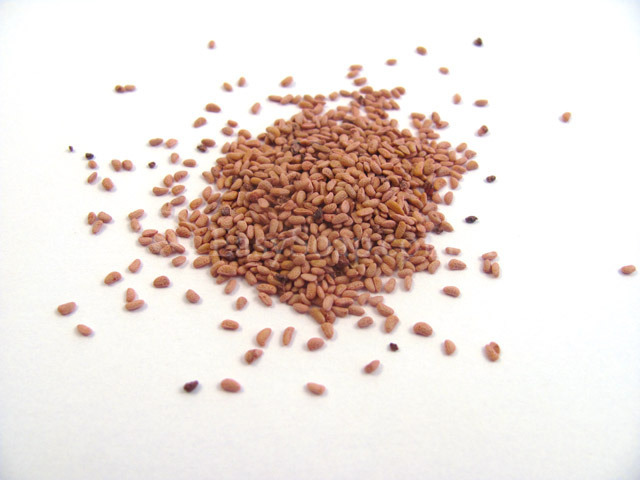
To harvest seeds yourself, select the ripest fruits and crush them into juice. Place the resulting seeds on dry paper or cloth to dry, then prepare for sowing. Raspberries are difficult to germinate, so their seeds are pre-stratified. If you plan to store the resulting seedlings, you can place them in a paper bag and store them in the refrigerator.
To plant, simply place the seeds from the packet in a shallow box or container filled with moistened, compacted soil. First, make furrows in the soil no more than half a centimeter deep, into which the raspberry "seeds" are placed.
Green cuttings
How to propagate raspberries using green cuttings? This method is considered the most successful. Growing raspberries this way allows the offspring to retain all the characteristics of the variety. Furthermore, propagating berries using green cuttings is inexpensive and requires little effort.
Gardeners often use green cuttings taken from root suckers. A cloudy day is ideal for this procedure. Simply snip the young shoots near the root using pruning shears or a knife.
Raspberries are well anchored in the soil if their planting material is placed in a special liquid that activates the root formation process.
Once obtained, the green cuttings are planted in a loose, moist soil mixture and covered with plastic wrap. The distance between plants should be at least 0.07–0.1 meters. Don't forget to water them regularly and provide the young shoots with minerals to support their growth.
If the sprouts are provided with the proper conditions, a month after planting, the cuttings will begin to grow vigorously. These changes indicate that the roots have already formed.
Now you can air out the plants and water them less frequently. The cuttings are transplanted to their permanent location along with the root ball. Following a watering schedule will ensure the raspberries begin to grow vigorously. Before transplanting, prepare the area for the procedure, following all growing guidelines.
Root cuttings
This method is most suitable for growing remontant types of berries.
A root cutting is a part of the root with a lateral shoot. This part of the plant is capable of growing independently. Where can I get such a "root shoot"? You can buy cuttings at a spring gardening fair, where vendors offer workshops on root pruning before planting. If you're replanting raspberries in the spring, all excess roots should be removed. If the root is no more than 0.2 centimeters long, it's already capable of producing a new plant. Simply plant it.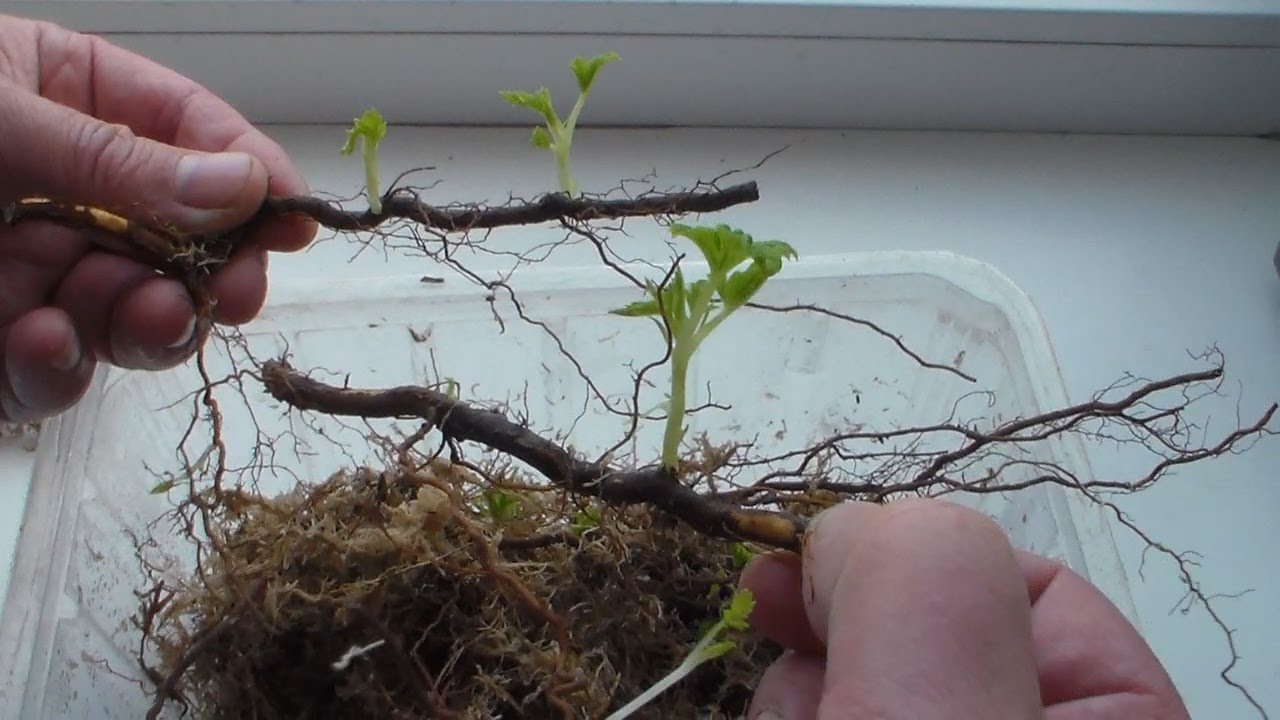
In spring, root cuttings are placed in holes up to 5 centimeters deep, covered with soil, watered generously, and placed under plastic sheeting. This covering helps retain water and heat. When young shoots emerge above the soil, the plastic sheeting is removed. The shoots should be protected from wind and direct sunlight. Once the bush has established itself, the protection is removed.
Root suckers
Raspberry propagation by root suckers is quite effective and quick. If green cuttings are taken in early summer, by the end of the summer they will have developed into root suckers, which have their own fully formed root system. However, their connection to the parent plant will still be quite strong. In the fall, these root suckers are dug up along with the soil and replanted. The planting site should be clean, meaning free of any other crops. It's also important to provide the plants with ample water and protect them from direct sunlight.
This method of propagation allows you to get a good and abundant harvest of berries.
Cuttings prepared in the fall
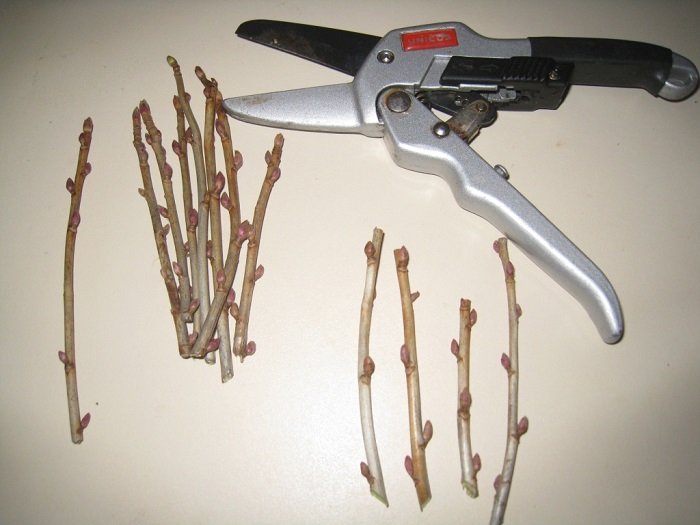
Raspberry bushes can also be propagated by cuttings taken in advance, starting in the fall. With the first frost, cuttings up to 0.3 meters long should be taken from the bush. They are wrapped in paper, then in cloth, and placed in damp sand.
At the end of winter, the cuttings are pulled out of the shelter, trimmed a little at the bottom and soaked for half a day in clean water.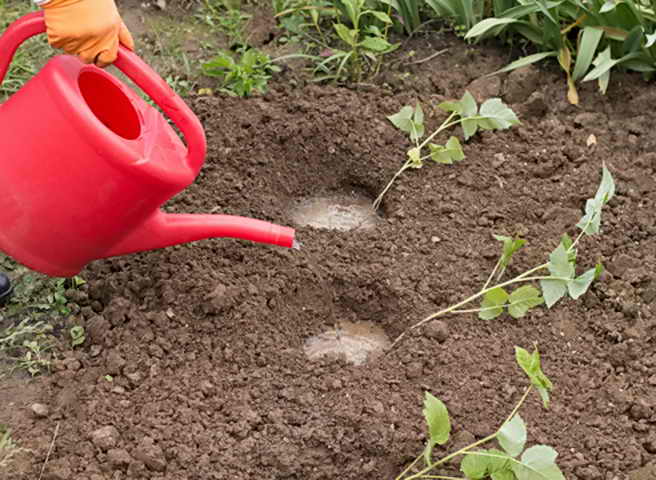
The cuttings are then planted in pre-fertilized soil mix, which is placed in half-liter plastic cups. Care for the cuttings is the same as for seedlings: water, fertilize, provide ventilation, and harden off before planting in their permanent location.
So, the answers to the question of how to transplant raspberries can vary greatly. However, if you master at least one method, growing berries can become a very profitable hobby.
Video "Leaving"
From the video you will learn how to care for raspberries.