
How to plant raspberries in spring
Content
Planting methods
Many experts believe that planting timing doesn't really affect the subsequent growth and development of raspberry bushes. However, spring plantings tend to have a higher survival rate. Many gardeners agree that "when" isn't as important as "how." After all, the speed of planting and the future harvest depend on how well the seedling is planted. Therefore, it's important to know how to plant raspberries correctly in the spring.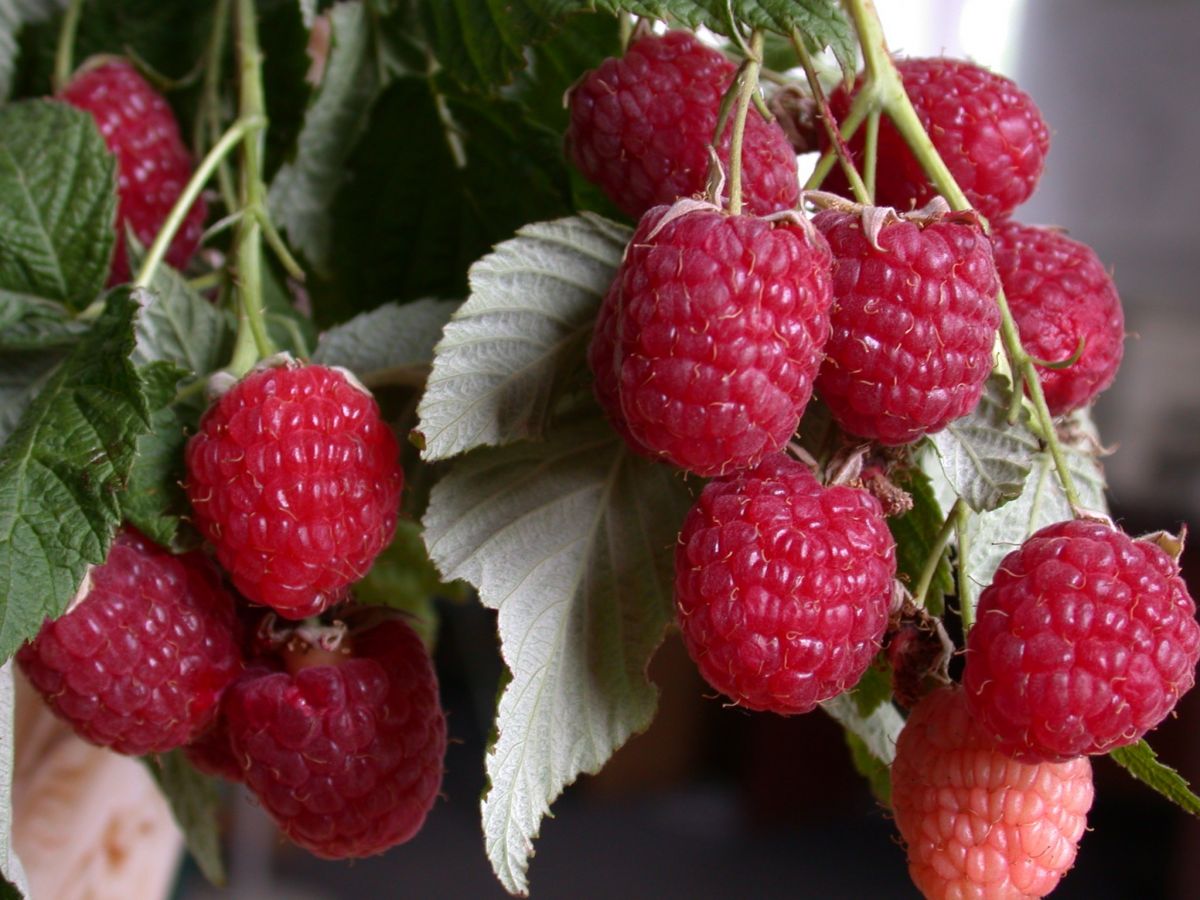
Today, there are two methods of planting raspberry bushes:
- bush, when planting is carried out in holes;
- trench.
Let's consider both options in more detail.
Video: "Spring Planting Guidelines"
This video will show you how to plant raspberries in the spring.
Bushy
To properly plant seedlings using the bush method, it's important to know the appropriate step-by-step instructions. It's important to remember that the bush method eliminates the need for preliminary soil preparation, which includes fertilizing and subsequent digging.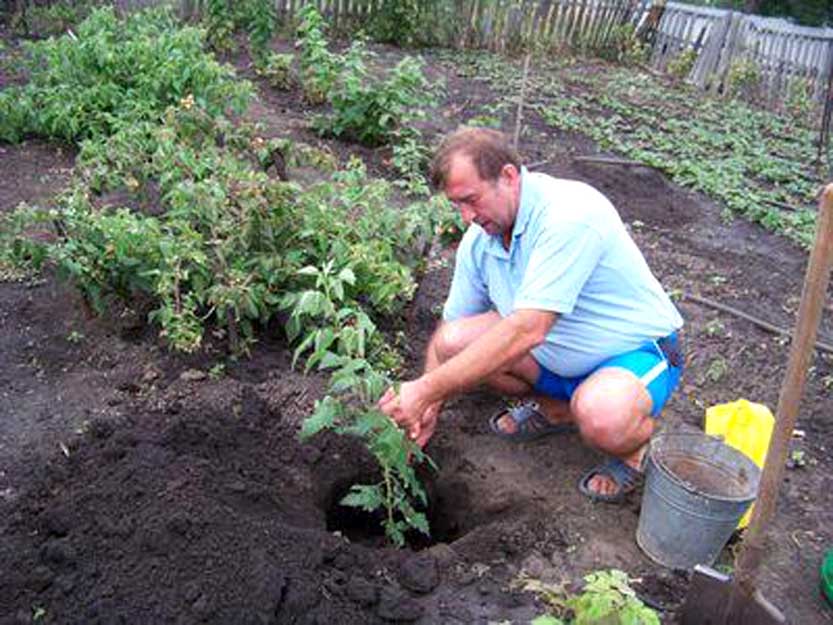
Planting of planting material into holes is carried out according to the following scheme:
- Holes should be dug approximately 1.5-2 weeks before planting. They should be 50-55 cm deep and 45-60 cm wide;
- Just before planting the seedlings, add 3.5-4.5 kg of humus or compost to the bottom of the holes. Mineral fertilizers should also be added. It is recommended to add 5-12 g of potassium salt, 25-35 g of superphosphate, and 12-20 g of ammonium nitrate to each hole. The best option is to apply both organic and mineral fertilizers simultaneously. In this case, the dosage should be halved.
- The fertilizer applied must be mixed with fertile soil and only then added to the bottom of the holes. This will create the most favorable conditions for the growth and development of the plant's root system;
- Next, we place the seedling in the hole. It should occupy a central position in the hole;
- Then, cover it with soil. It's recommended to shake the bushes gently as you dig them in. This will allow the soil to fill all the space between the roots. Note that the seedlings should not be planted too deeply in the holes. However, shallow planting can cause the basal buds to dry out.
- after this all that remains is to water the raspberry patch;
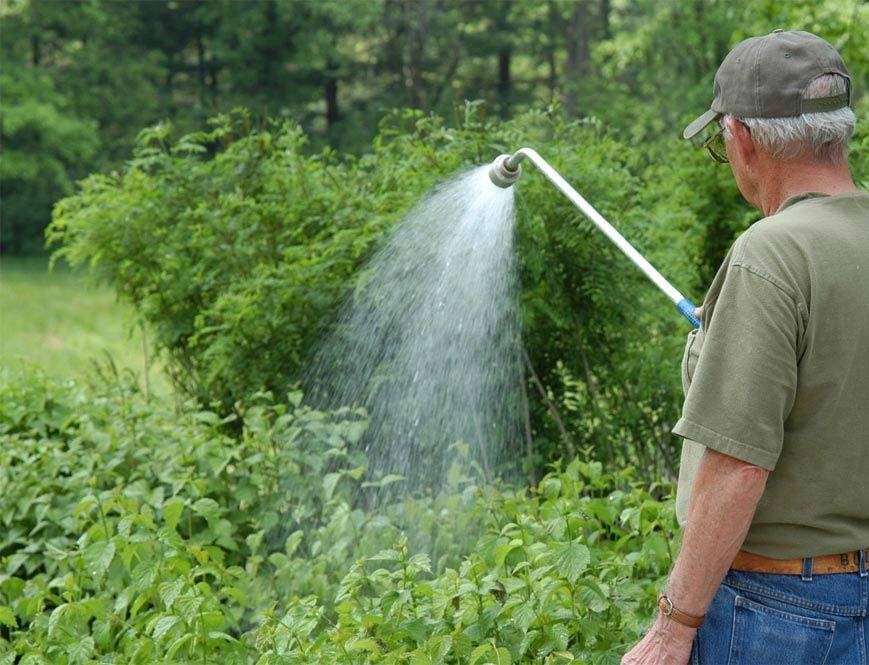
- Then, it's essential to mulch the soil. For this, use peat, sawdust, and straw.
Raspberry bushes are considered to have been planted correctly in holes if, after the soil has settled and watered, the root collar is at ground level.
This completes the bush raspberry planting process. Proper and timely care is required to ensure the bushes produce an excellent harvest, both qualitatively and quantitatively.
Trench
While bush planting is considered more common, many have never encountered the trench method. Therefore, not every gardener, including beginners, knows how to plant raspberries in the spring using the trench method.
Compared to the bush method, the trench method is considered more time-consuming and labor-intensive. However, it's worth noting that it ensures the raspberry patch is evenly fertilized from the start. This will ensure higher-quality fruit production in the future.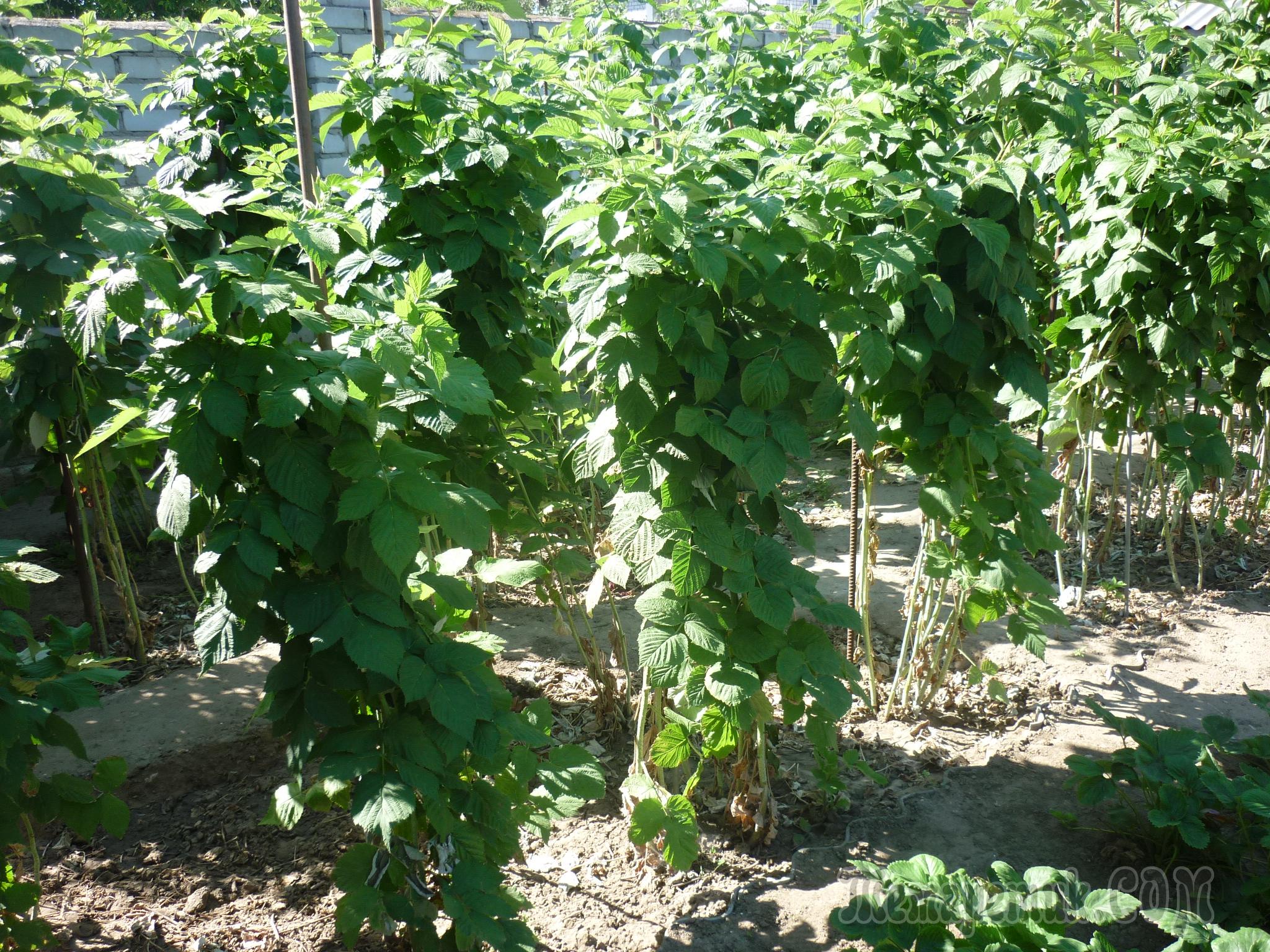
When using this approach, preliminary preparation of the site before planting raspberry bushes is necessary. This preparation should begin approximately 22-26 days before planting. If done correctly, this preparation will make subsequent raspberry care easier for the gardener, as well as ensure rapid rooting of the planted seedlings.
Dry and warm weather is essential for preparation. The process itself begins in the spring and includes the following steps:
- clearing the land of debris, weeds and roots;
- To prevent the formation of weeds between rows, it is recommended to cover them with black film, roofing felt or linoleum;
- Next, the cleared area should be marked with pegs;
- After this, they begin digging trenches for planting along a taut line. The trenches should be 45-55 cm wide and 42-52 cm deep. The length of the trench is arbitrary and is determined by the extent of the raspberry patch itself;
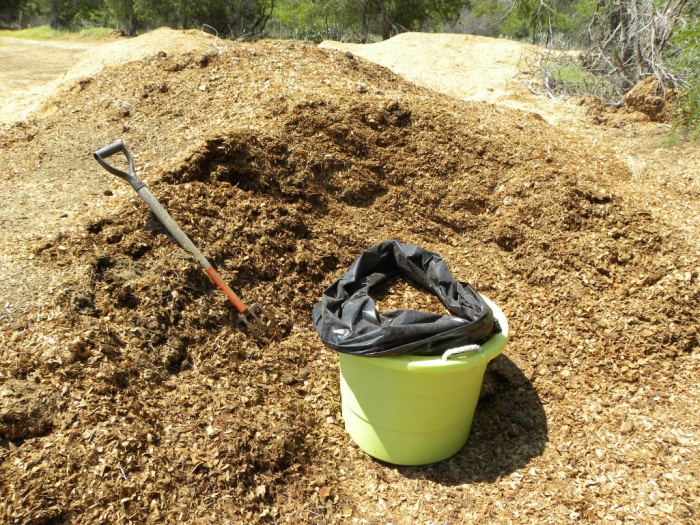
- Then, a mixture of vermicompost, black fertile soil, compost, or manure should be placed at the bottom of the dug trenches. The applied fertilizer should not exceed a depth of 15 cm;
- Next, sprinkle 120-180 g of double superphosphate on top of the fertilizer. Nitrogen-based fertilizers are not recommended, as they can slow down the rooting and adaptation process of planted seedlings.
- Then, add 1.5-2.5 scoops of ash to the trenches. It is recommended to apply this fertilizer very carefully. This can lead to a deficiency of iron and magnesium in the soil, which increases the risk of pathogenic microflora infecting the root system. In this case, the plants are at risk of dying.
Once the trenches are ready, they wait for the raspberry bushes to grow. Young plants are planted in the trenches according to the standard procedure. But remember that planted raspberries require proper care to ensure excellent fruiting.
Selection of seedlings
The first rule of planting raspberries correctly is to select healthy seedlings. It's worth noting that raspberries are an easy-to-grow plant. However, choosing the right seedling and planting location plays a key role in ensuring fruiting.
In this case, the following planting material will be considered optimal seedlings:
- The seedling's shoots should be of medium thickness. However, preference should be given to thin stems;
- The plant's root system should be fibrous and well-developed. It should contain white shoots and several mature surface stems.
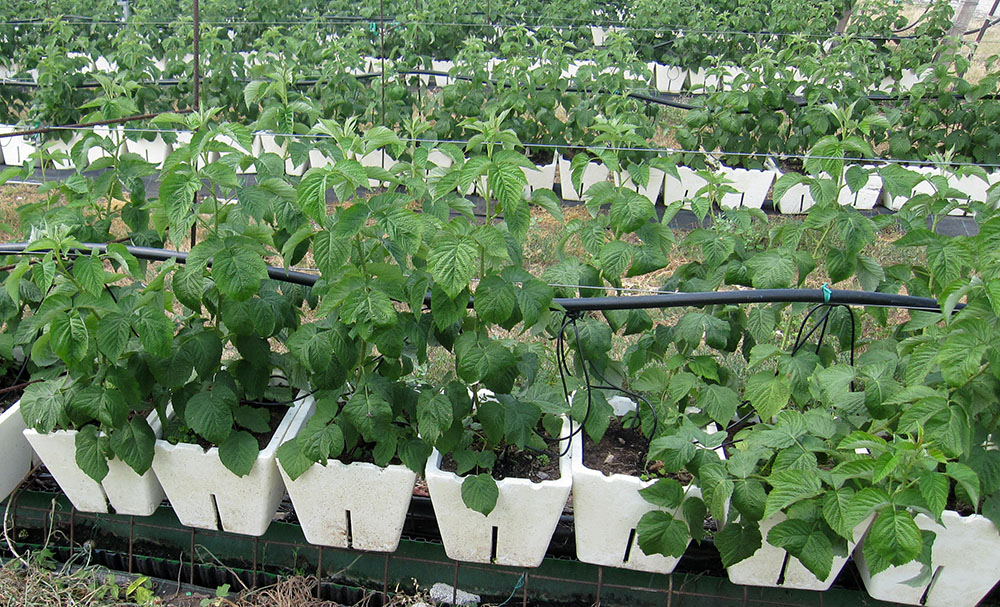
Purchased seedlings should be transported only with the root system wrapped in a damp cloth.
Remember that roots should not be exposed to open air for long periods of time. It is also not recommended to keep roots in a damp cloth wrapped in a bag or plastic bag for extended periods of time. This will reduce the quality of the planting material.
Before planting, the roots of young plants should be trimmed. No more than 35 cm should be left. Only buds that have not yet begun to grow should be left. This will prevent the plant from wasting nutrients on shoot growth rather than on proper rooting.
Choosing soil and location for raspberry bushes
Raspberries are an easy-to-grow berry crop that can grow anywhere. However, to ensure abundant and high-quality fruit production, it's recommended to plant them in well-lit areas.
Since this is a perennial plant, the location of the raspberry patch must be carefully considered. A favorable location for raspberry bushes is considered to be partial shade along a fence.
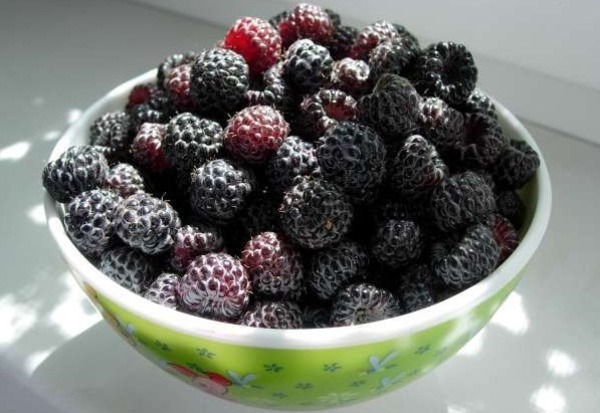
The sun should warm the plants in the afternoon. However, planting black raspberries along a fence is not recommended. These varieties should be planted in quiet areas well protected from the wind. A corner of the garden is an excellent location for them.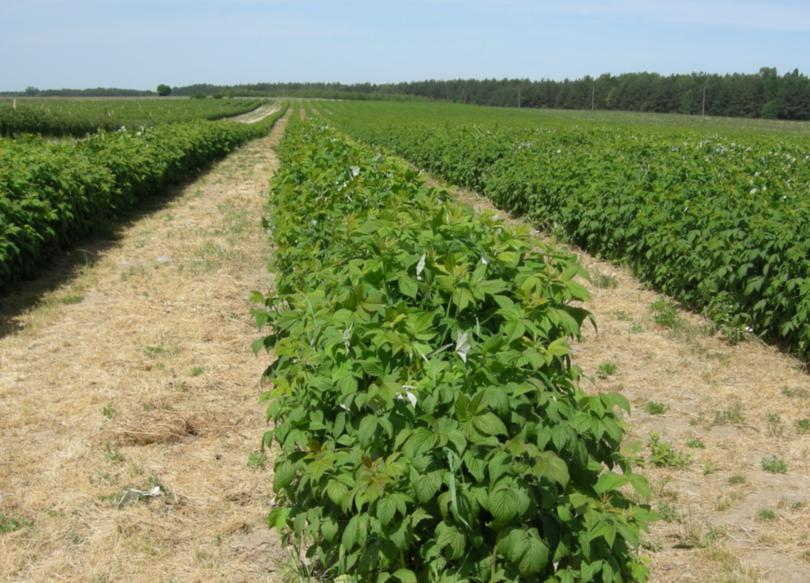
When choosing a site where raspberry bushes will grow, you should rely on the following criteria:
- The location should be well-lit and sun-warmed. This means the plants should receive full sunlight for most of the day. Partial shade is acceptable, but it can significantly reduce fruiting. Remember that everbearing varieties (such as Heracles) are particularly sensitive to light conditions.
- Protection from cold winds. To protect plants from cold air currents, it is not recommended to place them in the southwest or northeast;
- Rainwater should not accumulate in the area. Excessive moisture will cause the bushes to grow very slowly and produce small fruit. Groundwater should also not flow near the raspberry patch;
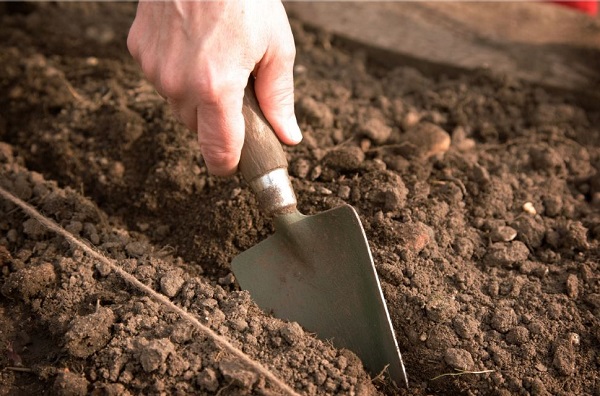
- The soil in the area should be slightly acidic to neutral, and well-drained. At the same time, the soil should retain moisture. Therefore, light loamy and fertile soils are ideal for planting raspberries. Seedlings can also be grown in sandy and sandy loam soils. However, in this case, annual application of organic fertilizer in the spring and regular watering of the raspberry patch are required.
It's important to remember that certain crops should not be grown in the future raspberry patch. For example, tomatoes and potatoes are poor predecessors for raspberries. However, cucumbers, beans, zucchini, and peas are good predecessors.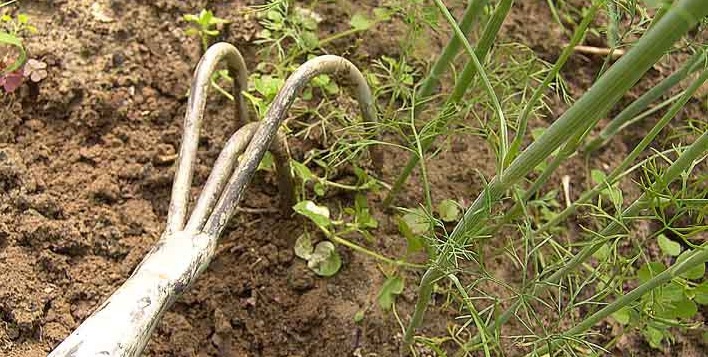
Once a suitable site has been found, it needs to be prepared for spring planting. This should be done in the fall, after all the harvest has been gathered. Site preparation involves the following steps:
- Removal of plant debris. To minimize the risk of infection in spring crops, after harvesting, all plant debris, fallen leaves, and cut shoots should be burned;
- then fertilizers are added to the soil;
- After this, the area must be dug up to evenly enrich it with nutrients.
If everything is done correctly, the plants planted in the spring will take root fairly quickly and produce a good harvest. If the site is poorly chosen, even the most precise and timely care will not achieve the desired fruiting level. Any deviation from the requirements will lead to the development of diseases and an increase in plant mass, detrimental to the yield.
Tips for beginners
Raspberries are a relatively easy berry crop to grow. However, for novice gardeners who aren't always familiar with certain nuances, growing raspberry bushes can turn into a tragedy. It often happens that some plants fail to thrive after spring planting. Minor losses are acceptable and entirely possible. This is nothing to worry about. However, if losses amount to a significant percentage, it indicates the gardener has made a mistake.
At the end of the first year, it's important to inspect the raspberry patch. Any plants that have dried out, grown poorly, or wilted should be removed and replaced with new seedlings. If the patch is small, replanting can be done in the summer. Young shoots are ideal for this.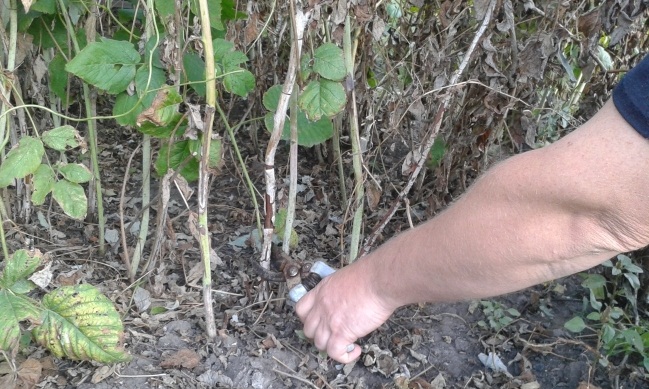
To ensure maximum survival of young plants in a new growing location, novice gardeners should adhere to the following rules and recommendations:
- Adherence to planting timing. If spring planting is being done, the best time is mid-April or early May. The buds on the trees should not have opened yet. However, planting timing may vary slightly depending on the variety;
- Fertilizing is essential. Fertilizing should be done not only when planting the seedlings, but throughout the season. This is especially important during the first year. Fertilizing also plays a crucial role when the soil characteristics are not entirely suitable for raspberries.
- To obtain a higher-quality and more abundant harvest, you can skip the first year's harvest. This will allow the shoots to grow stronger and produce more fruit the following year.
-
- Raspberry bushes should be watered generously. However, it should not lead to waterlogging in the soil, as this will negatively impact the health of the roots. Proper watering is especially important during the flowering and fruiting periods. The size and taste of the berries directly depend on the quality of the water.
- After watering, mulching the soil is essential. This helps retain moisture in the soil for longer.
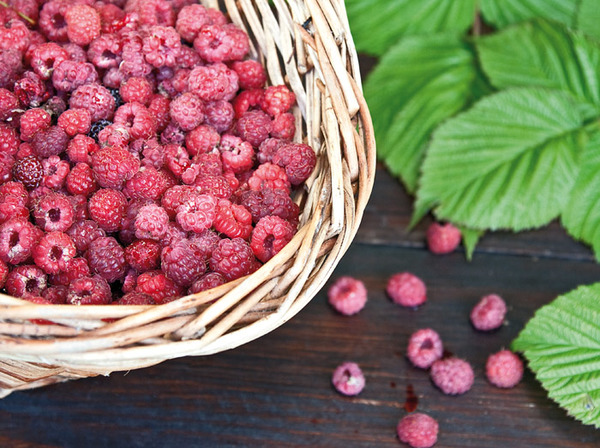

By following these simple rules, any gardener, even a beginner, can grow any variety of raspberry on their plot, ensuring the most important step—planting—is completed correctly.
Video: "Caring for Raspberries in Spring"
This video will show you how to care for raspberries in the spring.