
When and how to plant raspberries in the fall
Content
Benefits of Fall Planting
Many gardeners plant raspberries from cuttings in the spring, but planting in the fall is more effective and offers several advantages. Under similar conditions, planting seedlings in mid-fall will ensure high survival rates and a bountiful harvest.
This is achieved through moderate temperatures, the absence of scorching, hot sun, and abundant autumn rainfall. This facilitates successful rooting of planted cuttings.
Cuttings planted in the fall take root, entering a dormant period. During this time, they rest, gaining new strength, and with the arrival of spring, they begin vigorous growth. Flower buds will form on the grown shoots, which will subsequently yield a bountiful harvest. Therefore, autumn is the best time to plant raspberries.
Video: "Autumn Raspberry Planting"
In this video you will see how to properly plant raspberries in the fall.
When can you plant?
There's no exact date for planting raspberries in the fall. The best time to plant raspberries in the fall depends on factors such as the climate zone, the microclimate, and the raspberry variety. According to experienced gardeners, when to plant raspberries in the fall, the ideal time is considered to be planting raspberry cuttings. two or three weeks before the first frosts begin.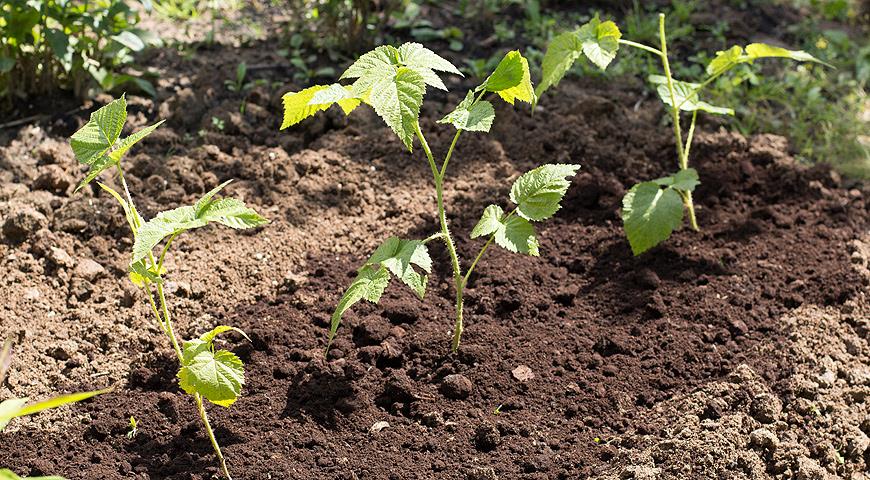
Planting and caring for berries will vary depending on the location of the plot. This process varies across different geographic regions: in the Moscow region and northern Ukraine, it begins much earlier than in Kuban and southern Ukraine. Regarding the approximate time for planting berries, it's usually from late September to mid-October, while in the south of the country, they can be planted until the end of October.
Choosing a location
Having decided on whether to plant your berries in spring or fall, you've settled on the latter option. In this case, the main thing is to choose the right location.
How to plant raspberries in the fall? It's important to choose the right location. The ideal location for a raspberry nursery is a level site with gentle slopes of no more than 5°. This is important, as steep slopes impair the water, air, and nutrient supply for the fruitful development of raspberry cuttings.
At elevated altitudes, plants experience a lack of moisture even during watering or rain, the quantity and quality of shoots deteriorate, and root shoots grow slowly and become weak.
The area where the raspberry bush will grow requires ample sunlight. Lack of sunlight or insufficient sunlight delays fruit ripening, slows stem tissue formation, and reduces the bush's frost resistance. This factor will further complicate the planting and care of the raspberries.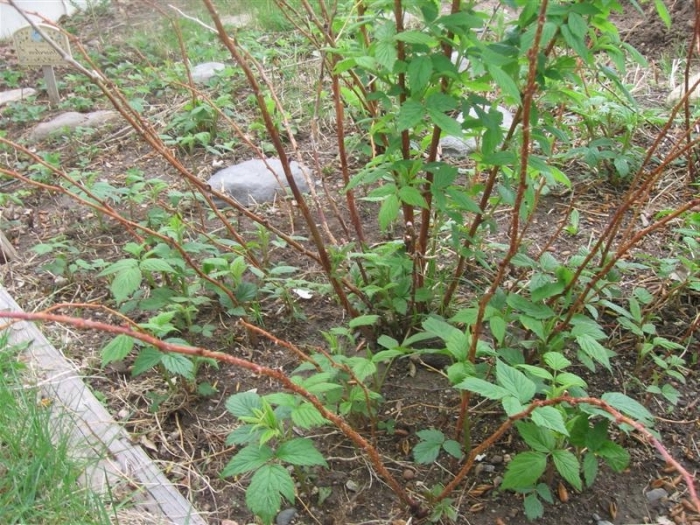
If the raspberry bush is exposed to significant shade, it will become more susceptible to diseases and will be attacked. insect pests, which will significantly complicate the care of raspberries.
Abundant soil moisture is the key to a good and bountiful raspberry harvest. The bush requires maximum moisture during the ripening period and shoot development. But moisture alone is not enough; raspberry beds require loose, nutritious soil containing beneficial minerals and organic components.
To many for amateur gardeners It's a well-known rule: the previous plants in the area chosen for planting raspberries should not be any members of the nightshade family: tomatoes, potatoes, paprika, bell peppers, or eggplant. Raspberries should not be planted next to strawberries.
But the area where currant bushes, gooseberries, legumes and onions grew are considered suitable.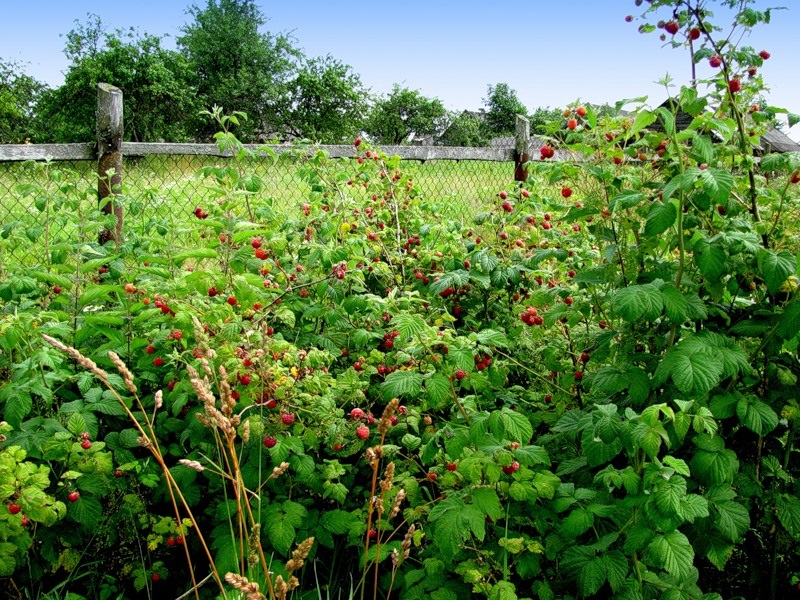
Having chosen a favorable place for planting seedlings, you should follow the instructions on how to properly plant raspberries.
How to prepare and plant seedlings
Before planting raspberries in the fall, select young, strong seedlings with established shoots. One-year-old raspberry bushes are best.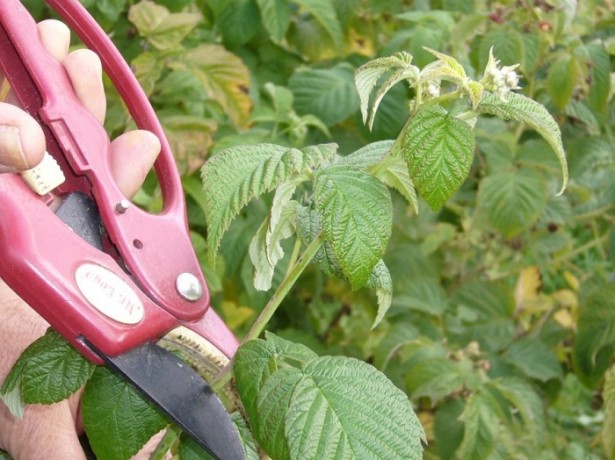
The selected seedlings must be cut from the bush and prepared for planting and care.
Another planting option is to dig up the entire bush and divide it into sections, each containing at least one shoot. The roots are placed in water, where they absorb moisture.
Young, vigorous seedlings are separated from the main plant, and a step-by-step preparation is performed: a seedling from a mature bed is carefully separated from the main plant. The root system of the old plant is cut off, and the new roots are shaken and straightened.
Before planting, the seedling is shortened by trimming the top of the shoot and clearing it of leaves.
The seedling height should be over 40 cm. This length is considered optimal; it will allow the plant to take root more easily and ultimately produce a bountiful harvest.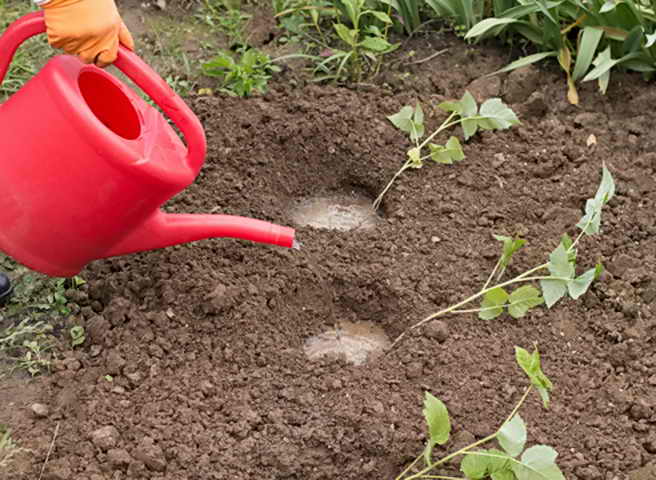
Gardeners typically use two methods for planting and growing raspberry bushes: bush and tape.
With the bush method, several bushes are planted in one hole at once; as a rule, this is suitable for small seedlings.
When planting in strips, raspberry cuttings are planted individually in a row. The main advantage of this planting method is its efficient and economical use of space.
Raspberries are planted in rows spaced at least 4 m apart, with 60 cm between adjacent plants. Trenches and holes 25–30 cm deep are dug for planting the seedlings. A layer of loose humus is placed at the bottom.
The plant should be planted in dry soil, carefully straightening the roots. They should be firmly in contact with the soil. During planting, the soil is gradually and moderately compacted layer by layer.
Avoid planting the seedling too deep in the soil, as there is a risk that new shoots will not grow.
After planting, ensure the seedlings are firmly anchored in the soil. Then, dig a hole around the bush and water it generously, with each bush needing 5-7 liters of water. In the following days, mist the plants, and then provide drip irrigation.
Mulching with rabbit droppings is considered an effective way to successfully root raspberry bushes; it retains moisture well, nourishes the soil, and prevents weeds.
Preparing for winter
How to care for raspberries in the fall and how long in advance should you start preparing for winter?
Experienced gardeners know that an effective way to prepare raspberries for winter is to properly bend the bushes down. This procedure should be completed before the first, even slight, freezing temperatures arrive. Ideally, the afternoon is the best time to do this, as the shoots are at their most flexible and the risk of breaking when bending them toward the ground is minimal.
When bending the bush, the shoots are stacked on top of each other, then they are secured with twine or string.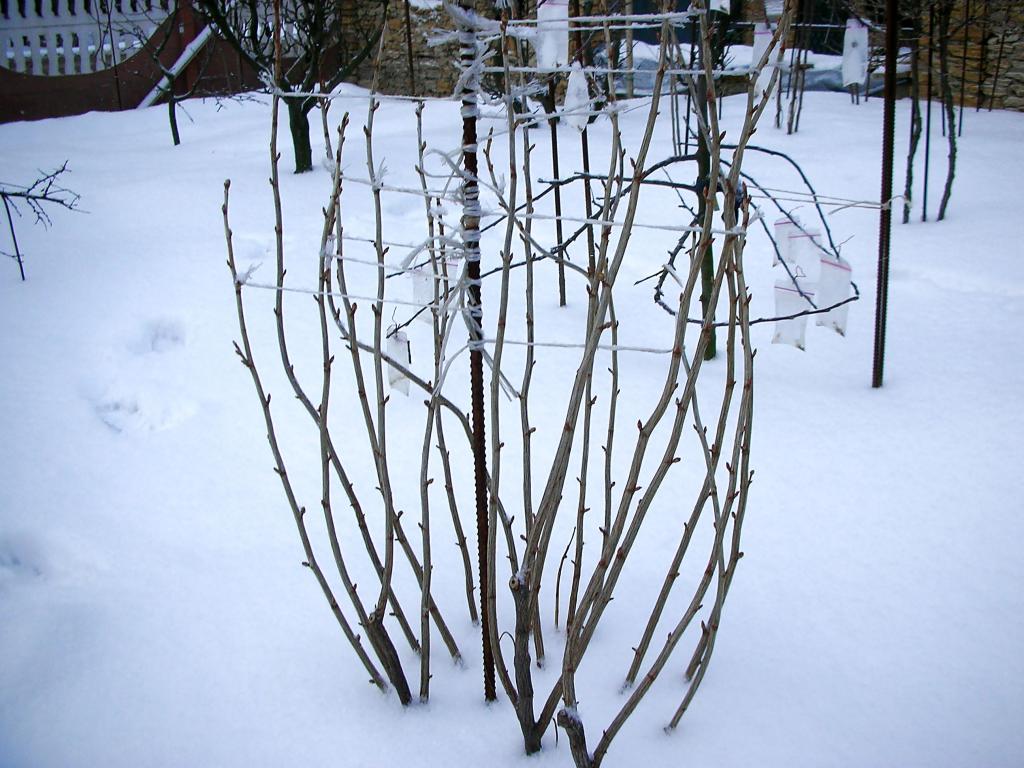
It's important to consider the depth of the bushes. It's absolutely wrong to bend the raspberries down half a meter from the ground, leaving a high arch of branches. In this case, you'll face a situation where fall planting will be ineffective, because the buds located in the center of the shoot will be unprotected and will freeze in severe frosts.
The successful overwintering and frost resistance of raspberry bushes depends on the condition of the plant. Simply bending the branches to the ground without paying any attention to the bushes is clearly not enough. Bushes require attention during the winter. When frosts intensify, it will be necessary to constantly monitor the bushes for snow cover.
If there isn't enough snow on the bushes, you'll need to add more snow, while also ensuring air gets inside the covered bushes. If an ice crust forms, it should be carefully punctured. To prevent the bushes from freezing, they should be covered with a moderate layer of soft snow.
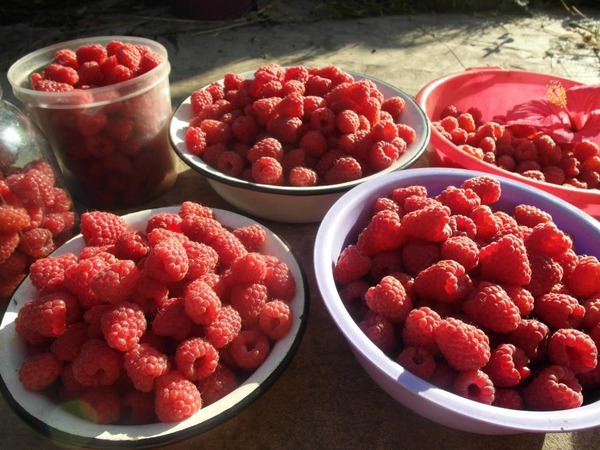
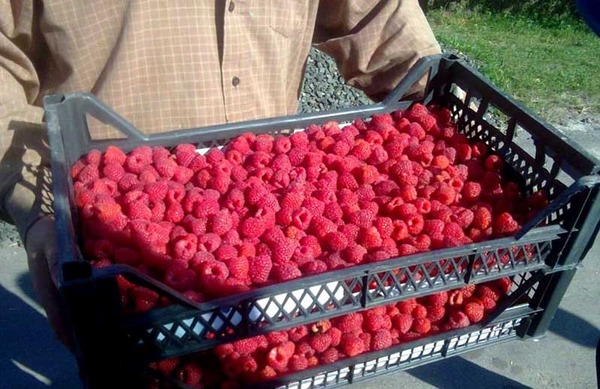
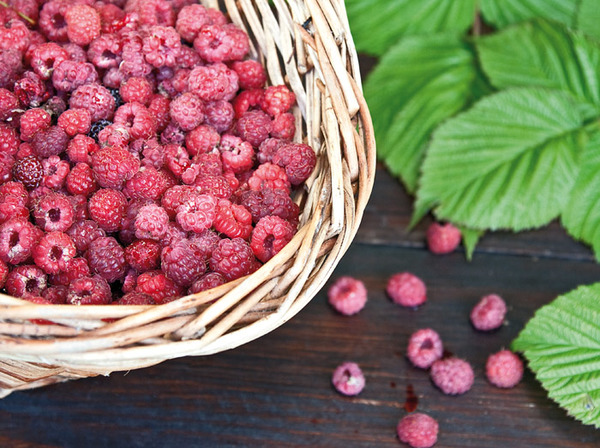
Timely and proper planting of raspberry cuttings in the fall, along with a competent approach to future bush care, will guarantee a successful and abundant annual harvest of these delicious and healthy berries!
Video: How to Properly Prepare Raspberries for Winter
This video will show you how to prepare raspberries for winter.