
How to plant raspberries correctly
Content
Selection of location and placement method
The first step is to determine the area of the garden that will be allocated for planting raspberries. The bushes can grow in the shade, but they will only produce a small harvest. The shoots will begin to stretch toward the sun, causing buds to form on unripe tops that will freeze in winter. Raspberries, however, require careful planting and care. They are heat-loving shrubs, so it's best to avoid planting them in the shade and instead choose a sunnier location, as sheltered from the wind as possible.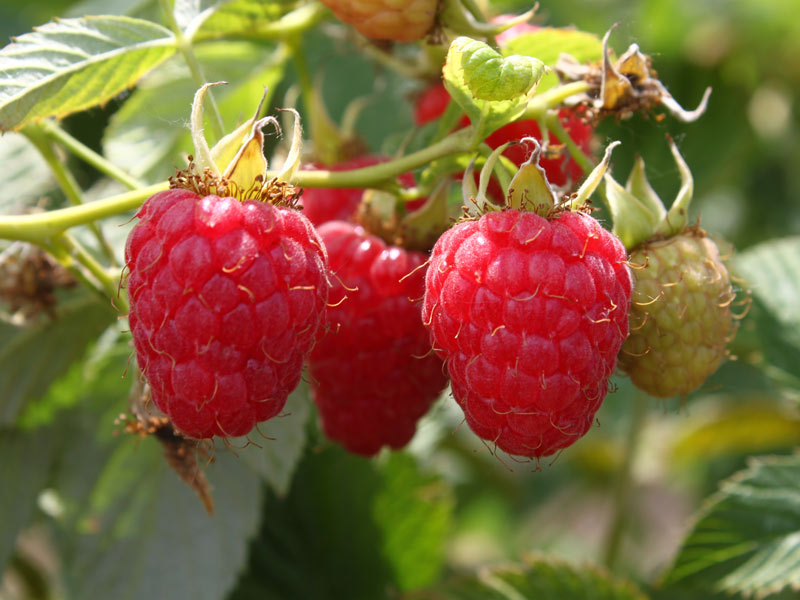
Planting raspberries close to potatoes, strawberries, and fruit trees is not recommended, as they are susceptible to the same diseases. A plot previously used for growing vegetables, currant bushes, or gooseberries is best for raspberry beds. Raspberry beds should preferably be positioned in a north-south orientation. This orientation allows the bushes to receive more sun and be less likely to be in the shade. Raspberry bushes are often grown close to a fence, often even alongside it.
Raspberry soil should be well-drained, fertile, and light loamy. You can also plant raspberries in sandy soil, but in this case, you'll need to fertilize the plants with organic fertilizer at least once a year. Raspberry planting guidelines also require observing spacing requirements, but more on that later.
Video "Boarding Rules"
From the video you will learn how to properly plant this berry.
Soil preparation
Now that the place where to plant raspberries has been chosen and the distance between raspberry bushes has been observed, it is necessary to pay attention to other equally important points.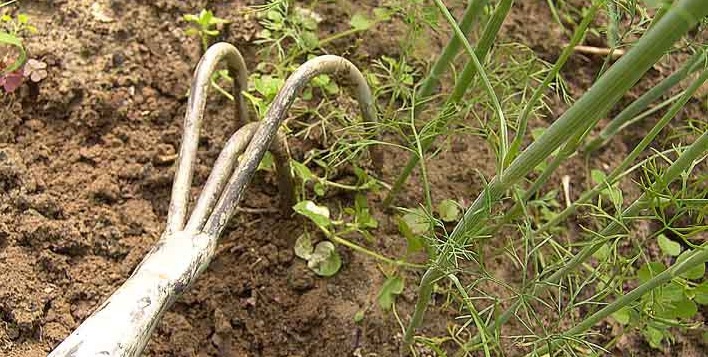
Planting raspberries in the fall, including October, requires special soil preparation. It is recommended to begin preparation 1.5 months before the planned planting.
For clay or sandy soil, you should add more manure, and for peat soil, you should add additional fertilizer with sand at the rate of 4 buckets of sand per m2.
If planting is planned for spring, mix fertilizer with the topsoil (if it's fertile) and fill the hole with the resulting mixture. A couple of weeks beforehand, prepare holes measuring approximately 50 cm x 40 cm.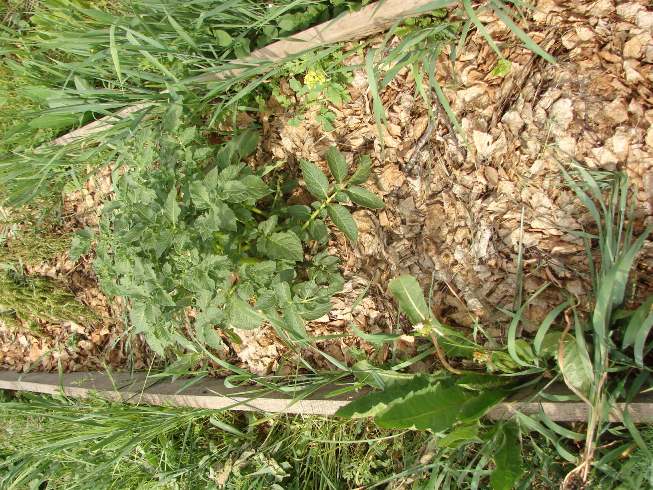
If you weren't able to prepare in advance, you can fill the hole with a prepared mixture, which requires the following components:
- 10 kg of compost or humus;
- 50 grams of potassium sulfate;
- 400 grams of wood ash;
- 100 grams of granulated superphosphate.
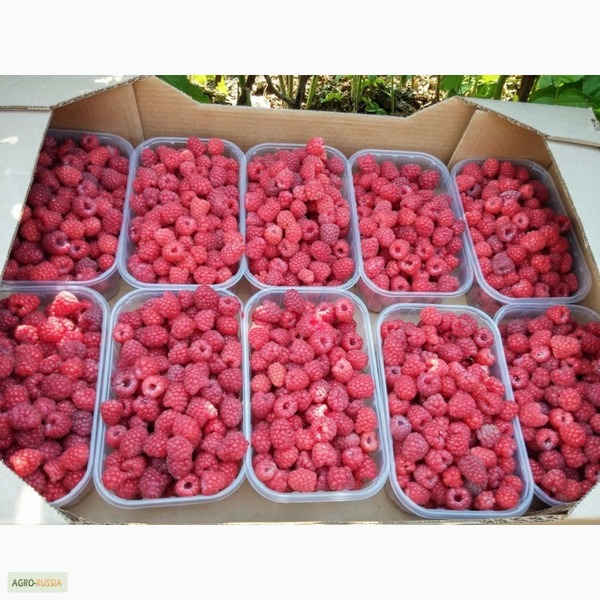
Gardeners are wondering when is the best time to plant raspberries—in the fall or in the spring? It's important to consider that the optimal planting time varies in different climate zones. For example, in regions with long, warm autumns, fall planting is preferable, with the best time being the second half of September and early October. This way, the raspberry seedlings will have time to take root before frost sets in, and in the spring, they will immediately begin to grow and thrive.

Landing
Before planting raspberries, you should first decide on the planting method to use. Raspberry planting can be done in two ways: trench and pit.
The first method involves preparing trenches for seedlings, 0.4-0.45 m deep and 0.5-0.6 m wide. Plants are placed in the trench at a distance of approximately 0.4 m. The distance between furrows should be at least 1.5 m. Fertilizers should be added to the furrows from the beginning. If the topsoil is fertile, it can be used to fill the trench instead of fertilizer, and a small amount of ash can be added during planting. However, this should be applied with caution to avoid exceeding the permissible alkalinity level in the soil. Nitrogen fertilizers are also not recommended for planting, as they can be detrimental to the health and development of the plants. 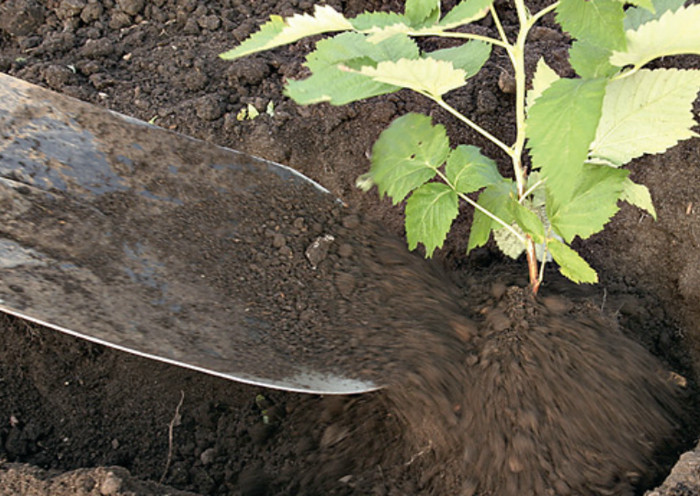 During planting, the roots should be dipped in a solution made from clay and mullein. Then, they should be placed in a furrow and covered with soil, shaking the seedlings occasionally to ensure the roots are evenly covered. Next, water the plants thoroughly, compact the surrounding soil, and then apply mulch.
The hole (bush) method is considered the most effective for planting raspberries in the fall. The holes are prepared in advance. They are typically no more than 0.6 m wide and up to 0.4 m deep. The distance between rows should also be at least 1.5 meters, and the distance between bushes should be no less than 0.7-1 meter. Fertilizer or topsoil is placed at the bottom of the holes.
Garter
Along with recommendations on how to properly plant raspberries, it's important to consider and analyze the advice on staking the bushes after planting. This is done using a system of stakes with wire and tied shoots, known as a trellis. This method involves placing stakes approximately 1.5 meters high between rows of raspberries, and 5 mm thick galvanized wire is tied between the stakes at a height of about a meter from the ground. The raspberry shoots are then tied to this wire. The stakes should form a straight row of neatly tied bushes.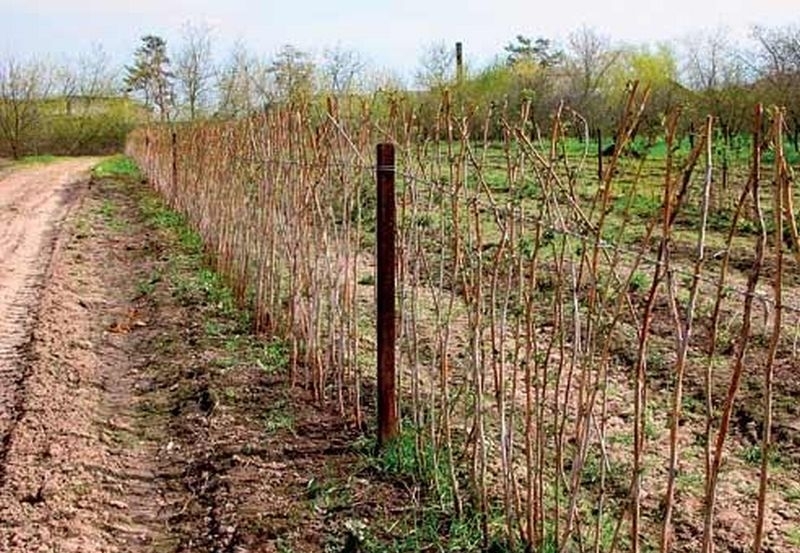
After a year, it's recommended to add two more rows of wire to the existing wire: an upper and a lower one. The lower wire is tied to the trellis at a height of 0.3 m. It will be useful for tying up the bent-down one-year-old shoots in September. The upper wire is installed at a height of 1.5 m. When used correctly, the trellis will protect the planted shrub from snow, improve plant propagation, and simplify the harvesting process.
Pruning bushes
To get a good harvest, it's not enough to know how to plant raspberries; you also need to know how to care for the bushes so they grow neatly and produce good fruit. This requires regular pruning, every spring to be precise. It's important to keep in mind that the optimal number of shoots per bush is seven. If the bushes are propagating normally, old and unwanted shoots are pruned, and those remaining are tied up. Raspberries that have suffered from fungal diseases, leaving spots, or are almost dead should be cut off at the ground and burned.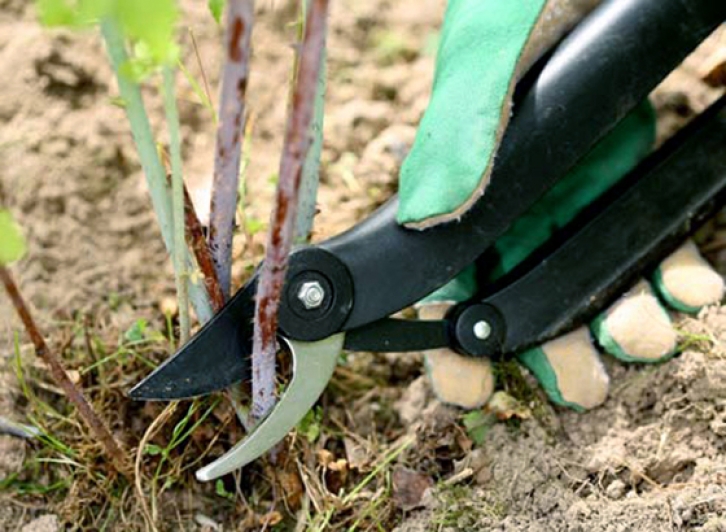
Growing raspberries doesn't require much effort or skill, but if you carefully follow a few rules and heed the advice of experts, you can harvest your first crop of this wonderful garden crop that same year, and in the third year, you'll reap an even more bountiful harvest to the delight of yourself and your loved ones.
Video "Leaving"
From the video you will learn how to care for raspberries.