
Secrets of fertilizing raspberries in the fall
Content
Symptoms of macronutrient deficiency
Identifying nutrient deficiencies in raspberries is easy, as there are a number of signs. The first signs of mineral deficiency appear at the base of the plant. If there's a deficiency of phosphorus, nitrogen, magnesium, or potassium, any signs of deficiency that appear on the leaves gradually spread to the stem and other organs. You can tell that your raspberry needs nitrogen by watching the lower leaves turn yellow. You can also notice the cessation of growth in these organs and the curling of their edges. The entire plant appears unhealthy. However, if these symptoms appear in late summer, avoid applying nitrogen to the raspberries in the fall. Otherwise, the young shoots won't have time to ripen and prepare for winter.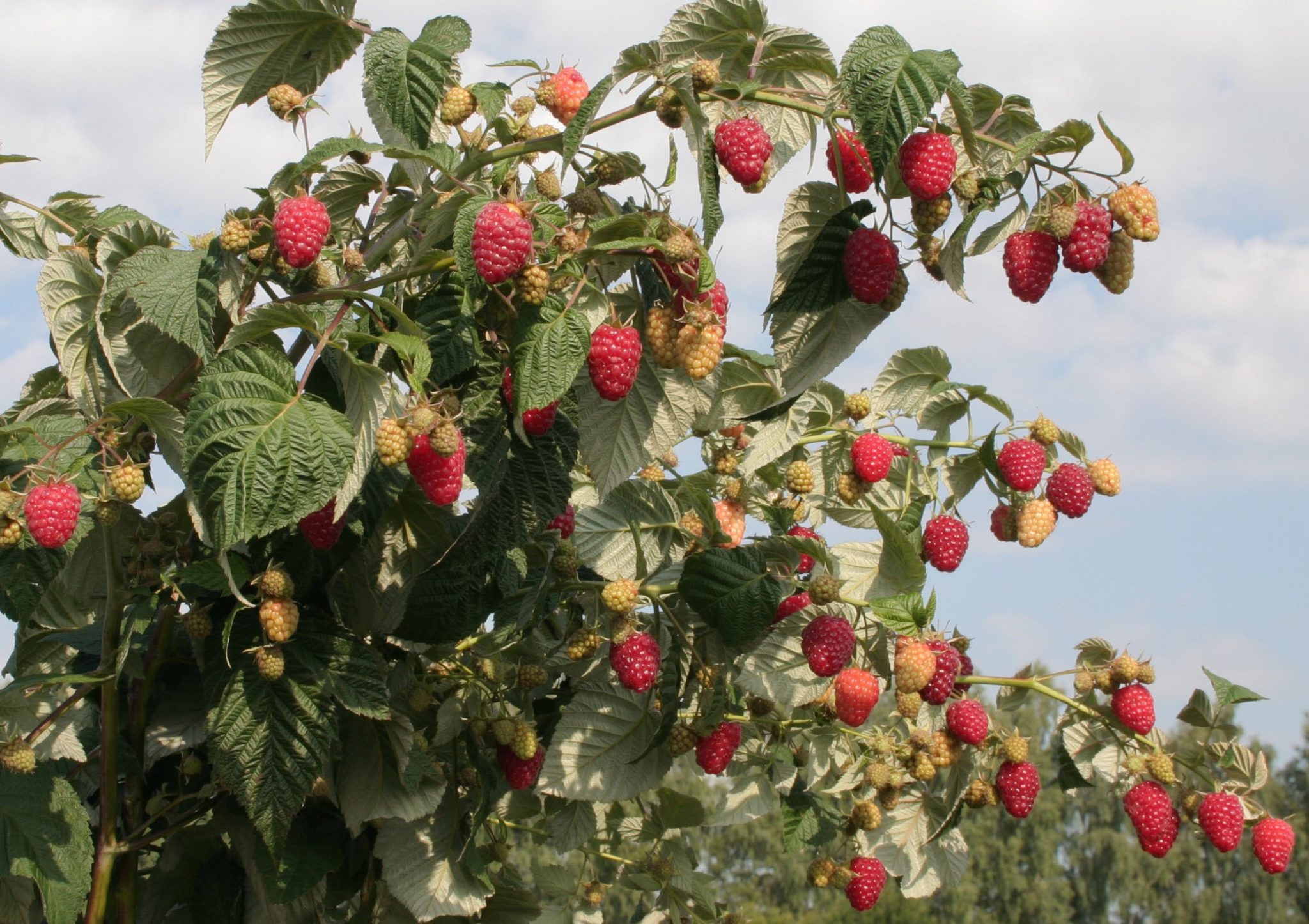
A change in the color of the lower leaves—crimson, purple, or violet—will help you determine that the berry needs phosphorus supplementation. Chemicals containing phosphorus can help correct this.
The main symptom of potassium deficiency is browning of leaf margins and their death. This phenomenon is commonly referred to as marginal necrosis. Adding potassium will not "revive" the edges of the organ, but it will restore the balance of the element in the plant and help it prepare for the cold.
When ready-made raspberry fertilizers aren't suitable or are unavailable, green manure plants can help balance the imbalance. They can be planted between raspberry beds in June. These crops include blue lupine, vetch oats, or mustard. In late fall, dig in the green manure, mixing it with the soil. Over the winter, it will rot and enrich the soil with beneficial elements.
Video "Leaving"
From the video you will learn how to care for raspberries.
Is nitrogen needed in autumn?
How to fertilize raspberries in the fall? Before applying nutrients, remove weeds and dig the soil between the beds to a depth of 0.015 meters. The rows themselves are dug to a depth of 0.08 meters. Before applying nutrients, apply manure to each unit of area. Apply 4 kilograms of manure between the rows. However, manure should be used as a fertilizer no more than once every three years. Excessive nitrogen stimulates shoot growth and development, which negatively impacts their ripening and winter hardiness. Therefore, many gardeners believe that it is best to avoid applying nitrogen to raspberries in late summer. However, this is not true.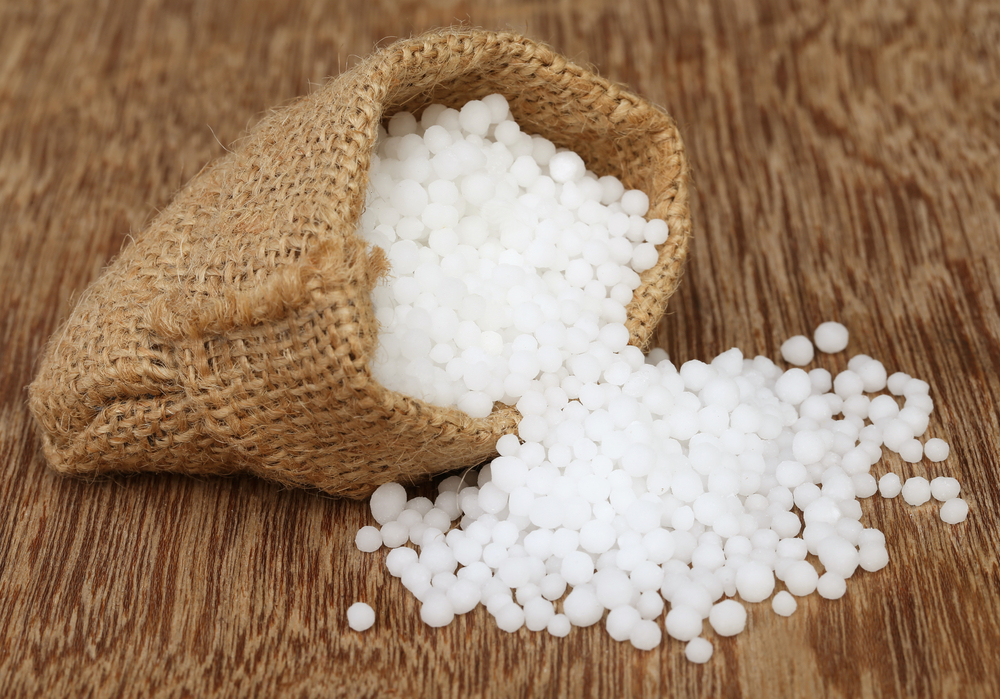
In August, secondary root growth begins in many crops, including raspberries. Nitrogen is a key component of proper metabolism. However, there's no need to fertilize plants specifically with it, as raspberry plantations require only a small amount of nitrogen. The nitrogen left over from fertilizers applied in the spring and summer is sufficient. Moreover, nitrogen is reliably retained in the soil by its organic matter. Furthermore, for root growth, plants typically redistribute nitrogen and use that stored in shoots, leaves, and other organs.
Is nitrogen beneficial after pruning? Yes, but only if you want to regenerate the plant's foliage. However, in this case, the purpose of pruning the bushes will be lost.
What to fertilize with in the fall
Can humus or manure be used as nutrients for raspberries?
The most commonly used complex fertilizers for raspberries are those containing potassium and phosphorus. The main fertilizer in this case is superphosphate. This chemical is usually available in either a single or dual type.
The first fertilizer contains up to 20% phosphorus, while the second contains 49%. Both fertilizer options are also used during planting. However, double superphosphate is considered more convenient and technologically advantageous.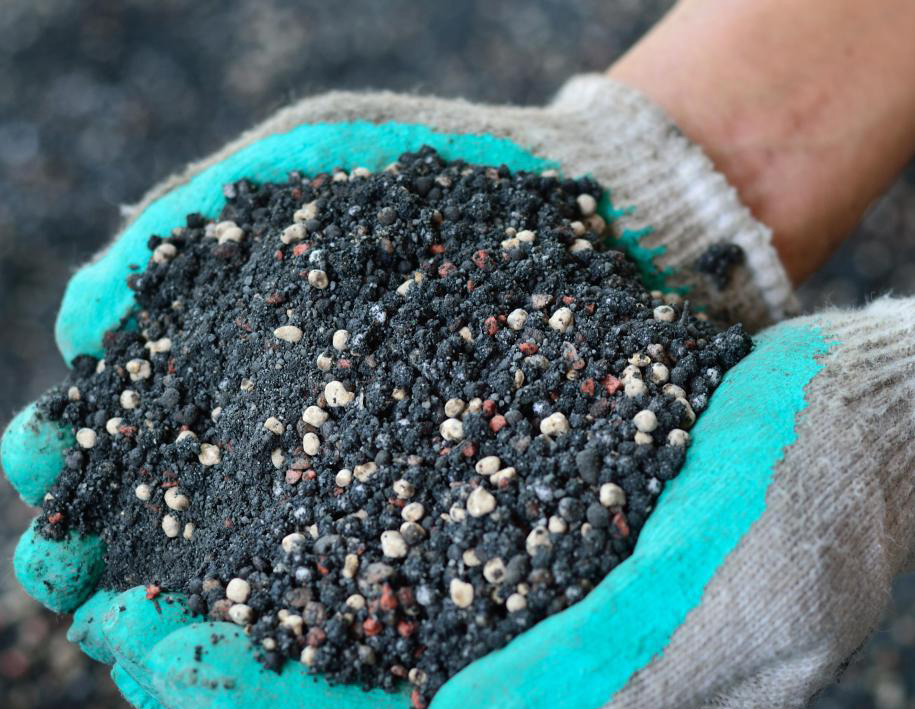
Phosphorus moves slowly in the soil. Like nitrogen, it doesn't migrate with water flow into the lower soil horizons. If the fertilizer isn't placed where the raspberry roots can easily absorb it, it's extremely difficult for the plants to absorb phosphorus. Therefore, spreading superphosphate over the surface, either haphazardly or without incorporation, is pointless. Phosphorus-containing fertilizers should be incorporated into the soil layers where the berry bush's roots are located. Therefore, the incorporation depth should be at least 0.07 meters. The required amount of fertilizer is 0.06 kilograms per plant.
Fertilizing with potassium fertilizers
Fertilizing raspberries with potassium in the fall is no less important than phosphorus. It can even be considered more important. Potassium can positively influence the plant's resistance to frost. Monophosphate contains potassium (34%) and phosphorus (52%). This substance is highly water-soluble, allowing plants to fully absorb it. Furthermore, it must be incorporated into the soil. Roots will only absorb the substance effectively within their own area. This rule applies to all phosphorus-containing substances. Potassium should be applied at a rate of 0.04 kilograms per plant.
The use of potassium magnesium sulfate is quite common among gardeners. In addition to potassium, it contains 18% magnesium, which is essential for plant nutrition. Furthermore, this substance is not as saturated as potassium chloride or potassium sulfate, so the dose of potassium magnesium sulfate should be increased, but not more than doubled.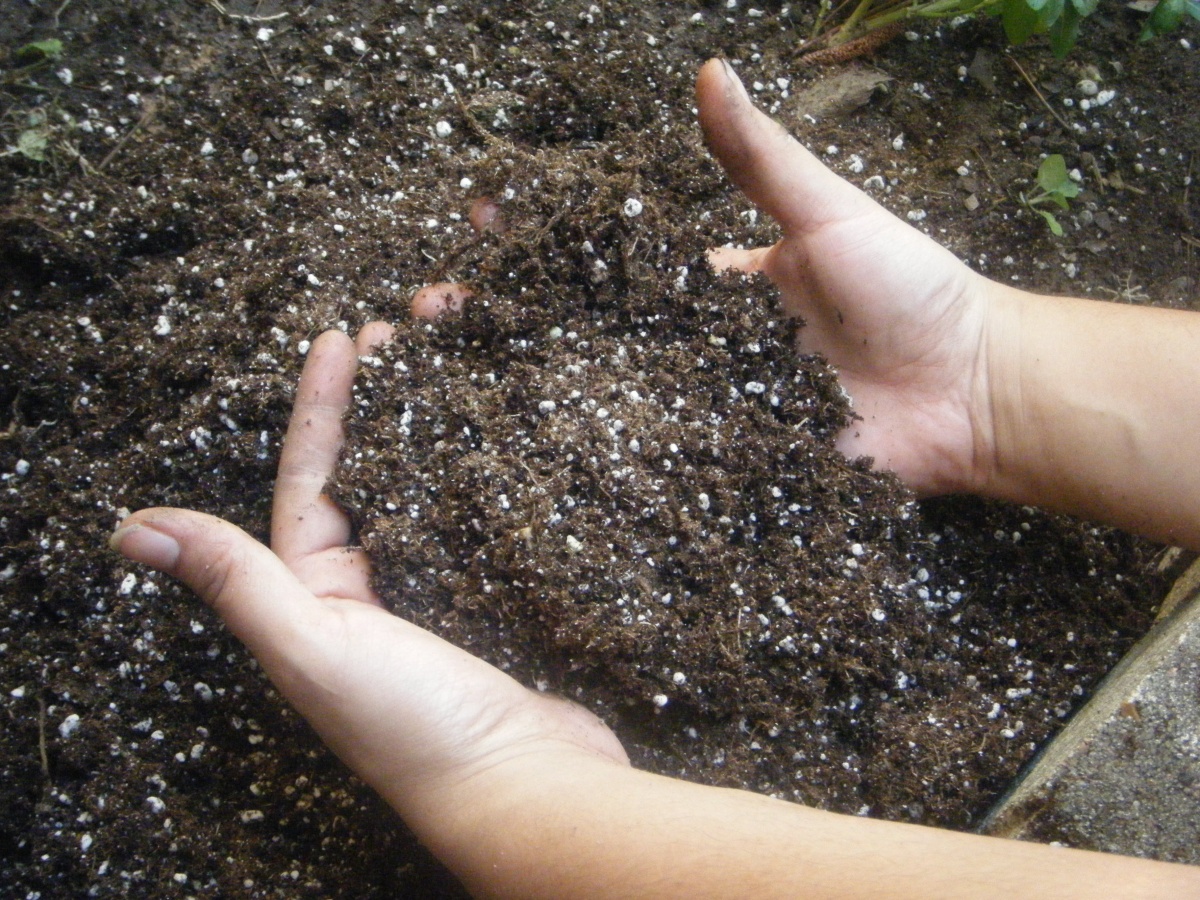
To fully prepare raspberries for winter, their bushes must be pruned and carefully covered.
So, fertilizing raspberries is crucial, especially for preparing the berries for winter. Knowing which substances to use as fertilizer is crucial. For example, manure is a good option at one stage, but completely unsuitable at another.
Video: "Fall Fertilizing"
This video will show you how to feed raspberries in the fall.