
Basic rules for feeding raspberries
Content
Fertilizers when planting
The better the soil quality in which raspberries grow, the healthier the bushes and the richer the harvest. To harvest a large number of berries in the first year, raspberry fertilizer should be applied before planting, during soil preparation.
When preparing the beds
Preparing a raspberry bed should begin with removing plant debris and weeds and digging the area. Dig to a depth of 25-30 cm, removing all roots and debris, and breaking up clumps.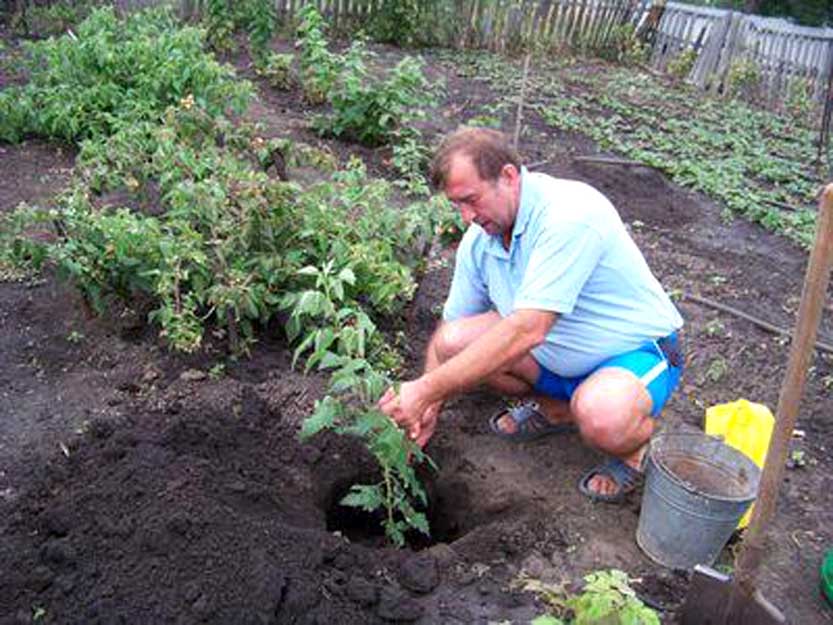 It's important to remember that raspberry bushes grow very quickly, and the nutrients added at planting alone won't be enough for the roots. Therefore, fertilizer should be applied during digging around the entire perimeter of the bed. The choice of fertilizer for raspberries depends on the gardener's capabilities and preferences. Both organic and mineral fertilizers are suitable during this period, so a combination of both is possible. The recommended rate per 1 m² is:
- humus (5-6 kg), any mineral mixture containing phosphate (80-90 g), potassium (25 g);
- compost mixed with peat (1 bucket), potassium salt and superphosphate (1 glass each).
If the plot is fertile and hasn't been previously grown, no fertilizer is required. Adding just ash (0.5 kg/m²) will improve the flavor of the berries.
During direct landing
Berry crops consume a significant amount of nutrients during their early growth, so fertilizer should be applied directly to the planting hole during planting, even if the main fertilizing was done during site preparation. Fertilizer is added to each planting hole in the following proportions:
- compost or humus (can be mixed) – about 4 kg/1 m²;
- superphosphate – 2 tbsp. spoons;
- potassium salts or ash – 2 tablespoons;
- slaked lime – 1 glass (if the soil is acidic).
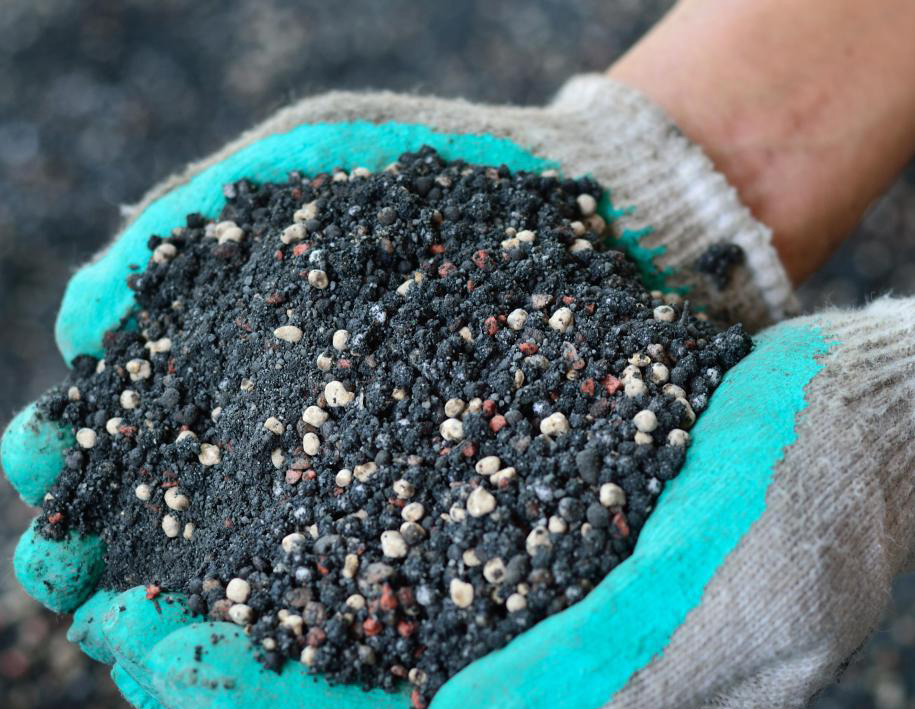
Fertilizers should first be mixed into the soil and only then added to the planting holes. After planting, the tree trunks are mulched with peat, dry humus, or sawdust to a depth of 10 cm. Organic mulch not only prevents moisture evaporation but also provides additional nutrition.
Video: Planting and Fertilizing
This video will show you how to plant raspberries correctly and how to feed them.
Top dressing
The bed lives and bears fruit for about 10-12 years, and during this time it is necessary to regularly feed the raspberries in the spring, mid- and late summer, and also before wintering.
Spring-summer events
In spring, all trees begin to bud, and raspberries are no exception. It's believed that fruit and berry crops require nitrogen at this time, but mineral nitrogen mixtures can only be applied to mature raspberries that have been in the same location for more than four years. These mixtures (urea, ammonium nitrate) are scattered between the rows before tilling the soil at a rate of 1 teaspoon per meter of planting space.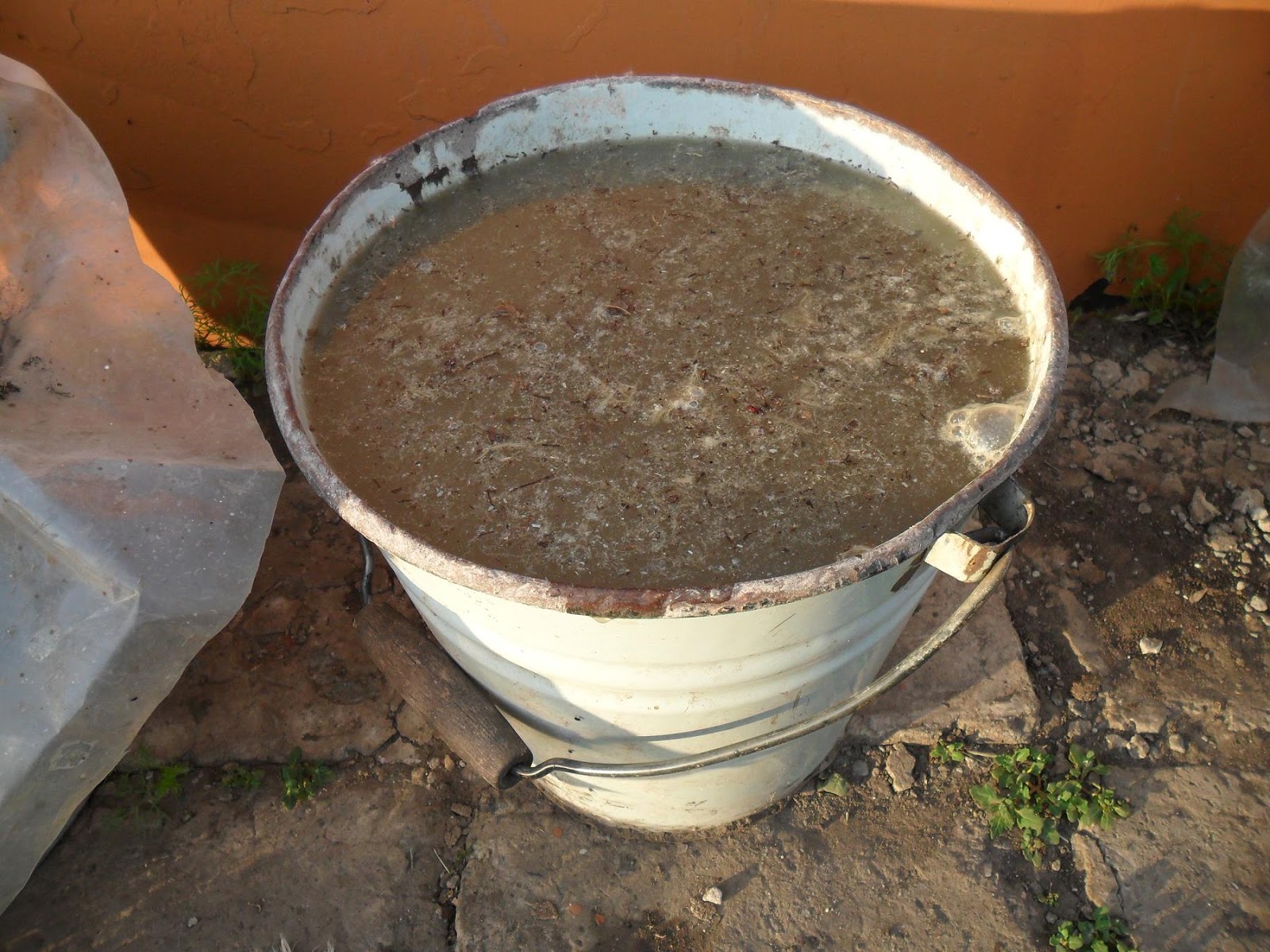
In the spring, you can add an organic water solution to raspberries that have been growing in one place for a long time: fresh manure in a ratio of 1:10 or chicken manure in a ratio of 1:20. At least 5 liters of this solution should be poured under each bush. A ready-made fertilizer suitable for raspberries is "Kemira" (3 tablespoons per 1 liter of water) – apply 1 liter under each bush. In mid-May, the raspberry patch can be mulched with dry, rotted manure at a rate of 5-6 kg per 1 m² of bed. This fertilizer will provide the raspberry patch with nutrients for the entire summer.
In summer, when the berries are in full ripening, it's recommended to use bone meal as a mulch around the tree trunks. This mulch contains many nutrients essential for fruit development. After harvesting (in August), raspberries should be fertilized with wood ash. At this time, young shoots are forming fruit buds that will bear fruit next year, and potassium fertilizer is especially beneficial. Scatter it between the bushes so that the young plants absorb the potassium gradually, resulting in tastier and sweeter berries the following year.
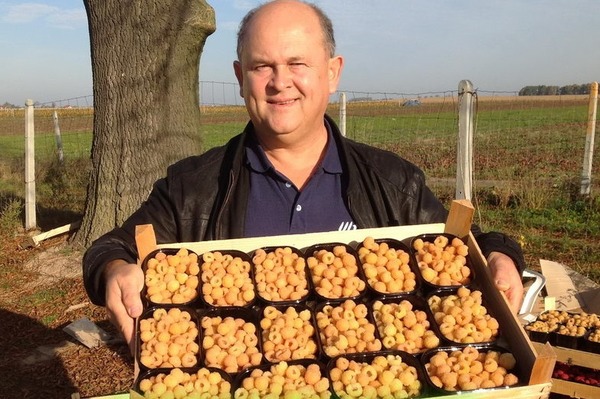
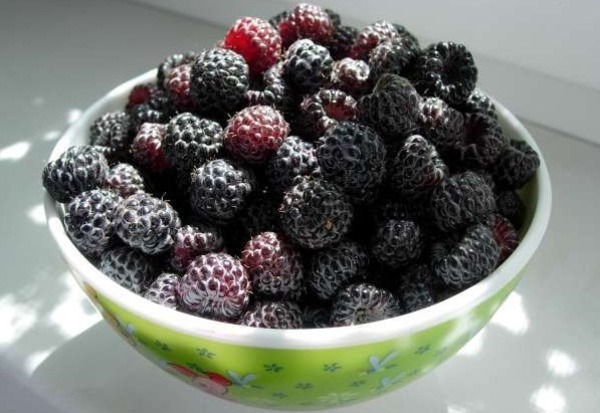
Many gardeners use green manure (mustard, clover, lupine) for fertilizing at the end of summer. To ensure the plants produce green mass by the end of August, they are planted between rows in mid-July and then dug in at the end of summer. Over the winter, the plants will rot and provide nutrients to the raspberries.
Autumn feeding
During the fruiting period, especially if it's been repeated, raspberry bushes have extracted all the nutrients from the soil, so they need to be fed again before the winter cold sets in. The final raspberry feeding of the season is done in September.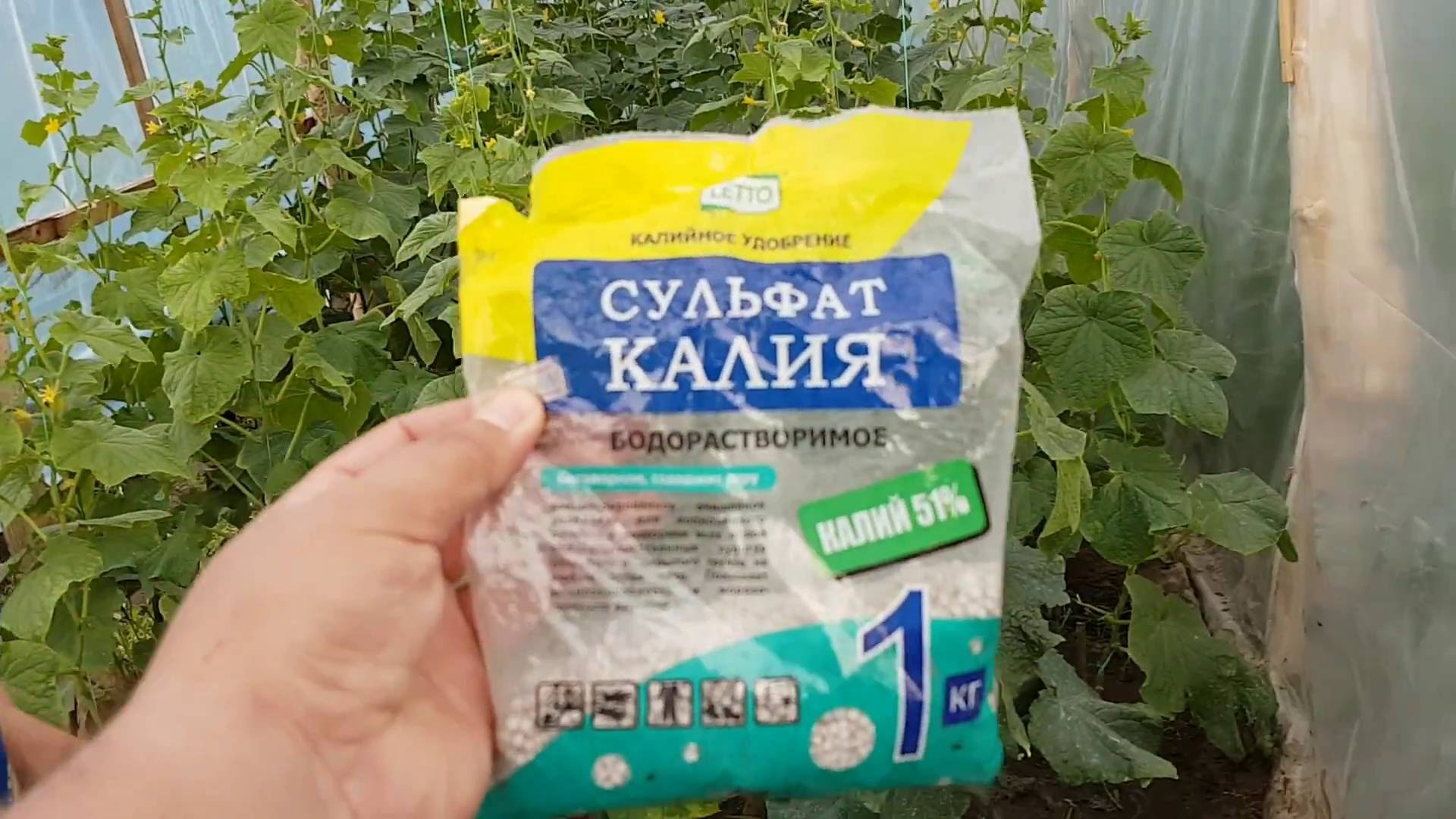
You can apply organic matter (compost, humus) or a complex mineral mixture containing phosphorus and potassium (ammonium sulfate). A mixture of potassium salt (40 g) and superphosphate (50-60 g) can be used. Sprinkle the granules over loosened soil, then cover with a thin layer of soil. Mineral fertilizers are preferable in the fall, as they promote the development of more fruit buds.
When planting raspberries in the fall, it's best to add organic matter and avoid nitrogen-containing mixtures. Nitrogen applied in the fall promotes the growth of green mass, which is completely unnecessary for young seedlings before winter. Furthermore, the vegetative growth before the cold weather significantly weakens the plants. The new bed should be mulched with dry humus or peat for the winter.
Which fertilizers are better?
Raspberry bushes respond well to any type of fertilizer, but each type must be applied at the right time. It's important to remember that nitrogen-containing fertilizers are applied in the spring, while once fruiting begins, raspberries require potassium and phosphorus. Potassium has a positive effect on the quality and flavor of the berries, while phosphorus is essential for root establishment and root growth, so it should be applied in the fall to help the bushes survive the winter cold. Many mineral mixtures contain a combination of both elements, making them very convenient to use.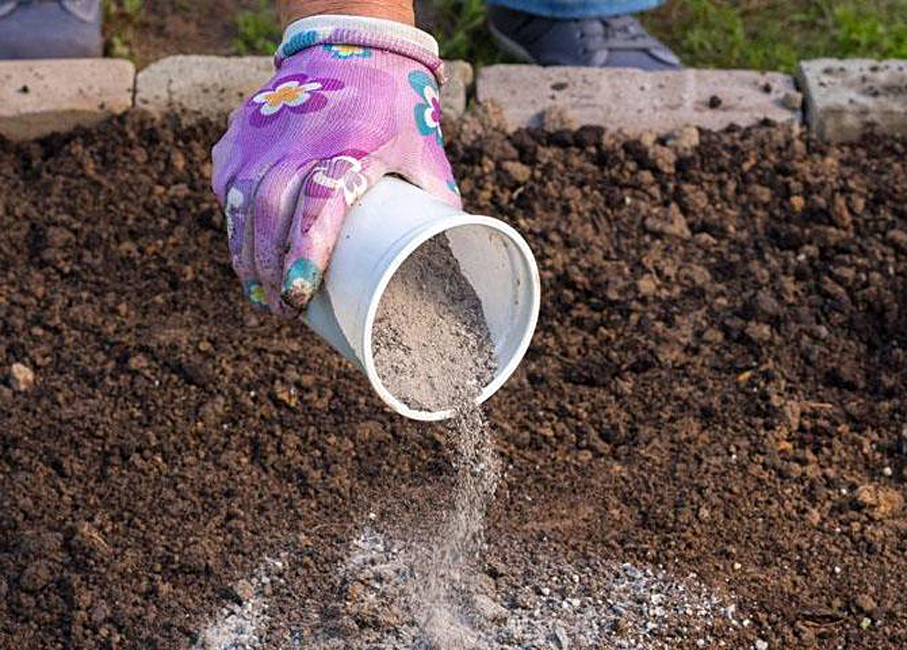
If you're a proponent of organic farming, nitrogen fertilizers can be replaced with manure (compost) or poultry manure. Manure and poultry manure are best applied as a solution through watering, and after fertilizing, be sure to mulch the area around the tree trunk.
Wood ash is an excellent source of potassium. Its advantage over ready-made mixtures is that it does not contain chlorine, which is harmful to many plants. However, it's better, of course, to combine mineral fertilizers with organic matter, as this will surely increase the yield and produce large, sweet berries.
Video: "Fall Fertilizing"
This video will show you how to feed raspberries in the fall.