
How to prepare raspberries for winter
Content
Preparing shrubs for winter shelter
Preparing raspberry bushes for winter always begins in the summer, not in the fall, as many might think. Of course, to prepare the bushes for winter, autumn care requires special attention. The success of the raspberry bushes overwintering depends on how well the agricultural practices are organized.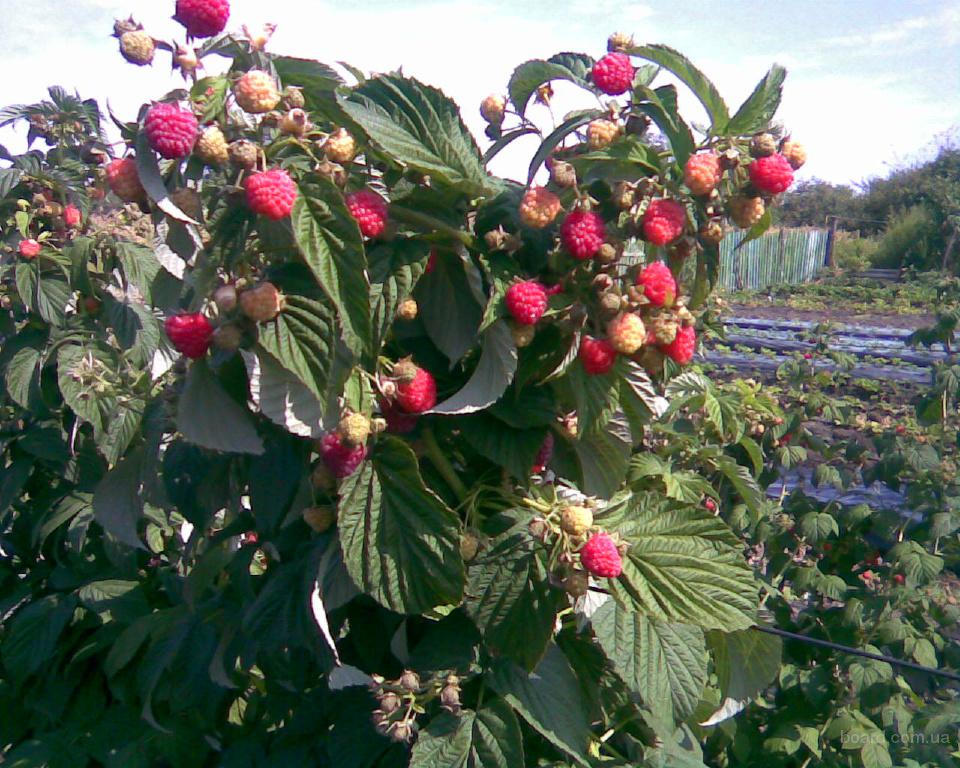
Winter preparation activities should begin in the last two weeks of summer.
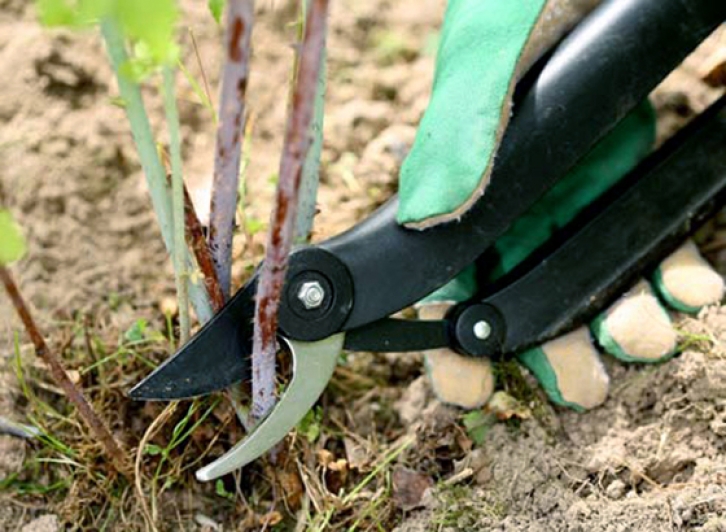
During this period, it's necessary to increase plant nutrition to accelerate the maturation and lignification of shoots. Fertilizers applied to the plants will also prepare the root system and new year-old shoots for the cold season. To achieve this, phosphorus and potassium fertilizers should be added to the soil. Nitrogen-containing additives should be excluded from the fertilizer.
The final feeding should be done before severe frosts. Therefore, the timing will depend on the climate of the growing region (Moscow region, the Urals, Siberia, the south, etc.). However, in most cases, gardeners apply it in early October. As we can see, autumn feeding of raspberries is no less important than in other months.
In addition to fertilizing the soil, preparing raspberries for winter in the fall involves pruning. Raspberries produce fruit only on two-year-old shoots. These shoots die back after the fruiting period ends. 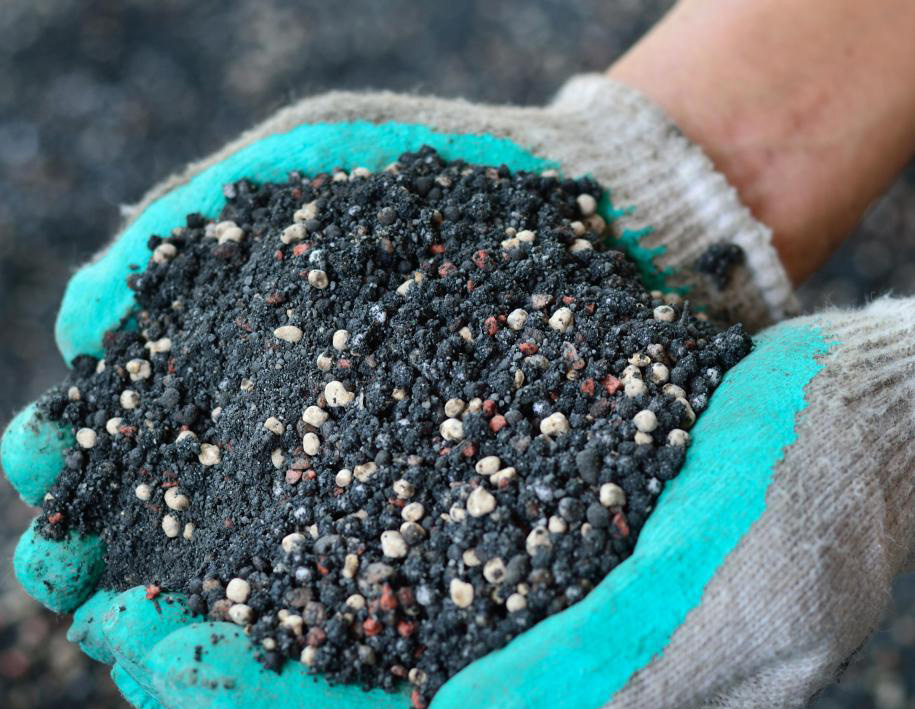 Therefore, to prevent them from drawing nutrients away from the plant next year and thereby reducing the quality and quantity of the harvest, they must be pruned. It's important to remember that new shoots formed during the growing season will only bear fruit the following year. Therefore, preparing raspberries for winter requires pruning all two-year-old shoots. The following stems should be removed from the new shoots that have already formed:
- too thin;
- weak and deformed;
- damaged;
- with signs of infection.
As a result, the bushes need to be thoroughly pruned for the winter, ensuring only mature, strong, and healthy shoots remain. All cut branches should be burned, as they can become a source of infection in the spring.
In addition to pruning, autumn raspberry care, which is carried out in preparation for winter, includes mulching the soil. It's worth noting that the roots of raspberry bushes should be well protected throughout the year. This will help maintain the required soil moisture, which is especially important when using the trench planting method for young seedlings.
Mulching also reduces the need for watering during the growing season. Therefore, this procedure is essential for gardeners who cannot devote close attention to their garden every day.
Various materials can be used for mulching: rotted leaves, peat, etc. It's worth noting that mulching plays a crucial role in preparing raspberry patches for winter. This process is especially important in regions where severe frosts occur in winter even before snow cover forms. Mulching is also essential in regions with arid climates. This is because in such areas, the snow cover may not be sufficient to provide adequate soil insulation during the winter.
 Experts recommend using organic material with a neutral to acidic pH for raspberry mulch. This berry crop dislikes acidic or alkaline soil. Many people use sawdust as a mulch. However, for raspberry bushes, it's best not to use sawdust made exclusively from coniferous trees. Peat, rotted leaves, and straw are best for raspberry bushes. Regular compost is a less favorable option. Its high nitrogen content can lead to rotting of the lower branches during mild winters. Apply mulch to the soil beneath the raspberry bushes to create a layer at least 5 cm thick. A thinner layer will result in soil freezing. The mulch layer should not exceed 10 cm. Thicker layers can lead to rotting in the spring. During a thaw, it will provoke the development of fungal and purulent infections on the branches, which will lead to a weakening of the plant's immunity.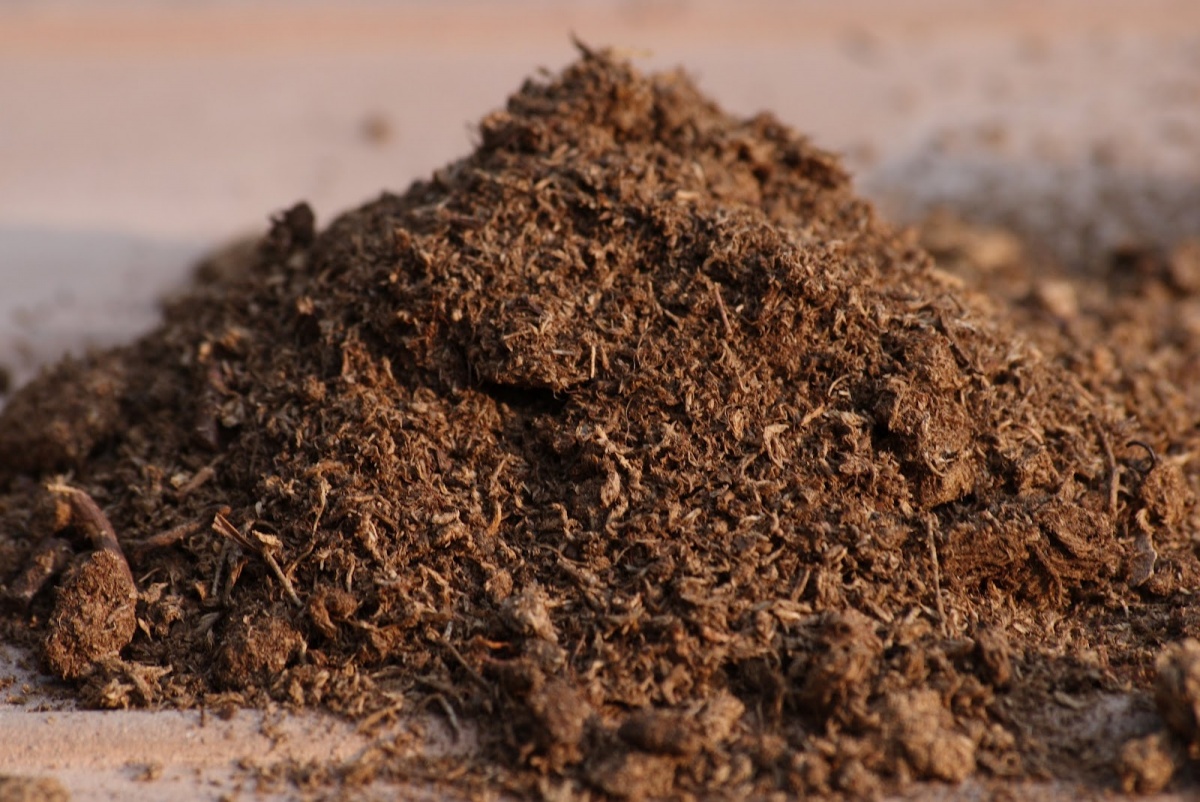
Before mulching, water the raspberry patch thoroughly. It's crucial to ensure the bushes don't overwinter with insufficiently moistened roots.
In the fall, when the leaves have fallen, raspberry canes should be bent down for winter. To do this, drive metal rods or wooden posts into the ground. Stretch wire between them. Note that when tying the stems at the bottom, the wire should be no higher than 20 cm from the ground. Proper bottom tying will allow the shoots to be covered with snow earlier, before they have a chance to freeze. The externally tied stems should resemble an arched structure. Nylon tape or thread is recommended for tying. This is how raspberry bushes are prepared for winter in the fall.
Video "Preparing for Winter"
This video will show you how to properly prepare your raspberry patch for winter.
Snow retention work in arid, low-snow areas
Snow retention as part of preparing raspberry bushes for winter is essential when the plants are growing outdoors. In such conditions, strong winds can blow snow away, causing the soil to freeze. This technology is also applicable in regions characterized by dry and low-snow winters.
To prevent this, gardeners should carry out snow-retention procedures. This winter preparation is essential if you want a bountiful and delicious harvest next year.
To contain snow near the raspberry patch, a barrier should be installed on one side. This can take a variety of forms. For example, plywood sheets can be dug into the ground. However, many experts recommend using polycarbonate for snow retention. This choice is based on the following advantages:
- strength;
- the material is not afraid of frost;
- does not rot;
- can be used multiple times.
To ensure that snow-retaining cordons are effective, they must be tied to trellises. Several rows of wire were previously stretched between them. These barriers should be installed facing the prevailing winter wind direction. To choose the correct direction, consult the wind rose for your area. This can be found on the website of the regional hydrometeorological service.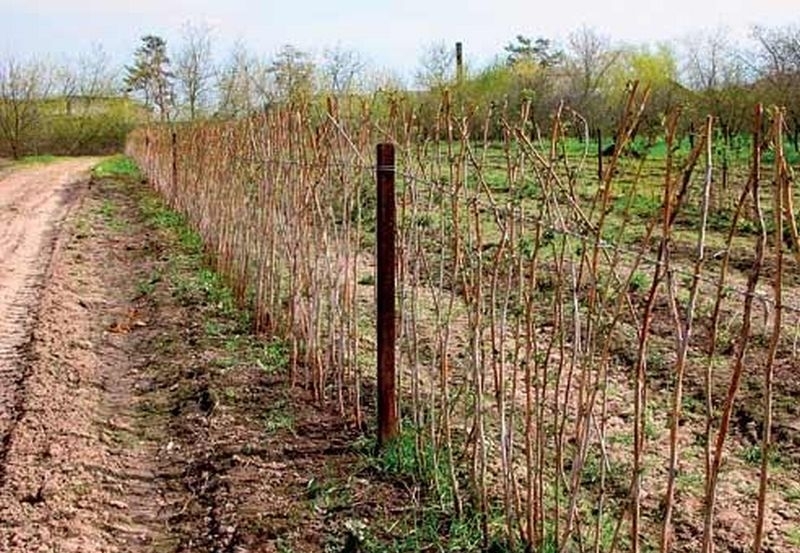
There are times when snowfall is scant or the snow that does fall is lost, even despite the protective cordons. In these cases, additional cover is needed. Every gardener will have their own answer to the question "How to cover raspberries." After all, everyone can carry out this procedure in a variety of ways.
The procedure for covering raspberry bushes for the winter has the following algorithm of actions:
- non-woven materials (spunbond, lutrasil, etc.) must be used as materials;
- After selecting the material, bend the branches to the ground. To keep them in the desired shape, tie them with wire. Remember, the fixation must be secure;
- Then, a covering material is placed on top. It also needs to be securely fastened to prevent strong winds from blowing it off the beds. To do this, the material can be pressed down on both sides with any fasteners, covered with soil, or covered with branches. Each gardener chooses their own method of securing it.
When growing raspberries in harsh climates, where winter weather is characterized by severe frosts and insufficient snowfall, additional plant cover can be used. Curved polycarbonate sheets can be used for this purpose. 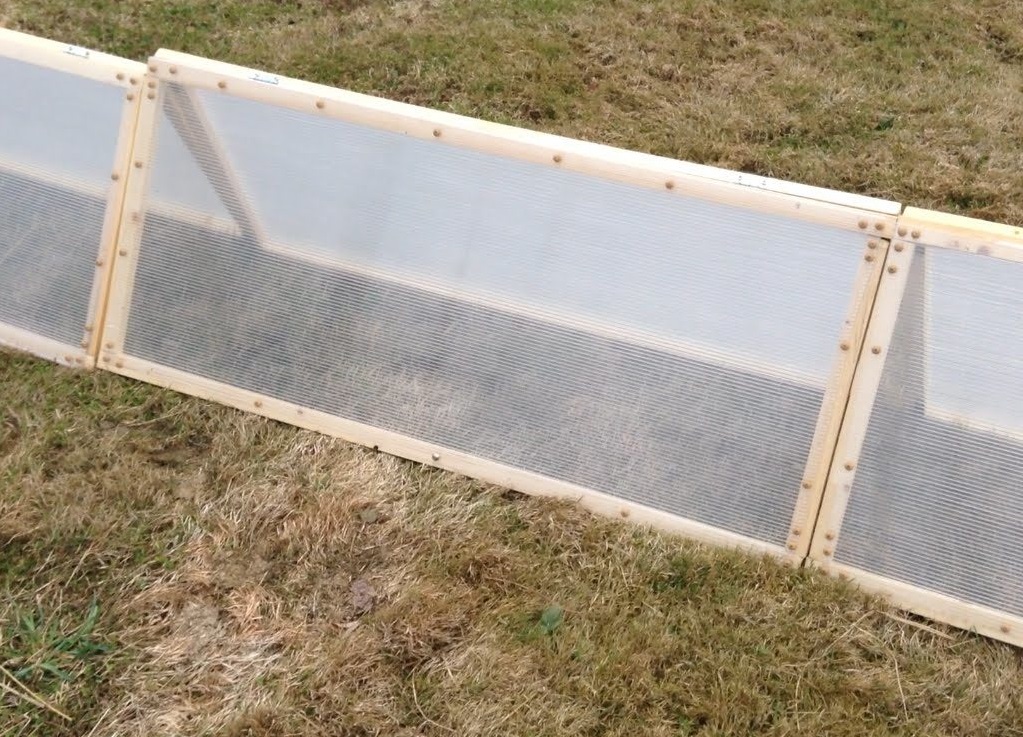
It is placed on the covered vines, thus forming an arched structure. Snow retention and covering the raspberries in this manner will prevent the plants from dying from severe freezing of the shoots and soil during the winter.
Timing of autumn covering and spring uncovering of raspberries
Preparing raspberries for the cold season is an important step in caring for your raspberry patch. Without it, even with proper care, you're unlikely to get a good harvest. It's also important to complete all preparations before the first frost. Covering raspberries too early is not recommended, as this will lead to rot. As we can see, it's crucial to cover them correctly.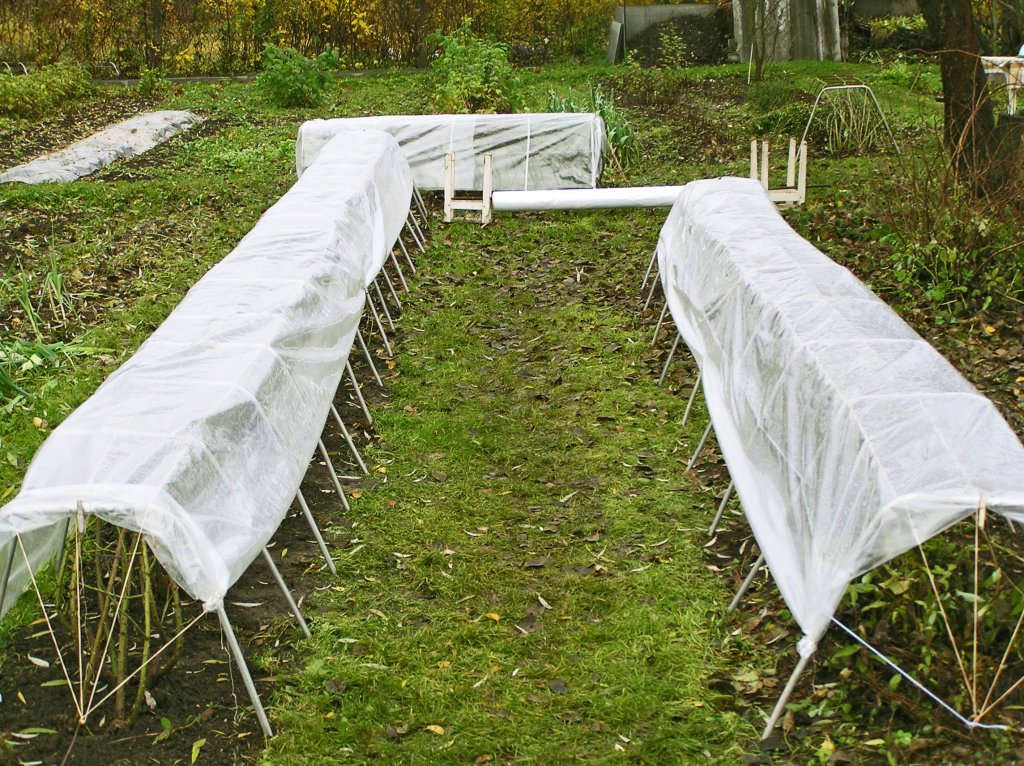
It is best to start preparing for winter after the autumn leaves have fallen.
All these steps should also be completed before the first snowfall. By following this schedule, you can expect your plants to survive the winter without any significant complications.
It's also important to remove covers in a timely manner. After the snow melts, remove the covering material. Then, once the temperature rises, raise the branches to trellis height. This procedure is usually performed in mid-April.
Preparing remontant raspberries for winter
Everbearing raspberry varieties, like regular varieties, are prepared for winter using the same method. While we prepare raspberries for winter in the same way, the timing for covering everbearing varieties will be slightly different. This is because these varieties bear fruit in their first year and produce a harvest right up until frost. However, pruning is still necessary for everbearing raspberries. One-year-old canes are left behind. These produce a much higher-quality harvest than perennial shoots. All wood should be cut off, leaving only small shoots.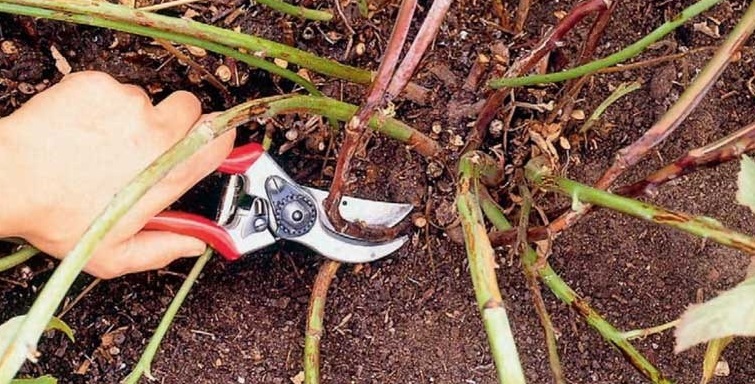
Remember, the quality of the raspberry bushes' preparation and covering for the winter determines the success of the following year's raspberry harvest.
Video: "Preparing Everbearing Raspberries in the Fall"
This video will show you how to prepare your bushes for winter.