
When to transplant raspberries: expert advice
Content
Is this necessary?
Everyone knows that, despite following planting guidelines and careful care, after 5-6 years, a raspberry bush will produce fewer berries, and those that do ripen won't be as large or sweet. What causes these changes? Primarily, it's because the plants aren't getting the nutrition they need.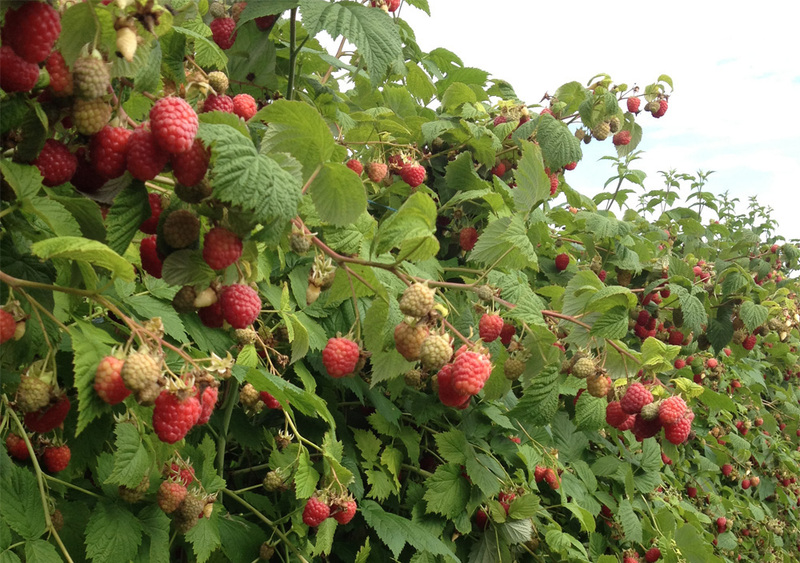
Raspberries grow in the same spot for several years, drawing significant nutrients from the soil each year to thrive. They also grow very vigorously, producing about a dozen new shoots each year, many of which are capable of bearing fruit the following year. This is especially true for everbearing varieties, whose shoots grow incredibly quickly, "from scratch," so to speak, and then bear fruit several times a season. For all this, the plants draw nutrients from the soil. And no matter where you plant raspberries and how often you fertilize them, the soil beneath them eventually becomes depleted. So, the only solution is to transplant them to another site with more fertile soil.
Planting seedlings too densely leads to soil depletion. By the second year, they begin to grow and form dense thickets, mostly composed of young shoots. Since they will eventually produce berries, it's a shame to remove such branches, so many gardeners leave them, which again leads to a very sad picture: a young raspberry patch with almost no berries. In this case, the bushes also need to be replanted as soon as possible, otherwise all your efforts to grow raspberries will be in vain.
Video "Replanting in Autumn"
This video will show you how to transplant raspberries in the fall.
When to start
For those new to berry growing, the question of when to transplant raspberries and how to do it correctly is a pressing one. Experienced gardeners say the timing of transplanting isn't critical—they can be transplanted in either spring or fall. However, since spring planting can cause shoots to produce flower stalks, which is undesirable in the first year, it's best to transplant raspberries in early fall (during September). This will give the bush time to establish roots before frost sets in, and it will rest and strengthen over the winter.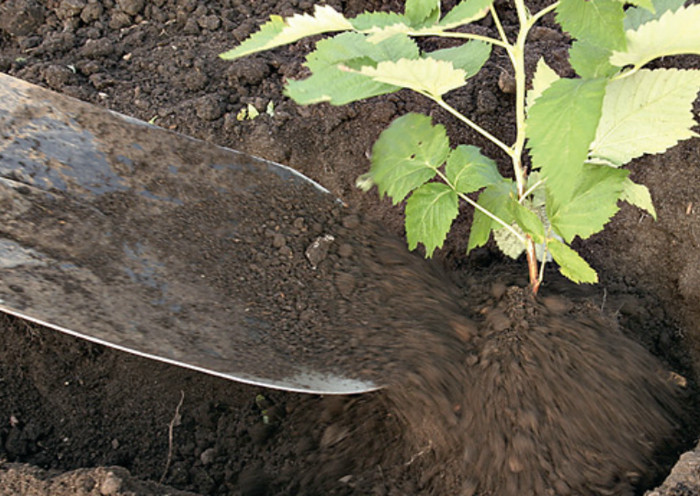
Some gardeners transplant in late summer or early October, believing these times to be optimal. Therefore, it's difficult to give a definitive answer to the question of when is the best time to transplant raspberries. The climate of your specific region should be taken into account. If winter arrives late, transplanting can be done in the fall. If there are already night frosts in October, planting is best done in August or immediately after fruiting has finished.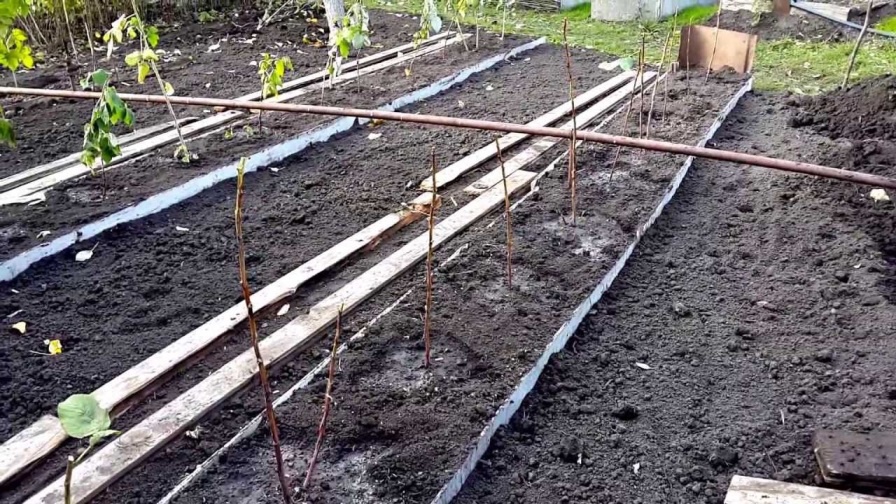
If you prefer spring transplanting, it's important to know when you can do it without harming the plant. The best time is considered to be mid-April, when the soil has warmed up but is still moist enough and comfortable for rooting. Theoretically, you can relocate your raspberry patch at any time of year except winter. During the warm season, raspberries root quickly and well, so no matter when you plant them, the yield won't be affected.
Transplanting a bush
To successfully transplant raspberry bushes, it's not necessary to transplant entire bushes. A mature plant consists of shoots that bore fruit the previous year and new growth. Since fruiting shoots will no longer provide any benefit, it makes sense to select only young, unfruitful shoots for transplanting. Raspberry yield directly depends on the quality of the planting material, so selecting the healthiest and youngest seedlings is crucial. A good guide is the shoot's thickness—well-developed specimens are at least 1 cm in diameter.
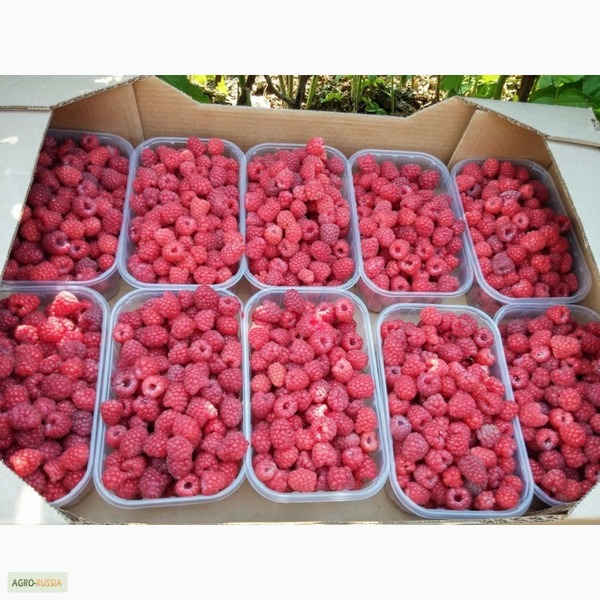
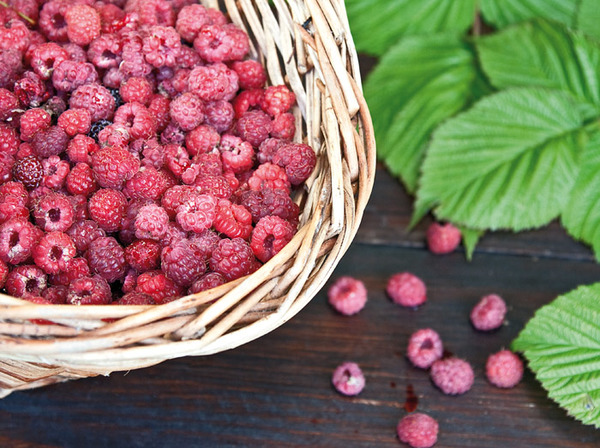
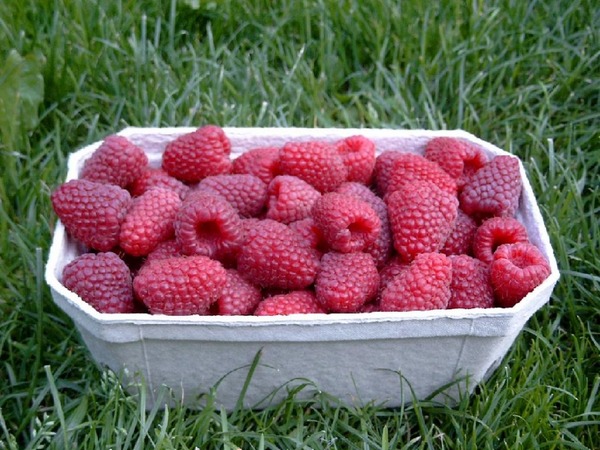
When relocating a raspberry patch, consider its predecessors. Raspberries grow well after zucchini, cucumbers, potatoes, tomatoes, and cabbage. These vegetables enrich the soil with micronutrients beneficial for raspberries.
The transplanting site can be sunny or slightly shaded, wherever you plant the bushes, the main thing is that it is not in complete shade.
Preparing the transplant site should be done well in advance, approximately two years in advance. In the first year, the soil should be amended with organic matter, as well as potassium salt and superphosphate. To ensure the site remains fertile, this year you can plant vegetables, which are considered good precursors to raspberries. After harvesting, all plant debris should be removed, and the soil should be dug over, adding humus and sawdust. Organic fertilizers can also be added to the planting holes directly during planting; wherever you apply the fertilizer, its beneficial properties will not be diminished.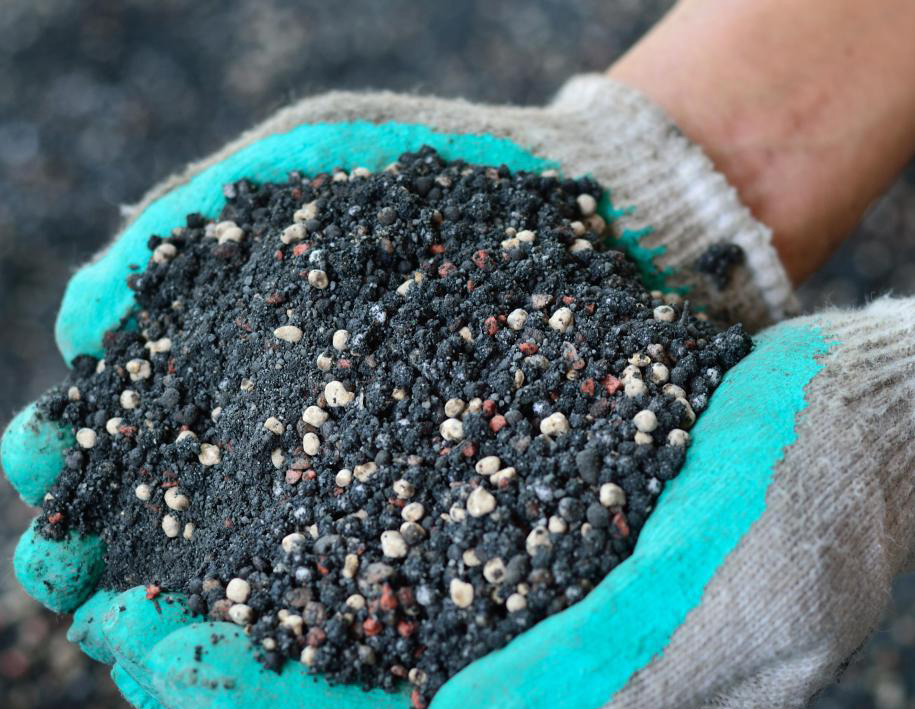
Young bushes can be planted in a trench or individual holes measuring 40x50 cm. Carefully dig up the seedlings from their previous location to avoid damaging the roots. If dividing the bush, each section should have a well-developed root system and at least 2-3 young shoots. After transplanting, water the raspberries generously, at a rate of 8-10 liters per transplanted bush, and cover the soil between the rows with mulch.
Preparing for winter
Preparing raspberries for winter consists of two main stages: pruning and covering the shoots. If the seedlings weren't pruned before or during planting, this should be done before the onset of winter frosts. The exception is very weak young seedlings; these don't need pruning; simply covering them is sufficient.
Raspberry pruning involves not only trimming the tops but also removing old and excess shoots. To ensure good fruiting next year, no more than four of the strongest shoots should be left on the bush, with all others removed at the base. To ensure the bush becomes lush and produces numerous flowers next spring, shoots are shortened by 20-30 cm.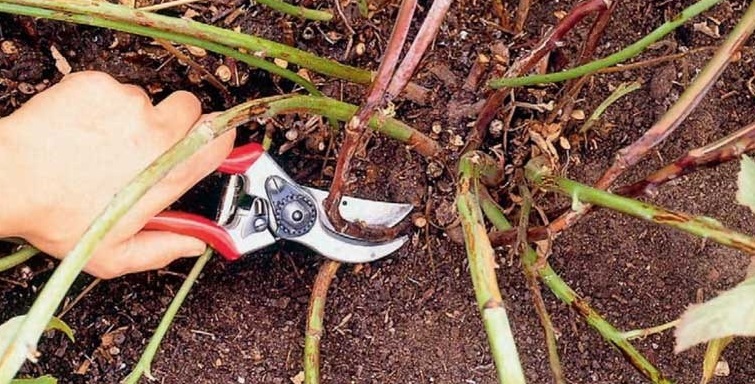
When it comes to covering raspberry bushes, snow is considered the most reliable, but it can't always be relied upon. In the absence of snow, gardeners cover raspberries with leaves or spruce branches. To do this, the shoots must be carefully bent down and secured, similar to how blackberries are covered. The organic layer should be at least 30 cm thick. Alternatively, the shoots can be covered with plastic film, leaving holes in it for ventilation. In the spring, the cover is removed, but since night frosts are still possible at this time of year, uncovering the raspberries should be done selectively and slowly.
Video "Spring Transplantation"
This video will show you how to transplant raspberries in the spring.