
Pruning remontant raspberries for an excellent harvest
Content
Secrets of proper preparation
Many gardeners really like everbearing raspberries. This is because pruning them in the fall is quite easy, even for beginner gardeners. Sure, it won't be easy, but you can try. But don't get too excited, thinking it'll be easy. Growing this type of raspberry has its drawbacks. Growing and caring for it is quite specific, and not every beginner can handle it.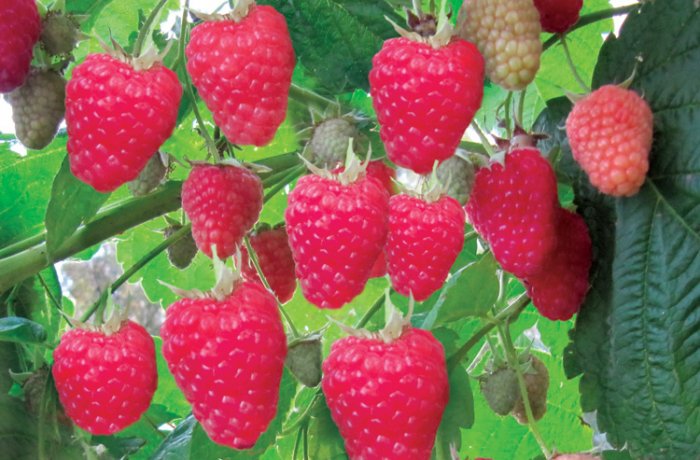
In the first year after planting, raspberry seedlings produce young shoots that bloom in July and bear berries in August. There's no need to leave one-year-old shoots for the following year. They should be pruned back to three-centimeter stumps. Don't be stingy and leave them. This is essential for future fruiting and a good harvest. Pruning should typically be done in October or November, that is, after the entire harvest has been gathered.
Autumn pruning of everbearing raspberries not only positively impacts the future harvest, but also protects the bushes from various diseases, pests, and viruses that can easily overwinter on the shoots.
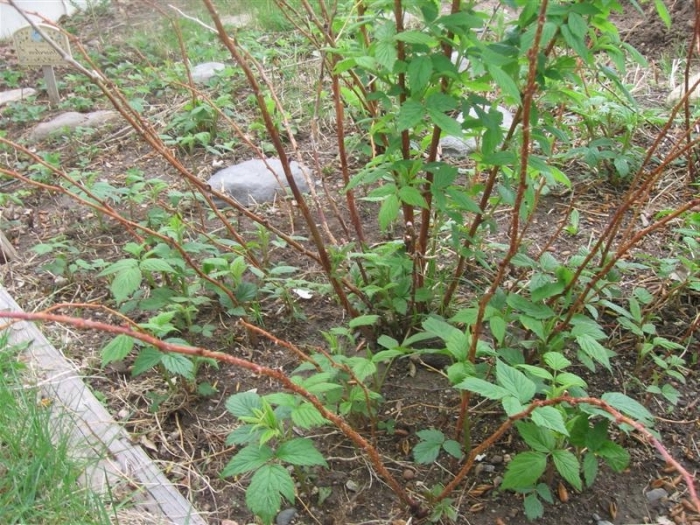
Don't loosen the plant's roots! This is a bad idea because the roots are close to the soil surface. To prevent weeds, mulch the soil. Raspberries need watering from March to November.
To ensure a large harvest, the bushes should be fed with complex fertilizers in the spring, and treated with phosphate and potassium fertilizers before flowering and at the end of autumn.
To prevent fungi, raspberries can be treated with Bordeaux mixture in mid-spring.
As you can see, caring for everbearing raspberries in the fall and spring is quite simple. However, everyone wonders whether they need to be pruned and what pruning method will be most effective.
Video: How to Properly Prune Raspberries
In this video you will see how to properly prune raspberries.
Features of pruning
Fruiting occurs on two-year-old and one-year-old shoots—successions. However, since remontant raspberries expend a great deal of effort ripening summer fruit and forming shoots for fall, proper pruning of these raspberries is essential in spring and fall.
When to prune?
Initially, weak shoots grow on seedlings, which will bear flowers early and fruit in late summer. These should not be left behind; they should be pruned. This prevents the pruned shoot from freezing and infecting the raspberry. Everbearing raspberries should be pruned completely in the fall, as then the harvest is complete. Fall pruning has a significant impact on the harvest and protects the bushes from diseases that can overwinter. If there are no snowdrifts in winter, it is much easier to insulate the stumps to prevent the plant from freezing. In the spring, only a sanitation treatment is necessary.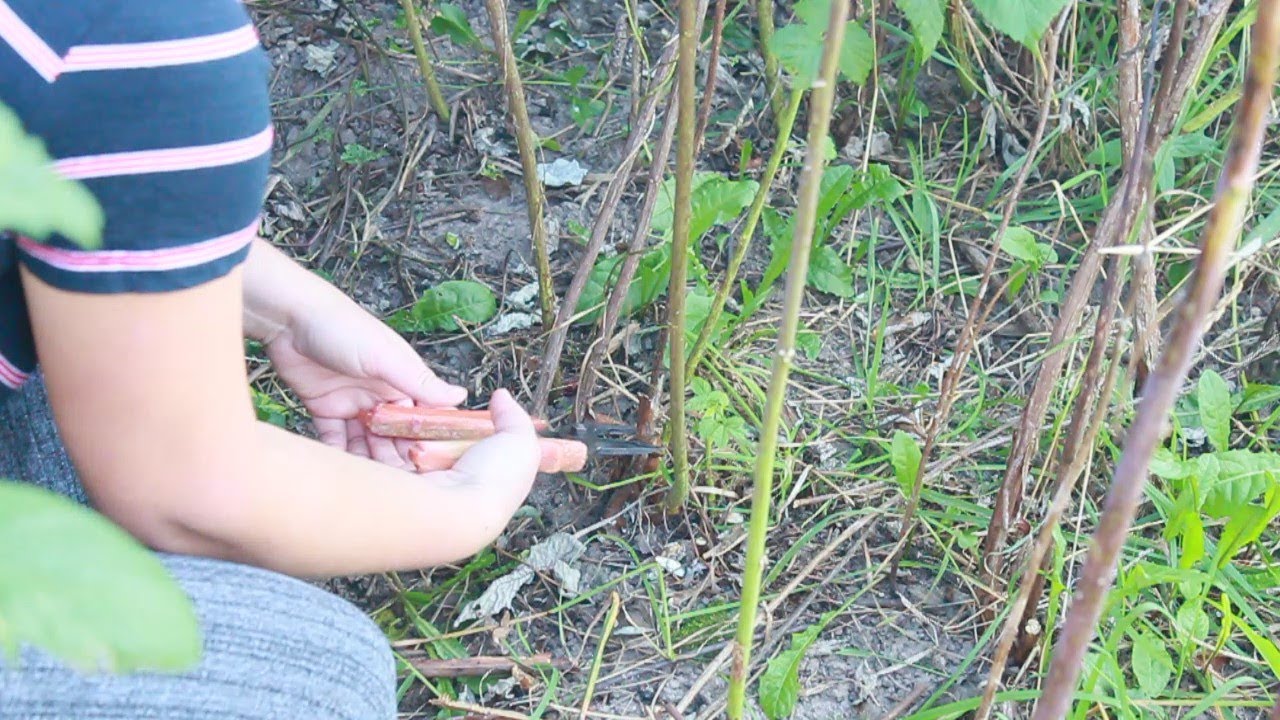
Only those shoots that have been frozen are pruned back to the first healthy bud. April is the best time to do this, as swelling buds make it easier to determine which buds are healthy.
Pruning technique
Not everyone knows how to prune raspberries properly. So we'll explain it to you now.
Pruning everbearing raspberries in the fall is as follows: leave a short stem, 10-15 cm long. The roots are still fragile, and the stem will provide nutrition until the cold sets in. This is necessary for all raspberries. You should also remove flower stalks on overwintered and young shoots.
Initially, all efforts should be focused on developing the roots and the bush itself. In the second year, actively prune the shoots. In the spring, strong roots will send up stems, where a double harvest will ripen. Many gardeners do not prune the stems completely.
But that's a matter of taste. The Yellow Giant variety, while remontant, produces most of its fruit on old stems. Therefore, it's not pruned; the shoots are simply tied up. This variety ripens very early in summer and is almost disease-free.
Fighting sprawl
Fall pruning is only beneficial in regions with mild winters, as everbearing tomatoes can vegetate for a long time there. If the soil doesn't freeze for two months after fall pruning, premature bud growth may occur, which will significantly impact yield. Spring pruning is more suitable for regions with harsh winters.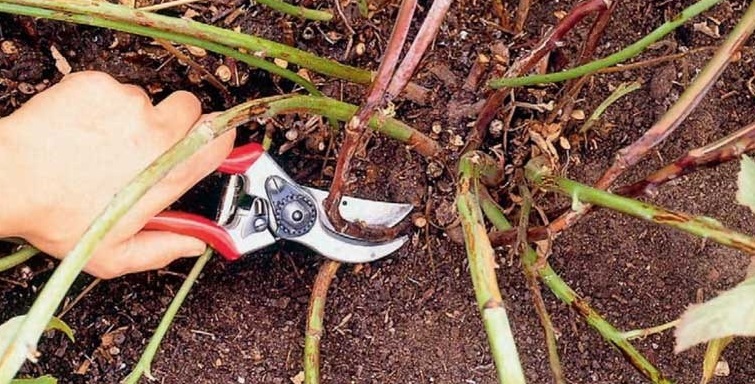 Waiting until the buds open before pruning will allow the raspberries to develop nutrients that only new leaves can produce and that the plant needs for accelerated growth. This is vital for northern climates, as the sooner the plant awakens, the more abundant the harvest can be.
Video: How to Care for Raspberries
In this video you will see how to properly care for raspberries.