
Spring Raspberry Pruning Guide: Everything for Beginners
Content
Features of spring pruning
As soon as the last snow melts, the gardener's rest is over, and it's time to begin preparing for the new growing season. One of the steps in this preparation is trimming all the raspberry shoots. When is the best time to do this? There are no set deadlines, as they depend on the climate of the region where the plants are growing. It's essential that the outside temperature be above freezing and the risk of frost has passed.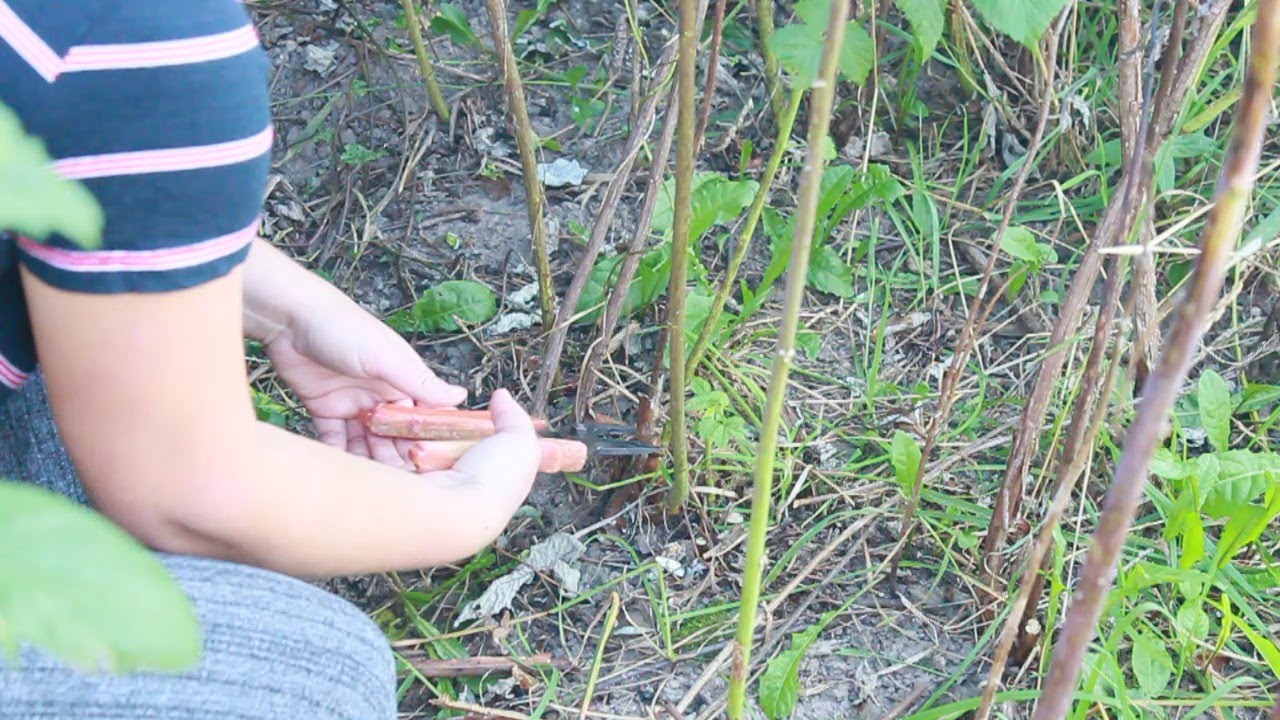
Therefore, the timing of pruning raspberry bushes can vary from early March to late April or early May. Naturally, in southern regions, this procedure is carried out earlier (early March), and in northern regions, later (late April or early May).
It is worth noting that summer pruning should be carried out along with spring pruning, since stems that have already borne fruit will begin to dry out by mid-August.
Pruning in spring allows you to achieve the following positive effects:
- remove shoots damaged over the winter;
- cut off frozen parts of the stems;
- clear the bush;
- improve plant nutrition, which will lead to the formation of new shoots and a higher quality harvest;
- stimulate the growth of the bush.
Raspberry pruning in the fall has one purpose: to remove shoots that have already borne fruit. This is its primary purpose. This pruning can be done in the spring or fall. At the same time, spring pruning aims to properly shape the raspberry bush, prepare it for the fruiting season, and achieve maximum yield.
Video: "Pruning after harvest in autumn"
From this video you will learn how to properly prune a bush in the fall.
How to trim
To ensure good fruiting, it's important to know how to prune raspberries properly in the spring. The optimal height for raspberry canes is considered to be 1.2-1.5 meters. This height was determined based on the fact that the majority of fruit buds are concentrated in the central part of the stem. Therefore, greater height reduces light access to the canes. At the same time, shortening the canes encourages the flow of nutrients to the lateral branches.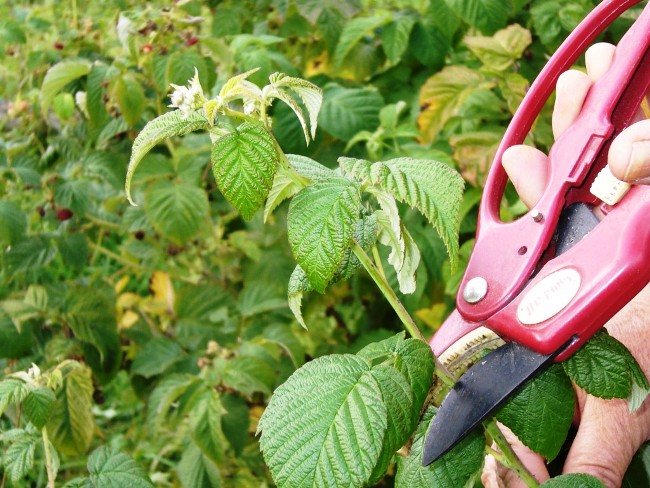
It's important to know the difference between regular and everbearing varieties. The main distinguishing feature of everbearing varieties is their multiple fruiting waves, which can occur even in the first year after planting. Therefore, it's important to know how to prune regular and everbearing raspberries in the spring.
For common varieties, shoot shortening is carried out as follows:
- First, you need to conditionally divide the stems into four parts;
- the first part is shortened by about 15 cm;
- the second part needs to be cut by 30 cm;
- the third - by 70 cm;
- The fourth part needs to be cut off almost completely, leaving only 5 cm.
This gradual pruning will ensure that the raspberries ripen throughout the growing season. The branches pruned to 15 cm will begin to bear fruit first. After this, the stems of the second, third, and fourth sections will gradually begin to bear fruit. The last harvest from this bush will be at the end of August.
It's important to note that throughout the summer, it's necessary to periodically remove young shoots, which will draw away some of the plant's nutrients and reduce the overall yield per bush. These should be cut off at the root, rather than dug up or pulled out. This will prevent damage to the plant's root system. Remember to leave only the tallest and strongest stems.
Recently, many gardeners have adopted the Sobolev method for pruning raspberry bushes. In this case, shoots are shortened according to the following algorithm:
- In the first year, in May, pinch off the tops of the stems. This stimulates lateral branching;
- In the second year, all branches that survived the winter should be pruned. This will result in the formation of 10-15 fairly strong lateral branches.
Pruning in this manner allows for a second fruiting season, even in non-everbearing varieties. The harvest will be significantly more abundant.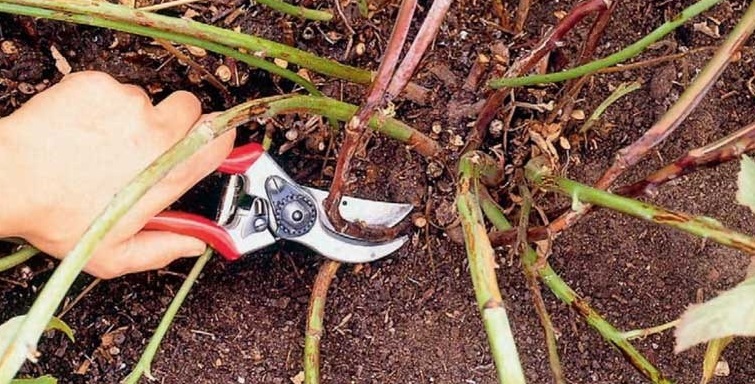
Pruning raspberries in the spring is always challenging for beginners. Therefore, it's important to consider the planting method. For example, if the plant was planted using the bush method, approximately 5-6 strong shoots should be left on each bush. If the trench method was used, 14-15 stems should be left.
Don't forget that in the spring, you need to remove all branches damaged over the winter. Follow these steps:
- all frozen shoots must be completely cut off at the base;
- If freezing has occurred only in a certain area, only these areas need to be removed;
- All frozen tops should be cut off. They are the ones most often damaged by frost.
In addition, it's essential to inspect the stems in the spring for the first signs of disease and insect pest larvae. If affected areas or insects are detected, the shoots should be removed immediately to prevent the spread of pests and pathogens to healthy bushes.
Pruning rules
To prune raspberries in the fall or spring, you need to know certain rules. In both cases, it's best to follow these recommendations:
- shoots that were damaged by frost should be cut back to a viable bud;
- It is necessary to remove all branches that have died, dried out and become deformed;
- the plant should be completely dug up if there are many stems on the bush that have dried out, weakened over the winter and become damaged;
- all excessively long shoots should be shortened;
- If you want to get a good harvest, you should definitely divide the bush into four parts;
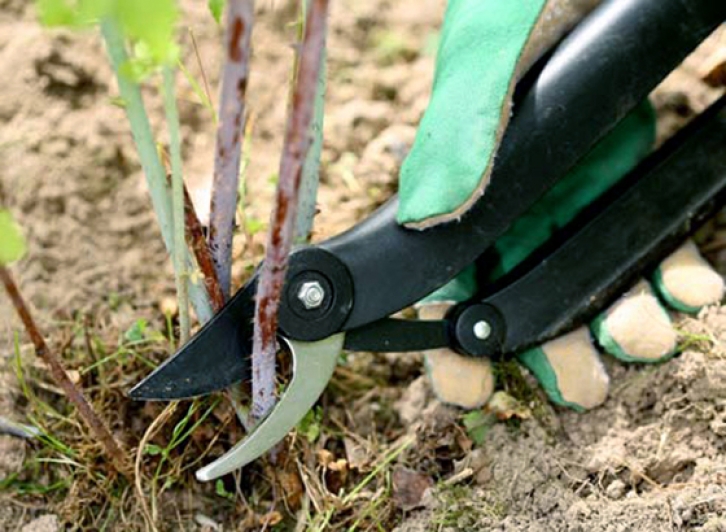
- After completely removing the branch, a stump should remain, the height of which will be approximately 3 cm;
- all branches of the second year that have already borne fruit must be cut off;
- All pruning activities should be carried out before the process of active bud growth begins.
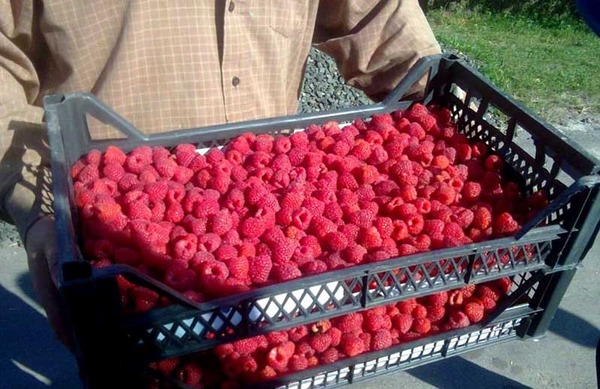
As a result, after the shoot removal process is complete, there should be no more than thirty berry shoots per square meter. This will ensure excellent air circulation between the bushes, ensuring a bountiful and delicious harvest.
Trimming technology
To get the most out of pruning, it's important to follow the proper technique. This includes the following:
- When carrying out the first standardization in the spring, all frozen branches should be removed;
- It is necessary to cut off weak, deformed, broken, and underdeveloped stems;
- shoots should be removed at the root to reduce the risk of plant infection with various diseases;
- The number of strong branches that should be left depends on the planting method;
- One-year-old branches left for fruiting the following year should be shortened by 15-40 cm. This includes removing the tops of the branches that contained underdeveloped buds. These will only produce weakened fruiting shoots, which will yield a meager and small harvest.
- Simultaneously with thinning, the tops of the trees that froze over the winter are pruned. They are shortened by 22-25 cm (maximum). Remember that more severe pruning will result in larger berries, but will significantly reduce their number.
After this procedure, the pruned bush should be tied to a support or trellis, similar to grapevines. To increase the bush's yield, it is recommended to prune off all new shoots. Failure to do so will deplete the raspberry patch and lead to excessive bush growth. It is recommended to prune the new shoots with a well-sharpened shovel. However, garden shears will also suffice. This procedure must be carried out very carefully to avoid damaging the plant's root system. After removing the new shoots, dig around each raspberry bush.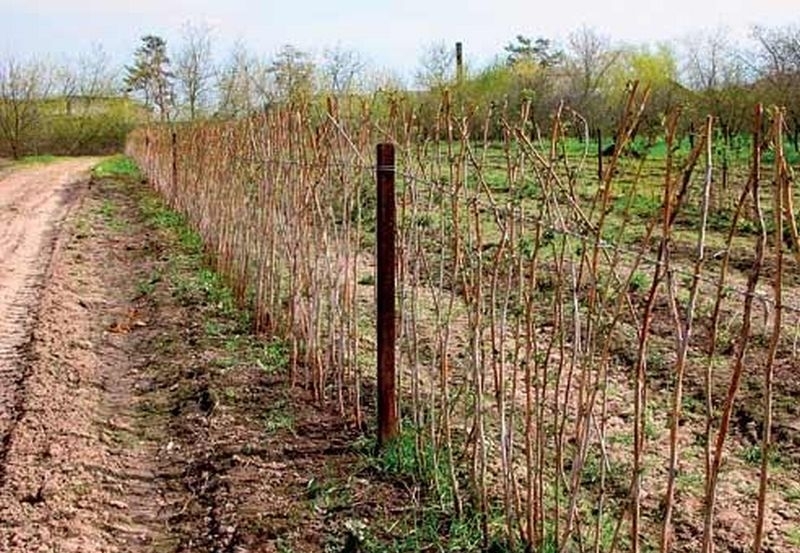
Once pruning is complete, large berries will begin to form on the stems, and the bush will bear fruit more consistently and more fully.
If damaged branches or those infested with pests are discovered on your raspberry bushes after spring pruning, they should be removed immediately. Otherwise, you risk a massive pest infestation or the spread of diseases, which will negatively impact your raspberry yield.
If you perform the above steps correctly, the job will be completed in 5-10 minutes, guaranteeing an excellent harvest.
Aftercare
To ensure abundant fruiting of raspberry bushes, it is important not only to properly prune and prepare them for fruiting, but also to thoroughly care for them throughout the growing season.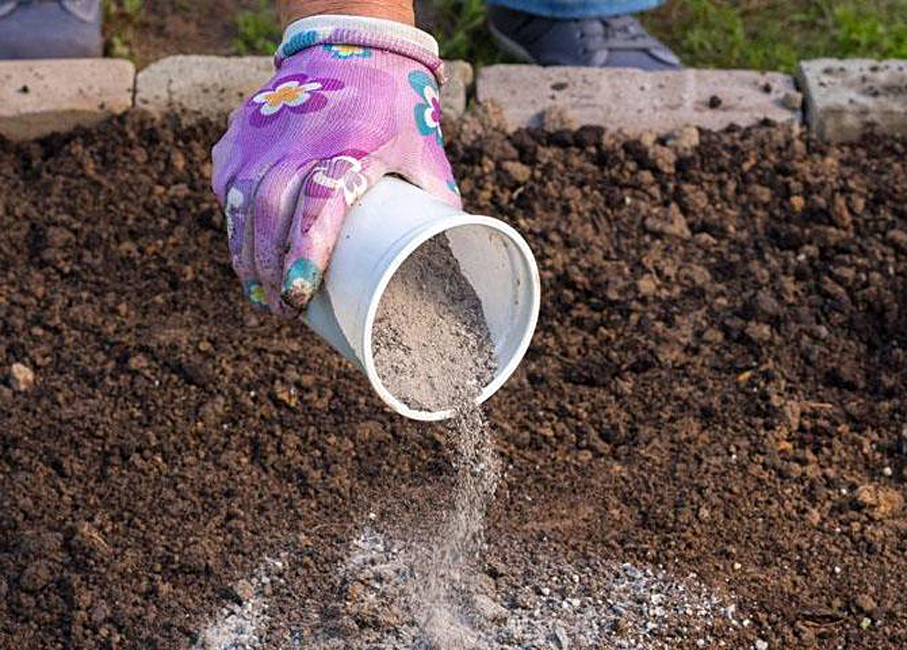
Any pruning of branches should always be completed by adding fertilizer to the soil, as well as carrying out a high-quality disinfection procedure.
Many gardeners recommend adding mineral fertilizer to the soil after spring pruning. This will ensure good fruiting and high berry productivity. After this, raspberry patch care should include the following: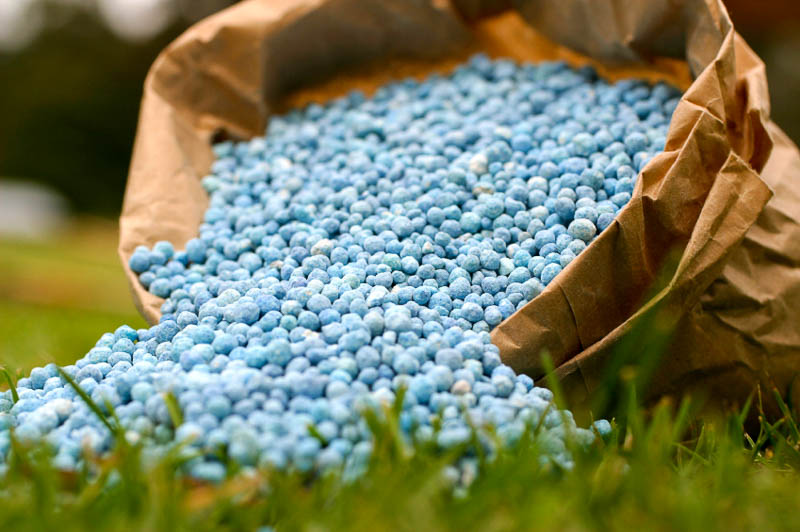
- In the spring, you can use compost, rotted manure, and peat chips as fertilizer;
- Bird droppings have been noted to have a pronounced positive effect on raspberries. It should be applied at a rate of 5-6 kg per square meter of raspberry patch;
- The most nutritious compost mixture for plants is one made from corn cobs, bird droppings, peat, fallen leaves, and weeds. This mixture should be applied to the soil at a rate of 8-10 kg per square meter of berry plantings.
When organic fertilizers are unavailable, superphosphate, potassium salt, and nitrogen fertilizers are used as fertilizer. Wood ash can also be used, at a rate of approximately 140-160 g per square meter.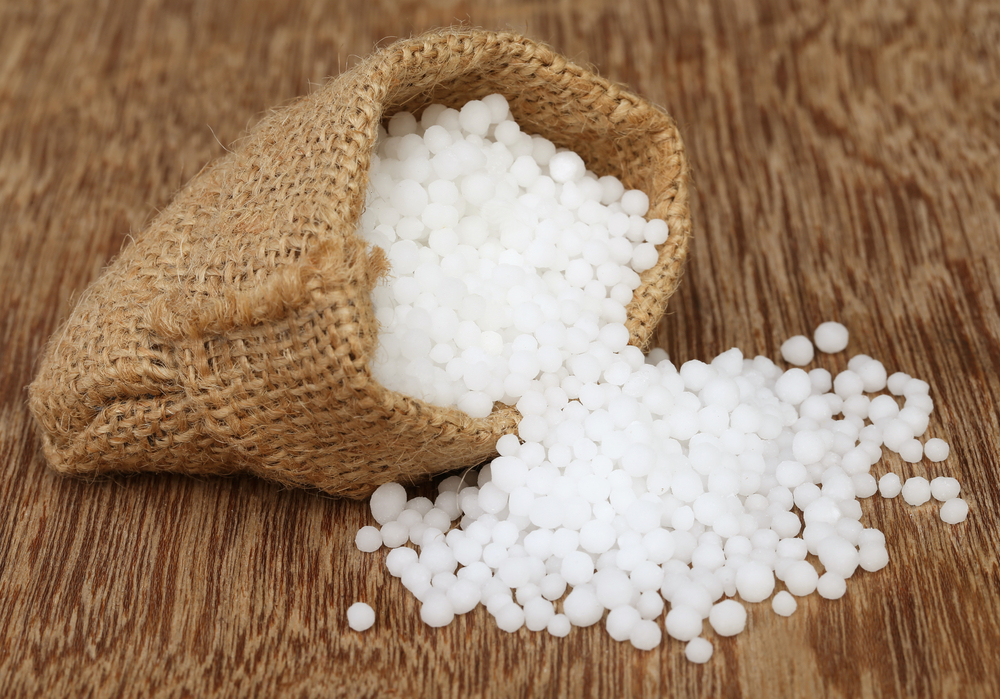
Correctly performed spring pruning of raspberries will allow you to achieve an excellent harvest.
Video: "Caring for a Bush After Pruning"
From the video you will learn how to properly care for the plant after pruning.