
When and how to prune raspberries – important tips for gardeners
Content
Why trim?
Raspberry is an unusual shrub that produces aromatic and delicious berries with medicinal properties. This bush has one peculiarity: in the second year after planting, the fruiting shoots (two-year-olds) die off. As a result, this plant requires its first professional care in the second year after planting.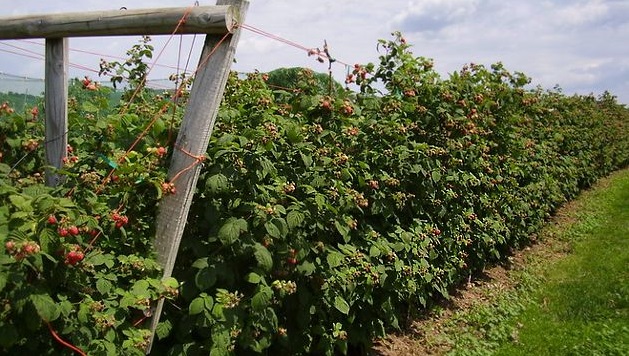
Many beginning gardeners often ask, "Do I need to prune my raspberries?" To answer this question, it's important to understand what pruning entails.
This procedure is an important part of raspberry care. Raspberries need pruning to increase yield. To achieve excellent results, it's important to know the best time to do it.
Pruning is best done after fruiting has finished in late summer. This procedure can be delayed until early fall. By this time, the plant's shoots will have stopped bearing fruit and will gradually begin to die back. These shoots should be removed at the very root. The closer the cut is to the ground, the better. Experts do not recommend leaving stumps.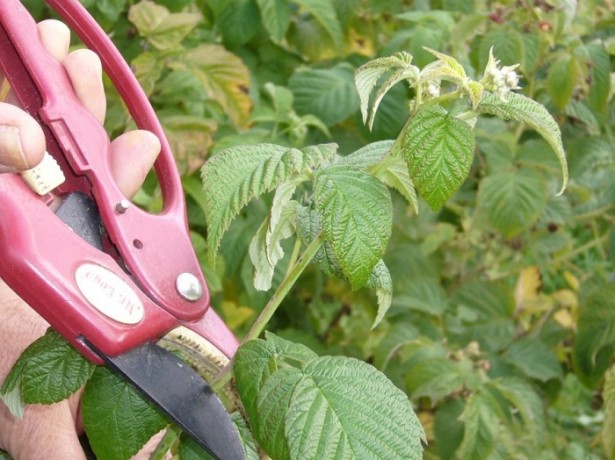
It's important to know that raspberry bushes have a powerful root system. Therefore, the plant tends to occupy as much space as possible, which leads to fewer fruit buds. As a result, if raspberry pruning is performed correctly, uncontrolled root spread can be prevented.
Another unique feature of raspberries is that each shoot has a two-year life cycle. This means that after planting, the branches actively develop and grow during the first year. During this time, they stretch considerably. In the second year, they begin to bear fruit. After fruiting has ceased, the shoots simply die.
If you don't prune out two-year-old branches, the bush will become overly dense and begin to resemble a currant bush. This dead wood will also prevent healthy, strong new growth from forming. It also creates favorable conditions for insect pests and pathogenic microflora (fungi, viruses, bacteria) to thrive. All this ultimately has a detrimental effect on the yield: the berries will become smaller over time. Fruiting may cease altogether in the future, forcing you to rush to the store for new bushes.
In addition to increasing yield, pruning removes all diseased and old shoots. It's believed that after this procedure, approximately 8-12 shoots should remain per meter of plot. This is considered the optimal number. This ensures the bushes receive good light, which will positively impact fruiting next year. After pruning, all cut shoots should be removed from the plot and burned.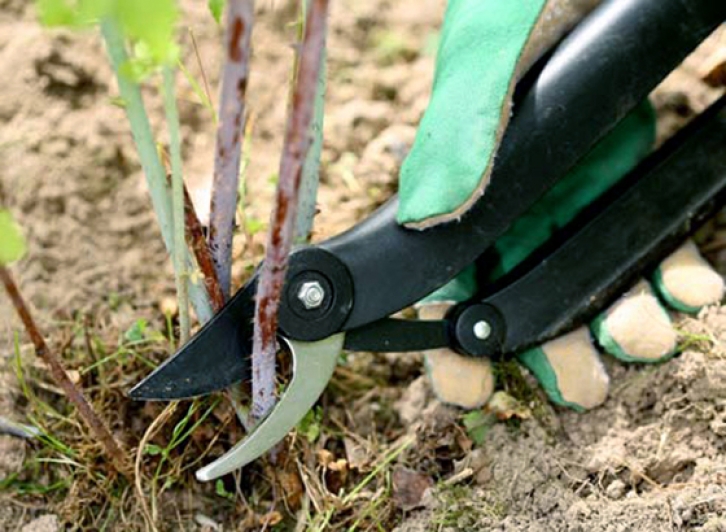
Pruning can also be done for propagation purposes. A young shoot, after preliminary preparation, is cut and ready for transplanting. Pruning can be used to control the ripening time of berries. A special technique (double pruning) exists for this purpose. We'll discuss it below.
To understand how to prune raspberries correctly, you need to know one rule: do everything precisely and within the prescribed timeframe. Pruning is a complex process aimed primarily at increasing yield and then creating optimal conditions for the bush. Experienced gardeners understand this procedure to include the following steps:
- cutting out dead shoots;
- tree trunk cutting;
- cutting off weak, deformed and damaged branches;
- shortening shoots;
- removal of root shoots;
- bending branches to the ground or tying them together.
Each step described above should be carried out at its own time. Typically, some steps are carried out in the fall, after harvest, and others in the spring to prepare the plant for the growing season.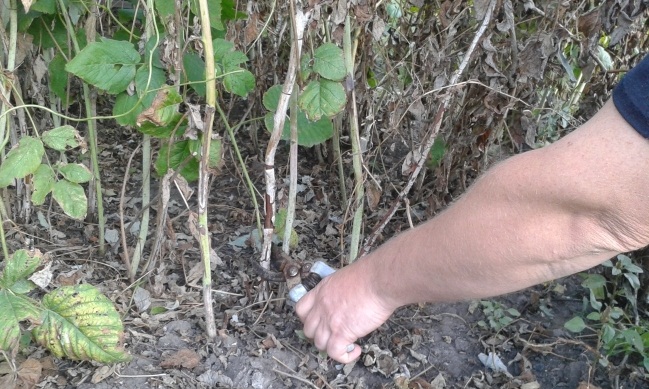
As we can see, it's best to prune raspberries. Otherwise, the bush will inevitably lose its ability to bear fruit.
Video: "Effective Methods for Pruning Raspberries in the Fall"
This video will show you how to prune raspberries in the fall.
Tips for increasing yields
To understand how to properly prune raspberries, it's important to know and follow the advice of experienced gardeners. Following these recommendations will ensure a high-quality and delicious harvest that will ripen throughout the summer.
For this reason, gardeners give the following advice on how to prune raspberries correctly:
- Raspberry pruning should be done at different heights. To do this, divide all the bushes into three groups. The first group should be pruned in the spring by 10-15 cm, the second by half the height, and the third should be left at only 15-20 cm. This will ensure that the fruit ripens in the order in which the bushes were pruned.
- Use the double pruning method. This procedure should be performed in the summer. Double pruning of raspberries is performed on bushes approximately 1-1.2 m tall. First, the top shoots should be shortened by 5-7 cm. This will allow nutrients to flow more actively to the lateral buds. As a result, by autumn, 4-8 strong shoots 50 cm long will form. These should be bent to the ground so that they overwinter under the snow. In the spring, the pruned bush, specifically the long lateral shoots, is cut back by approximately 10-15 cm. This ensures a high yield.
It's also important to remember that pruning must be done on time. Cutting branches later risks freezing and killing them.
Please note that these tips apply to all raspberry varieties. Therefore, in this case, the question "can I prune this variety of raspberry?" is irrelevant.
The only thing to consider before pruning is whether the particular variety is a one-time fruiting variety. After all, in addition to regular varieties, there are also everbearing plants. The latter have their own specific requirements for this procedure.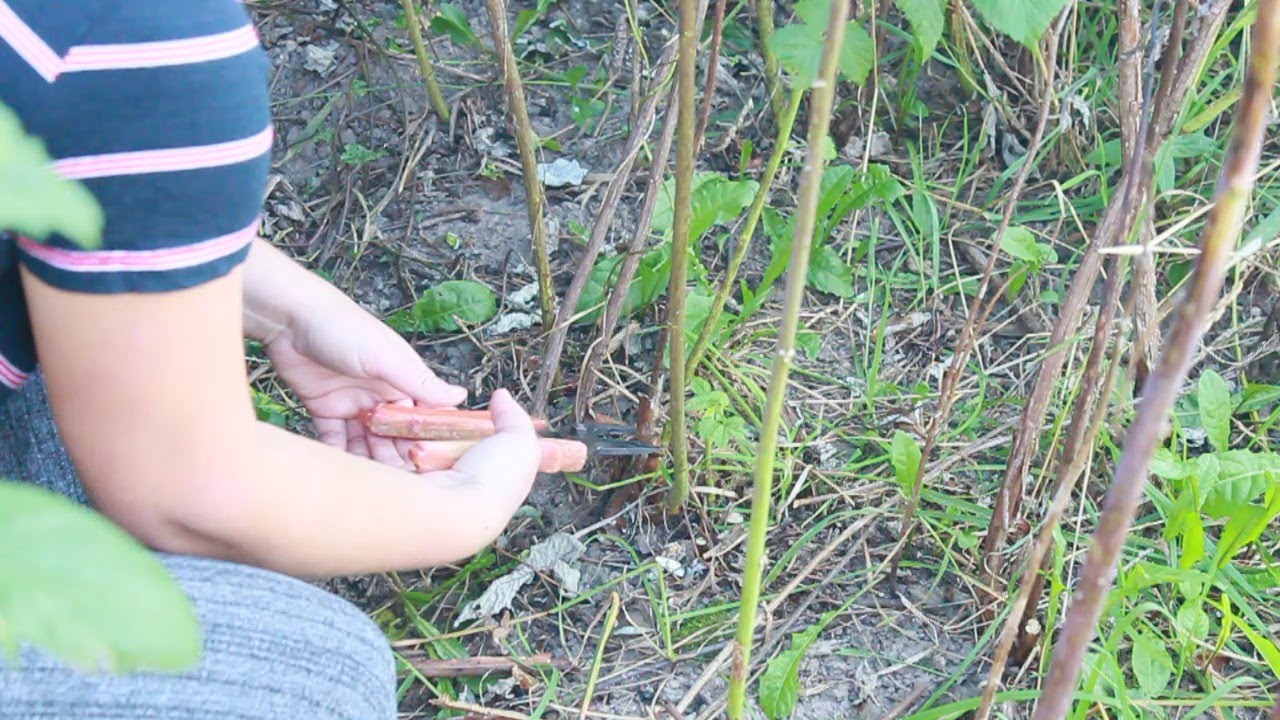
To get a good harvest, it's important not only to prune raspberry canes correctly but also to follow all the necessary agricultural practices. It's especially important to follow the watering and fertilizing guidelines. These procedures are essential for the raspberry bush to grow into a healthy, strong, and fruitful bush. Every gardener planning to grow raspberries in their garden should know all this.
Pruning of once-bearing varieties
Regular raspberry varieties that are not remontant bear fruit only once during the growing season.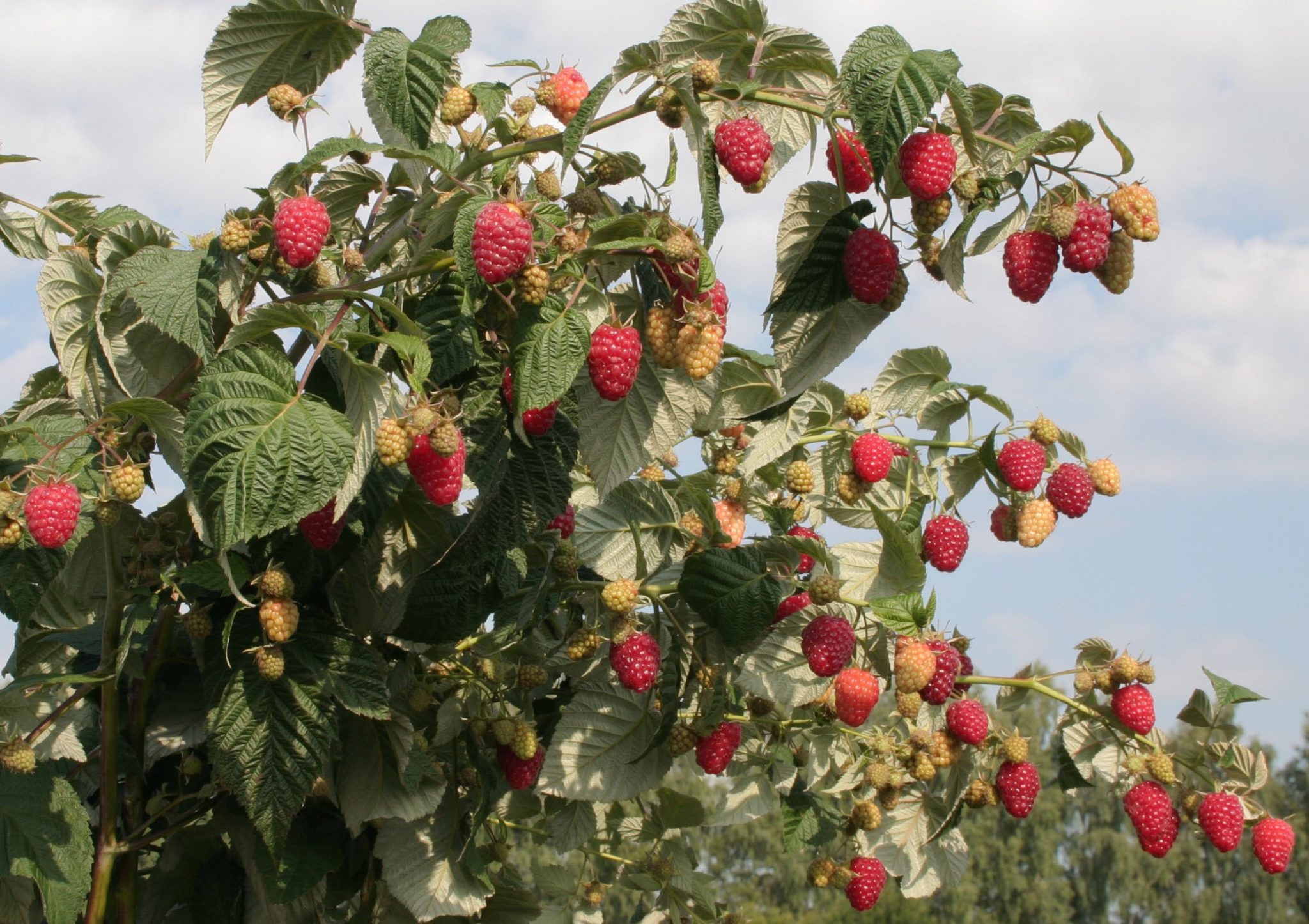
For such bushes, the pruning process is carried out according to the following scheme:
- in the autumn, after harvesting, it is necessary to remove shoots that have already borne fruit;
- Next, all diseased, dried, and damaged branches should be cut off. This procedure is called sanitization;
- then you can begin thinning out the one-year-old shoots;
- With the arrival of spring, preparing the bush for fruiting involves shortening the tops of the branches.
As you can see, the procedure itself is very simple and doesn't require much time. Remember that all cut branches must be burned away from the plantings. This is done to protect the plants from potential diseases. Even if the cut shoot appears healthy, this doesn't mean it's free of pathogenic microflora. Many microorganisms can overwinter in cut branches and reactivate with the arrival of spring. For this reason, all green material, including any branches from the pruning, must be burned.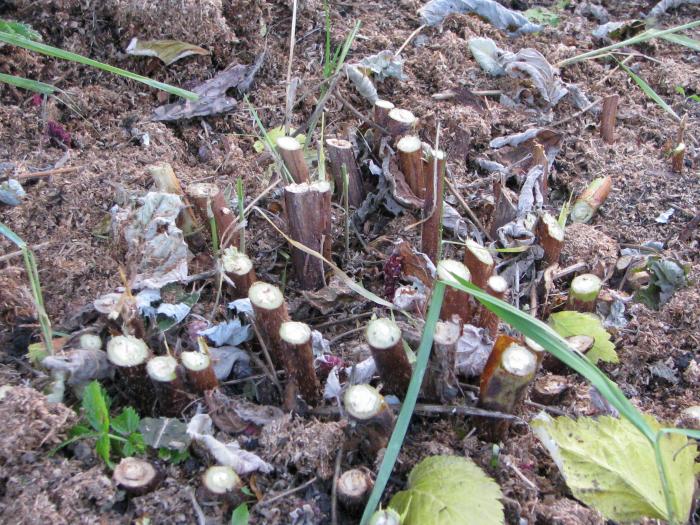
This technology is not suitable for varieties that can produce several waves of harvest in one growing season.
Pruning remontant varieties
Everbearing raspberry varieties differ from regular ones in that they are very productive. They begin bearing fruit in their first year. These varieties appeared in our country relatively recently and are growing in popularity every year. Therefore, it's important to know how to prune these plants.
Everbearing bushes are capable of producing fruit quickly. This is facilitated by the fact that their replacement shoots have terminal buds. Therefore, when branches partially die back, the following year's fruiting is somewhat reduced, but nonetheless abundant. This is an important factor to consider when pruning dried shoots.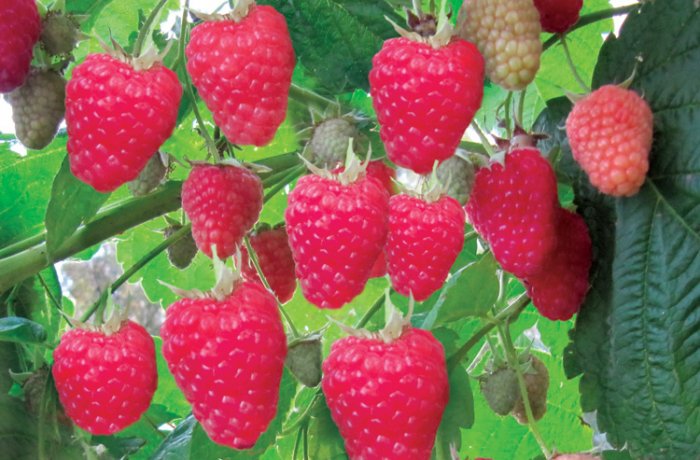
In the first two years after planting, care for such plants will be no different from that of ordinary varieties:
- loosening;
- watering;
- application of fertilizers.
However, in the second year, you need to be on guard. Due to the specific nature of growing everbearing raspberries, you need to know what to do and how to prune them to avoid reducing the bush's yield. In this situation, if you do something wrong, the bush may not grow back. To prevent this, a special pruning technology for everbearing raspberries has been developed. It is implemented as follows:
- After the first fruiting, some shoots may die off. These are the ones that need to be pruned;
- it is necessary to cut off the entire above-ground part of the shoots;
- the remaining branches will bear fruit next year;
- After this, all shoots must be burned;
- Then you should loosen the garden plot. This should be done to a shallow depth;
- After loosening, the soil is watered well.
Pruning everbearing varieties should be done in the fall, after the last harvest has been collected. After this procedure, all annual shoots will grow healthy and strong. This is because, with maximum pruning, the plant will be reliably covered by snow. This ensures rapid recovery of buds and shoots. Pests and pathogens will also have nowhere to hide for the winter, which is another advantage for the future growing season.
To ensure the most positive results from fall pruning, clear pruned everbearing raspberries of snow in the spring and then cover them with black plastic. This will allow the growing season to begin approximately two weeks earlier than planned.
It's worth noting that the second year's harvest will differ slightly from the first: the berries are somewhat smaller, and the yield is less abundant. However, even so, the second year's harvest may differ in both quality and quantity from other varieties.
After the entire harvest of the second year has been gathered, every shoot without exception must be cut back to the ground. After this, the soil should be thoroughly loosened and watered. In our country, gardeners typically perform this procedure in late October or early November. The timing should be based on favorable weather conditions. In southern regions, pruning is delayed by 2-3 weeks due to the milder and warmer climate.
The following year (the third), proper pruning will produce healthy, strong, and vigorous young branches that will quickly reach the desired height. At the same time, the bush will not freeze over the winter and will be able to rest well, accumulating strength for another abundant fruiting season.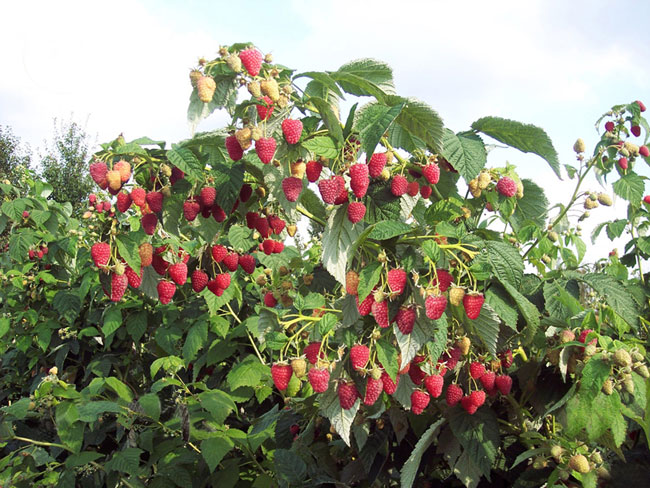
As we can see, pruning everbearing varieties isn't much different from the same technique for regular plants that bear fruit once per season. Despite its apparent simplicity, this aspect of care requires precise and strict adherence to all rules and recommendations.
Video: "Pruning Everbearing Raspberries"
This video will show you how to properly prune remontant raspberries.