
How to Grow Raspberries from Seeds at Home: Expert Advice
Content
The best varieties
When discussing the best raspberry varieties, it's assumed that the berries should be large, with abundant and preferably repeated fruiting. Therefore, gardeners often choose everbearing, large-fruited varieties for planting. However, the climate of the region where the berries will be grown must also be considered.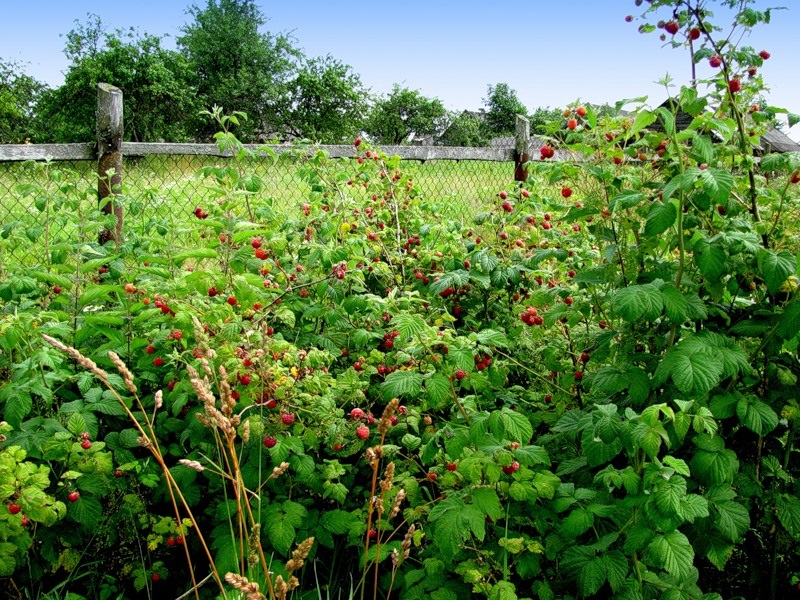
In the conditions of the Central Belt and hot continental climate, it is worth giving preference to remontant varieties such as Hercules, Polka, Primara, and Zyugana. The everbearing raspberry variety "Bryanskoe Divo" is considered one of the best for northern regions and Siberia. If you want large and very sweet berries, choose dessert varieties: Orange Miracle, Yellow Giant (yellow raspberry), Ispolin, and Karamelka.
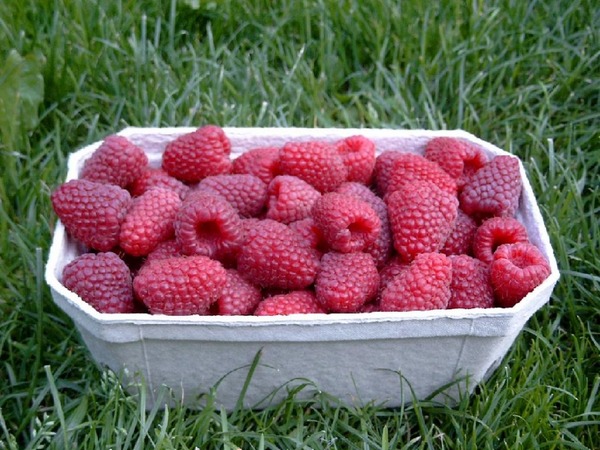
Among the most productive varieties are the following: Krasa Rossii, Bryanskoe Divo, Mirage, Gusar, Patricia, and Izobilnaya. If you plan to grow raspberries for sale, choose varieties with firm, easily transportable berries: Polana, Gusar, Shugana, Benefis, and Babie Leto-2. The berries of these varieties, in addition to their delicious taste and aroma, can be stored for up to 5 days.

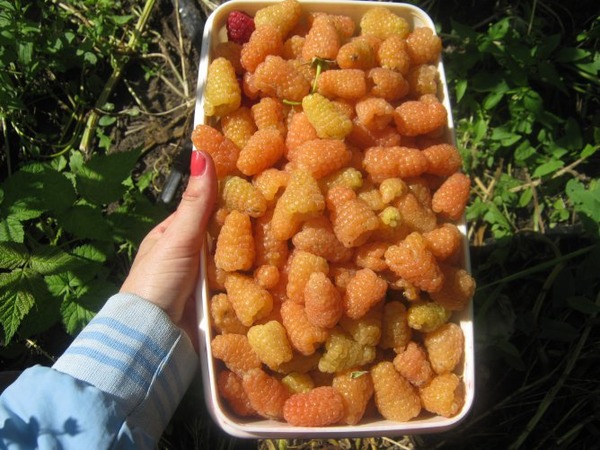

Video: "High-Yielding Raspberry Varieties"
This video will tell you about the most productive varieties of raspberries.
Landing rules
Raspberry plants can be planted and transplanted throughout the warm season, from spring to fall. However, since seedlings develop most actively in spring, the best time to plant them is before bud break. Cuttings or young shoots can be planted in midsummer, and in the fall, seedlings that are well-ripened by this time and will survive the winter.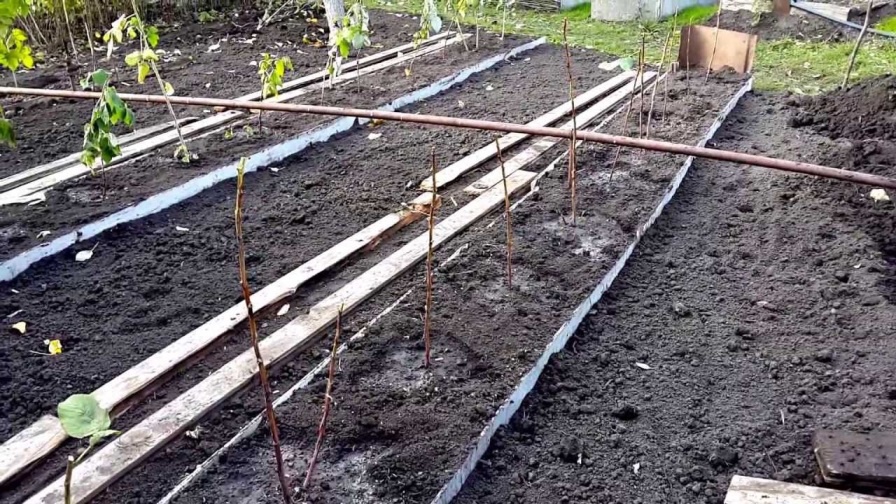
For good growth and fruiting, raspberries require fertile soil, preferably neutral in pH. Loose black soil or light loam enriched with organic matter is suitable. The planting site should be sunny. Raspberries can grow in partial shade, but in this case, their branches will stretch toward the sun, causing them to become thinner.
Raspberries can be planted in rows spaced 1-1.5 meters apart using the trench method or in individual planting holes. The hole should be at least 40 cm deep and in diameter. Drainage (coarse sand) should be placed in each hole or at the bottom of the trench, as well as organic fertilizers such as high-moor peat, humus, or compost.
Immediately before planting, add a handful of ash to each hole, and trim the seedlings to a length of 25-30 cm. After planting, water the raspberries, and mulch the space between the bushes.
How to grow from seeds
It's no secret that you can grow raspberries from seeds at home, but success depends entirely on the quality of the seeds. Good seeds can be purchased at a gardening store, or you can collect them yourself from overripe berries by grinding and thoroughly washing them.
You can sow seeds for seedlings, as well as transplant them, in spring or fall. For spring planting, seedlings are grown in pots indoors, and the seeds are sown as early as late February. For fall planting, seeds can be sown directly into open ground. Winter planting (in late fall) is also practiced, but in this case, the seeds should be covered with compost to prevent freezing during the winter.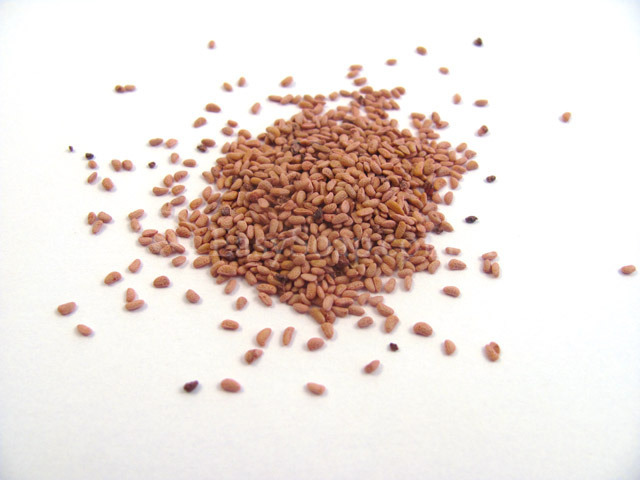
Without pre-germination, the seeds are planted in a moist substrate consisting of equal parts peat and soil. The seeds are buried 0.5 cm into the soil; they can also be simply spread on the surface and covered with soil. Until germination, the substrate containing the seeds is kept in a warm place and watered regularly.
At the second true leaf stage, the seedlings are pricked out or transplanted into a garden bed, where they will continue to grow. During the summer, the seedlings should be regularly watered and fertilized with urea (at least five times). Raspberry seedlings are transplanted to a permanent location once the root system has formed.
Reproduction
If you already have a raspberry bush, you can use easier methods to propagate it:
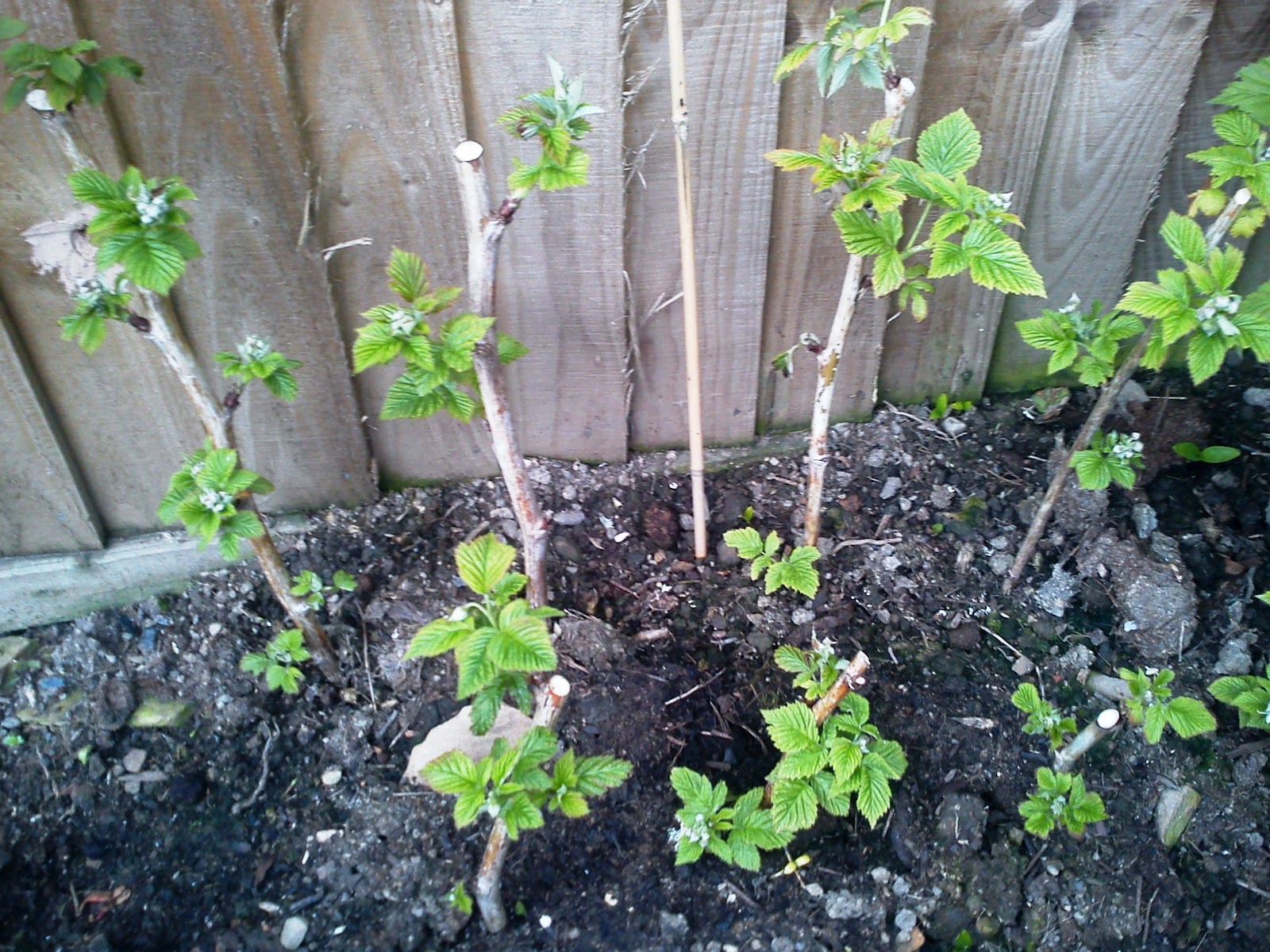
- Offspring. Every year, raspberries produce numerous suckers—small bushes that form on the roots from adventitious buds. These seedlings are considered the highest quality and easiest to establish, as they already have formed roots. The suckers are transplanted from late May to mid-June, when they reach a height of 15-20 cm. The bushes are transplanted with a lump of soil and watered regularly until they take root.
- Cuttings. Shoots taken during thinning or pruning of raspberries can be used as planting material. In spring, in May, the cut branches are cut into 10-15 cm long pieces (each cutting should have 3-4 buds and leaves). The lower edges are soaked in a stimulating solution (Heteroauxin) for 12-16 hours, after which they are planted in moist soil. If maintained moist, rooting occurs in about a month.
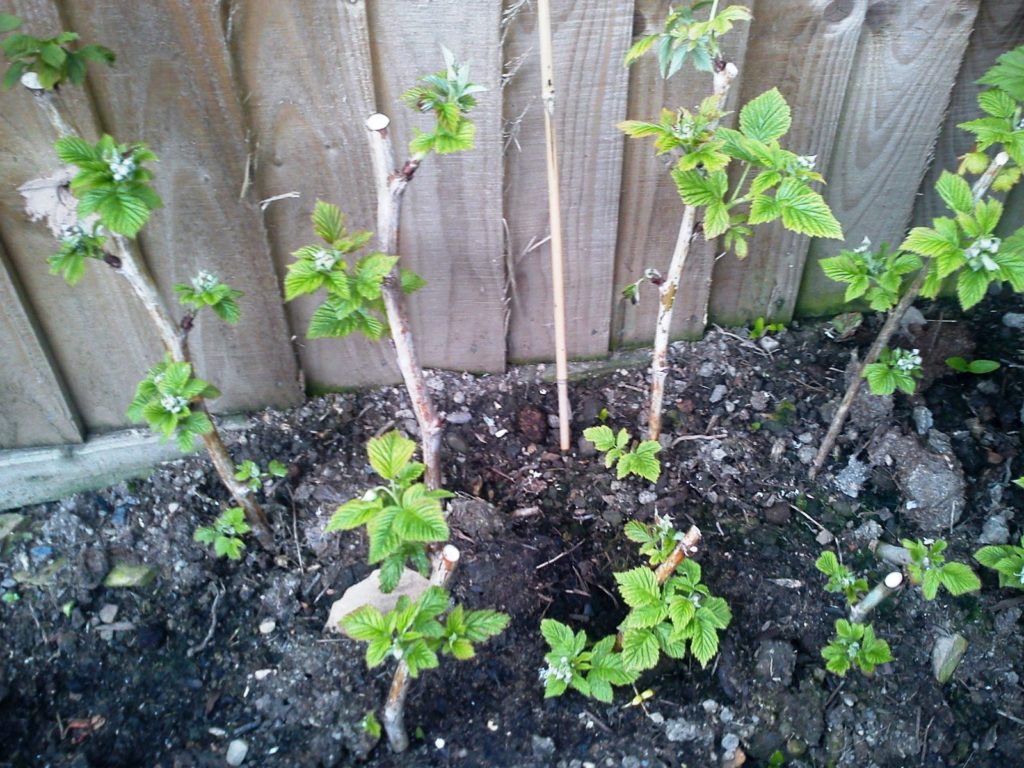
- Dividing the bush. This method is used to propagate valuable varieties with a small number of offshoots. A mature bush can be divided into 4-5 parts, ensuring that each raspberry bush has developed roots and at least 2-3 healthy young shoots. It is best to divide the bush in the spring.
Care
If raspberries were planted in well-fertilized soil, care in the first year will consist only of regular watering, loosening the soil, and removing weeds around the bushes. From the second year onward, fertilizing will be added to this list of measures.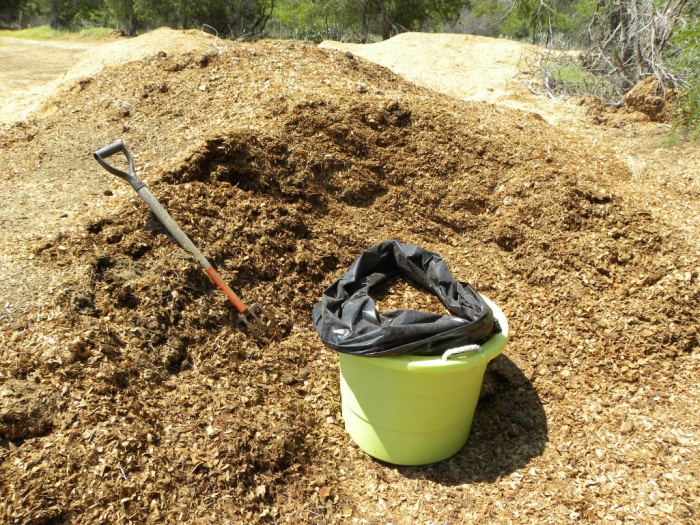
As a rule, at least three of them are held during the season:
- in April, while the soil is still moist, mineral fertilizers are added: urea or ammonium nitrate (10 g/1 m²);
- During flowering and ovary formation, you can use manure or other organic fertilizer diluted in a 1:10 ratio;
- After harvesting, raspberry bushes should be fertilized with potassium, as this is when future fruit buds begin to form. An excellent potassium fertilizer is ash, scattered between the bushes or applied in liquid form under the roots.
-


Before wintering, raspberries need to be pruned: remove all damaged and fruiting branches, and trim the tops. For the winter, raspberries are covered with organic mulch (leaves, spruce branches), or an air-dry shelter is constructed. The first option is suitable for varieties with shoots that bend easily to the ground. For upright bushes, a frame shelter is constructed and covered with thick plastic.
Video: Growing and Caring for Raspberries
This video will show you how to grow and care for raspberries to get excellent results.