
How to properly prune raspberries in the fall
Content
Purpose and timing of pruning
Spring pruning is a natural continuation of fall pruning. You should trim back broken, diseased, excess, and weak raspberry and currant shoots. As a rule, when pruning an overgrown raspberry patch, you should decide for yourself how you'll grow the berries—bush or row. Only then should you decide which method is best for you and begin pruning.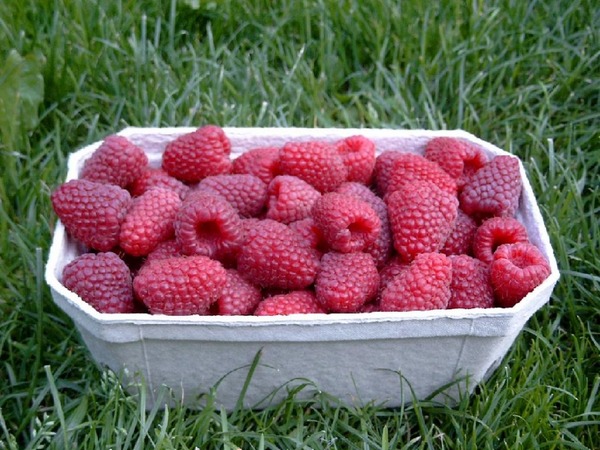
We start cutting the shoots as low as possible to avoid any stumps that could trap bugs. We trim away any frozen stems and tops down to healthy buds. The remaining buds should be about one and a half meters tall. This pruning will be very beneficial. We remove 25 cm at a time. This will awaken the buds, which will later form shoots bearing berries. Leaving the old stems will result in very poor health.
If the stems and tops are not trimmed at all, most of the berries will be very small. However, this will also create too many stems, preventing ventilation and causing the plant to become diseased. Therefore, the distance between rows should be around 2.3 meters, and the distance between bushes should be 1.6 meters. So, now you know how to prune raspberries in the spring.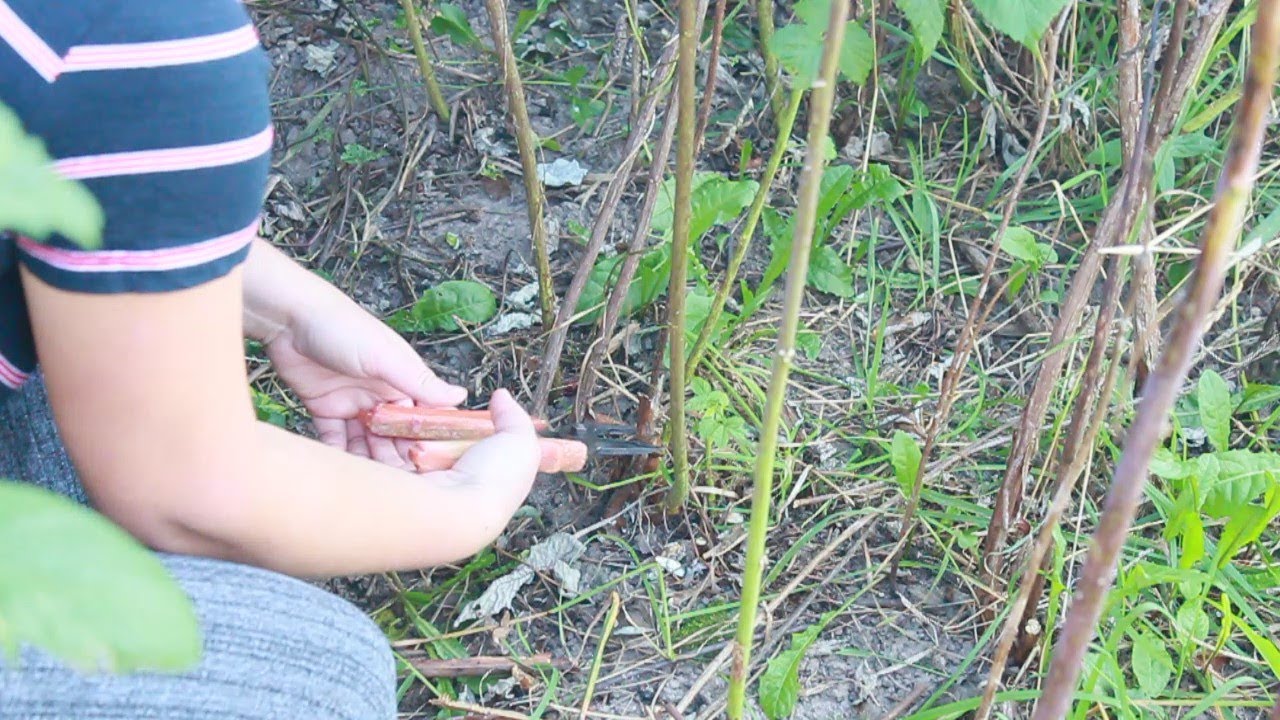
And this kind of stem rejuvenation can produce a very significant rejuvenating effect on the entire raspberry plant!
Under excellent conditions and with good care, one plant can grow up to 25 shoots.
Video: "Why Do You Need to Prune Raspberries in the Fall?"
In this video you will learn why you need to prune raspberries.
Trimming technology
If you didn't know how to properly prune raspberries in the fall, we'll tell you now! Raspberry pruning occurs before frost, which can be as early as October or November, depending on the climate. The key is to ensure the stems are already trimmed when the cold weather arrives. Then, fall pruning occurs, removing old, two-year-old stems. This is the only way the raspberries will survive the winter. So, if you've been debating whether to prune your raspberries in the fall, the answer is simple: yes, you must! After all, proper care in the fall will encourage new fruit to form.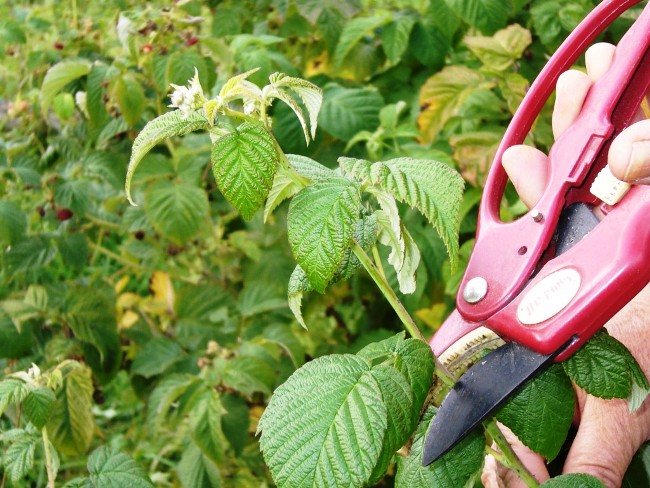
As you've already understood, raspberry pruning should be done in the fall. When pruning raspberries for the winter, remove all diseased shoots. Simply remove them and burn them.
The berries themselves are easily pruned. Many gardeners, lacking everbearing raspberries, prune their regular raspberries in a special way to prolong the ripening process. Some tops are cut 15 cm shorter, others 25 cm shorter. Still others are cut in half, and so on. This ensures that the long shoots will bear fruit first. And those that are cut back almost to a stump will begin to bear fruit in late summer. That's how simple fall pruning works.
Keep in mind that this type of fall pruning will reduce yield. Although the berries may increase in size slightly, it's important to prune your raspberries in the fall!
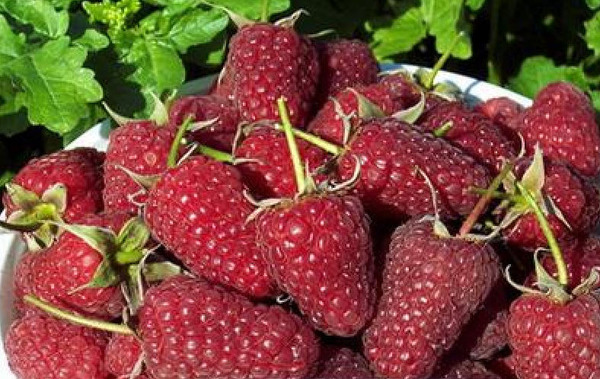
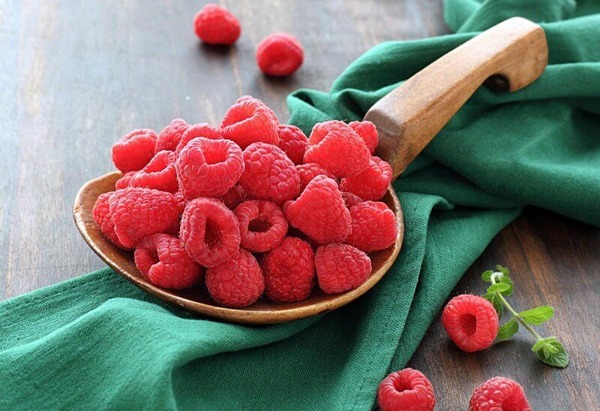
You can also prune them in the summer. Many people don't know whether raspberries can be pruned in the summer, and even if they do, they're unsure of the proper pruning method for this season. Summer pruning involves removing shoots with wilted tops and virus-infected bushes during flowering. Don't wait until fall to remove these shoots, as they are a source of diseases. Remove unwanted growth immediately, as it is even more debilitating than weeds.
In areas with a winter climate, where winter is loved for its mountains of snow, we can skip staking the plant and simply bend it down. This will help retain snow, but then it should be done with the first warm weather.
Raspberry pruning in the fall should be done after you've decided whether to prune in the spring. If spring pruning isn't planned, leave the strongest shoots in the fall.
Remember that these plants can be grown in the same spot for up to 10 years. However, most often, their lifespan does not exceed 5-8 years. To rejuvenate your corner, replace old bushes with new ones every 6-7 years.
It's best to trim the raspberries back to the stump. This will eliminate any potential problems.
Prune raspberries in the spring before buds form. As soon as the snow begins to melt, the plants will begin to grow immediately.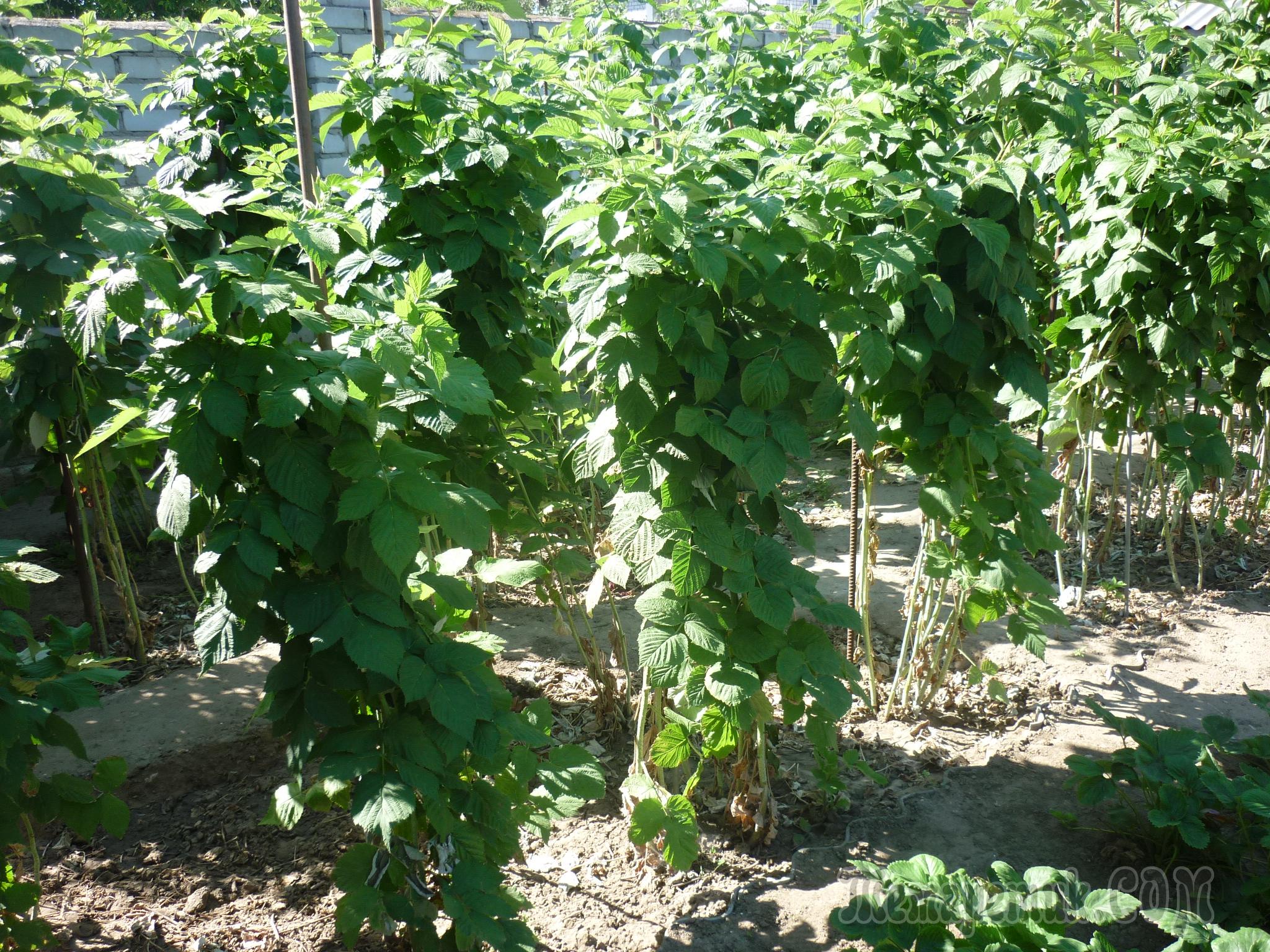
Double pruning is also an option, and it yields excellent results. However, it requires professional farming techniques. Raspberries are very demanding of soil, and large yields can only be achieved with excellent care of both the soil and the prunings.
A second pruning is carried out in the spring. When the plants have developed 15 cm of leaflets, the tops of all shoots should be trimmed. This will awaken the dormant buds. The ripening process won't occur all at once, but gradually until the first frost.
This type of pruning will also ensure a large number of buds. However, to ensure a large harvest, don't overload the plant and provide the bushes with water and fertilizer.
In late spring, you can pinch off the tops of two-year-old shoots to delay the first fruiting. There's no point in pruning the tops of new shoots, as they're where the fruit is set. If you cut them off, the berries simply won't ripen.
Peculiarities of pruning remontant raspberries
Pruning everbearing raspberries has its own specifics, depending on whether they're grown for a double harvest or a single crop. In the latter case, all shoots are removed, while in the former, standard pruning is performed.
The essence of double pruning is this. The first pruning of the bushes is done in early summer. When a shoot reaches a height of 1 meter, its top is pinched off. After this, the side shoots begin to grow vigorously, reaching half a meter by August. Just remember that the second pruning must be done on time! Otherwise, the new shoots will simply freeze.
Rules and features of getting rid of undergrowth
After you've harvested your first crop, remove the old shoots. This will speed up the ripening of the second crop.
In temperate latitudes, where it may be absent, many berries will go green under the snow for the winter. In this case, it's recommended to use everbearing raspberries as "one-year-olds." This means the entire top is cut off, and new shoots will bear fruit. Be aware that all the nutrients from this harvest will be transferred to the second one because last year's stems have been removed. And the raspberries need to grow. However, thanks to these manipulations, next year's autumn harvest will grow faster and be of better quality.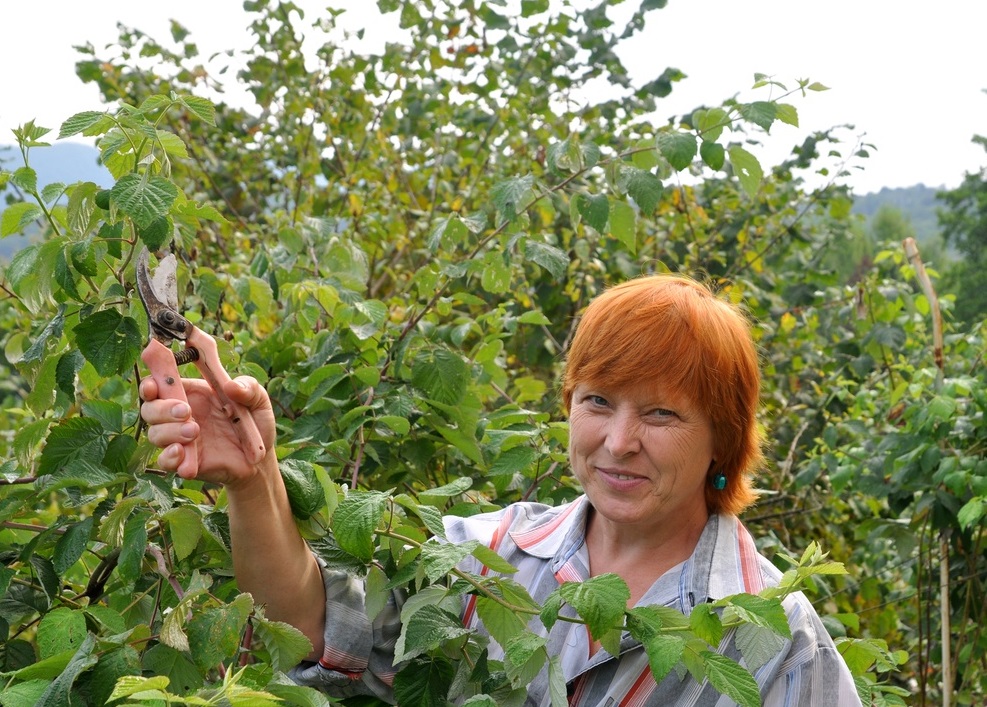
This type of pruning will also prevent raspberry canes from bending to the ground and prevent diseases. And if you have both regular and everbearing raspberries in your garden, you're sure to get a bountiful harvest.
So if you thought that pruning raspberries in the fall is impossible for beginners, you are very much mistaken!
Video: "Double Pruning of Raspberries"
In this video you will learn why you should do this and what benefits you will receive.