
How to get rid of raspberries in your garden forever
Content
How to get rid of young shoots
For many gardeners and summer residents, raspberry patches become a real problem, consuming a lot of time and effort. Every fall, they prune out unwanted shoots, and each spring, more new growth appears than before. This situation often occurs after the raspberry patch has been moved to a new location. It's a well-known fact that raspberries need to be replanted every 5-6 years, otherwise they degenerate, the berries become small, and the yield declines. But unfortunately, getting rid of raspberries is much more difficult than introducing them.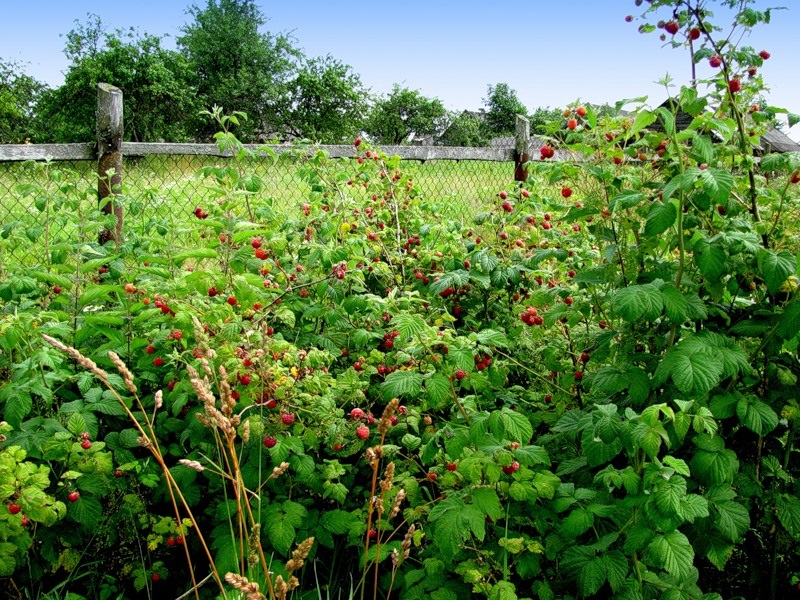
Raspberry bushes often migrate from neighbors. If their raspberry patch is located near your fence, the likelihood of new shoots appearing on your property is almost 100%. What to do with these young shoots and how to get rid of them? Every gardener has their own tried-and-true method. However, it's important to understand that this process will likely take several years, so don't expect quick results.
If the new growth has appeared recently, it's much easier to control. The first thing to do is to dig up the area in early spring, before the shoots have grown, and remove all roots and shoots from the soil.
Over time, as the grass begins to grow, the raspberries will also sprout, so the soil is dug again. Simply cutting or mowing the young shoots doesn't make sense, as the removed bush will still sprout new shoots from the remaining root, and in greater numbers.
However, there are many reviews that claim that regular mowing was successful in eliminating unwanted shoots. If you decide to resort to this method, be prepared to mow the shoots very frequently, and make cuts at the very base of the shoot, below the growth bud.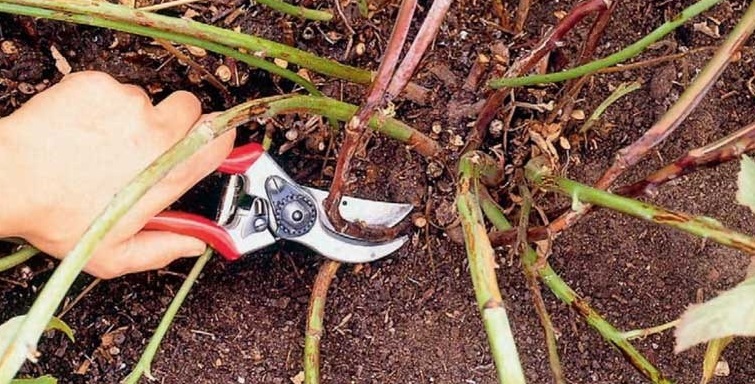
Some gardeners prefer to plant these areas with vegetables: carrots, potatoes, and tomatoes. Of course, in this case, the raspberry growth will be less intense, but the shoots will still appear, interfering with the growth of the vegetables. If you do decide to plant this area, choose green manure. It grows very quickly and will choke out the raspberries.
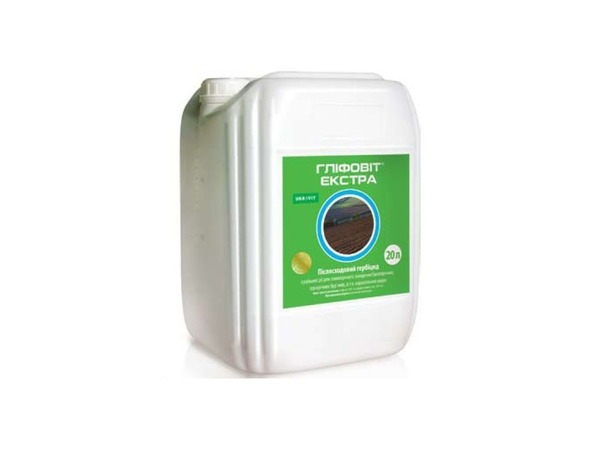
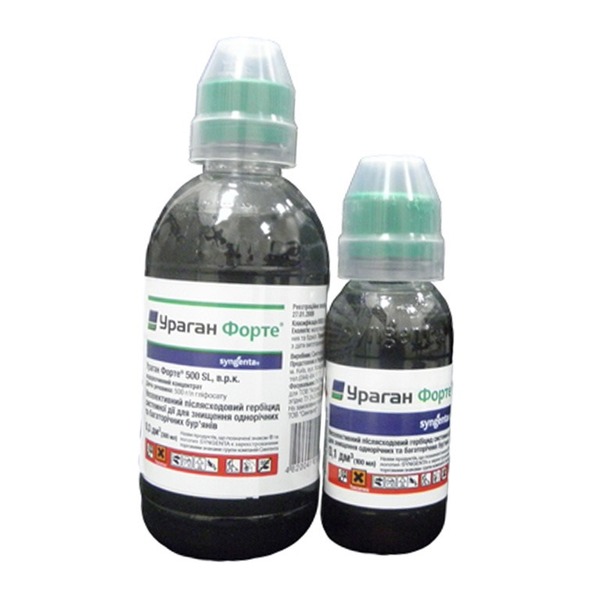
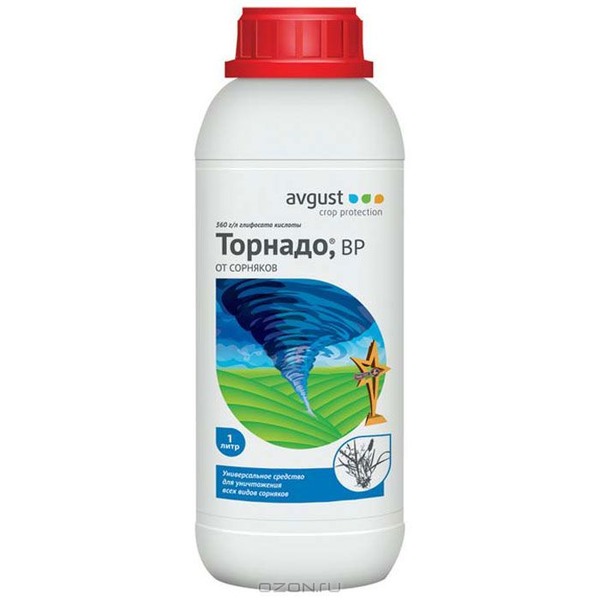
If mechanical control isn't your thing, you can try more powerful methods – herbicides. Roundup has proven effective in killing raspberries. It's a non-selective herbicide, most commonly used in agriculture for weed control. However, raspberries can only be effectively killed with this product after multiple applications, which require treating not only each raspberry bush but also the soil. In addition to Roundup, other products with similar effects can be used, such as Uragan, Tornado, Glyfovit, and Alaz.
Video "Fighting the Overgrowth"
This video will show you how to combat unwanted growth on your property.
How to get rid of old bushes
If a raspberry bush has gone wild and stopped producing fruit, it needs to be uprooted and the area used for growing other crops. However, this isn't easy, as the old shoots have already become woody and developed large roots. The entire process in this case involves cutting down the shoots, digging the area, and then removing the roots.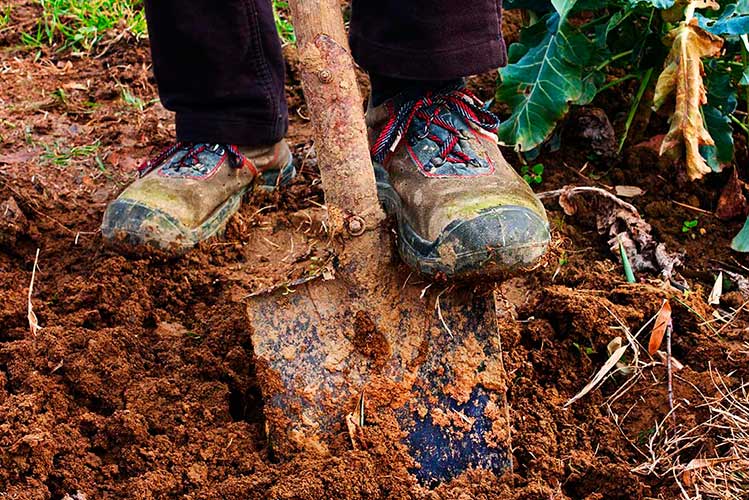
It's best to do this in the spring. You can use pruning shears to cut the branches, but an old and neglected raspberry patch is easier to cut down with a regular shovel or, in a pinch, an axe. It's best to cut the branches at a height of about 10 cm above the ground to make them easier to grab while digging.
The raspberry patch should be dug over, removing all roots and young shoots. The shovel should be pushed in as deep as the entire length of the digging part, and the rhizomes of the bushes should be dug up and slowly pulled out of the soil. Small roots will break off and remain in the soil, so the area will need to be dug up again in the fall and the remaining roots removed. If you only dig up the raspberry patch once, there's a good chance the young shoots will grow back by the following spring, and you'll have to deal with the raspberry bushes all over again.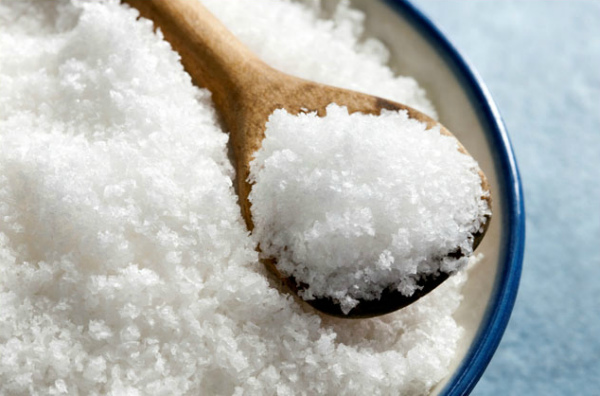
If you don't plan to plant anything in the area under your raspberry patch, but intend to build something, for example, then the task is simpler. In this case, after digging the area, preferably before winter, add regular salt to the soil. Spread it evenly over the surface to a depth of 0.5 cm. It's important to understand that this method is only suitable for permanent construction. Avoid damaging the soil for temporary gazebos or other small architectural features, as you won't be able to use the area for growing plants later.
How to prevent re-overgrowth of an area
To prevent the raspberries you've worked so hard to control from re-entering the treated area, you need to build a barrier. Many gardeners use old pieces of slate or car tires for this purpose. Raspberry roots can penetrate almost anything—for example, they easily penetrate roofing felt—so the material must be as durable as possible.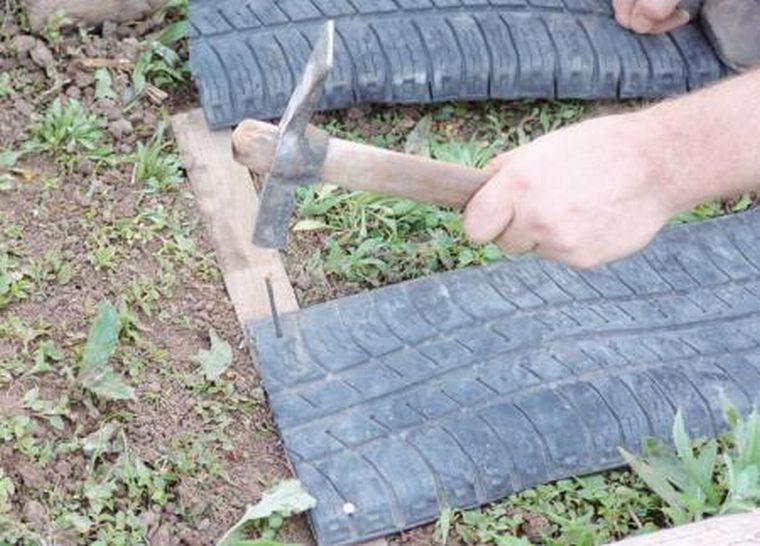
First, dig a trench 50-70 cm deep around the raspberries (the deeper, the better), then insert slate, metal sheets, plastic, or cut tires into the trench so that 10-15 cm protrudes above the surface. If the barrier isn't dug deep enough, the roots will soon grow underneath and sprout again, so the barrier should be deeper than the root zone. A more effective way to control overgrowing raspberries is to plant sorrel or garlic along the raspberry patch. Some believe that raspberries don't dare climb over such a barrier, and the resulting produce can be used for its intended purpose – as food.
Video "How to Fight"
This video will show you how to control raspberries in your garden.