
Tree raspberries: basic rules for growing and caring for them
Content
Description
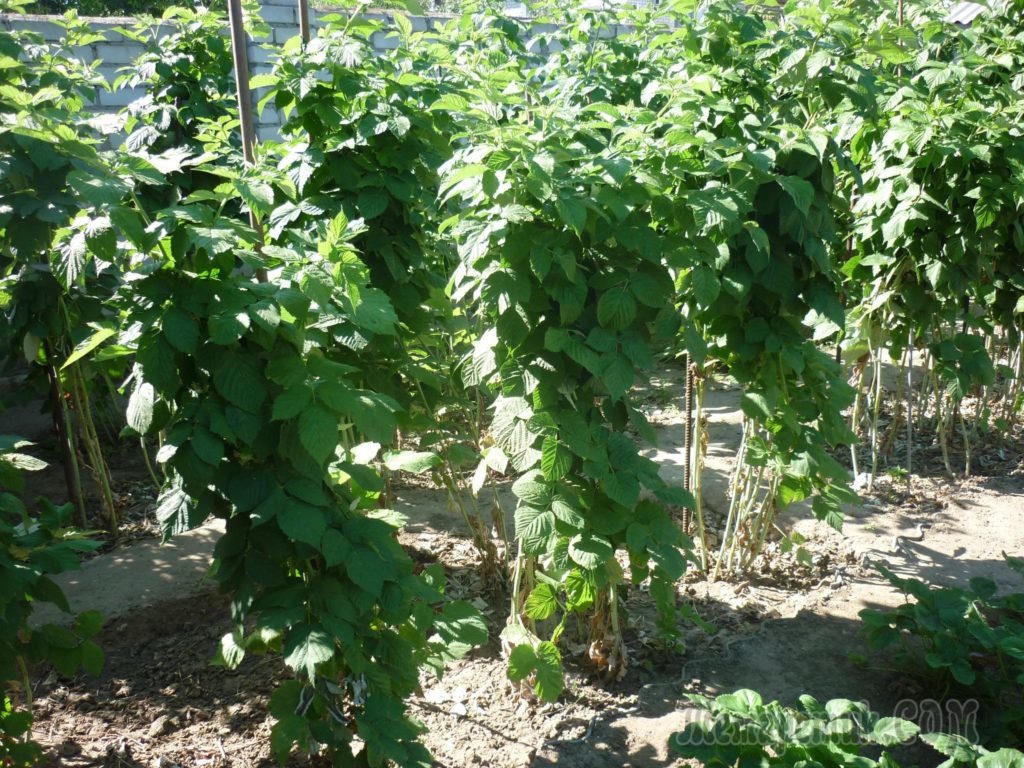
The raspberry tree is a standard variety of this berry crop. It is considered the most productive of all existing varieties. Therefore, gardeners have recently begun to increasingly prefer it.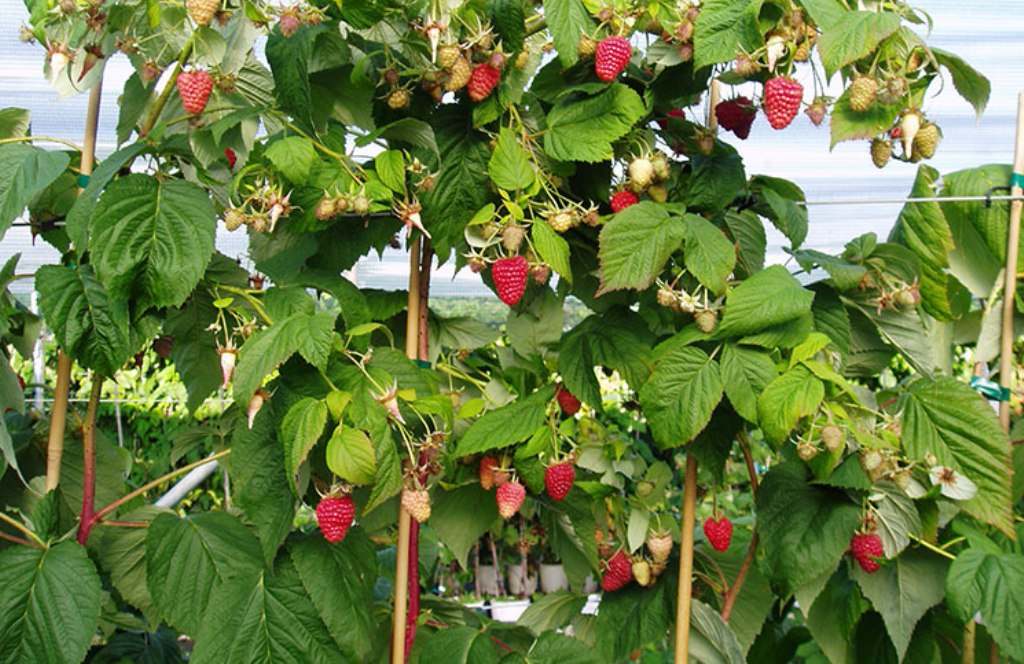
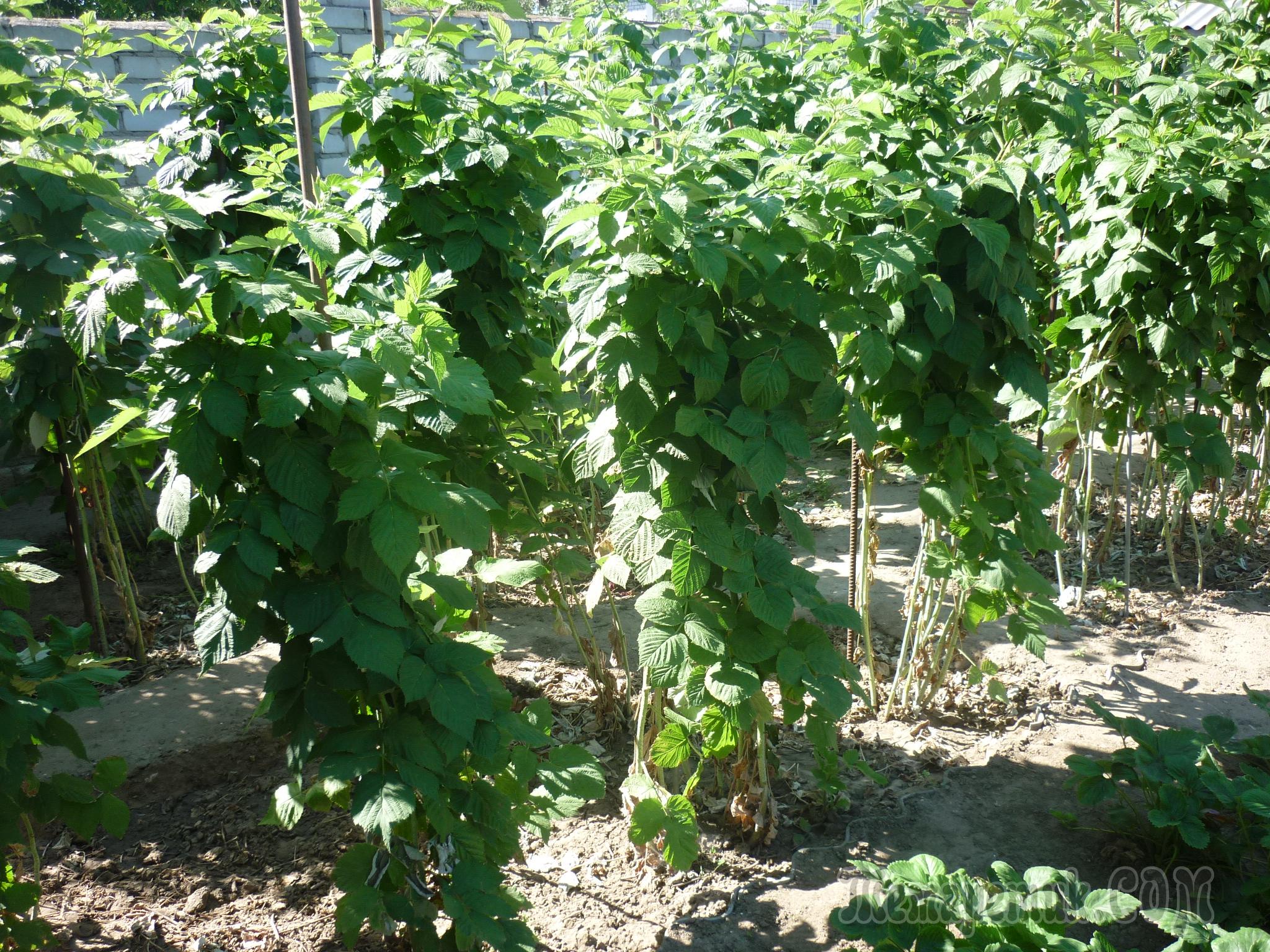
As the name suggests, the standard variety's characteristic feature is its resemblance to a tree. "Standard" in this case describes the plant's crown. It visually resembles that of a fruit tree, as it consists of fairly strong shoots. The stems can be as thick as the petiole itself. However, despite its tree-like appearance, the plant still remains a shrub.
The only difference between standard varieties and regular ones is the thickness of the shoots. It's worth noting that when growing these varieties, there's no need to tie the plants to supports. This is because the raspberry bush stands up well on its own.
Although the branches of this unique tree may bend under the weight of their fruit, they never break. They also resist strong winds.
However, experts recommend tying up bushes at the early stages of development.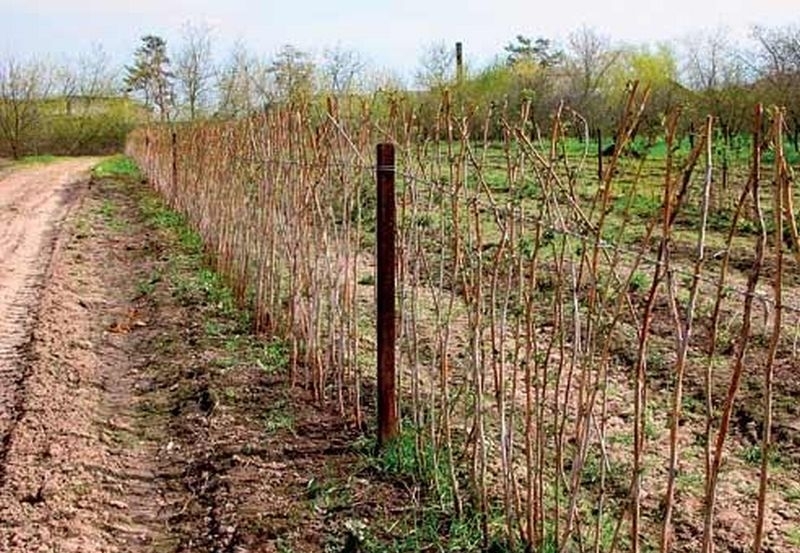
The plant grows no taller than a common raspberry. Therefore, it's not uncommon to see bushes exceeding 2 meters in height. This can cause some problems with harvesting.
Video "Description of Raspberries"
From the video you will learn a lot of new things about this type of raspberry.
Varieties of varieties
Today, there are several varieties of standard raspberries, the result of extensive breeding efforts. Therefore, it's hard to say that they are a distinct species. The first standard raspberry variety was grown in the last century (early 1990s).
The following types of plants belong to the varieties of standard raspberries:
- Tarusa. It became the basis for raspberry trees in domestic breeding. This makes it the most popular, as Tarusa boasts attractive yields and flavor. The shrub produces large berries, averaging 15 g. Furthermore, the plant tolerates low temperatures well and is resistant to pathogenic microflora.
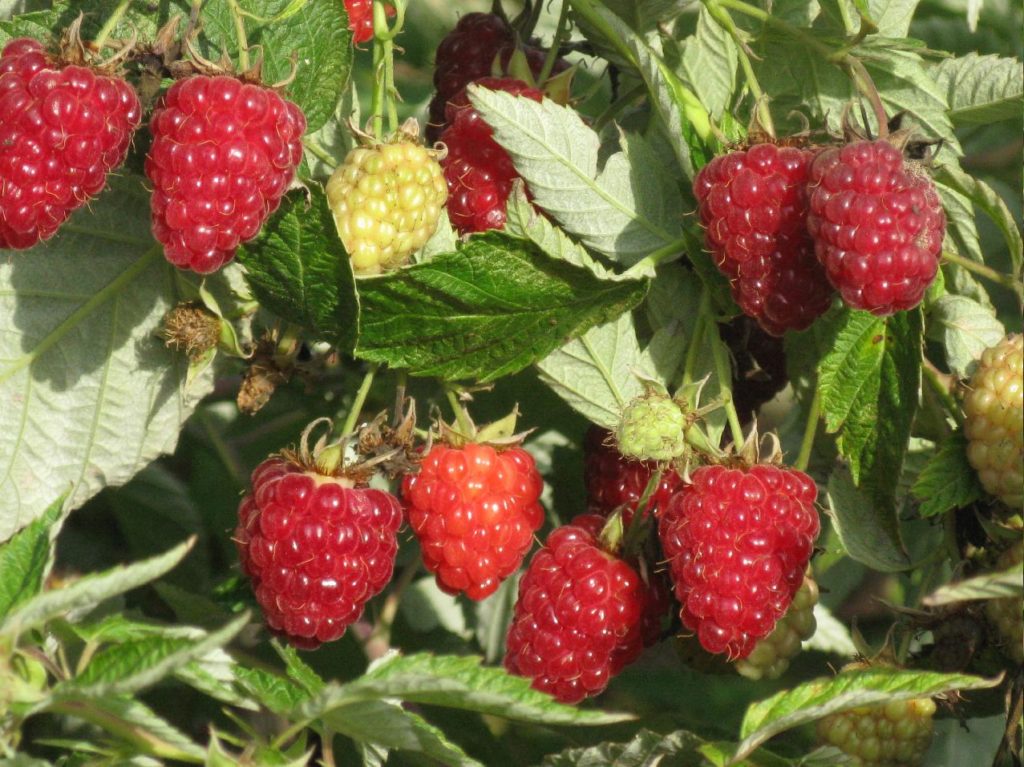
- Skazka. This variety is the result of further selection, which resulted in improved yield, disease resistance, and flavor. Therefore, Skazka is considered more promising than Tarusa. It yields 10 kg or more per bush;
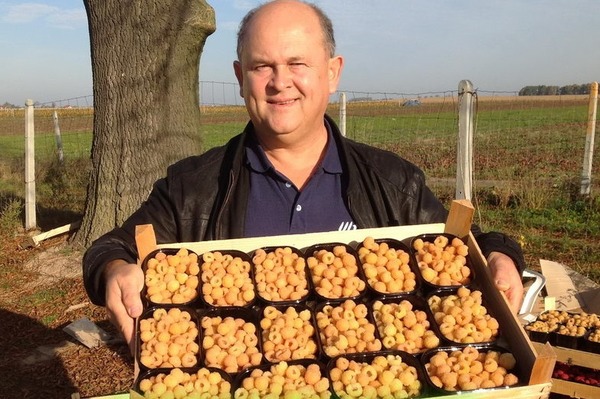
- Gold. It differs from other varieties in the color of its fruits. They are yellow. This must be taken into account when harvesting, as the berries will not turn red. The pulp has a pleasant aroma and flavor;
- Penguin. This is one of the newest varieties and is considered versatile. The berries can be picked both automatically and manually. The plant is small, rarely exceeding 1.5 meters. Therefore, Penguin is often grown commercially. When preparing for winter, all shoots should be pruned to the ground;
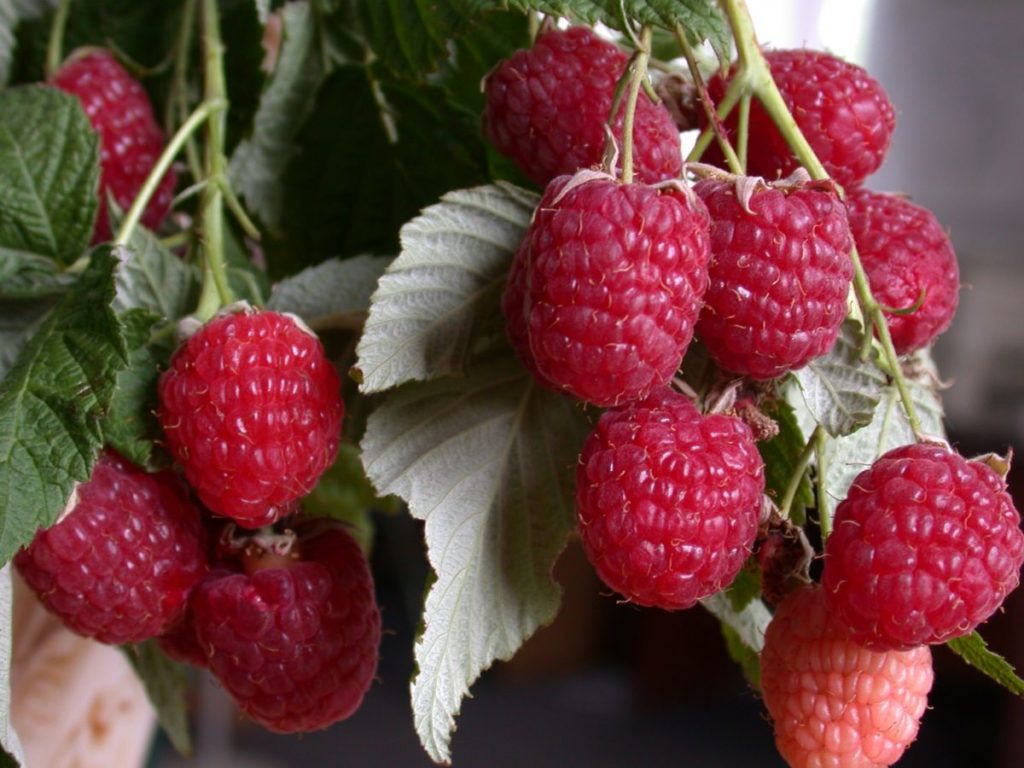
- Eurasia. This is the first standard everbearing raspberry variety developed by Russian breeders. The raspberry bush can grow up to 1.2 meters in height. It produces dark red fruits weighing over 5 grams. Since this is a everbearing variety, the highest-quality harvest comes from first-year shoots. Therefore, to ensure excellent fruiting the following year, it is recommended to cut back all above-ground parts of the bush for the winter.
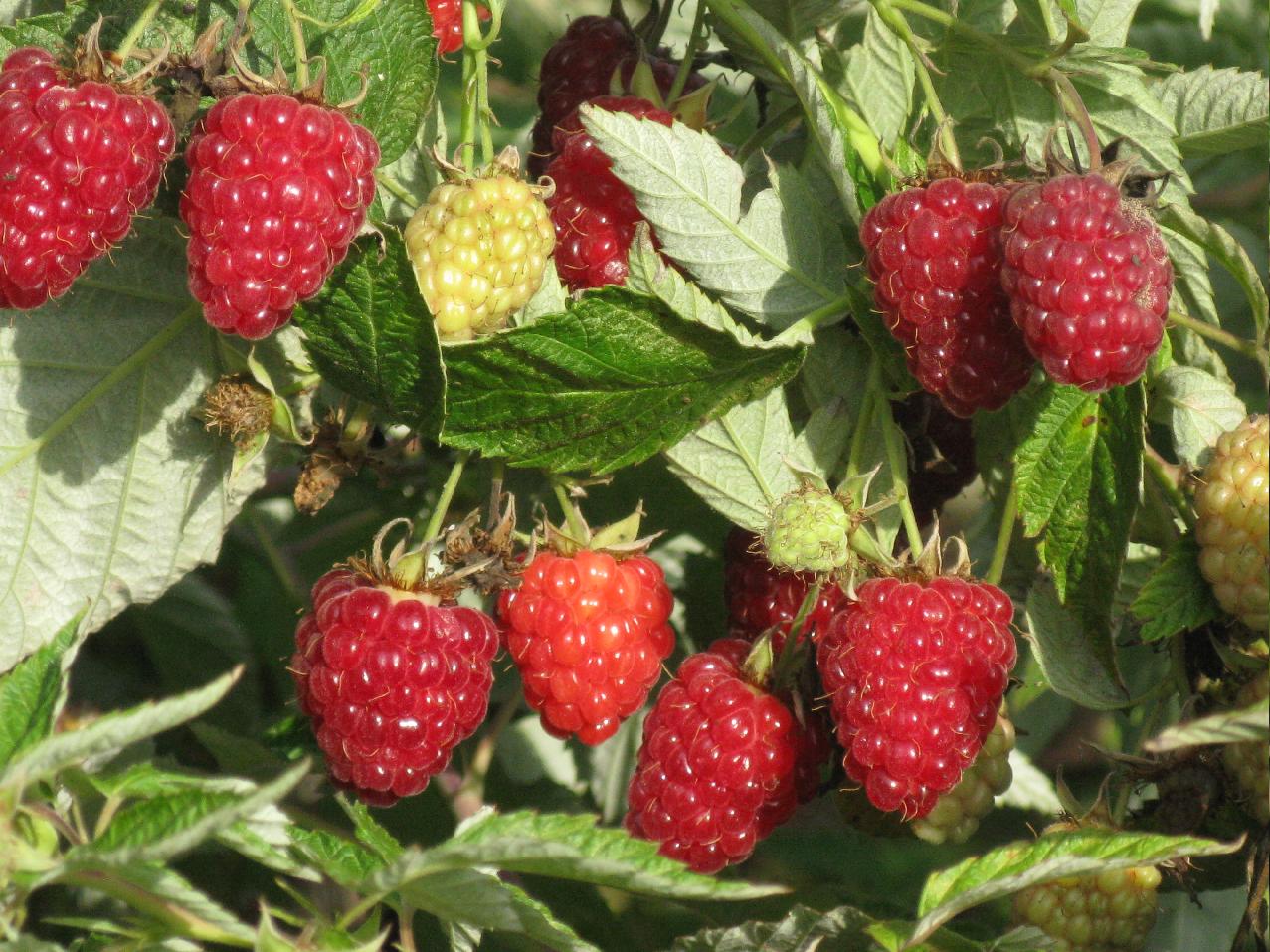
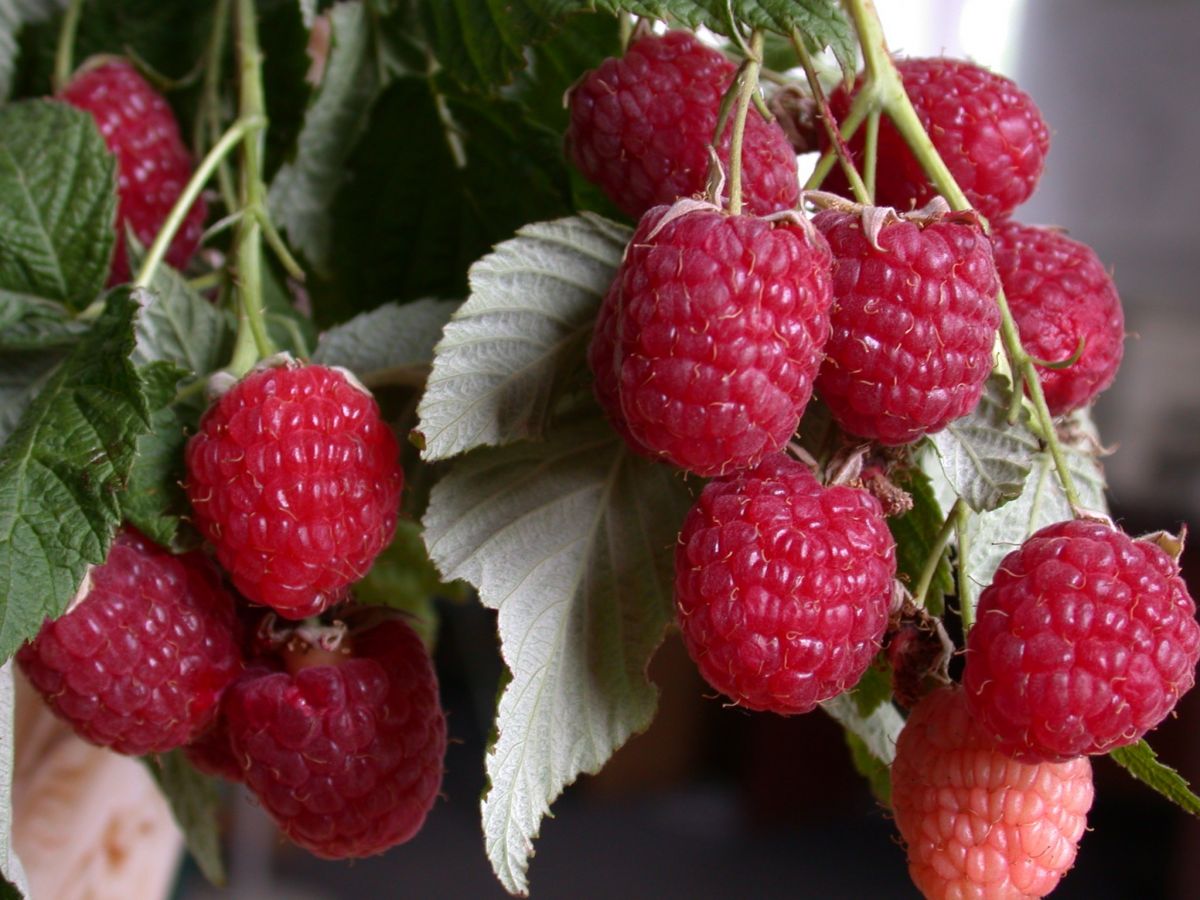
Regardless of the variety chosen for cultivation, it's important to remember that standard raspberries prefer well-lit locations. Such trees, always planted in sunny locations, require proper care. Only then can they produce truly good fruit. Planting and care are crucial aspects of the cultivation process when growing standard raspberry varieties.
Care
Despite some differences from standard varieties, standard raspberries require virtually identical care. They are particularly demanding when it comes to watering. 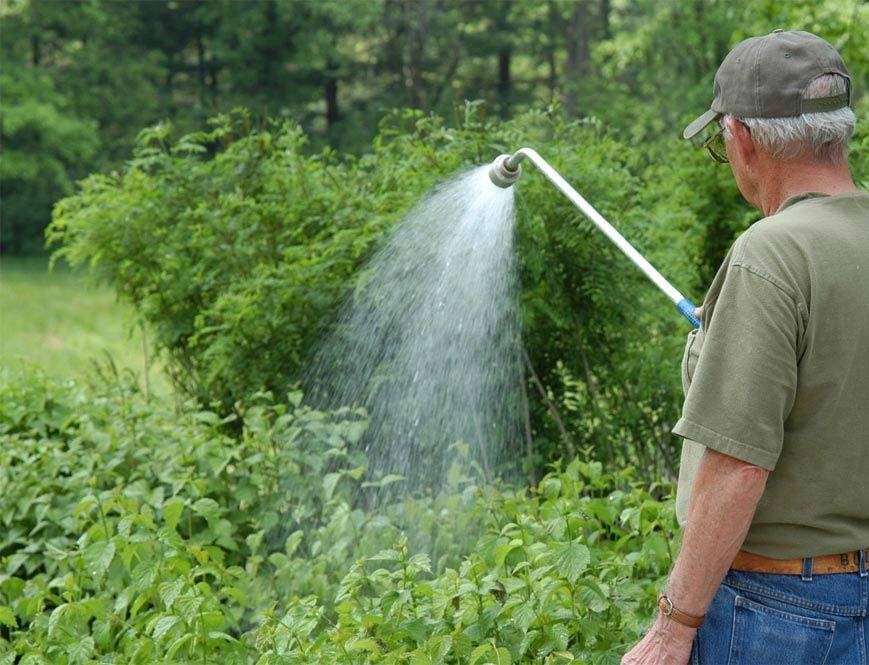 The plant requires abundant, periodic watering, which is especially important during periods of active growth and fruit formation. Without adequate watering, the berries will be dry and wilted.
If the summer is dry and hot, mulching the soil around the trunk is essential to preserve the harvest. To do this, cover the soil with sunflower or onion husks. In this case, avoid using grass, as it rots quickly.
Don't forget about the need to feed the shrub. Fertilizing begins in early spring. At this time, mineral fertilizers should be applied. You can also make your own fertilizer by simply mixing urea with chicken manure.
To ensure standard raspberry varieties produce good fruit, the raspberry patch must be regularly weeded and de-weeded. Otherwise, the weeds will stunt the growth of the entire bush.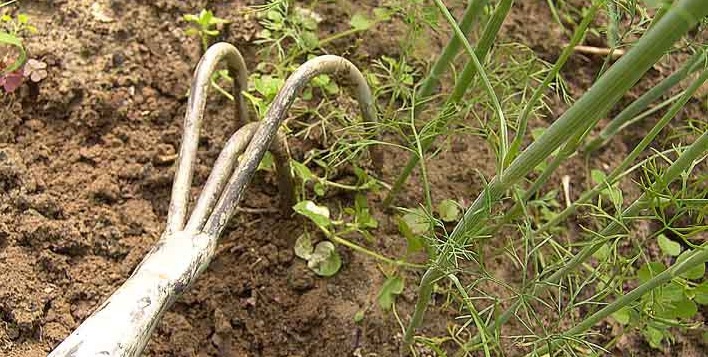
It's worth noting that pinching the tops of the plants is essential for easier harvesting. Failure to do so will result in overly long shoots. This will also reduce the number of fruit-bearing shoots. Pinching also helps shape the raspberry tree's crown so that shoots grow wider rather than taller.
To ensure effective care, the tree must be planted in the right location. For standard raspberries, choose a well-lit area with well-drained soil. Proper preparation of the chosen site is also important. This preparation should include the following steps:
- a month before planting seedlings, fertilizers are added to the soil: ash, humus and nitroammophoska;
- Next, the soil is thoroughly dug over. This will allow the fertilizer to be evenly distributed throughout the entire area of the future raspberry patch;
- Planting is done either in the fall or mid-spring. In warmer regions of our country, this raspberry variety can also be planted in winter. However, suitable weather conditions are required for this to happen.
- the distance between bushes should be at least 50 cm;
- After planting, the plants should be fed with one teaspoon of nitroammophoska.
Proper preparation of the raspberry tree for winter plays a major role in fruiting. To ensure a good harvest next season, prune the tree in the fall. All fruit-bearing shoots should be removed. The six strongest branches should remain on the bush. It's important to remember that everbearing varieties (Eurasia and Penguin) should be pruned right down to the ground.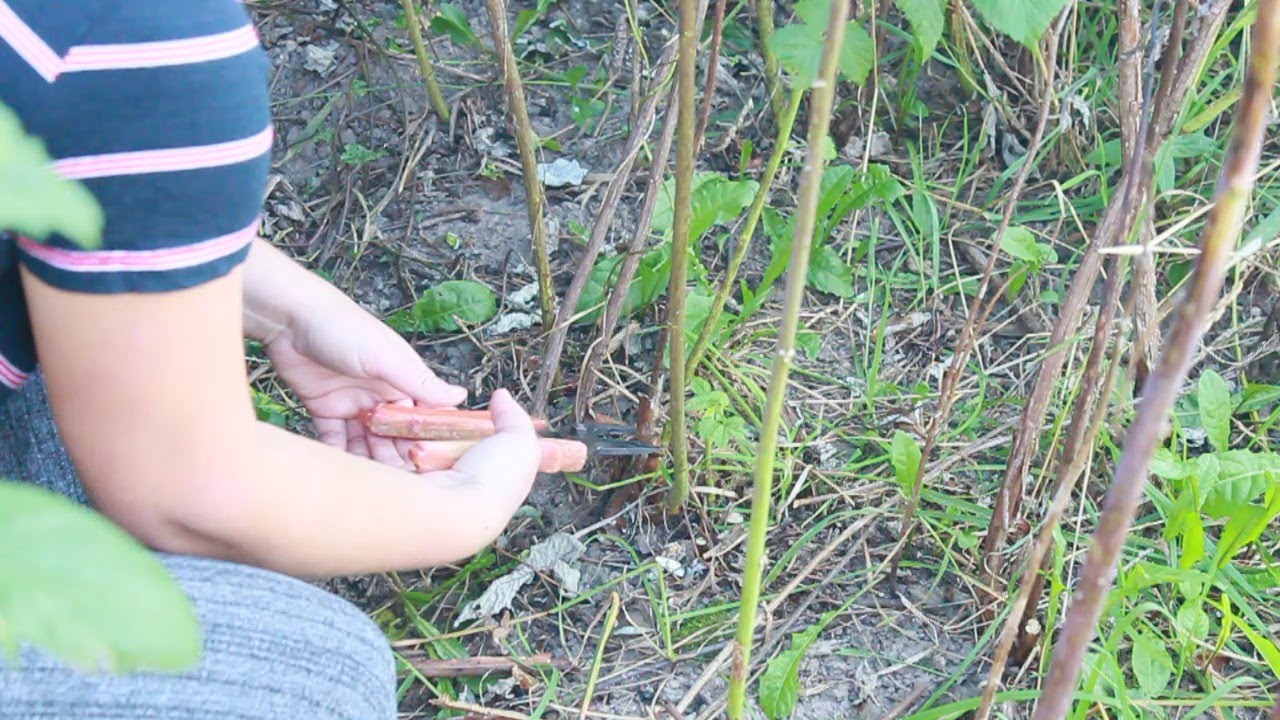
As we can see, standard varieties require the same care as regular raspberries. Therefore, even gardeners who have previously grown only standard varieties can grow them. However, it's important to consider the individual characteristics of each species. This will ensure maximum yield from the plants.
Reproduction methods
When growing standard varieties, many gardeners want to propagate them. Raspberry trees can be propagated in two ways:
- cuttings (due to the presence of powerful roots, this method of propagation is used most often and gives the best results);
- undergrowth.
Let's take a closer look at each of the methods for propagating standard raspberries.
Propagation by cuttings
To find cuttings, dig up the raspberry bush. Select the root sections that have buds. Choose the roots with one or two of the best buds.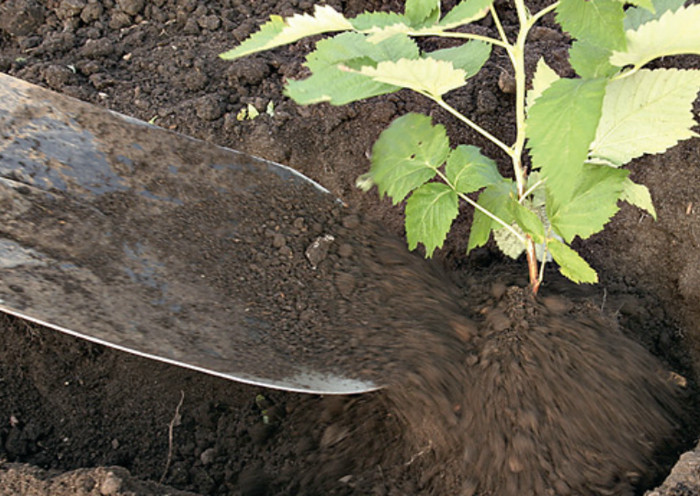
To plant the seedlings, you'll need to prepare a special mixture. It's made from sand and peat, mixed in equal proportions. The cuttings are planted in a special container, which is then placed in a warm place where the seedlings will germinate.
When the first green shoots begin to emerge, they should be transplanted into individual containers. If everything has been done correctly, by next season you will have seedlings ready for transplanting to their permanent location.
Propagation by shoots
When propagating a raspberry tree from suckers, carefully dig up the young plants that have formed near the main bush. If the plants' root system has been damaged, they can no longer be used for propagation.
The dug up plants should be planted according to the standard scheme in the place of the future raspberry patch.
If new growth has not formed around the bush, the root system can be stimulated with special solutions and preparations.
Diseases and pests
It is important to remember that improper care of the raspberry tree can lead to the development of diseases and the appearance of pests.
It's worth noting that standard raspberry varieties are less susceptible to diseases than standard varieties. In this case, specialized products can be used to combat pathogenic microflora. However, periodic spraying is best for preventative purposes.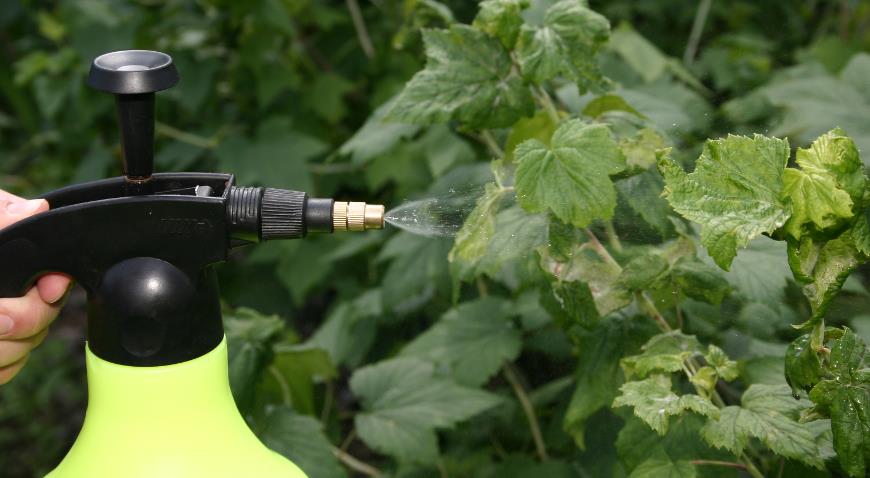
Insect pests pose more of a problem here. The following pests can attack tree raspberries:
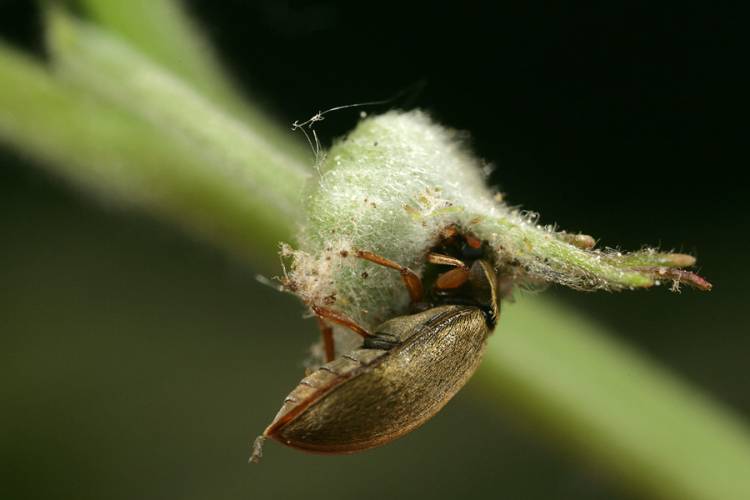
- Raspberry beetle. This insect lives in the soil under the bush. The beetle feeds on flowers and leaves of the plant. Its larvae prefer to feast on berries. To prevent beetle infestations, it is necessary to regularly hill up the soil near the roots and spray the shoots before flowering.
- Raspberry moth. It reproduces and lives in old shoots that haven't been pruned for the winter. For this reason, raspberry pruning should be done at the very roots in the fall. The insect eats out the buds, resulting in a complete lack of fruit. To get rid of the moth, perform fall pruning and spray the plant before the buds begin to swell.
- Weevil. It lays eggs in buds and chews off the stem. This causes the flower to fall off and reduces the bush's yield. To prevent weevils, strawberry plants should be planted near raspberries. Also, before flowering, raspberries should be sprayed with special preparations.
As we can see, growing tree raspberries on your own plot isn't all that difficult. Caring for them is virtually the same as for regular varieties, although it does require some attention to detail. Even a novice gardener can follow all the necessary agricultural practices for a great harvest. Success depends not only on properly planting and caring for the seedlings, but also on high-quality and timely preventative measures to prevent diseases and pests.
Video: "Diseases and Pests of Raspberry Bushes"
From the video you will learn about raspberry diseases and pests.