
What can be planted next to raspberries?
Content
Plants that prevent bushes from spreading
Many gardeners are aware of the mutual influence of plants planted nearby. Often, this interaction is beneficial for both plants, but sometimes, the invasive plants take over the neighboring soil, suppressing and displacing their neighbor.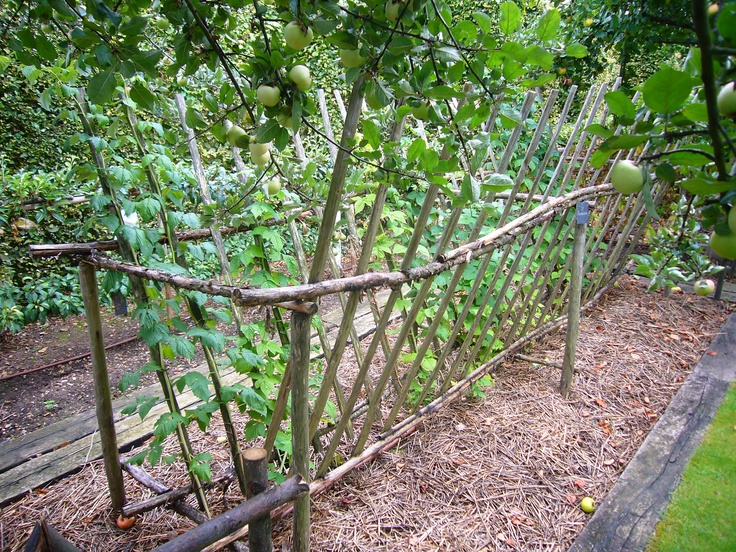
To prevent this from happening in your garden, you should consider what crops are growing nearby before planting.
Basic plant compatibility rules will help avoid a host of inconveniences and troubles in the future when the berry harvest is at risk of failure.
Raspberries are shrubs that grow rapidly, conquering new territory year after year. It's not uncommon to see raspberry shoots appearing in the center of nearby raspberry bushes, such as blackberries, the following year.

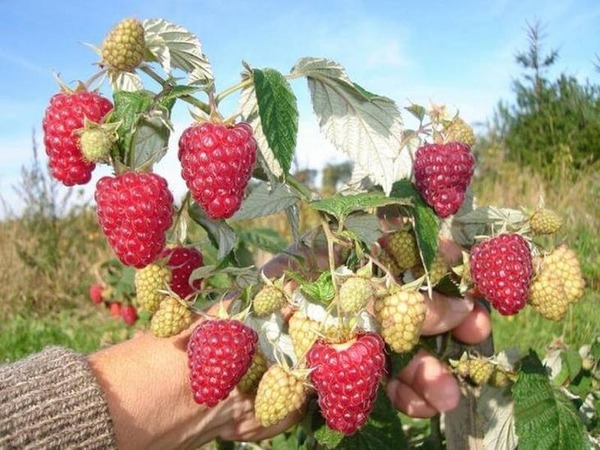
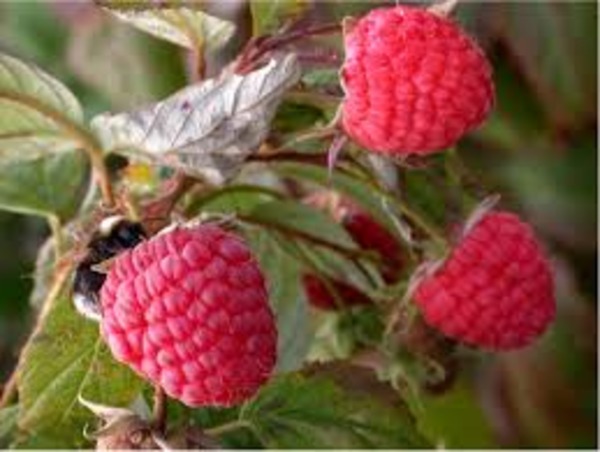
If you plant plants that limit the growth of raspberry bushes, many difficulties can be avoided.
Sorrel is considered the leading plant for preventing raspberry bushes from spreading. Since sorrel contains various types of acids, including at the root level, this factor limits raspberry growth. Planting sorrel around the perimeter of raspberry bushes significantly reduces the spread of their bushes. This method of limiting raspberry bushes helps many gardeners control their bushiness.
For experienced gardeners, a real boon for limiting raspberry growth is a type of weed called raspberry vine. Many gardeners eliminate it due to ignorance of its function as a root-restricting weed.The weed growing near raspberries protects them and has a beneficial effect. It roots deeply into the soil, creating a dense path between the raspberry rows, and preventing the evaporation of moisture, which is so essential for the moisture-loving raspberry plant.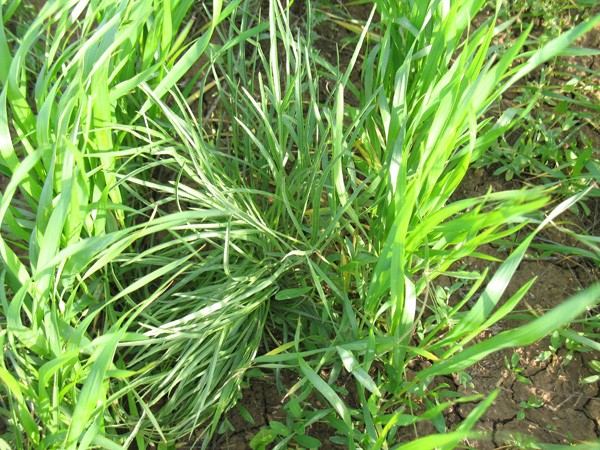
To limit and prevent raspberry bushes from spreading across the entire plot, as is well known, they spread southward, by digging in slate sheets. The slate sheets are buried in the soil around the perimeter of the bush, deepening the soil to the level of the bushes' roots. However, this method is dangerous because there is a high risk of damaging the roots or even killing the bush.
For this purpose, it is recommended to plant plants that prevent the bush from growing throughout the entire area.
Video: "What to do to prevent a bush from growing too large"
This video will show you how to prevent raspberries from growing sideways.
What grows well nearby
Ideally, raspberries should be grown separately in the garden, with different varieties of raspberries placed in the area, but space is often limited. In these circumstances, berry bushes such as blackberries, as well as red, yellow, and black currants, can be planted nearby.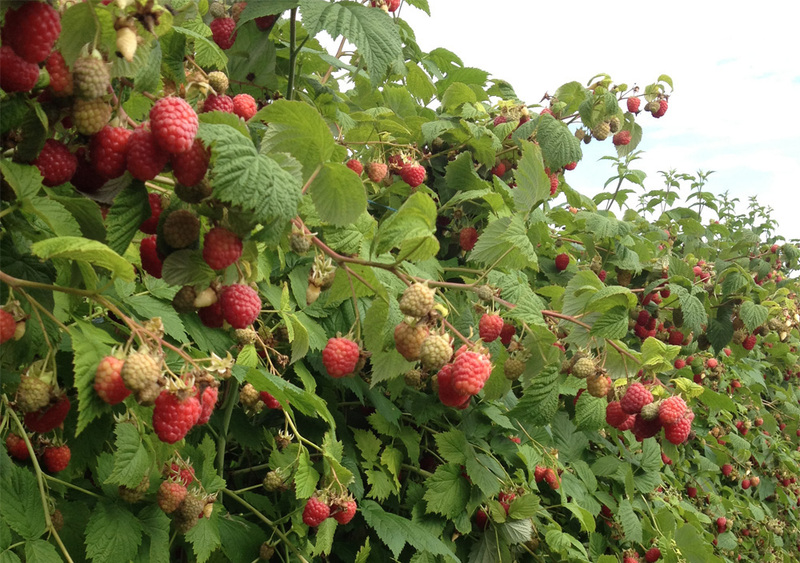
Shrubs such as barberry, rose, and juniper thrive near raspberry plantings. These shrubs grow and bear fruit well in this environment.
However, this can't be said about all bushes. Strawberries are poor neighbors for raspberries, unlike blackberries, as the bushes are susceptible to the same diseases and pests. For the same reason, strawberries are not planted close to raspberries.
Dill grows well near raspberry bushes; its aroma attracts insects that pollinate the flowers of raspberry branches, which increases the yield of the bush.
Fruit trees such as plum, apple and pear are also considered suitable neighbors for raspberry bushes.
But they don't get along with cherries, since their root systems are at the same level, and the plants have a detrimental effect on each other, which manifests itself in the form of weak bushes and low yields.
Plants that repel pests from the bush
Raspberries are loved not only for their tasty and healthy fruit, but also for their adoration by various insect pests. These pests cause significant nuisance to gardeners and cause significant damage to the plant, reducing yields and sometimes even killing the plant.
There are various ways to combat insects, including treating the bushes with various chemicals. Another option is to grow plants near raspberry bushes whose aroma repels pests.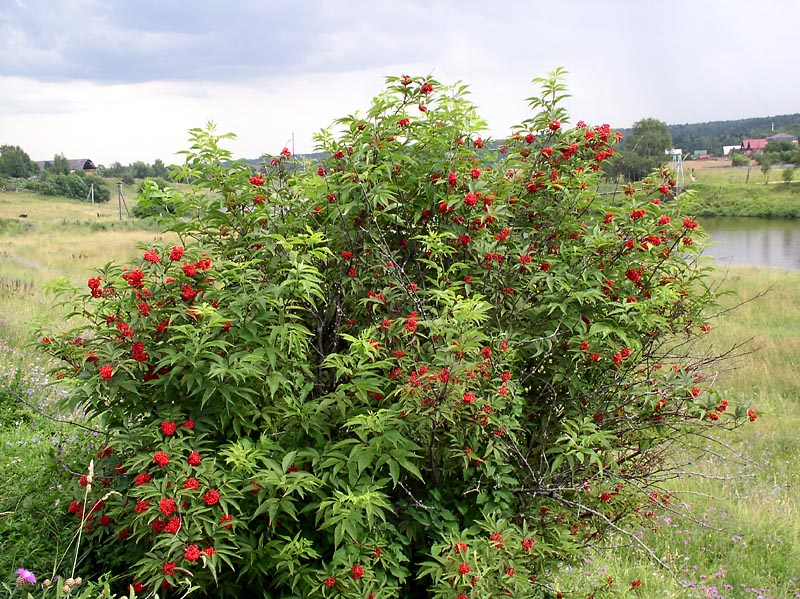
One such variety is red elderberry, thanks to its high content of phytoncides, which disperse into the air and repel many types of insect pests.
Marigolds have also proven themselves to be excellent; if grown near raspberries, their aroma will create an intangible aura of protection for the bush from many pests.
Raspberry bushes also protect the garlic aroma, which is why garlic can often be found near raspberry, blackberry, and strawberry bushes.
Less effective, but still useful, are plants with a strong aroma: fern, peony, basil, celery, coriander, asters.
It would be very advisable to plant them near raspberry, blackberry, and currant bushes, as this way the plants will provide benefits in terms of protection from insects.
Video: "Plants and Raspberries: Which Plants Get Along and Which Don't"
From this video, you'll learn what you can and should plant next to your raspberry patch, and what's undesirable or even dangerous.