
How and what to spray raspberries with: effective methods
Content
Spring processing
To ensure excellent fruit production from raspberry bushes, they need to be treated at certain times, starting in the spring.
Treating raspberries in spring against diseases and pests is the key to abundant flowering of the bushes in the future.
Therefore, it should not be neglected under any circumstances. It is in the spring that various insects begin to emerge from hibernation, and the risk of plant infection by viruses and fungi increases. In this case, only preventative treatment of raspberry plants can protect against infection.
This should begin as soon as the snow melts from the garden plot. But remember, this must be done before the ground warms up. Otherwise, the plants will "wake up" and their sap will begin to flow. At this time, any pruning can impair the growth and development of the bushes. Therefore, a calendar is not necessary, as the required conditions will arrive at different times in each region. Typically, the right weather conditions arrive at the end of March. At this time, you need to tidy up your raspberry bushes. They should be treated as follows:
- First, it is necessary to cut off all frostbitten tops of the shoots;
- remove stems that have acquired a distinct color or become damaged over the winter;
- You should also cut off those branches that may begin to grow inward into the bush;
- Last year's leaves need to be raked out from under the bushes.
All plant debris (leaves, cut stems) must be burned. This is because both insects and harmful microorganisms overwinter in them. Failure to do so significantly increases the risk of plant infection.
After removing the harvested plant material, the soil around the raspberry patches should be fertilized with nitrogen fertilizer. Experts then recommend staking the plants. This will allow for a thorough inspection to identify any missing branches that need to be pruned.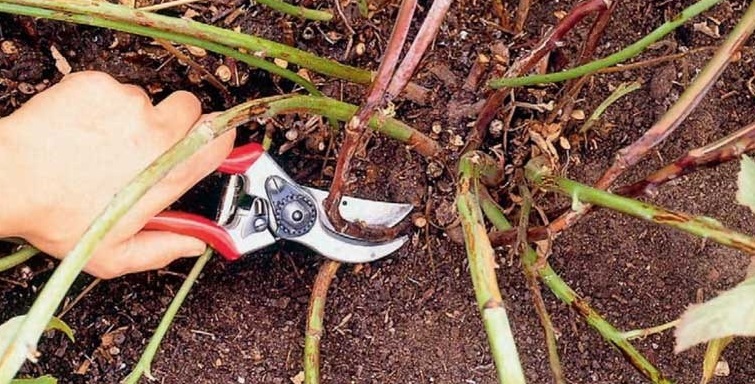
As we can see, the main spring treatment for bushes involves proper pruning. This can also stimulate fruit yield. To achieve this, double pruning is performed.
To avoid introducing infection with garden tools during preventative stem removal, follow these rules:
- pruning can be done with pruning shears or a knife;
- All instruments must be well sharpened to ensure smooth, even cuts. The risk of infection increases with jagged and uneven cuts caused by poorly sharpened instruments.
- The tools must be thoroughly cleaned. For pruning, the pruning shears/knife must be cleaned of dirt;
- After cleaning, it is recommended to disinfect the tools. To do this, wipe the cutting parts of the pruning shears or knife with alcohol or a weak solution of potassium permanganate.
By following the above recommendations, you can effectively treat any raspberry bush and prevent plant diseases or the spread of insect pests. However, it's important to remember that additional treatments are necessary to combat insects and diseases.
Video "Spraying"
This video will show you how to properly spray raspberry bushes.
Treatment for diseases
Preventative treatment of raspberry bushes to protect against pathogenic microflora, like pruning, should be carried out in the spring. However, for this to be successful, it's important to know what to treat raspberries with in the spring. At this time, the bushes should be sprayed with Bordeaux mixture or nitrafen. It's important to remember to spray not only the bushes but also the soil around them. This is because fungal spores and viruses can overwinter in the soil.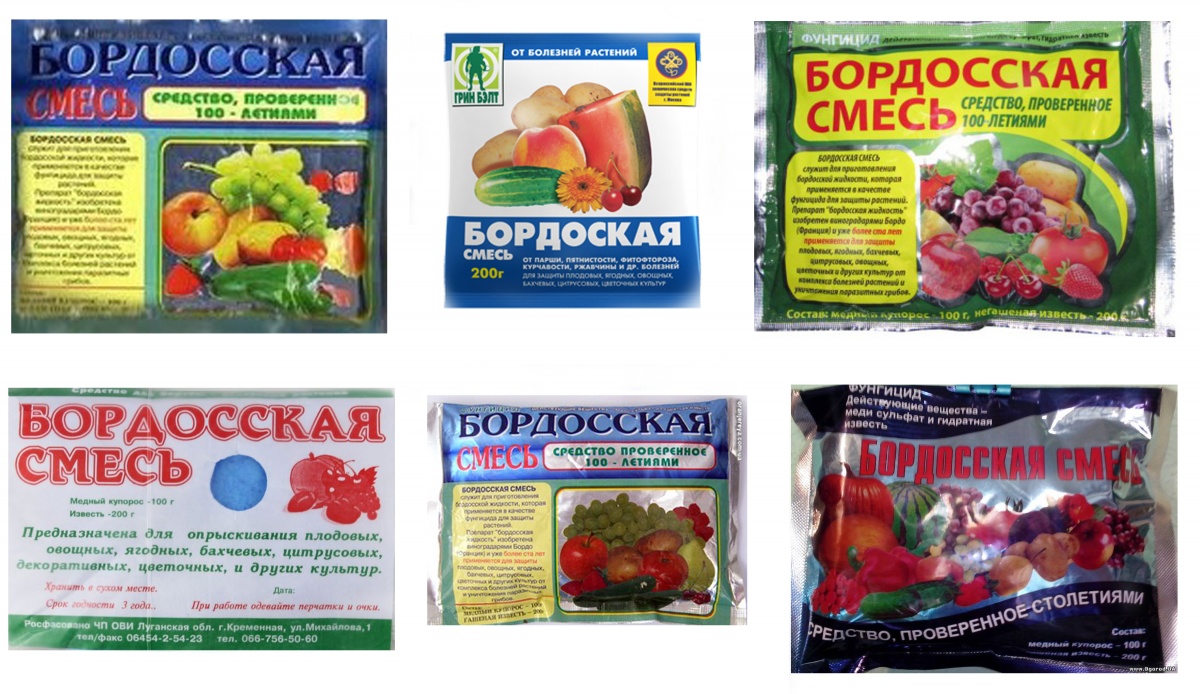
The first spraying should be done before the plants begin to bud. Sometimes it's necessary to spray in the summer, but only before flowering. Avoid spraying during flowering, as this can harm the future harvest. The choice of spray depends on how effective the spring treatment was. This can be judged by the condition of the raspberry bushes. If the first symptoms of a disease appear on the bushes (spots, plaque, etc.), the type of disease must first be determined. Only then can a solution effective against the specific disease be selected.
For example, Topaz solution is effective against powdery mildew. Depending on the cause of the infection, summer spraying can be done with Bordeaux mixture, nitrafen, or other natural remedies.
Many gardeners prefer to combat diseases with folk remedies. These have been tested for centuries and have proven their effectiveness. Furthermore, their use will not affect future harvests. Pine needles can be used to combat gray mold. 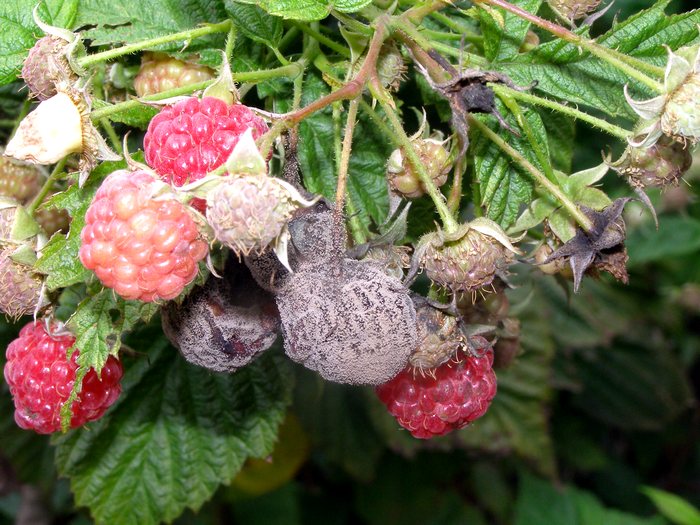 It should be spread along the raspberry patch. Various infusions are also quite effective. For example, infusions of dandelion, yarrow, and onion have an excellent preventative effect. Garlic infusion also effectively combats fungal infections.
By performing preventative spraying in early spring and continuing this success throughout the summer months, you can not only achieve an excellent harvest but also maintain the health and vigor of your raspberry bush throughout the growing season. But remember that preventative treatment should target not only pathogens but also pests. After all, a single harmful bug can significantly reduce the yield of an entire bush.

Pest control
Raspberries are considered a berry crop that is highly susceptible not only to fungal diseases but also to a variety of beetles, flies, and other harmful insects. To protect your bushes from this scourge, they need to be treated with a special spray. The first spraying should be done in early spring. Before treating, the bushes must be cleared of diseased, damaged, and frostbitten branches. Afterward, the raspberry patch is sprayed with Bordeaux mixture as a preventative measure. It's worth noting that this solution will prevent not only fungal and viral infections but also many harmful insects.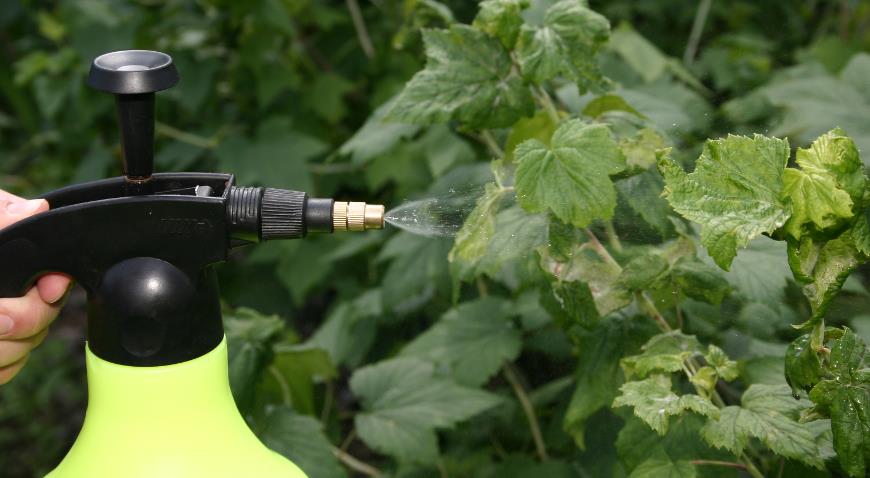
The second, more targeted treatment is carried out before flowering. At this time, the bushes are treated with colloidal sulfur. This will help prevent spider mites.
Before the buds begin to open, many people spray the bush with actellic or karbofos.
If any pest is detected on raspberry bushes, control measures must be taken immediately. Otherwise, you could lose most of your harvest. Moreover, some insects are impossible to get rid of even with aggressive control methods (insecticides). The only solution in this case is to cut down the entire bush. After this, the infected plant should be burned. This is the only way to stop the spread of the infection throughout your garden.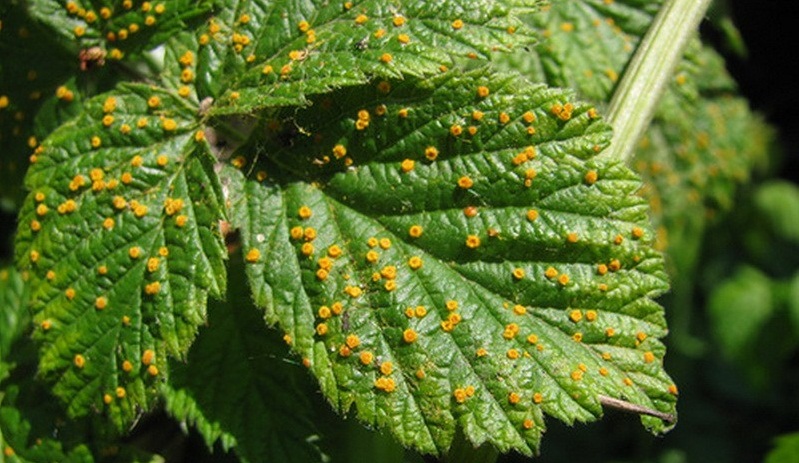
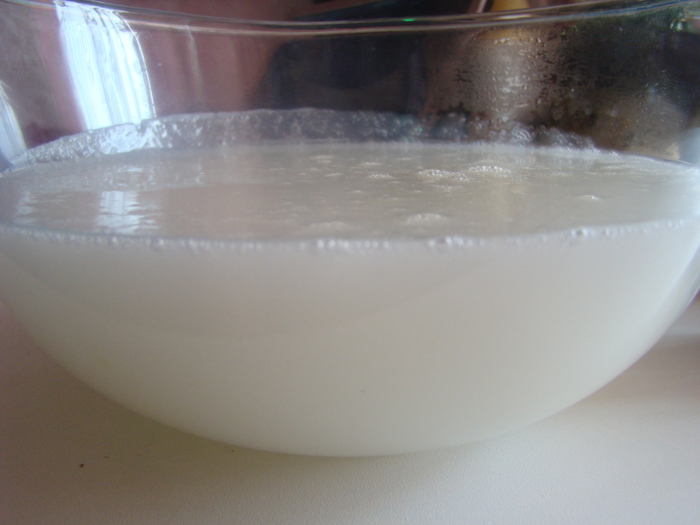
It's worth noting that pests, unlike viruses and fungi, are very difficult to prevent. Some insects, such as the raspberry beetle, must be mechanically removed from the bush. A tincture of tansy is recommended as a preventative measure against the raspberry beetle. Meanwhile, loosening the soil around the bushes is sufficient to prevent the appearance of the raspberry stem fly. To prevent the appearance of the raspberry weevil, which, like the raspberry beetle, destroys plant buds, it is recommended to treat the bushes with a garlic infusion. To increase its effectiveness, add laundry soap to the infusion. This treatment is permitted during flowering and bud formation.
 If treatment is carried out twice a year, along with compliance with all agricultural practices and proper care, your raspberry patch will be healthy and produce large, tasty berries.
Autumn processing
Raspberry processing in the fall is the final stage. It is carried out after harvesting. Fall processing is performed for various reasons:
- to prepare the plant for winter;
- in order to destroy pathogenic microorganisms and insects that could remain after spring and summer treatment and in this form enter “winter hibernation”;
- to make your work easier in the spring.
Autumn processing of raspberries consists of several stages:
- pruning;
- spraying;
- application of fertilizers.
Pruning raspberry bushes serves a dual purpose. It is necessary to remove fruiting canes from the plant. Raspberry canes begin to produce fruit in the second year and then lose their ability to bear fruit. Therefore, to prevent these canes from drawing excess nutrients from the raspberries, which would negatively impact the quantity and quality of the harvest, they should be pruned after all the berries have been picked. On the other hand, fall pruning allows you to remove dead, broken, and diseased branches that could harbor insects, viruses, fungi, and other pathogens during the winter.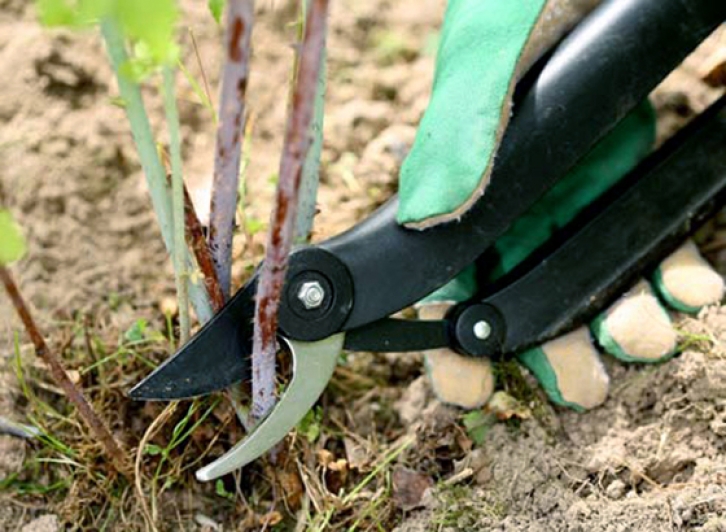
Autumn pruning is carried out according to the standard procedure. All fruiting shoots, as well as damaged branches, are cut off at the root. Any remaining leaves should also be removed from the bushes. Please note that you should only remove leaves while wearing gloves. Use a protected hand to pluck the leaves, moving them upward along the shoot. Otherwise, you may damage the buds. Any remaining leaves should be trimmed with a knife or pruning shears. Pruning tools should be clean, disinfected, and sharp.
After this, the leaves and cut branches should be removed from the garden and burned. If you simply compost them, they could become a source of diseases and pests in the spring, significantly reducing the yield of not only raspberries but also other berry and fruit crops. The leaves that were under the bushes should also be burned.
After pruning, it's recommended to fertilize the soil and dig up the raspberry patch. Manure is typically used as fertilizer, adding five buckets per square meter. Then, remove the raspberry canes from the trellises and arrange them for the winter.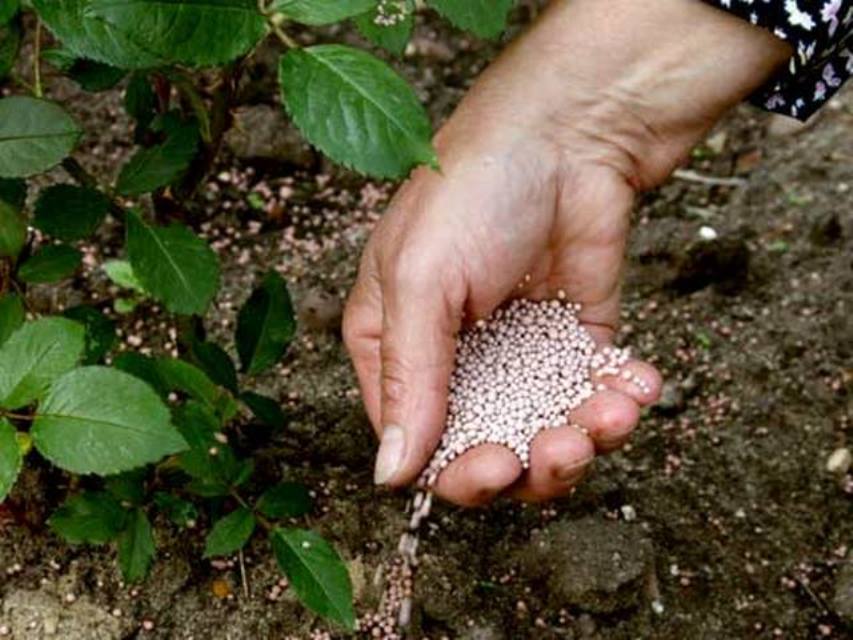
Raspberry bushes aren't treated for pests and diseases in the fall. However, as a preventative measure, they should be sprayed with traditional herbal infusions. This treatment is typically used in southern regions, where the warm climate can cause raspberry infestations even in the fall.
Raspberry pest and disease protection should be carried out in both spring and summer, and sometimes even in the fall. Remember that proper preventative measures are the key to a bountiful harvest.
Video: Pest and Disease Control
This video will show you how to properly spray bushes against diseases and pests.