
A detailed lunar calendar for gardeners for November 2025
Content
What to do at the beginning of the month
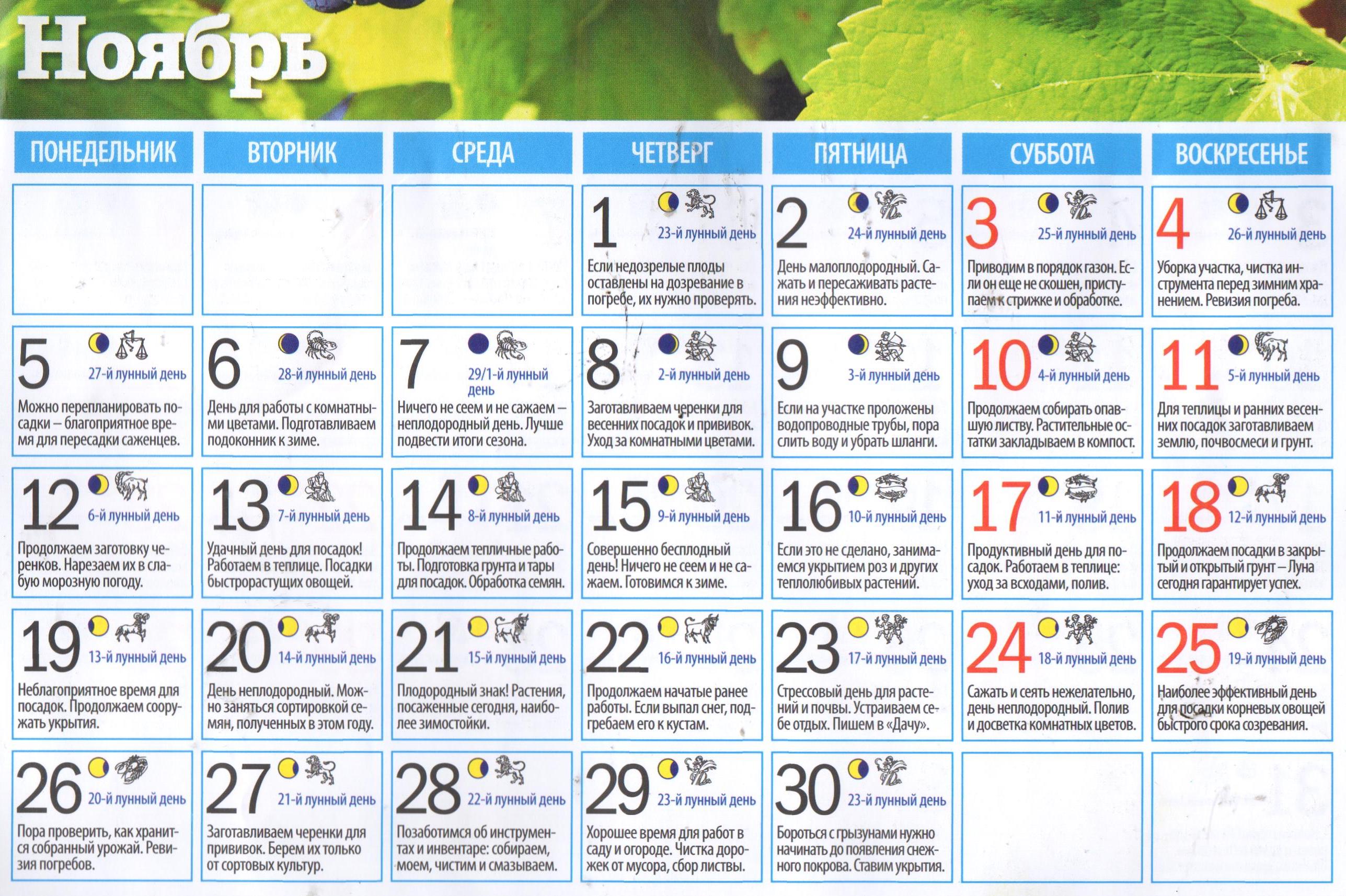
November is the last month of autumn, after which most plants in your garden will fall asleep and be covered in a blanket of snow. To ensure fruit and deciduous trees, berry bushes, and ornamental plants survive the winter frosts, it's essential to properly overwinter them. Also, don't forget to prepare your garden soil for the coming cold weather.
The gardener's lunar calendar for November 2025 will help you properly plan and organize gardening and vegetable gardening. The lunar calendar is compiled by specialists who study the influence of celestial bodies on the growth and development of plants. For example, every gardener should know that during the new and full moons (November 7 and 23), no work related to planting, transplanting, propagation, or fertilizing is permitted.
The first week of November should be devoted to cleaning the garden, cultivating and mulching the soil under fruit trees and berry bushes.Also, the beginning of November is the optimal period for fertilizing vegetation with mineral fertilizers.
According to the lunar calendar, it's time to prepare the grapes for the coming cold weather: removing runners, sanitary pruning and covering the vines, watering non-winter-hardy varieties, covering for the winter, and preparing planting material for the next growing season.
At the beginning of the month, rose hips and chestnuts are harvested, seeds are collected, and pre-winter lawn care is carried out. Fallen leaves should be burned. Putting leaves in compost pits is not advisable, as the compost will no longer be produced due to night frosts, but a favorable environment for harmful insect larvae will remain.
Recommendations for mid-November
Almost the entire second ten days of November fall during the waxing moon, excluding the full moon and a few days of waning moonlight. For this reason, according to the lunar calendar, it is recommended to sow in the greenhouse portion of the garden or in an indoor conservatory. Ornamental crop seeds sown in the ground during this period will germinate well and bloom profusely after being planted outdoors in the spring.
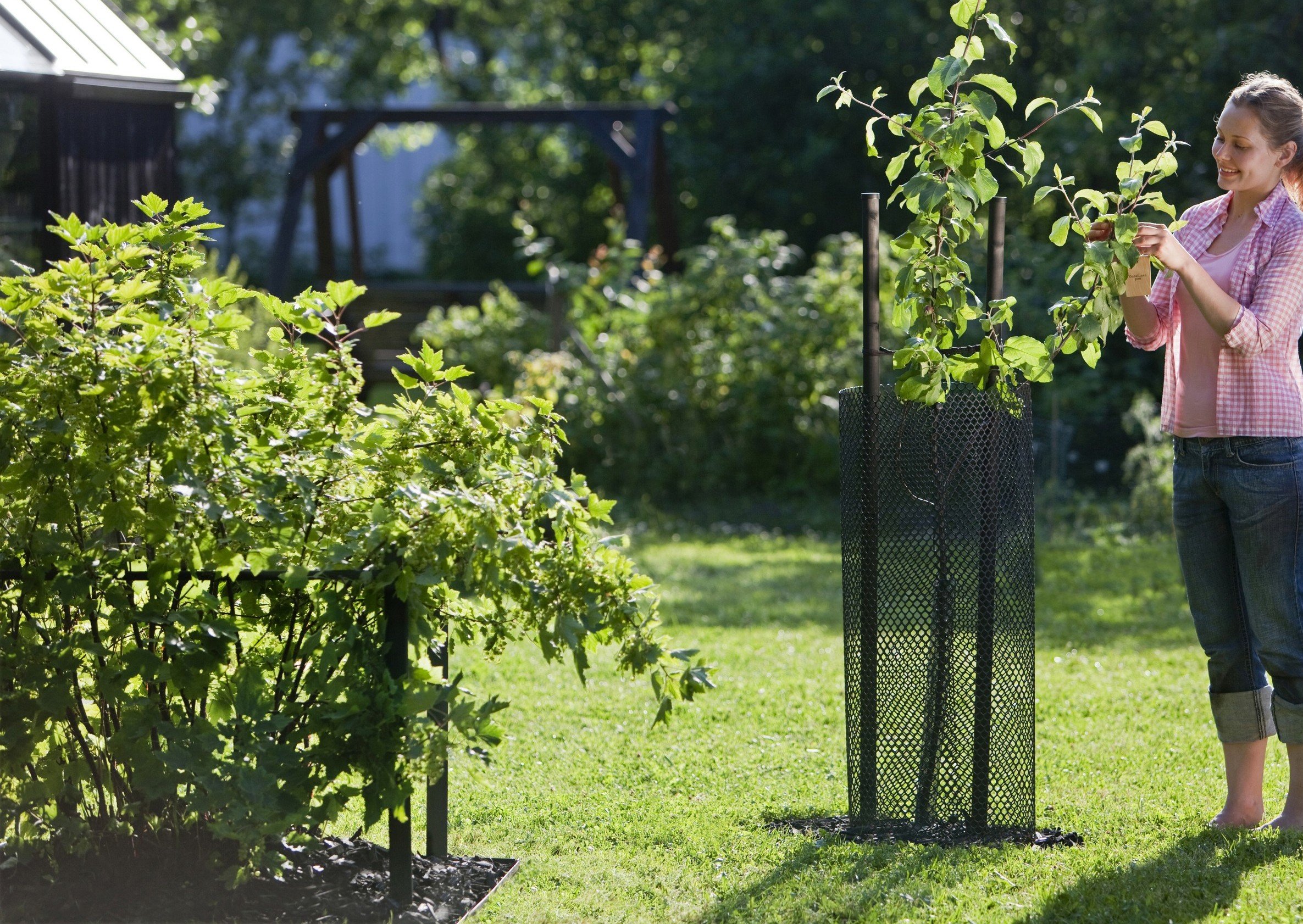
In the middle of the month, it's time to perform a secondary sanitary pruning of plants, removing all old branches, branches damaged by strong winds, rodents, and insects. Don't forget to protect trees from rodents, which, with the arrival of cold weather, begin to actively search for food and often gnaw the bark of fruit trees in the garden.
The trunks of ornamental and fruit trees and shrubs are carefully inspected for signs of harmful insects, any nests found are destroyed, and the affected areas are treated with garden pitch. The trunks should then be wrapped in burlap or kraft paper, securely securing the protective layer with soft wire or twine.
According to the lunar calendar for November 2025, the middle of the month is not the best time for uprooting and cutting down trees at the base.
How to end the month
The last days of autumn should be used as effectively as possible, because very soon all work in the garden will stop.
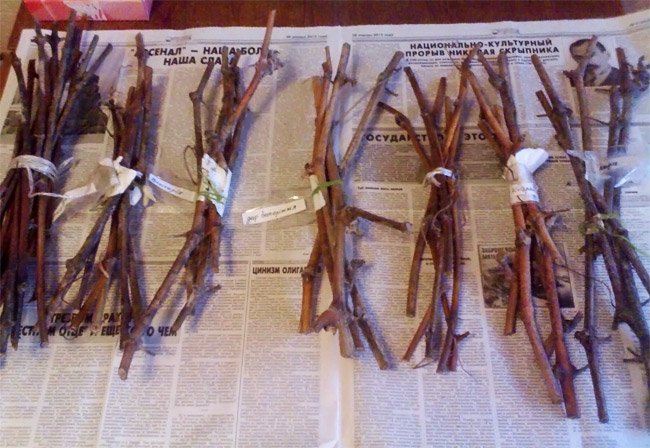
During this period, gardeners can begin harvesting fruit and berry cuttings for spring propagation. Please note that when harvesting cuttings, it is important to follow certain storage guidelines for the planting material. Failure to maintain proper temperature and humidity can negatively impact the cuttings and lead to their death.
If snow fell in November, it's time to begin insulating your garden plants with the precipitation. Snow should be collected in the tree's trunk circle and carefully compacted, being careful not to disturb the protective structure formed earlier on the trunk.
Signs and traditions of November
Since time immemorial, farmers and gardeners have relied on natural omens to predict the weather for the coming days and the coming year. Continued observations began to yield results, giving rise to various folk beliefs and even traditions, some of which remain relevant today.
We present to your attention several folk signs and traditions for November:
- The weather on St. Hilarion's Day (November 3) determines the arrival of spring and the future harvest. Snow falling on wet ground promises an early spring, while snow falling on frozen ground promises a good summer harvest.
- Morning rain and a cold snap on November 4 predict the imminent arrival of winter.
- Dry and clear weather in November is considered a dangerous harbinger, predicting a low harvest next year.
- If midges and mosquitoes appear in the garden, you can count on a warm and mild winter.
- Snowfalls in November promise a high wheat harvest.
- Snow in the first days of the last month of autumn promises an early spring. The weather in November predicts what April will be like.
- If not all the leaves have fallen from the trees by the 14th, then you shouldn’t expect a warm autumn next year.
- Wet snow on St. Michael's Day (November 21) promises a rainy spring. Don't rush to sow seeds outdoors.
- Cold and snow on St. Philip's Day, November 27, predict abundant precipitation and thunderstorms in May of next year.
- If a leaf from an aspen tree growing near the house in the garden falls with the dark side up, then you need to prepare for a harsh and frosty winter, and if the light side falls, then you need to prepare for a mild and warm winter.
Despite the vast technological advances of today, many gardeners and horticulturists continue to rely on the wisdom of their ancestors, including folk wisdom.
Video "Gardener's Calendar for November"
In this video, a gardener will tell you what to do in the garden in November.