
Lunar Gardening Calendar for the Urals: 2025 To-Do List
Content
Climate features in different parts of the region
The lunar calendar was compiled taking into account the planting location. The climate of the Urals and Western Siberia is uneven, determined by its geographic location. Rain, hail, and strong winds can fall in a single day, with clear skies in between. It's also important to note that summer lasts 1.5–2 months in the Polar Urals, while in the Southern Urals, it lasts 4–5 months.

Video "Gardening in the Urals: Rare Plants"
This video explains how to grow hazelnuts, magnolias, and other rare crops in the gardens of the Southern Urals.
Phases of the Moon and its position in the constellations
There are four phases of the moon. Here's a brief description of how each affects planting operations:
- New Moon. Plants are weakened, so it's best not to work in the garden. In February, this occurs on the 5th, in March on the 6th, in April and May on the 4th, in July and June on the 2nd, in August on the 1st, and in September on the 28th.
- Waxing Moon (new moon). This is a good time to prepare the plot. It's necessary to till the soil, transplant plants, or plant seedlings. At this time, vital fluids flow from the bottom up, resulting in intensive growth and development of leaves and branches. The new moon occurs from the 6th to the 19th of February, from the 7th to the 20th of March, from the 5th to the 18th of April and May, from the 3rd to the 16th of July and June, from the 31st of August, and from the 29th to the 30th of September.
- Full Moon. It's time for gardeners to harvest fruit. This occurs on the 20th in February, the 21st in March, the 19th in April and May, the 17th in July and June, the 15th in August, and the 14th in September.
- Waning Moon (old moon). At this time, the vital fluids of plants flow from the bottom up. The waning moon can be observed from February 1st to 4th, March 1st to 5th, April 1st to 3rd and May, the first days of June, July, and August, and from September 1st to 13th.

Plants are also influenced by the signs of the zodiac, which can be divided into three groups: unfavorable (Aries, Gemini, Virgo, Leo, Aquarius), favorable for sowing (Scorpio, Pisces, Cancer) and neutral (Sagittarius, Capricorn, Taurus and Libra).
Work order
At the beginning of the year
In January 2020, gardeners should start planning, keeping in mind last year's experience.
Starting on February 7th, it's recommended to prepare seeds for planting. On the 8th, add a little fertilizer. On February 12th, you can plant carrots, beets, and other root vegetables. Toward the end of the month, you can begin combating various diseases.
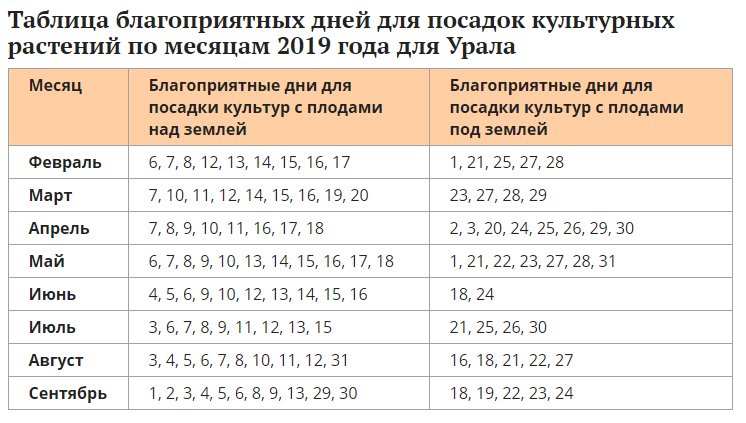
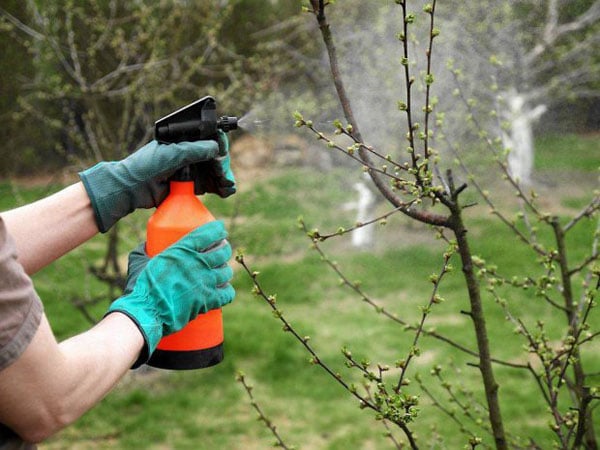
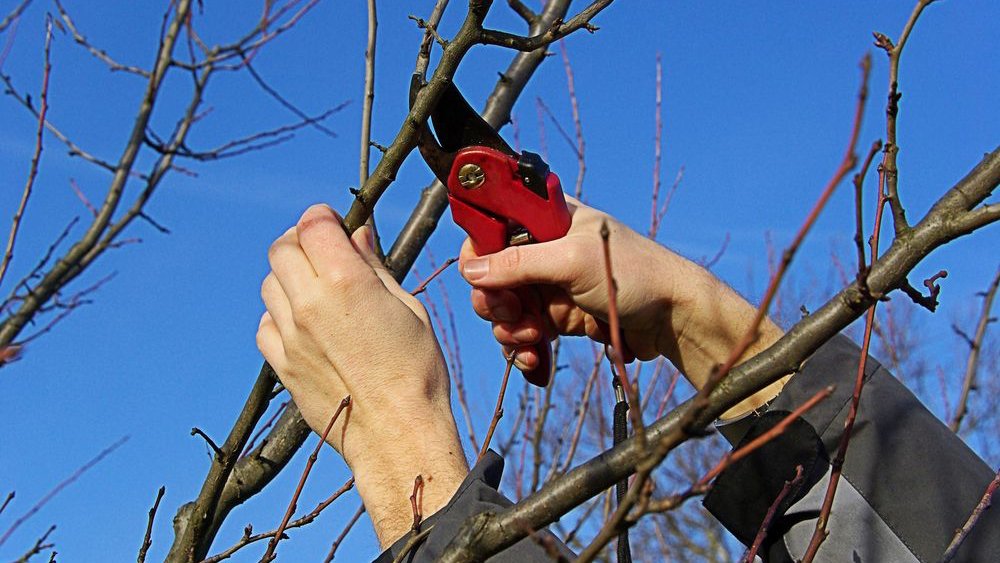
From March 1st to 3rd, remove weeds and loosen the soil in the greenhouse. From the 7th to the 14th, graft fruit trees and prune branches. From the 15th to the 19th, transplant greens into prepared containers. From March 22nd to 24th, plant indoors. Peppers and greens should be planted on March 26th. Water and fertilize on the 27th. March 28th is ideal for planting root vegetables. Plant onions on March 29th, and combat pests on the 30th and 31st.
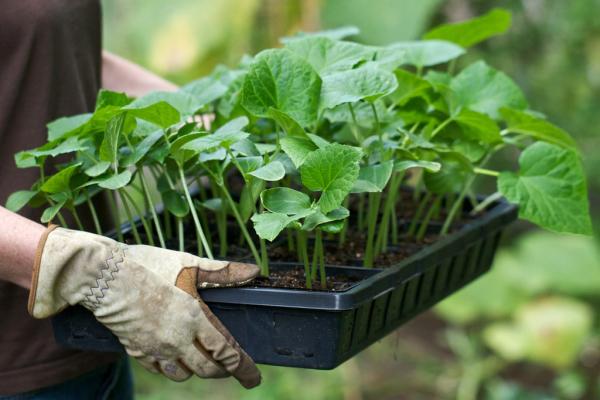
From April 1st to 4th, you need to prepare new beds and fertilize the plants. Beginning on April 5th, graft fruit trees and plant radishes. On the 6th, only water and fertilize. Beginning on the 7th, plant frost-resistant plants. Plant peas on April 10th, plant greens over the next three days, devote a day to soil preparation, and plant the seedlings on the 14th. Starting on the 20th, you can plant cherries and plums. Cucumbers can be planted starting on April 22nd, and pumpkins can be planted then as well. Beets, carrots, and potatoes can be planted on the 25th. The 28th is best for pest control, and the 29th is the best time to plant cabbage and legumes. Grafting is a good idea on the 30th.
Plant potatoes on May 5th and 6th. It's best to plant strawberries on the 7th. On May 8th, 9th, and 10th, you can plant peppers, eggplants, beets, and carrots. From the 11th to the 14th, tend to your garden, and on the 15th, it's time for cabbage and fruit trees. Water your plants from the 16th to the 19th. On the 20th, tend to medicinal and aromatic herbs, and on May 21st and 22nd, plant root vegetables. Don't forget to fertilize and water them. Avoid planting new plants from May 23rd to 26th, and spend the next two days fighting pests. On the last day of the month, plant root vegetables and vegetables with a long shelf life.
In the second half of the year
From June 1st to 3rd, fertilize and water your plants and prepare new beds. On the 4th, replant roses, and over the next four days, plant greens. On June 9th, you can plant greens, grains, and root vegetables. On June 10th, 11th, and 12th, you can plant absolutely any plants. On the 14th, plant flowers and root vegetables. From June 15th to 18th, water, fertilize, and take pest control measures. On June 24th, 25th, and 26th, plant the plants that will bear fruit the fastest.
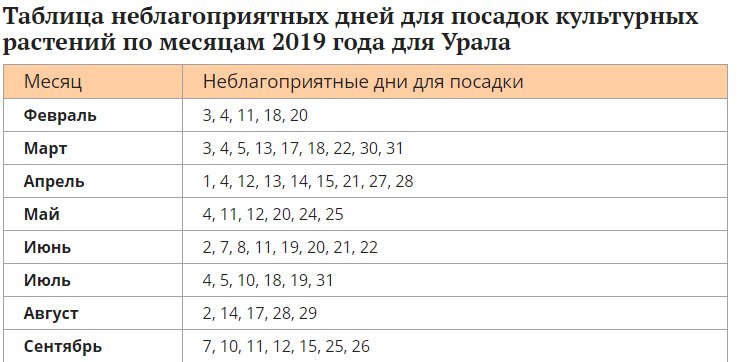
From July 1st to 3rd, it's best to combat pests. On the 4th, gather medicinal herbs. From July 5th to 9th, apply fertilizer and loosen the soil. The following day is suitable for planting winter radishes and picking ripe berries and fruits. On the 18th, you can begin pruning tomatoes and removing excess shoots. On July 24th, gather fruits and berries and prepare preserves for the winter.
On August 2nd, you can harvest medicinal herbs, and on the 3rd, plant dill and parsley seeds. From the 4th to the 8th, tend to your plants. From August 9th to the 14th, harvest vegetables and fruits; from the 15th to the 19th, only tending is permitted. From August 20th to the 23rd, harvest your crops, and from the 25th to the 28th, plant strawberries, water bushes and trees, and replant roses.
September 1st is a good time to start harvesting potatoes. The next day, you can plant daffodils and any other bulbous plants. Fertilize and water on September 3rd and 4th. Potatoes can be harvested again on September 8th and 9th. Trim trees and shrubs on the 10th, 11th, and 12th. Protect against pests on September 14th and 16th. Over the next two days, harvest fruit and prepare for winter. Fertilize the soil on September 19th and 22nd. Pumpkin, watermelon, and melon are harvested on the 23rd. Cabbage and fruit can be harvested the following day.
From October 1st to 7th, focus on hilling up your shrub beds. The 8th is perfect for fermenting cabbage. Spend the next two days preparing your shrubs for winter. From October 12th to 15th, devote your time to your houseplants.
Due to the weather in November, planting is pointless. Instead, focus on repairing tools and dealing with mice, rats, and moles. Houseplants should only be watered; nothing else is necessary.
December is not suitable for work, make plans for the coming year, take care of your bushes and trees.
The lunar calendar is a handy tool for both experienced and novice gardeners. It will help you reap a bountiful harvest. All you need to do is follow these simple guidelines.