
A detailed lunar calendar for Siberian gardeners for 2025
Content
Features of the region
Although the climate in Siberia is no longer as harsh as it was a century ago, the weather still doesn't pamper residents with warmth. Western Siberia is characterized by a relatively mild climate, similar to that of central Russia and the Urals. Summer temperatures rarely rise above 15–18°C, but gardeners grow plants that don't require much heat. Root vegetables thrive in this region. In winter, temperatures drop to -20°C to -25°C, but thanks to the lack of wind and ample snow cover, the cold is easily tolerated. Winter crops have already adapted to this climate and survive the cold well.
The weather in Eastern and Northern Siberia is quite different. The average annual temperature there is only 0°C. In winter, temperatures rarely reach -35°C, and summers are also not particularly warm. July is considered the hottest month, when temperatures reach 10–12°C above zero. Furthermore, the situation is complicated by the presence of the polar night and the polar day. In winter, the sun does not rise above the horizon for a month, so the earth cools and does not have time to warm up. In summer, when the polar day lasts 40–60 days, plants are exposed to the sun for too long.
Video: "The Effect of Moon Phases on Plant Growth"
This video will show you how the phases of the moon affect plant growth.
Moon phases by month
The main phases are the new moon, the full moon, the first quarter, and the last quarter. These are the most significant points in the lunar cycle. The energy of these days is at its strongest and most dangerous, but it can be channeled into a beneficial direction.
The new moon marks the beginning of a new cycle, when the moon is not visible in the sky. During a full moon, it is fully illuminated by the sun. The interaction between the two celestial bodies intensifies, so these days are considered tense. During the new moon, you can plant seedlings, transplant, and sow plants. The moon's growing energy will allow them to take root and produce a good harvest. However, at this time, roots are most vulnerable, so care should be taken not to damage them. During the full moon, it is recommended to prune trees and shrubs and harvest.
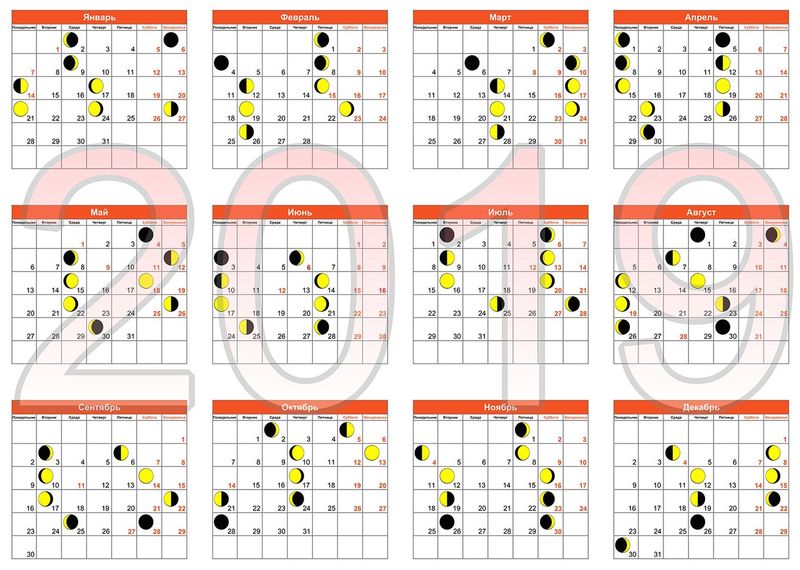
The first quarter is the time of the waxing moon, when it gains strength. The first days of the quarter are favorable for preparing garden beds and fields. Planting crops with fruit that grow above ground is recommended. Seeds can be collected, and the soil can be loosened and fertilized. The last quarter is conducive to quiet, inactive gardening. You can water, collect seeds, and dig up tubers and flower bulbs for storage.
The most unfavorable day for gardening is the last day of the lunar cycle. On the day before the new moon, the earth stands still, preparing for the beginning of a new phase. Planting and pruning are strictly prohibited. The harvest will likely fail and die.
Don't forget about the lunar and solar eclipses. The energies are in conflict, so avoid gardening to avoid damaging the harvest.
Favorable periods
If you carry out gardening work at the right time, agricultural plants will delight you with a harvest, trees will bear fruit, and flowers will bloom abundantly.
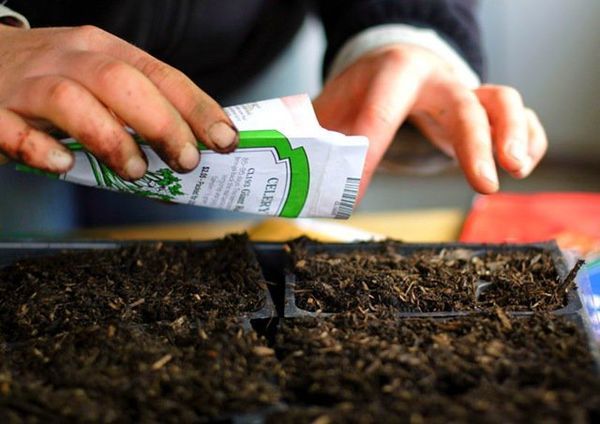
First half of the year
The most favorable days of the lunar cycle for gardening are during the waxing moon. In January, these are the 10th, 15th, and 16th. In winter, you can pay attention to your houseplants by fertilizing, repotting, and trimming shoots. You can also check the condition of stored tubers and bulbs.
On February 6, 7, and 12, you can also graft houseplants. Pruning is best done during the waning moon—on February 23, 24, and 26.
According to the table, the most favorable days in March are the 7th, 10th, and 12th. During this time, you can germinate seeds. Seedlings may take a while to appear, but will quickly grow. You can cut flowering plants and arrange them in bouquets—they won't wilt for a long time. You can also apply fertilizer.
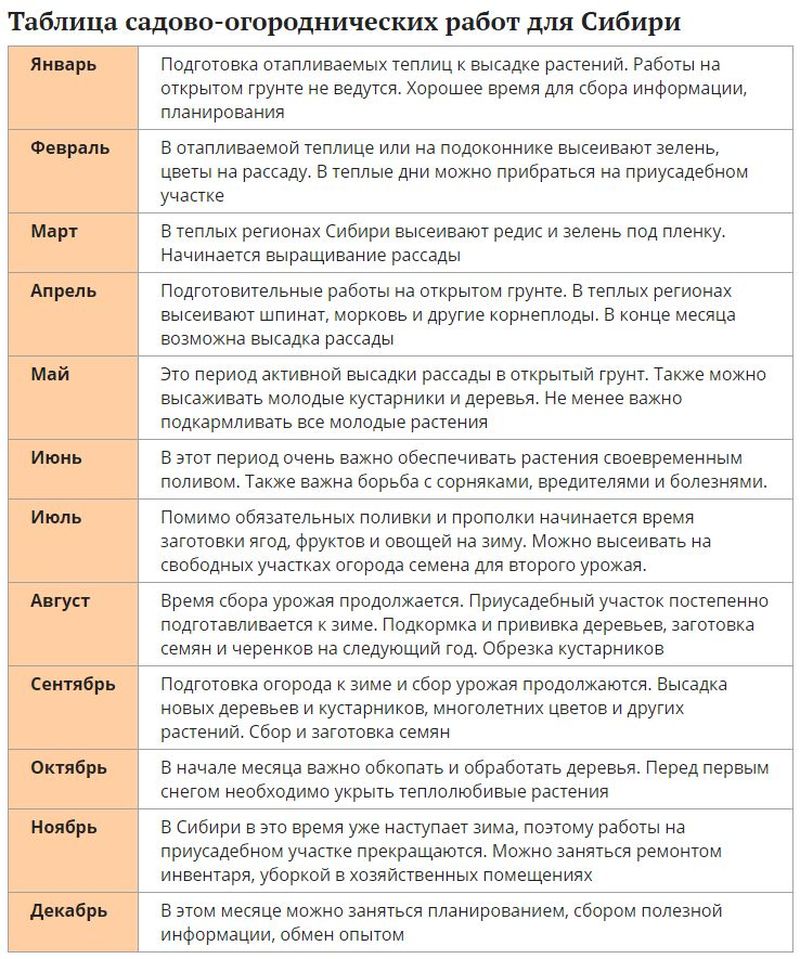
Siberian weather in April doesn't yet allow gardeners to do fieldwork, but they can begin preparing for the summer season. The 2nd, 7th, and 11th are the best days for this. Tree pruning is recommended. This is also the time to germinate seeds and prepare planting material.
Fortunately, May's favorable days fall on the holiday weekends. The 7th, 8th, and 9th can be fully devoted to gardening. You can begin sowing and transplanting annual crops and flowers, as well as loosening and fertilizing the soil. Solanaceae and herbs grow well. May 21st, 23rd, and 27th are ideal for planting potatoes and onions. These days are also ideal for pest control and planting tree seedlings. However, care must be taken when handling roots to avoid damaging them. It's also important to pay attention to the weather forecast. If frost is expected, avoid planting heat-loving crops.
In June, gardening is in full swing. On the 5th, 6th, and 7th, you can fertilize with natural fertilizers. It's recommended to focus on planting vegetables, fruit trees, and shrubs. Any plants planted and transplanted during these days will yield a bountiful harvest. You can sow annual flowers; they will soon sprout and delight you with abundant blooms. If the weather is dry, ample watering will be beneficial. From June 12th to 14th, plant thorny plants and pumpkins.
Second half of the year
Midsummer is the warmest time of the year. The harvest season begins. July 3, 11, and 12 are good days for fertilizing plants and loosening the soil. Crops with fruit growing above ground can be harvested. Medicinal plants can be harvested and preserves can be made. From July 15 to 17, you can harvest root crops, graft plants, and prepare food for the winter.
From August 6th to 8th, you can plant roses and tuberous plants and harvest seeds. This is also the recommended time to store root vegetables: potatoes, beets, onions, and celery. From the 11th to the 13th, prepare cuttings and apply fertilizer.
In September, preparations for winter begin. From the 3rd to the 5th, the remaining underground fruits are harvested, and on the 7th, 8th, and 15th, the tops are collected. Harvested during this time will have a long shelf life. Favorable days for harvesting late varieties are October 1st, 2nd, and 15th. Digging of the beds takes place from the 10th to the 13th and from the 16th to the 18th. The summer cottage season ends in November. On the 2nd, 3rd, and 11th, bulbous vegetables and garlic can be planted for the winter. In December, favorable days are dedicated to summing up the year and planning next year's plantings.
Negative days
During negative times, yard work should be avoided. It won't be beneficial and could harm the harvest.
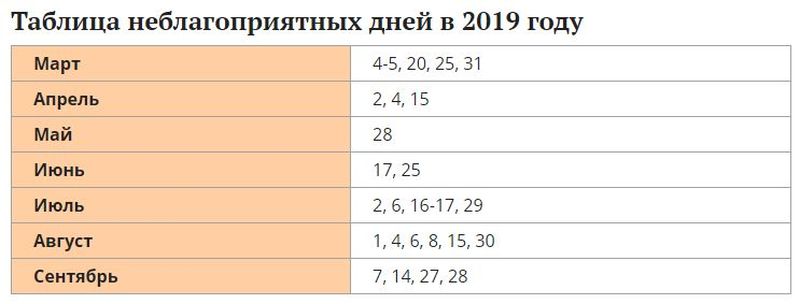
Beginning of the year
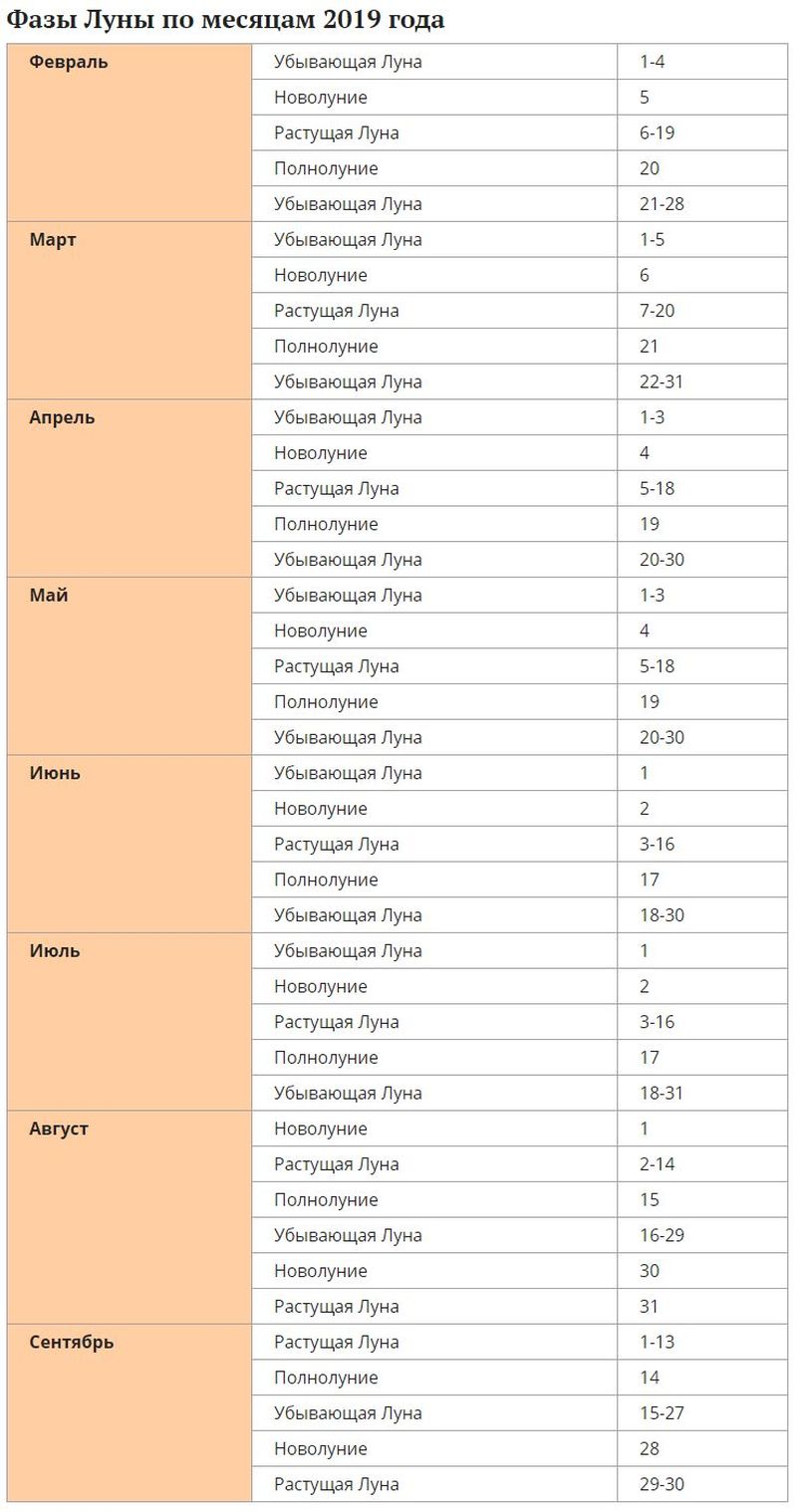
In the first half of 2020, two eclipses are expected: a solar eclipse on January 6th and a lunar eclipse on January 21st. During this time, avoid working with plants, as they are sensitive to any influence. Also, avoiding any intervention during the final days of each lunar cycle is not recommended. It is best to avoid planting, transplanting, and harvesting on January 3rd–5th, February 4th, March 5th, April 4th, May 2nd–4th, and June 1st–2nd. Be especially careful when using pesticides. Tree pruning is the only recommended activity during these periods.
End of the year
Three eclipses are expected in the second half of the year: solar eclipses on July 2 and September 26, and a lunar eclipse on July 17. On these days, it's best to play it safe and avoid gardening. The end of the lunar month is also a dangerous time. In the second half of the year, these eclipses fall on July 1 and 31, August 28-29, September 27, October 26, October 24-25, October 25, and December 23-25. On these days, it's best to gather your strength and begin work at the beginning of the lunar cycle.
A harsh climate is no obstacle to a good harvest. To ensure abundant fruit production, choose cold-resistant varieties, pay attention to the weather forecast, and follow the lunar cycle using the calendar.
The energy received as a result of the interaction of the sun and the moon on favorable days will not allow hard work in the garden to go to waste.