
A detailed lunar calendar for gardeners for October 2025
Content
What to do at the beginning of the month
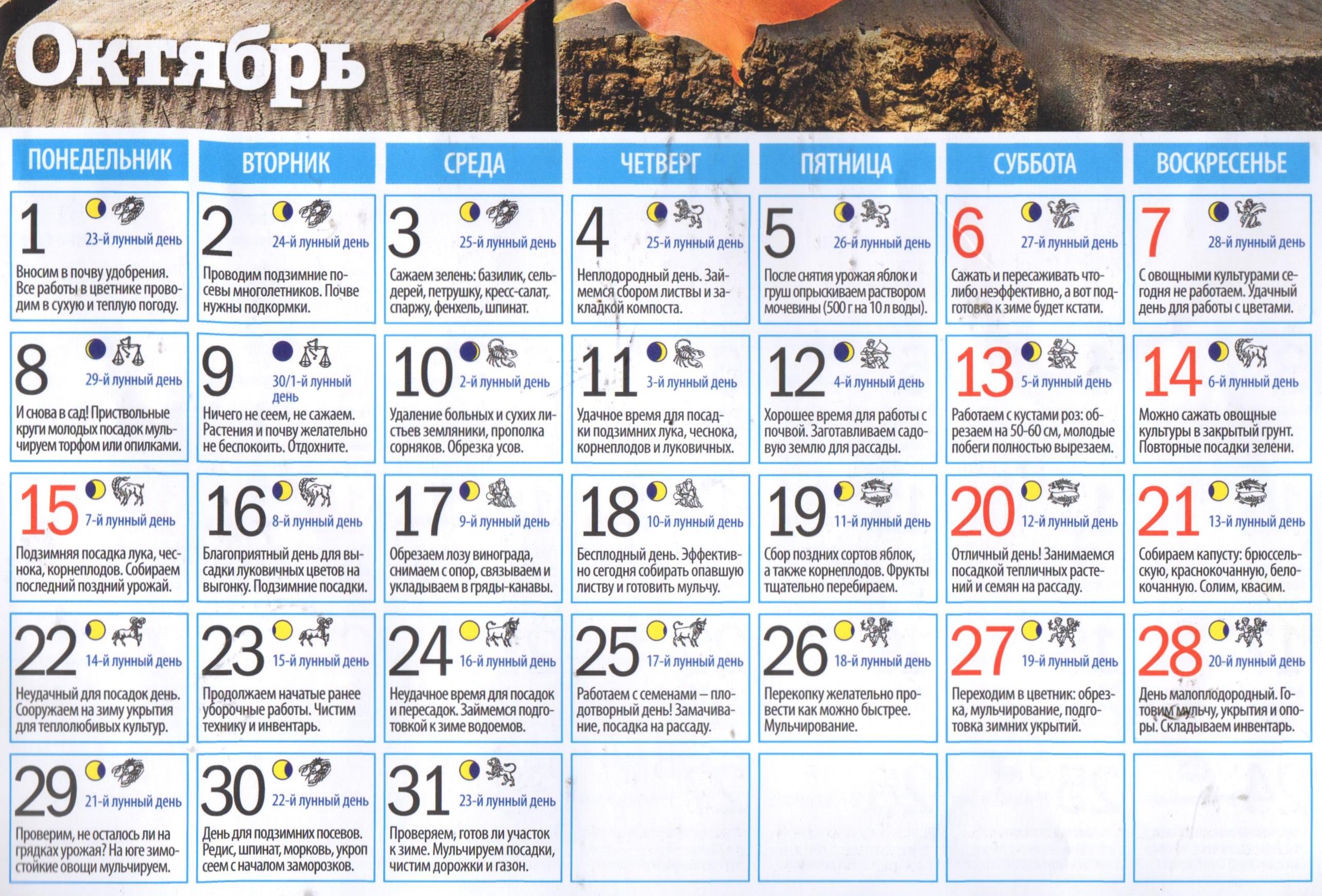
October 2025 will begin with a waning moon—from the 1st to the 7th, it will be diminishing in size, and on the 8th, it will disappear from the sky altogether. This time is favorable for harvesting, tidying up the garden beds, and preparing them for subsequent planting or sowing.
From October 1st to 3rd, when the Moon passes through the constellation Cancer, you can trim bushes and trees, prepare cuttings for spring grafting, and mow and collect medicinal or spicy herbs and greens, which will need to be thoroughly dried for storage.These days, you need to collect the fruits that will be processed, and not for long-term storage; all canned goods will turn out great.
On October 4th and 5th, our satellite will be in the constellation Leo—an excellent time for harvesting root vegetables (especially potatoes), and you can finish harvesting cabbage, fruits, and berries. You can collect seeds, fight pests, and mulch tree trunks for winter. From the very beginning of the month, avoid sowing, planting, or replanting; it's better to use the time for pest control and soil cultivation.
On October 6-7, sowing is still prohibited; these days are best used for weeding, loosening the soil, and hilling and mulching trees.
On the 8th and 9th, the moon will not be visible in the sky. These days are best spent on light cleaning of the area, sweeping and raking up fallen leaves, but there is no need to disturb the plants at all.
Recommendations for mid-October
The waxing moon begins on the 10th, when all the sap rises and root processes slow down. Therefore, the lunar gardening calendar for October 2025 recommends using these days for sowing, planting, transplanting, watering, and fertilizing.
On October 10th and 11th, it's best to avoid propagating any crops by root division; grafting is recommended. Harvesting herbs is also not recommended; it's best to focus on home canning. Gardeners can control pests, till the beds, and apply fertilizer.
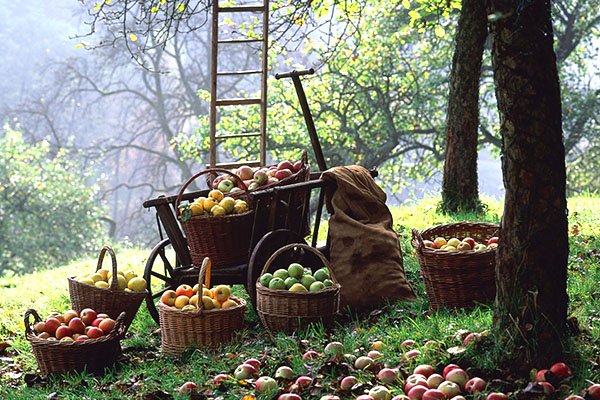
From the 12th to the 14th, while the Moon transits Sagittarius and moves into Capricorn, the lunar calendar recommends harvesting: pick late fruits, gather sea buckthorn and hawthorn, prepare viburnum berries for the winter, and collect seeds. You can also dry mushrooms and plant houseplants (they'll be a success).
Gardeners will benefit from successful planting and transplanting if they begin on October 15–16. Besides planting fruit crops, it's also a good time to graft, feed, and apply fertilizers for the future.
From the 17th to the 19th, it's best to stop sowing and planting, and instead devote the time to pest control. Measures should be taken against insects that intend to overwinter in the garden. Spraying with appropriate pesticides is very effective.
How to end the month
The last ten days of October mark the full moon, a period when it's best to leave plants alone. However, before and after the full moon, it's time to continue the end of one gardening season and the beginning of the next.
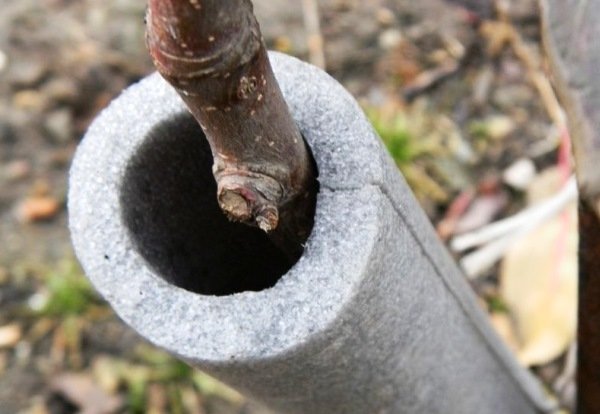
On October 20–21, you should continue pest control measures in the garden and insulate shrubs for the winter. Late October is a great time to build frames over plants; you should prepare insulation, but don't yet cover the shrubs.
On the 22nd–23rd, you can start sowing plants in greenhouses, and water garden plants generously for the winter.
On the 24th, the day of the full moon, it would be best to arrange a rest for yourself and all the plants.
On October 25–26, during the waning moon, you can begin winter planting of onions and garlic. During these days, you should continue pruning fruit and berry crops, harvesting remaining berries, and covering some plants with spruce branches for the winter.
On the 27th-28th, while the waning Moon is passing through Gemini, you can continue harvesting (both above-ground and root crops), mow, weed, and continue gradually preparing trees and bushes for winter, but there is no need to plant or replant anything.
On the 29th and 30th of the current month, it's best to focus again on preserving or pickling the remaining harvest. Anything harvested during these days won't keep for long.
The last day of the month is best spent preparing beds for future plantings.
Signs and traditions of October
October is a crucial month for gardeners: harvesting the remaining crops, planting and sowing new ones, watering, fertilizing, and insulating the remaining ones for the winter, and carrying out pest control. Furthermore, processing the entire harvest is essential: salting and preserving some, and storing others in the cellar. Garden beds, greenhouses, and garden tools also need to be tidied up.
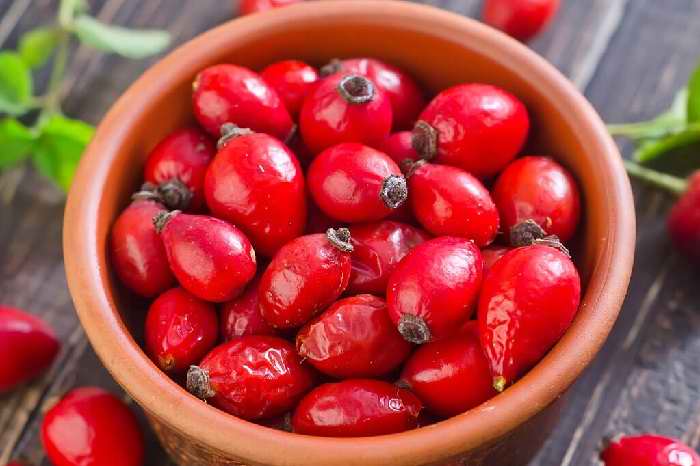
Not only the lunar calendar but also numerous folk omens will help you plan everything correctly and get it done on time. For example, on the 1st, people not only harvested rose hips (brewed them for the first time), but also watched the cranes – if they flew away, it meant frosts would already be here on Pokrov (October 14th). If they took their time, it meant everything would be done in time, and October would be warm.
On Astafiya Vetryak (October 3rd) they tried to remove all rotten fruits from the garden (“so that rot would not occur”).
On the day of the prophet Jonah (the 5th), they harvested radishes and prepared several dishes from them for dinner.
Sergius' Day (October 8th) has long been dedicated to cabbage, its harvesting, and the beginning of pickling. The weather on that day was monitored: if it was clear, the next three weeks would be similar.
By the 19th, our ancestors were already taking stock of the harvest. This day is dedicated to the Apostle Thomas, so when inspecting the rich barns, they would say, "Thomas is glad that the harvest is great."
By the 21st, the day of Pelagia the Chill-Breaker, frosts were already expected, so all fruit crops should be covered.
Video: "Dacha Work in October"
This video will show you how to make the most of your time in the garden in October.