
Tips for gardeners: favorable days for sowing according to the 2025 lunar calendar
Content
What you need to know about the lunar phases
Even our ancestors, noting the close relationship between lunar cycles and crop growth, noted that planting "on the moon" had a beneficial effect on plant fertility. The waxing moon is the optimal time for active gardening. During this 11-day period, it is recommended to sow seeds, plant seedlings, fertilize plants with mineral fertilizers, water, and till the soil.
The full moon is a time to combat harmful insects and pathogens, loosen the soil, and remove weeds from the garden beds. Root vegetables harvested during the full moon are distinguished by their excellent taste and long shelf life.
As soon as the moon begins to wan, all work with the soil ceases, as during this period all vital energy is concentrated in the lower parts of plants. Over the next 11–12 days, crops are watered and fertilized, and shrubs and trees are pruned.
According to the lunar calendar, on the day of the new moon it is better to completely refrain from work in the garden and vegetable garden. But the day before, you can clean up your garden plot, removing weeds, damaged and dried shoots.
Video "Lunar Sowing Calendar: What and When to Plant"
In this video, experts explain the impact of lunar phases and zodiac signs on plant rooting, development, and fruiting.
Favorable days for sowing
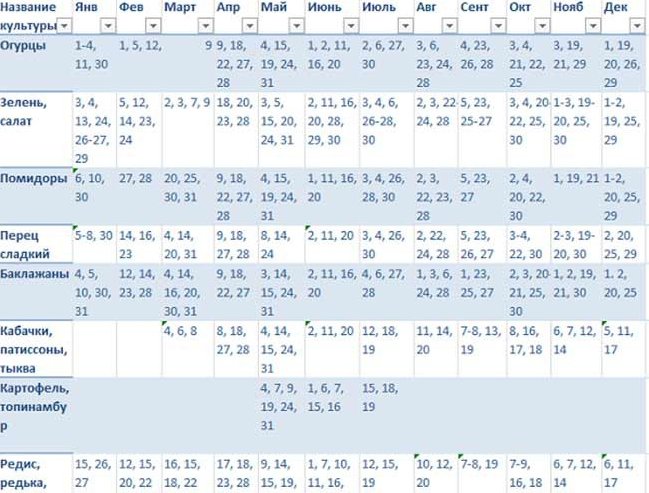
The 2020 gardener's lunar sowing calendar recommends distributing gardening work as follows:
- January (1, 10, 15, 16, 19, 20, 29) – preparation of tomato, sweet pepper, onion, begonia and petunia seeds;
- February (1, 6, 7, 8, 12, 13, 17) – sow seeds of sweet and hot peppers, tomatoes, cucumbers, squash, eggplant, pumpkin, radish, daikon and horseradish, as well as carnations, petunias and chrysanthemums in small plastic cups;
- March (7, 14, 16, 19, 21) – finish sowing seeds for seedlings, plant carrots, beets, white cabbage, red cabbage and cauliflower, transplant the first shoots into larger containers;
- April (7, 8, 9, 10, 11, 16, 18) – plant potatoes, Jerusalem artichokes, legumes and melons, water and care for seedlings;
- May (7, 8, 10, 14, 15, 18, 28) – active work begins in the garden by planting the main garden crops, greens, annual and perennial flowering plants, bulbous and tuberous flowers;
- June (4, 5, 6, 12, 13) – if weather conditions are favorable and there is no heat, continue planting root crops in open ground, and also feed the previously planted seeds with fertilizers;
- July (3, 11, 17, 30) – finish planting seedlings for the late harvest of squash, tomatoes, eggplants, cucumbers and melons.
The last month of summer and the beginning of autumn are devoted to caring for the crops and harvesting.
Unfavorable dates
So, following the advice of experienced gardeners, you should refrain from earthworks during the full moon and new moon, which fall on the following dates:
- January – 6, 21;
- February – 5, 19;
- March – 6, 21;
- April – 5, 19;
- May – 5, 19;
- June – 3, 17;
- July – 2, 17;
- August – 1, 15, 30;
- September – 14, 28;
- October – 14, 28;
- November – 12, 26;
- December – 12, 26.
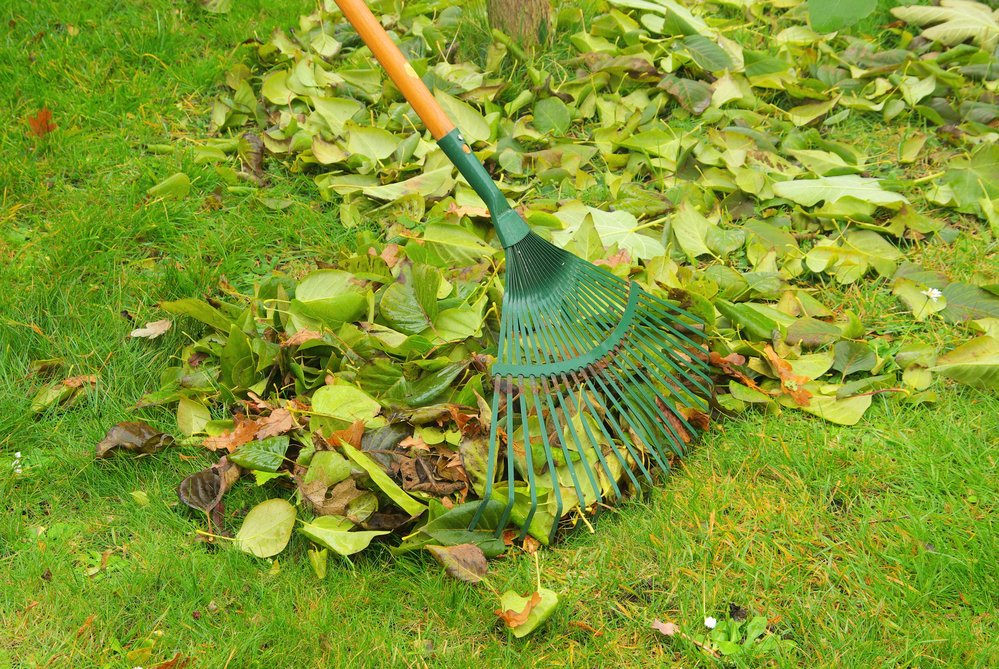
On days unfavorable for excavation work, you can engage in landscaping the garden plot, laying out beds and cleaning the area.
Seedlings planted in open ground and sown seeds will produce excellent shoots and reward you with a bountiful harvest if you follow the lunar calendar recommendations. A monthly planting calendar for gardeners and vegetable growers is compiled by specialists taking into account the phases of the moon.