
Winter onions: choosing a variety, growing and care
Content
Popular varieties
Currently, more than 2 thousand varieties of onions are grown in the world.
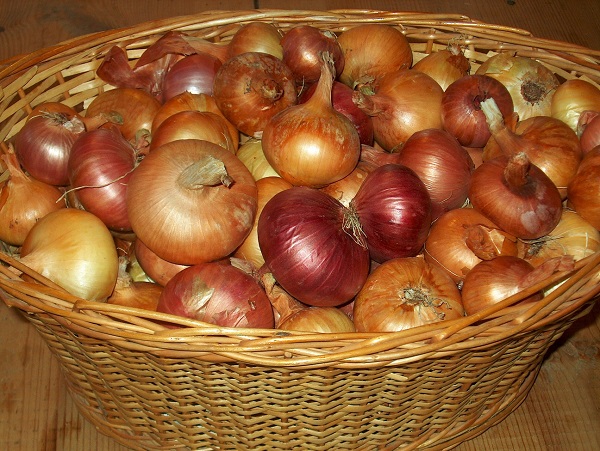
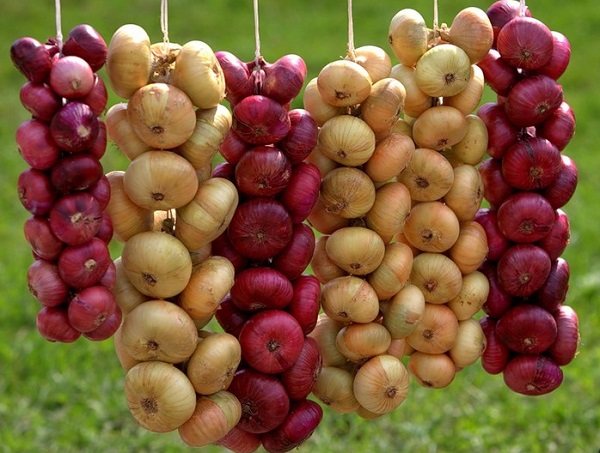
The bulb diameter can reach up to 15 cm. The dry outer scales of different varieties can be red, white, golden yellow, purple, or light brown.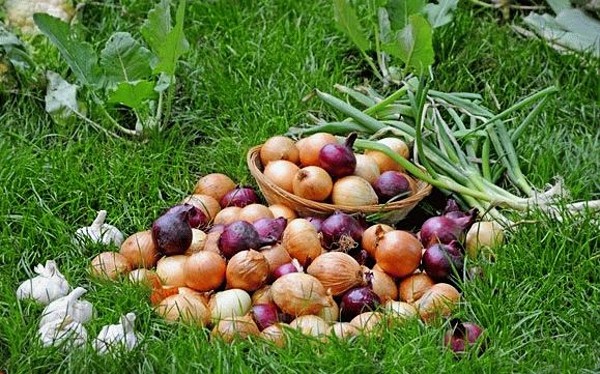
Beneath the outer scales are fleshy, succulent inner scales, most often white, but in some varieties, greenish, pinkish, or purple. The onion scales are attached to the base, which is a shortened stem. On this base, in the axils of the succulent scales, buds develop, from which daughter bulbs grow. The number of these buds indicates the variety's multi-germ, or, in other words, nested, nature.
Multi-germ (multi-celled) is a varietal characteristic of onions. Varieties with few germinations are those that produce 1-2 bulblets; those with medium germinations produce up to 4 new bulblets in a cell; and 5 or more (sometimes up to 25) germinations characterize a variety as multi-germination. Varieties in the latter category are highly prized by those who grow green winter onions in greenhouses and know the value of every centimeter of soil.
Based on taste characteristics, onion varieties are divided into hot, semi-hot and sweet.
Hot varieties contain higher amounts of dry matter (up to 15%), essential oils (up to 155 mg/100 g), sugars (up to 15%), and glycosides. However, we don't perceive their increased sweetness due to the pungent, bitter taste of the more concentrated glycosides.
Sweet varieties are distinguished by greater juiciness and a more delicate sweet taste, that is, they contain more water and less sugars, essential oils and glycosides.
Semi-hot varieties occupy a middle ground. Hot varieties store best, semi-hot varieties store slightly worse, and sweet onions store poorly.
Sharp and semi-sharp bows are distinguished by their multi-germ nature.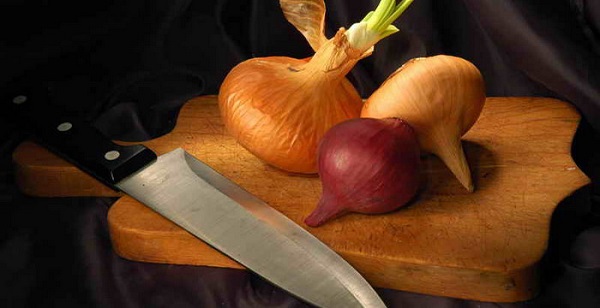
According to ripening time, onion varieties are divided into early (less than 100 days), mid-early (100-110 days), mid-season (110-120 days) and late (more than 120 days).
Popular varieties:
- Strigunovsky Local is a mid-season variety, maturing in 90-100 days. The bulbs are flattened-round, juicy, and firm, with a pinkish-yellow color. When grown from sets, they produce high yields.
- Sturon is an early-ripening variety (with an 8-12-day advantage over other varieties). Semi-sharp, single-celled bulbs weigh 100 to 150 grams. It has excellent germination and yield. It is not used for growing green fodder. It matures well in more northern regions. It exhibits resistance to many diseases. It is grown commercially.
- Hercules is a large-fruited, mid-early F1 hybrid, with spherical bulbs weighing up to 160 g. It grows successfully throughout Russia. This variety has a sharp flavor and high yields. It stores well until the next harvest. It is resistant to bottom rot, pink rot, and fusarium wilt.
- Red Baron is an early variety of red-purple onion. Bulb size ranges from 25-40 g to 130-150 g. It is round in shape and has a pleasant, salad-like, semi-sharp flavor. It stores well. It is propagated by sets, seedlings, and seeds.
- Chalcedony is a Moldovan-bred variety. It's mid-season and has a sharp, but not pungent, flavor. The bulb is round-oval in shape, with a bronze-colored skin. An average bulb weighs 90-130 g. This onion stores well.
- Bessonovsky Local is an early-ripening variety with a sharp flavor. It is grown as a biennial crop. The golden bulbs are small—35-45g—with medium-sized bulbs (2-3 bulbs per cluster) and firm. This variety exhibits excellent ripening and storage properties during the winter. The yield is 2.5 kg per square meter.
- Albion F1 is a white onion hybrid from Dutch breeders. It has a semi-sharp, superbly delicate flavor. The spherical bulb weighs 70 to 100 g. This variety produces two embryos. It can be grown from seed using transplants. It is highly disease-resistant and keeps until December.
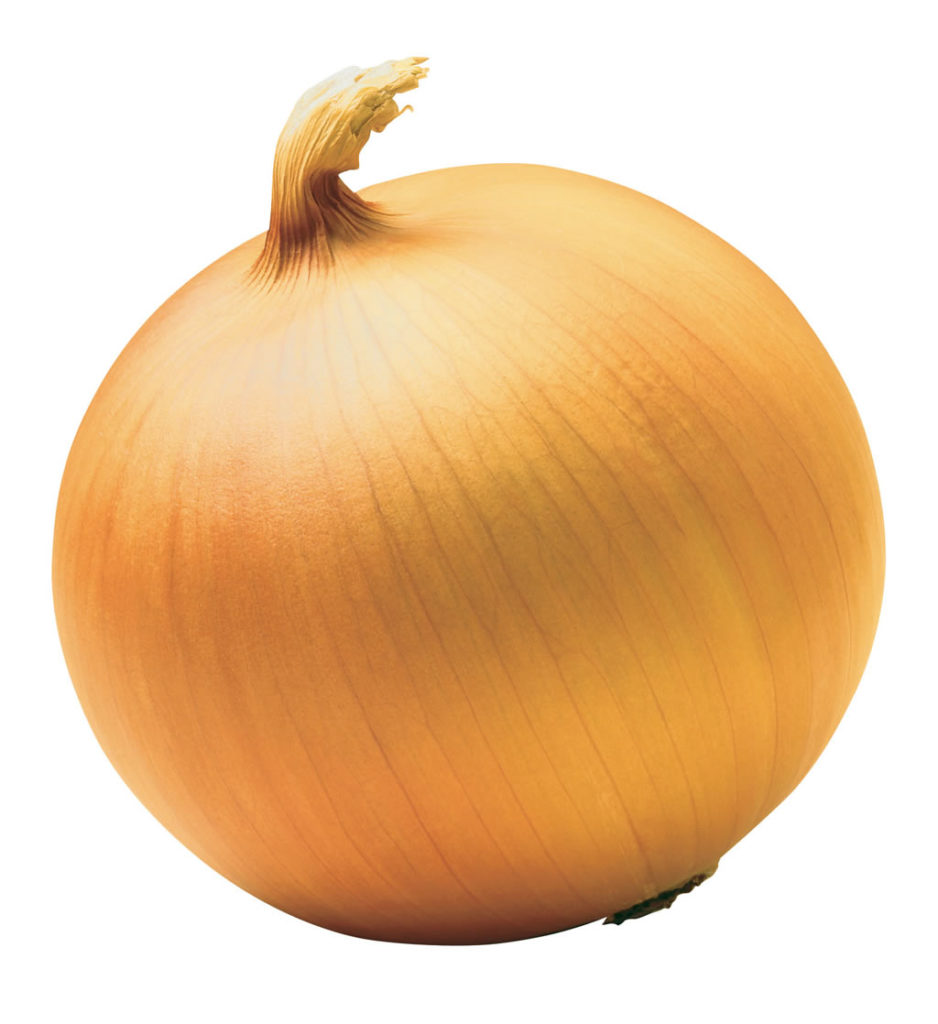
Sweet onion varieties take longer to ripen, so they are grown in the southern regions of our country.
Video "Best Varieties"
From the video you will learn which varieties of onions are the best.
Soil preparation
One of the most important components of a high onion yield is proper and high-quality soil preparation in the area where winter onions will be grown.
The site should be level, open, and receive maximum sunlight. Beds shaded by nearby trees will not produce a high onion yield. A weed-free environment is crucial for the productive cultivation of all types and varieties of onions.
Onions are best planted after crops that have received significant amounts of organic fertilizer. Good predecessors for onions include cucumbers, zucchini, pumpkin, beans, peas, tomatoes, green crops, and early cabbage and cauliflower.
If the area allocated for planting onions has not been fertilized previously, it should be prepared in the fall. Dig the soil with rotted manure or compost at a rate of 2-4 kg per square meter. This will not only enrich the soil with nutrients but also improve its structure and make it looser. Along with the compost, add 100-200 g of wood ash. If organic matter is lacking, mineral fertilizers are added. Of the nitrogen fertilizers needed for rapid and vigorous growth, the plant will require 10-30 g of nitrate or 20-50 g of ammonium sulfate per square meter.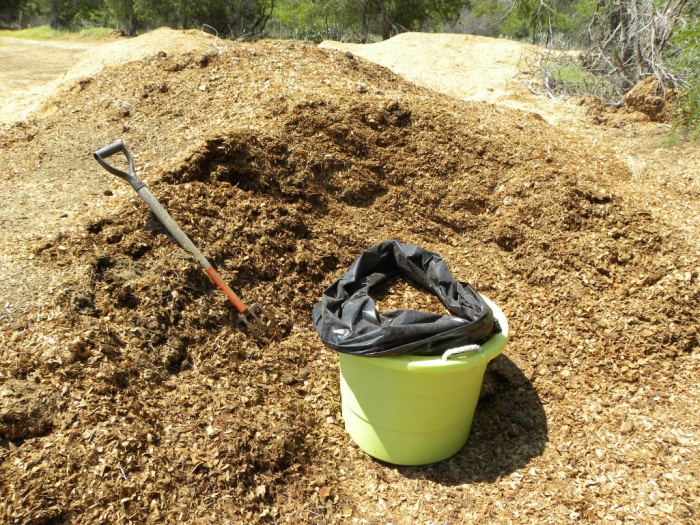
Superphosphate is applied to promote root formation and accelerate plant growth and maturation. The recommended dosage is 30-60 g per m².
Potassium chloride, at a rate of 10-20 g per 1 m2, will ensure the accumulation of sugar in the plant and increase resistance to diseases.
Onions' very high soil requirements are due to the fact that their roots are very poorly developed, with most of their roots located in the surface layer at a depth of 5-20 cm. During the initial stages, the development and growth of the root system occurs much more slowly than the growth of the vegetative mass.
Landing
Onions are a perennial crop. However, winter onions (bulbs) can be grown from seeds as an annual crop. Bulbs grown this way last much longer without sprouting.
Onions are grown from seeds in several ways: early spring sowing in open ground, winter sowing, and using seedlings.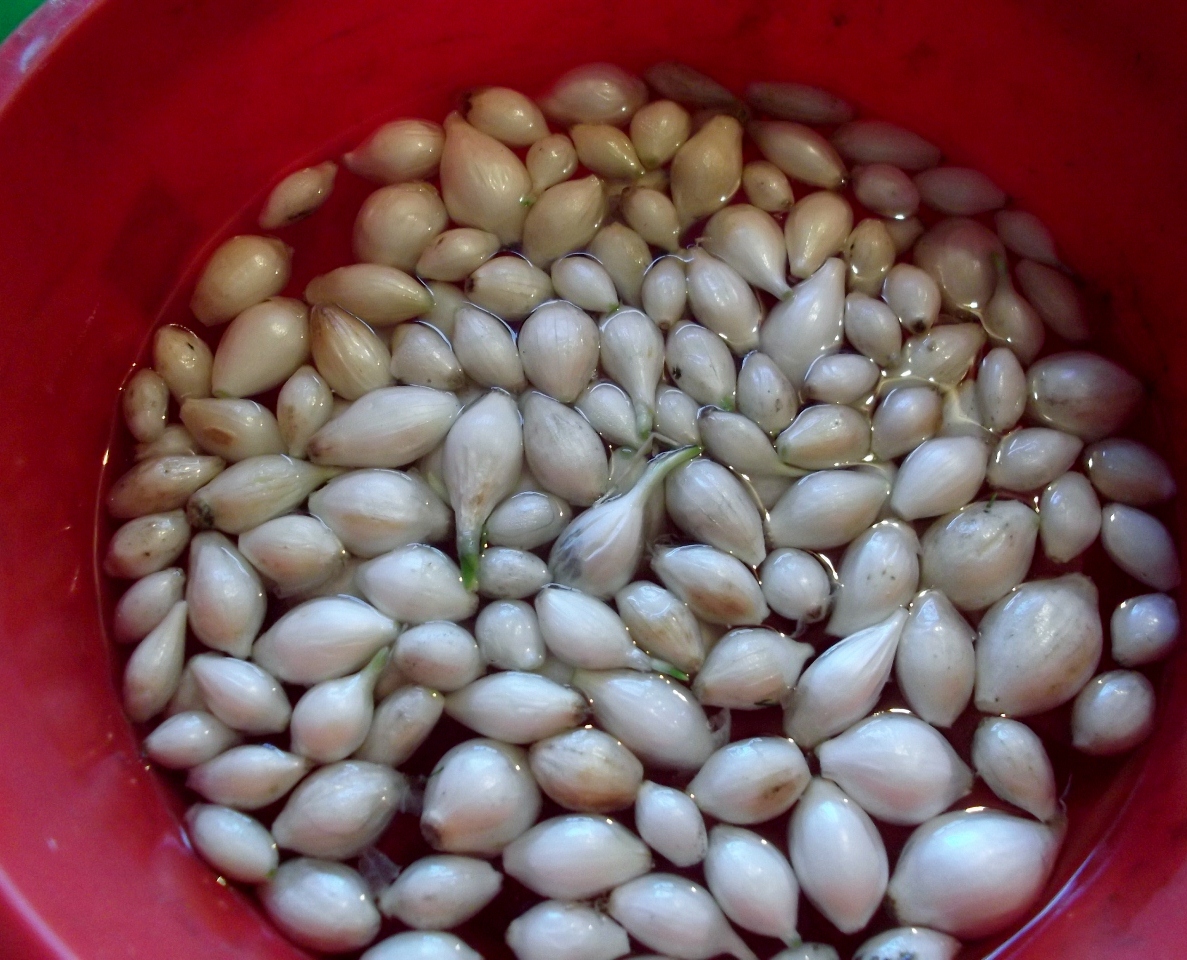
Using the first option, seeds are sown as early as possible, after the snow has melted and the soil hasn't dried out too much. Only fresh, last-year-old seeds are suitable for sowing, as even seeds two years old have a negative impact on germination.
Before planting, the seeds need to be prepared. Due to the high content of essential oils, they will take a long time to germinate. To reduce this time, soak them, wrapped in cloth, for 14-18 days. After this, the sprouted seeds are placed in a weak solution of potassium permanganate for 10-12 hours (to prevent fungal diseases) and dried until free-flowing. The seeds are ready to plant.
Sow nigella seeds at a depth of 1-1.5 cm in rows, 15-20 cm apart, or in six-row strips, keeping the distance in rows at 15-20 cm and between strips at 45-50 cm, using seeds at a rate of 8-10 g per 10 square meters of land.
Nigella is sown in winter using dry seeds, without soaking, but treated with potassium permanganate, as described above. Sow immediately before the onset of frost. Increase the seeding rate by 20-25%, and sow at a depth of 2-2.5 cm.
The seedling method allows you to grow sweet, late-ripening onions. To do this, sow the seedlings two months before planting.
The seedbed soil is prepared by mixing equal parts humus and turf. The recommended seeding rate per square meter of seedling tray area is 15-20 g. The trays should be low to avoid shading the seedlings. Before planting, the seeds are soaked for 24 hours, changing the water several times.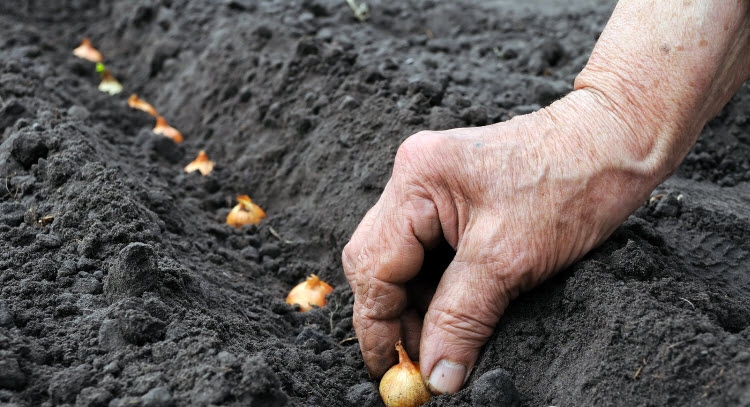
The seeds are planted at a depth of 1 cm. Cover the trays with plastic wrap until the seedlings emerge to prevent the soil from drying out. Maintain a temperature of 18-20 degrees Celsius until germination, then reduce it to 14-15 degrees Celsius during the day and 10-12 degrees Celsius at night to prevent the sprouts from becoming too tall.
Seedlings with a collar thickness of 3-4 mm and 3-4 true leaves are ready for planting. Hardening off to the temperature and conditions of the open ground will take 7-10 days. Plant the seedlings 6-10 cm apart within a row and 20-45 cm between rows. Strand planting is also possible.
The rows are watered and mulched to prevent the formation of a soil crust.
When growing onions as a biennial crop, the seeds produce small bulbs called sets in the first year, and in the second year, full-sized winter onions are produced from these sets. Preparing nigella seeds for sets is the same as for bulbs, but they are sown more densely. Furrows are spaced 10-12 cm apart, and the seed rate is 1 g per linear meter (the distance between seeds should be approximately 1-1.5 cm). The optimal size of onion sets for planting is 2-3 g in weight and 1-1.5 cm in diameter. Larger bulbs are prone to bolting, and small onions will not grow into large bulbs.
Onion sets are planted 8-10 cm apart in a row, with a 30 cm spacing between rows. Small onion sets do not store well for long periods of time—they dry out, so it's best to plant them before winter, rather than waiting until the following year. The full cycle of growing turnip sets is three years. In the first year, the seed bulb produces seeds, in the second year, the seeds grow into onion sets, and only in the third year is it time to harvest the onions.
Care
Caring for onion crops primarily involves loosening the soil and weed control. Nigella seeds can be covered with transparent film before emergence to prevent a crust from forming on the soil surface. Watering is critical during this time, as over-drying the soil can reduce germination by 50-70%. After emergence, thin the seedlings, leaving 2 cm between plants.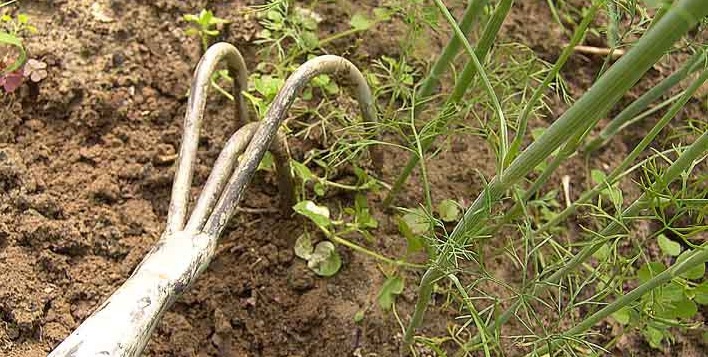
Nigella bulb plantings are thinned out 3 times - the first time when the shoots reach 7-10 cm in height, the second time after 3 weeks, and the third time after another three weeks, achieving a distance of 10 cm between the bulbs.
All onion plantings should be fertilized with nitrogen fertilizers in the last ten days of May, followed by ammonium nitrate and potassium fertilizers in mid-June. Watering should be stopped in late July. The next step is to determine when to harvest the onions.
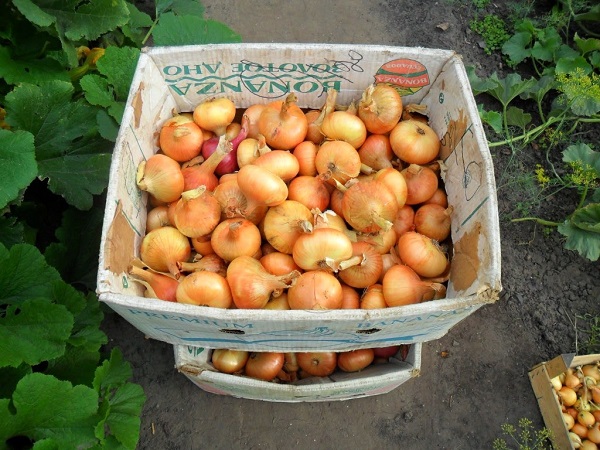
Onion harvesting typically begins in late July and continues through mid-August. Knowing the planting date, the variety's ripening time, and some simple math calculations allows you to accurately determine the date to harvest the onions for storage.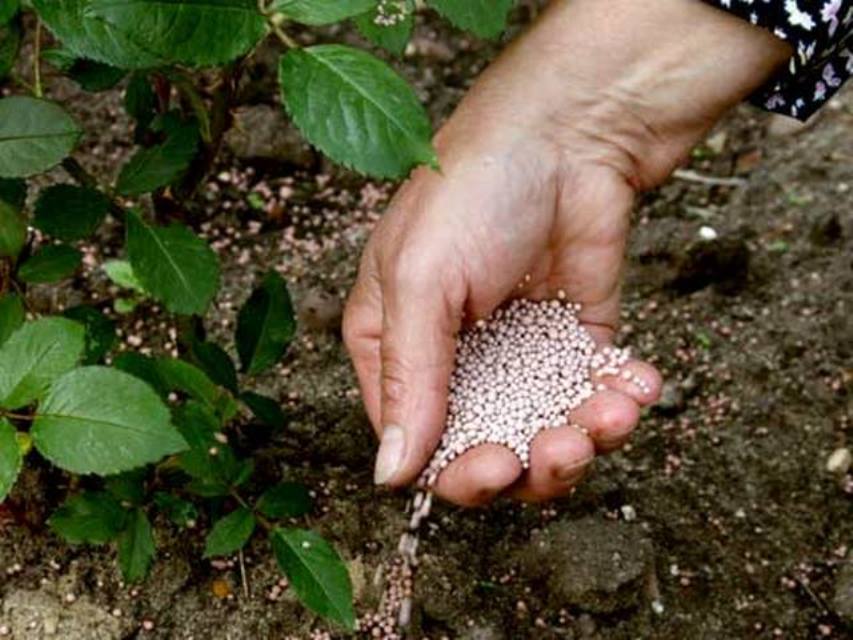
Onions are ready for harvesting: the greens lie down, turn yellow, and the necks dry out. If the greens remain upright, they are pressed down, and after a few days, when the necks dry out, harvesting begins.
The only time you shouldn't harvest onions is in rainy weather.
Diseases and pests
Downy mildew, or peronosporosis, is characterized by wilting of leaves, followed by yellowing and death, and the appearance of pale gray spots. It affects not only the tops of the leaves but also the bulb. It is caused by infected planting material and poor crop rotation. Onions are treated with Oxychom (20 g per 10 liters of water).
You will need 2 sprayings at intervals of 2 weeks.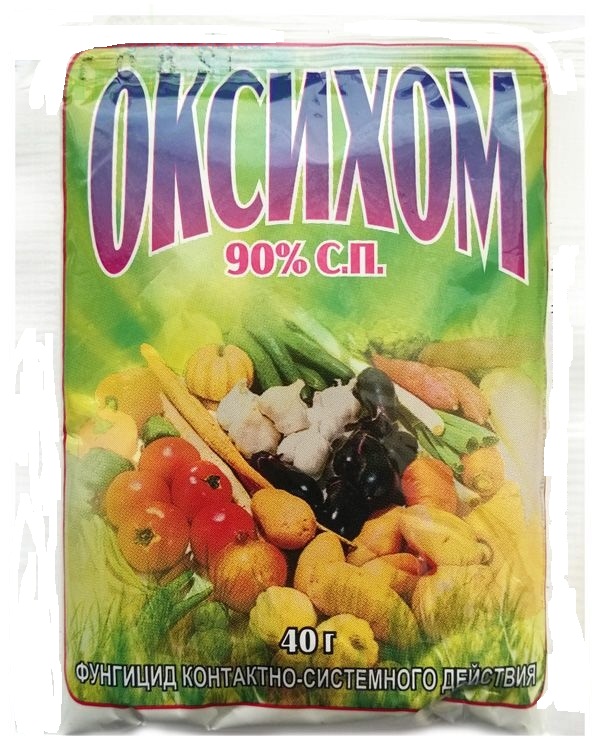
Gray mold can be recognized by spots on the fruit, and the bulb softens, resembling boiled bulbs. This is a fungal disease that enters the bulb through the neck during drying. There is no cure. Switch and Quadris can be used for prevention.
Mosaic disease covers onion leaves with stripes, flattens them, and inhibits plant development. This virus is spread by aphids and mites and is incurable. As a preventative measure, insecticide treatment is recommended to control the vectors.
Onion flies cause leaf tips to dry out and bulbs to rot. Once detected, the bed is watered with a solution of table salt (250 g per 10 liters of water). Carrots repel them. Therefore, onion rows are alternated with carrot rows.
Onion moths are especially dangerous for onions grown for greens (their larvae feed on the juicy interior of the leaves). Sprinkling the rows with wood ash and tobacco dust weekly can help prevent infestations.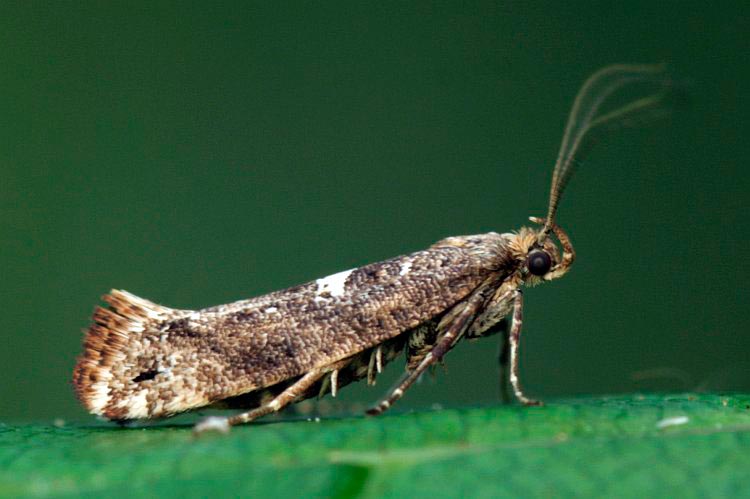
Thus, a comprehensive application of both protective and preventive measures will help preserve the onion harvest.
Video "Diseases and Pests"
This video will teach you how to combat various onion pests and diseases.