
The sweetest onion is Yalta onion
Content
Description of the variety
Yalta onions have specific characteristics that distinguish them from other varieties of the vegetable: shape, taste, color, and even texture.
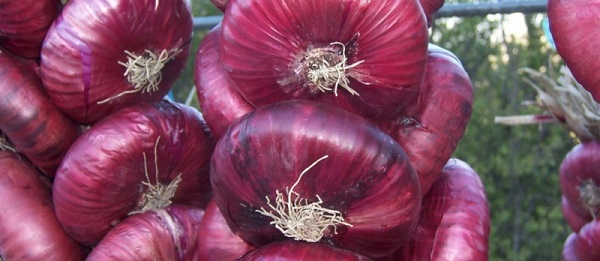
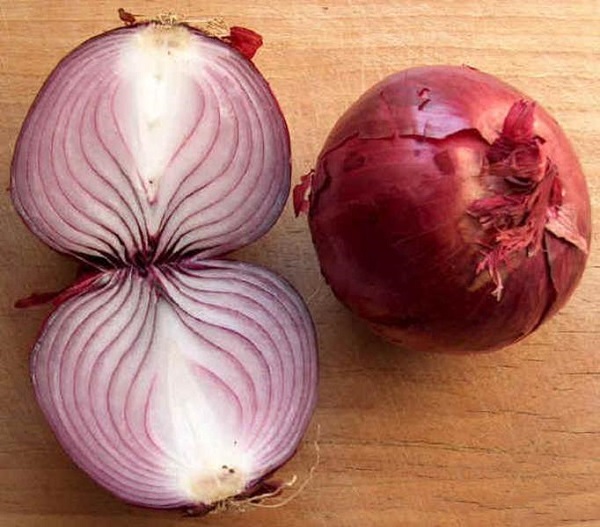
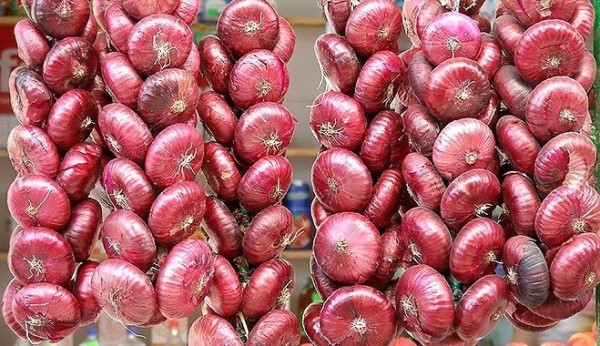
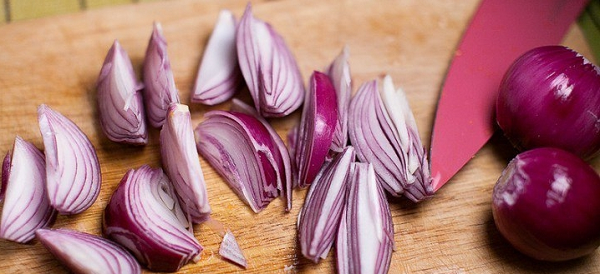
The fruits of this plant are flattened, even flat at the base. At the same time, the layers of the vegetable are quite wide, and they are quite juicy. The fruits are unique in that they lack bitterness. Instead, they have a slightly sweet taste. Because of this characteristic, many people eat them raw. The onion sets we are accustomed to sometimes have a lilac hue, while the Crimean onion is a deep purple.
The plant's appearance adds a touch of aesthetics to familiar dishes like cold cuts and salads. Even a steak is transformed when surrounded by purple rings.
Crimean onions should not be cooked, as this will cause them to lose virtually all their beneficial properties. The fruits of this variety are excellent sources of vitamins and minerals. They also stimulate appetite and regulate salt levels. Yalta onions are used for the prevention and treatment of a number of ailments. In this respect, this vegetable is no less valuable than its more familiar relatives.
Video "Onion Properties. Live Healthy!"
The properties of onions are discussed in detail in this video.
Historical facts
According to official data, Crimean onions as such never existed before. They were artificially bred by crossing several crop species. The material for this process arrived on the peninsula from various corners of the world.
In the mid-nineteenth century, Crimea became a popular tourist destination. Many nobles built residences or palaces there. The first steps toward establishing the Nikitsky Botanical Garden were also taken at that time. Consequently, a variety of plants began to be imported to Crimea from other countries, particularly Portugal. In addition to the sweet Spanish onion, the so-called Madeira onion varieties, both round and flat, appeared on the peninsula. These varieties became the basis for the Yalta onion.
Today, no one doubts the vegetable's beneficial properties. But this wasn't always the case. The Yalta onion we use today is the best of its kind. The variety from which it was bred was called "Sweet Crimean." This vegetable existed in the 1930s and had significant shortcomings that were corrected in the current variety. Therefore, the Crimean onion we know has a longer shelf life and is purple in color.
Features of cultivation

Growing Crimean onions from seeds or seedlings is primarily done by summer residents and homeowners. They not only harvest the onion sets but also sell the harvested crop.
Unfortunately, due to the variety's widespread popularity, low-quality onions can be found on the market today. These are characterized by a pale color, dry fruit, and thin layers. Furthermore, these onions are noticeably bitter. Naturally, such a product loses its value and negatively impacts the image of genuine Yalta onions. Therefore, one of the key issues in modern agricultural technology is how to preserve the purity of Yalta onions. This phenomenon significantly influences the cultivation of this vegetable.
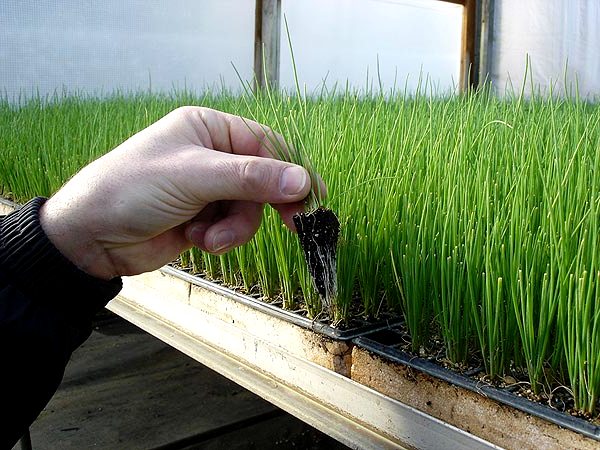
The crop is grown from seeds using seedling technology in protected soil conditions. The work is done manually and requires considerable effort on the part of gardeners. It's essential to create near-perfect growing conditions for the crop, which, of course, is difficult to achieve at home. However, even a novice gardener can grow an excellent harvest.
For successful seed germination, it's necessary to maintain the correct temperature and light conditions. Artificial lighting, particularly fluorescent lighting, should also be used. The ideal air temperature is 18°C. The plants should be kept adequately moist and fertilized periodically.
Seven days before transplanting the plants outdoors, harden the seeds. To do this, expose the young seedlings to fresh air for several hours each day. The seedbeds also need to be prepared for transplanting.
Transplanting begins after 3-4 leaves have formed. Water the containers containing the seedlings generously but gently. Carefully remove the young plants from their containers, trimming the roots and, where appropriate, trimming the leaves. Place the seedlings in the soil in the same manner as when using sets. Dig 4-centimeter holes for planting.
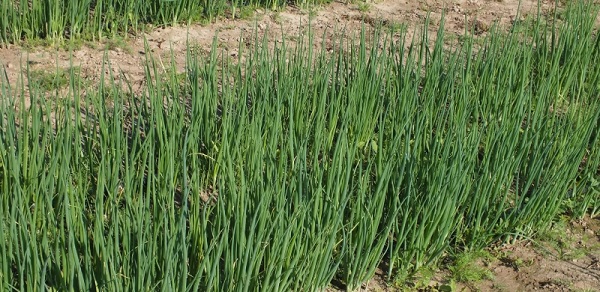
Growing Yalta onions from seed to ensure a good harvest requires careful plant care. This includes systematic soil loosening, weed control, regular fertilization, disease prevention and treatment, and pest control. All watering should be done carefully, following a schedule. During ripening, the plants need to be watered daily. However, even growing onions in ideal conditions will not yield excellent results. This is because the yield is significantly affected by the climate of the growing region. Heat deficiency and the characteristics of a particular soil type significantly affect the taste of the onions.
Sowing and harvesting times
To achieve the desired results, such as a bountiful harvest, seeds should be planted in late winter. After 1.5 to 2 months, the grown seedlings, like the onion sets, can be planted in the soil. When sowing seeds at this time, the planting period for young plants is late April to early May.
The vegetable harvest takes place in late August or early September. By this time, the leaves should have already fallen to the ground. Typically, the fruits are carefully lifted with a pitchfork or dug up, and then pulled out by hand.
Yalta onion is an unusual and delicious vegetable. Even a novice gardener can grow it from seed. The key is to create the right conditions and follow the recommendations.
Video "Growing Onions"
The video explains how to grow onions.