
Description and cultivation features of shallot varieties
Content
Description and characteristics of the variety
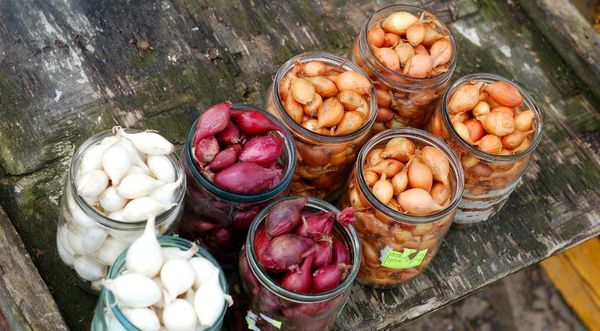
Shallots are characterized by a bulb that appears to be surrounded by daughter buds (primordia). This characteristic is why they are also called heirloom onions. The number of daughter buds depends on a number of factors, including the variety, and can reach up to 40. The primordia are contained within the same sheath as the mother bulb. Each shallot weighs 15–40 g. The sheath can be white, purple, or yellow. The average length of the bud is 30–50 cm.
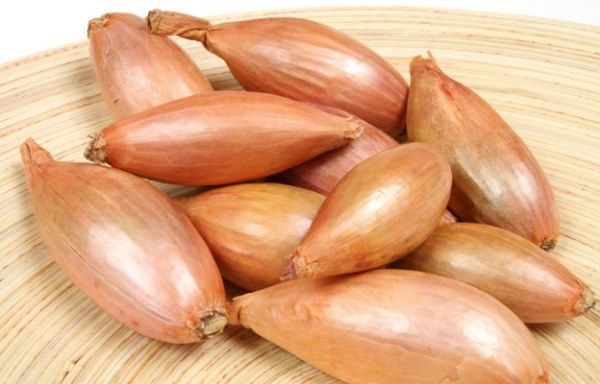
Shallot flesh is juicy and tender, with piquant, slightly sweet notes (the sweetest variety is the banana variety). Unlike onions, shallots' aroma doesn't overpower the flavor of other foods, making them ideal for delicacies. They are often used in salads, sauces, and baked dishes. Shallot bulbs are often added to pickles and other marinades. In China, they are used to make chips. The fleshy tops are also eaten.
This onion contains a lot of vitamin C, carotene, vitamins E, PP, and B, essential oils, and phytoncides. It boosts immunity, helps normalize blood pressure, strengthens blood vessels, and is recommended for gastrointestinal problems and eye diseases.
Shallots are more frost-hardy than onions and can be planted in winter.Resistant to many diseases, it boasts high yields. It's easy to store and can last for several months even at room temperature.
Main varieties
Camelot F1 is an early-ripening variety, ready to harvest 20–25 days after germination. It has good frost and winter hardiness. The bulblets reach up to 30 cm in length, and each bulb weighs 34–36 g. The bulblets do not harden for a long time. The shelf life is up to 7 months.
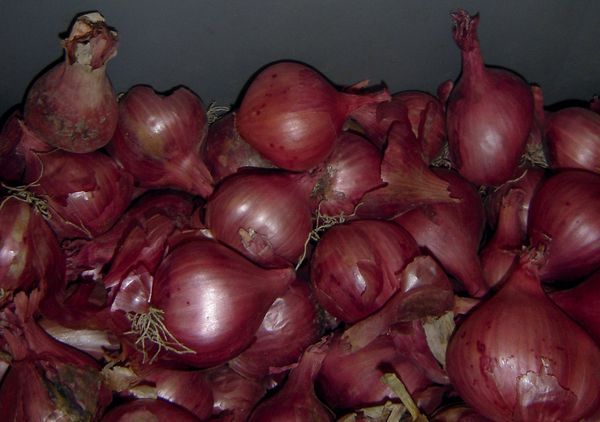
Knyazhich is a mid-season shallot. It takes 65–70 days from mass germination to harvest. The greens can be harvested after 20 days. Each cluster contains up to 8 shallots, averaging 25 g. It has a shelf life of up to 10 months.
Krepysh is a mid-season, fairly large shallot. Its growing season lasts 55 to 70 days. Each cluster contains 5–7 bulbs weighing up to 50 g. This variety is particularly resistant to gray mold.
Siberian Yantar is a semi-sharp, mid-season variety. Its growing season lasts 56 to 60 days. Each cluster contains 6–7 bulbs weighing approximately 30 g.
Rules and methods of planting
We've figured out why shallots are worth growing in your garden. Now let's figure out how to do it right.
If the goal is to grow large heads, sowing should be done in mid-April, when the soil warms to 8–10°C. For greens, it is recommended to plant either in the open ground in the fall or in a greenhouse in early spring.
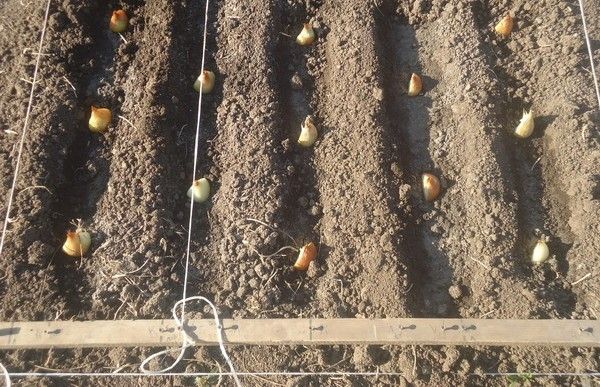
A plot of land allocated for this crop should be well-lit, as insufficient light slows the development of shallots and impairs their shelf life. Slightly acidic sandy or loamy soil is best. High acidity causes the bulbs to shrink and the foliage to turn yellow quickly. Good predecessors for this crop include peas, tomatoes, cucumbers, and potatoes, while undesirable ones include carrots, beets, garlic, corn, and sunflowers. Carrots, however, make good neighbors: the smell of onions and carrots mutually repels pests.
If planting is planned for spring, the area should be dug up in the fall, adding fertilizer at the same time – compost or rotted manure, superphosphate and potassium fertilizers.
Seeds in open ground
You can use either shallot sets (i.e., bulblets grown from seeds) or baby shallots for planting. In this case, we'll look at how to grow shallots from seeds. Planting baby shallots is easier, but it leads to a deterioration in the varietal quality.
The easiest way to obtain seeds is to buy them from a reputable producer. If you decide to grow your own sets, use healthy bulbs that have been stored for at least three months at temperatures between 5 and 11°C. In this case, planting should only be done in the spring. Please note: shallots and onions are prone to cross-pollination, so do not plant them next to each other for seed production.
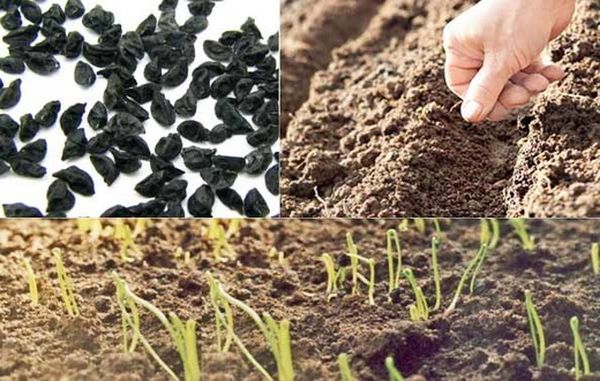
Before planting, the resulting seeds are wrapped in a bandage or gauze, thoroughly moistened, and sealed in a container. They are kept there for approximately two days at a temperature of 21 to 24°C, rinsing and changing the water every seven hours. Allow the seeds to dry slightly before planting.
The seeds are planted at a depth of 3–5 cm and covered with soil, or better yet, peat or humus, then watered thoroughly (hard water is undesirable). The optimal distance between plants in a row is 10–15 cm, and between rows, about 30 cm. Within a year, the seeds develop into sets, which can be harvested the following year.
A few days before planting, soak shallot bulbs in a weak solution of potassium permanganate. The neck should be cut off first.
Seedlings
To grow seedlings, a 1:1 mixture of turf and humus is placed in a box in a 7–8 cm layer. The distance between furrows should be up to 5 cm. After planting, the seeds are watered generously and kept at a temperature of +25°C. A week later, when the seedlings appear, the temperature is lowered to +18…+20°C, which strengthens the roots.
Secrets of care
Shallot care involves regularly loosening the soil, weeding, and fertilizing in June and July. Watering should be moderate, as the soil dries out (if it rains frequently, watering may be unnecessary).
A frequently asked question is when to harvest shallots sown for bulbs. This is done in late July to early August. The tops should appear yellow and drooping at this time.
After digging, shallots should be dried outdoors in the shade for 20–30 days. After this, the tops are removed and the bulbs are separated into bulblets.
Nets or boxes with holes are suitable for storage.
Video: Planting Shallots
This video will show you how to properly plant shallots in open ground.