
How to grow large and beautiful heirloom onions
Content
Description of the family onion
Family onions differ from bulb onions not only in appearance, but also in taste.
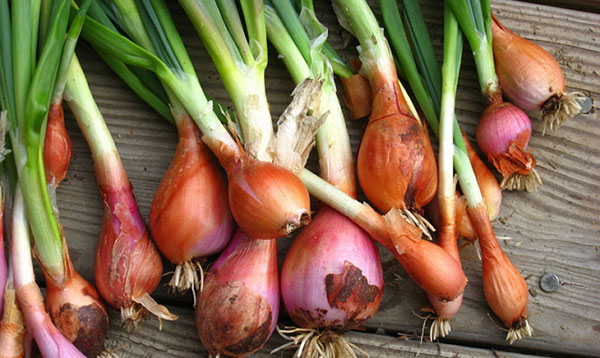
Shallots are elongated, less wide, and heavier. The average bulb weight ranges from 20 to 50 grams, and a crop of 30 shallots weighs just over a kilogram. The shallot's skin is dark orange with a red tint, and the leaves are emerald green with a white waxy coating.
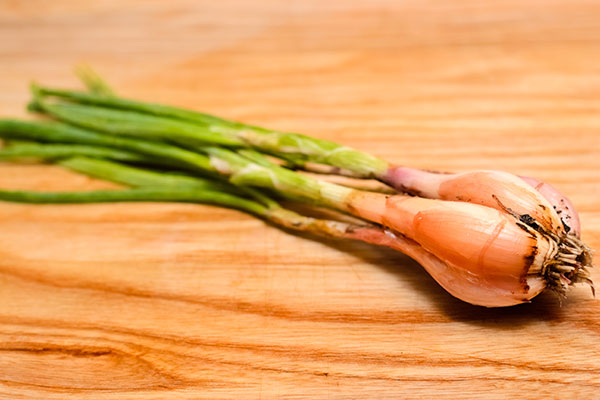
Allium ascalonicum is a cold-hardy variety. It also boasts a long shelf life and high disease resistance. The taste of shallots is atypical for the onion family – sweet with a hint of spiciness.
Family onions are a great choice for growing on a small plot of land, as they mature in no more than 80 days.
The best varieties
The most popular varieties of Allium ascalonicum are:
a) "Knyazhich". A variety with large (up to 80 g) bulbs with sweet reddish flesh;
b) "Andreyka". Miniature bulbs (up to 25 g) with a pungent taste;
c) "Old Believer." This variety of Kushchevka is distinguished by its unusual taste and average yield;
d) "Cascade." It produces ovoid fruits weighing up to 40 g and has an attractive appearance—underneath the pinkish scales lies spicy white flesh.
Planting onions
Planting and caring for the Heirloom Onion variety is done outdoors in early spring. Temperatures should be between 2 and 12 degrees Celsius (36 and 55 degrees Fahrenheit). The best harvest of Allium ascalonicum, not bolting, occurs when planted in April. Planting in warm soil (at least 15 degrees Celsius) promotes leaf development rather than bulb development.
Before planting, you should prepare the soil and fruits.
Make sure the substrate for the plant is light and not highly acidic. To improve the soil, you can add humus, ash, and superphosphate. In clay soils, add sand to achieve a lighter consistency.
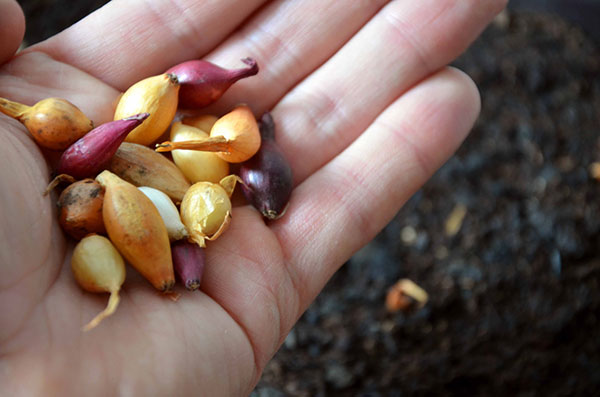
It is better to choose a sunny and windless place for the planting area. In this area, select two beds at a short distance from each other and make shallow holes.
After this, you need to decide how to properly prepare the onions. A simple option is to trim the onions to the roots and soak them in water. But a more effective method is as follows:
- Wash and peel the shallots;
- trim away the hard bottom part until fresh root growth appears;
- soak the onions in a solution of water and fertilizer for 8-10 hours;
- Dry the fruit and cut it in half or quarters. Make sure each piece has approximately the same amount of roots;
- Wait until the first roots appear in the greenhouse or plant the bushes in the beds immediately.
Growing and care
Before planting the vegetables, the soil is loosened, fertilized, and watered. Afterward, the prepared bulblets are planted 20 cm apart, and no further action is taken until the first shoots, 7–10 cm long, emerge.
When growing shallots, the only necessary procedures are mulching at the early stage of development and watering once a month with plenty of water.
Fertilizing is important if leaves are turning yellow or vegetables are developing poorly. In this case, add chicken manure, and potassium-ammonium fertilizers should be used to treat yellowing stems. Wood ash and manure can be used as alternatives.
In June, watering is stopped, and in July, when the stalks have turned yellow and begun to dry out, harvesting begins. After harvesting, the vegetables should rest in their original location until evening, then in the evening they are placed in a dark place to dry for 15 days. When the top stems become dry and rough to the touch, the old leaves are trimmed off, and the shallots are stored in boxes. Whole, undamaged bulbs can be stored for up to a year, provided they are kept in a warm, well-ventilated area.
Pest and disease control
Kushchevka is a fairly pest- and disease-resistant variety. Fusarium rot is rare, but it is more often susceptible to infestations of worms and onion flies.
In the case of fusarium, vegetable growing conditions should be adjusted—high humidity or strong winds are likely responsible, as these carry the fungal bacteria from neighboring plots. Affected fruits should be removed and destroyed.
In other cases, treating the plants with a 1% boric acid solution is sufficient. This can be done several times during the growing season; however, treated leaves and stems become unusable.
One effective way to combat pests is to apply antifungal fertilizers or preparations directly to the soil. For this procedure, use a weak solution of the preparation—approximately 1:10.
Gardener's tips
The main advice experienced gardeners give is to decide in advance what requirements you have for the future harvest.
If you're aiming for large fruits, it's best not to overdo it with organic fertilizers during the growing season and excessive watering. Excessive moisture promotes foliage growth, but the root system doesn't penetrate deep, resulting in small fruits. For the same reason, it's best not to overdo it with fertilizer.
Timely harvesting also contributes to a high-quality harvest, as leaving vegetables in the garden for too long leads to over-saturation and a deterioration in their flavor.
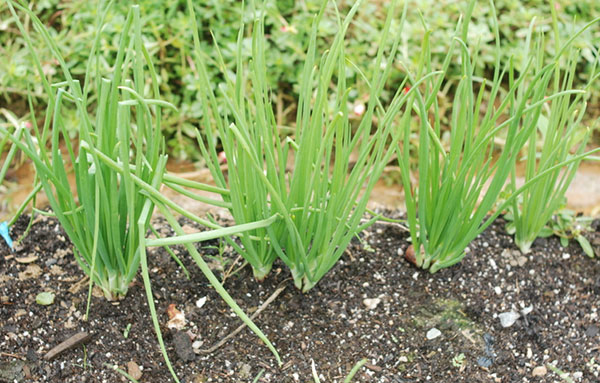
Larger bulbs are produced from smaller bases, initially grown in close proximity to three or four other bulblets. By pushing each other out, these bulbs will tend to grow larger. However, for this rule to be effective, be sure to thin the holes, removing the weakest seedlings.
Growing shallots from seeds produces equally high-quality results. This method takes more time, but produces truly large bulbs.
Video: "Shallots – From Planting to Storage"
The author of this video shares his experience growing and storing the world-popular shallot.