
Planting onion sets in Siberia: varieties and cultivation features
Content
Onion varieties
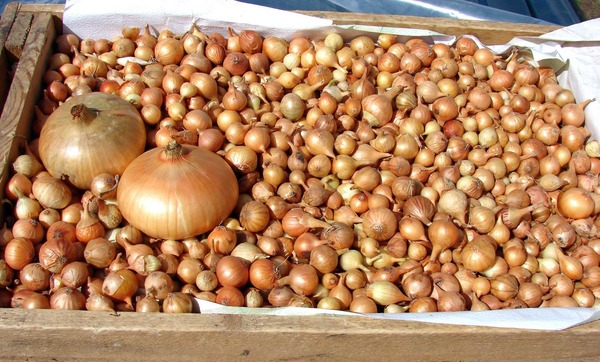
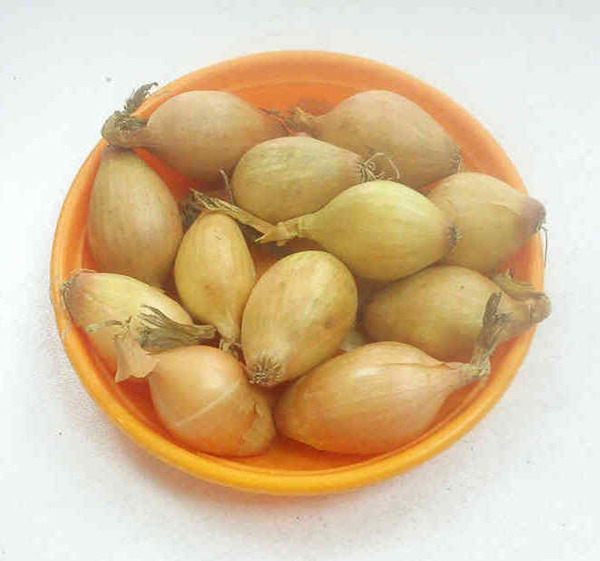
Today, there are several varieties that are particularly productive when grown in Siberia. These include:
- Siberian annual is an early-ripening, moderately pungent variety characterized by excellent shelf life. The root is round, slightly flattened at the ends. The bulbs are usually yellow. Each bulb averages 0.15 kilograms. This vegetable is grown from onion sets. It is most often cultivated as an annual.
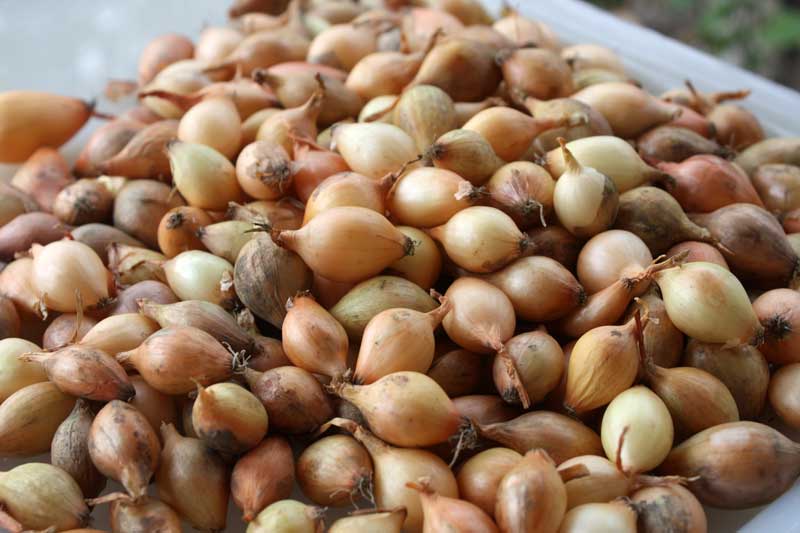
- Strigunovsky. This variety is characterized by fast ripening fruit, a sharp flavor, and good shelf life. The fruit is round, tapering toward the neck. Each fruit weighs 0.1–0.15 kilograms.
- Yukont is an early-ripening variety with a long shelf life. Its onions have a pungent flavor and an unusual purple color. Each onion weighs 0.12 kilograms. Up to 4 kilograms can be harvested per unit of area.
- Ermak is a variety typically grown as an annual. It can be stored for long periods without losing its essential properties. The fruits are pungent in flavor and golden in color. Fruit grown from sets can weigh up to 0.2 kilograms. A yield of 4 kilograms per unit of area can be achieved.
Video "Onion Varieties"
This video will tell you about common varieties of onion sets.
When to plant?
Planting onion sets in Siberia follows a specific schedule, determined by the region's weather and climate. This can be done in either spring or fall. Many varieties of the vegetable simply cannot survive the harsh winter. Smaller onions are most often affected: they either begin to rot or begin to form new shoots around the New Year. Therefore, it is recommended to plant the plants in mid-autumn. Under these conditions, the seed will have time to develop up to four shoots. Cold weather will then set in, negatively impacting the growing season. However, these onions will produce good shoots in the spring.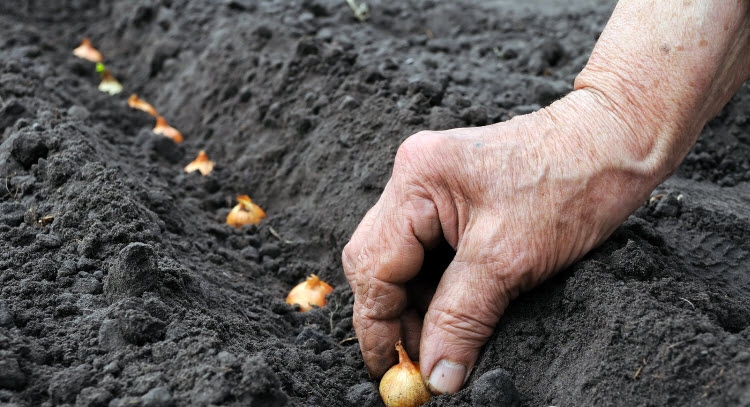
Gardeners in Siberia often plant onions in the spring. It's recommended to do this in early May, or before the end of the first ten days of the month. By this time, the soil will have warmed up to a depth of 0.15 meters and will reach a temperature of up to 8°C. If the vegetable is planted earlier than this, it will only form leaves, and the turnips will not grow. This harvest must be consumed immediately; it is not suitable for long-term winter storage. If planted late, the fruits will also grow small, as they will not have enough warm days to develop.
Growing perennial onions is very popular in Siberia. This type of crop should be planted in the fall. The vegetable thrives in winter and actively produces green leaves in the spring. Several onions can be grown in a single hole. The onions grow strong but compact. They can grow in the same spot for 3-4 years. After this period, the onions should be divided into their component onions and planted in a different area.
Preparing for sowing
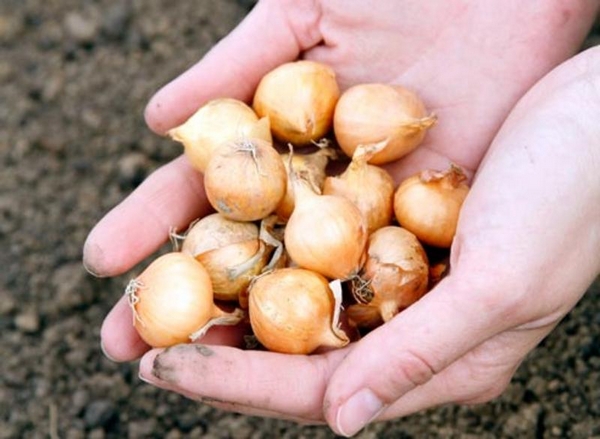
Growing any crop isn't easy. Before planting, the seed must be properly prepared. Since vegetables germinate poorly in Siberia and are often susceptible to disease, preparation requires particular attention.
In the fall, the bulbs should be thoroughly dried for planting. Place the bulbs in cloth bags or glass jars. Seal these containers with cloth, not nylon lids. Store the seeds at 0° to 2°C (32° to 36°F), otherwise the onions will form numerous stems, but the onions themselves will remain small.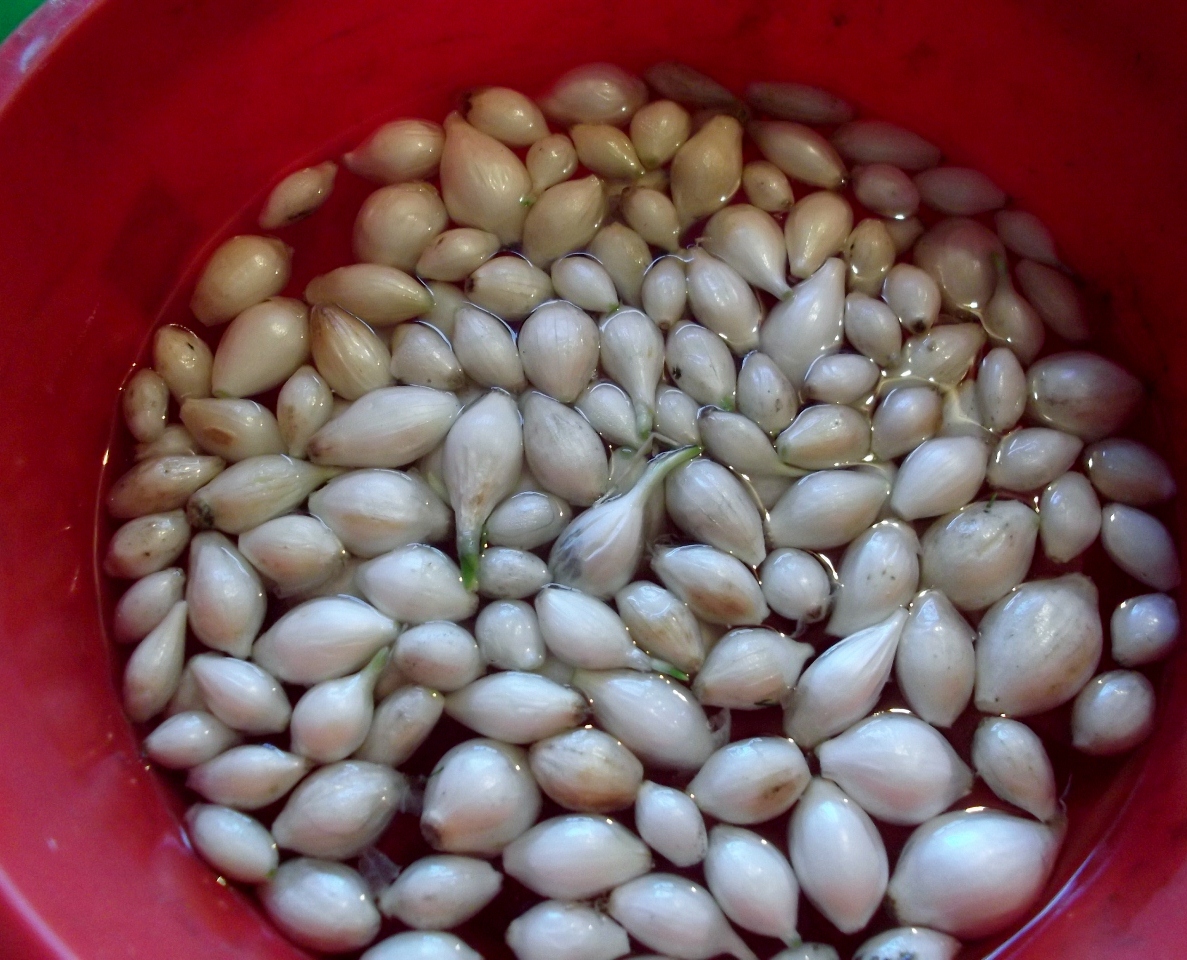
There are different ways to prepare seed material:
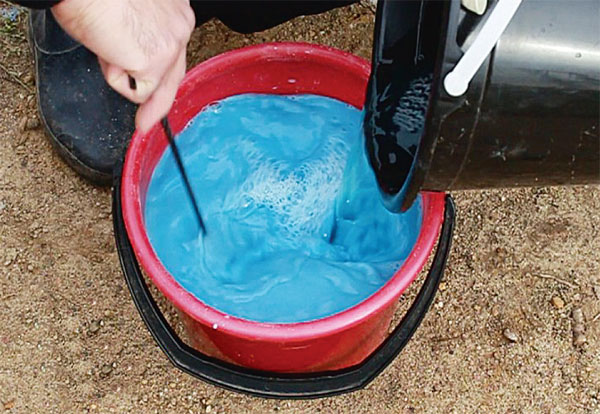
- Dissolve a couple of tablespoons of salt in half a bucket of water. Soak the bulbs in this solution for a day, then place them in a potassium permanganate solution for another quarter of an hour. Then remove the seeds and, without wiping them, plant them in the soil.
- Soak the onions in warm water for 10 hours. Add more warm water as the water cools. After soaking, soak the onions for 10 minutes in a solution of potassium permanganate or copper sulfate. Before planting, it's acceptable to treat the seeds with a growth stimulant.
- To avoid prolonged heating of the vegetable, the seeds can be immersed in water at 55°C for 15 minutes, followed by a 15-minute cold bath. After all these steps, the bulbs should be treated with potassium permanganate before planting.
Soil preparation
Onions thrive on light. Therefore, when choosing a site for planting, it's best to choose a well-lit and ventilated area. Soil preparation should begin in the fall. This involves digging the soil and fertilizing it with compost. It's worth noting that fertilizing with organic matter, manure, or bird droppings before planting will stimulate the growth of the above-ground part of the plant at the expense of the underground part. With the arrival of spring, mineral fertilizers such as ammonium nitrate, superphosphate, potassium sulfate (or wood ash) should be added to the beds.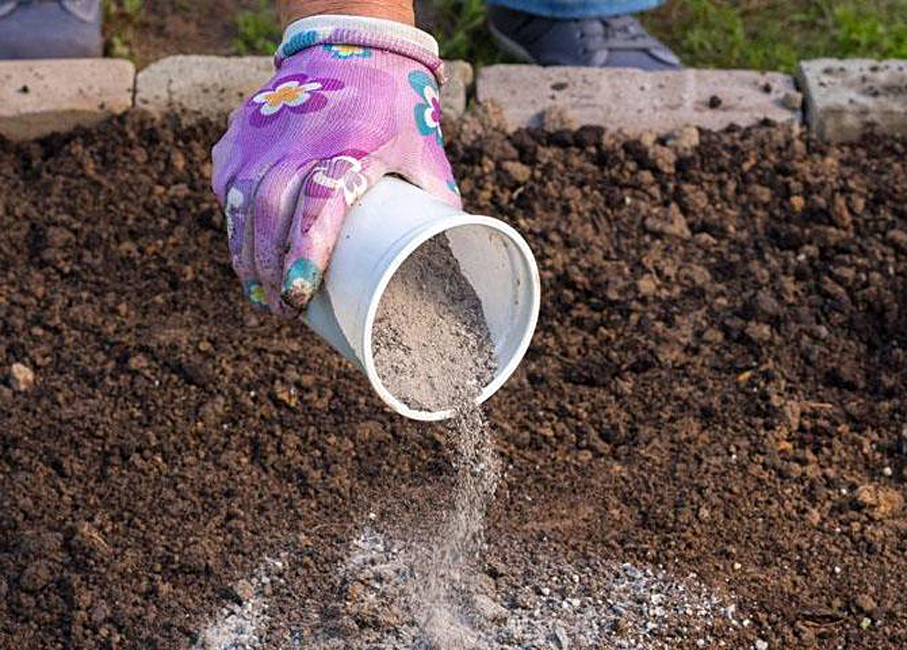
Acidic soil is unsuitable for growing onions. Therefore, it's best to make such soil alkaline using lime or wood ash.
Care
At the initial stage of growing onion sets, plant care involves regular watering. Fertilizing is then added. Fertilize the plants for the first time after the young plants have formed 3-4 leaves. Urea, superphosphate, potassium salt, or wood ash are commonly used for this procedure. These substances should be diluted in a bucket of water and the resulting solution should be poured over the plants.
For the first fertilization, it's acceptable to use ready-made combined fertilizers. For example, dilute 25 grams of nitrophoska in a bucket of water.
Onions are fertilized a second time a month after the first application of nutrients. To do this, dissolve double superphosphate and potassium salt in a bucket of warm water.
If your goal is to get large onions, you should avoid using organics.
Immediately after planting, water the vegetable no more than a couple of times a week. After that, once a week is sufficient. If the summer is dry, water more frequently. Stop watering a month before harvest.
Harvesting should be done in dry weather. After harvesting, vegetables should be dried in the sun or in the attic. All vegetables grown from seed should be stored in a cool place.
Diseases
With proper preparation of planting material, the risk of disease is minimal. If signs of disease do appear, the beds should be sprayed with a Bordeaux mixture solution every two weeks. Treated fruits can be consumed only after a week.
Harvesting
Onions should be harvested when new green shoots have stopped forming and the old leaves have dried out and are spreading along the ground. This should be done in dry weather. After this, the harvest is dried in the sun and then left to dry in the attic for another two weeks. The onion can be stored with the thin, dried neck.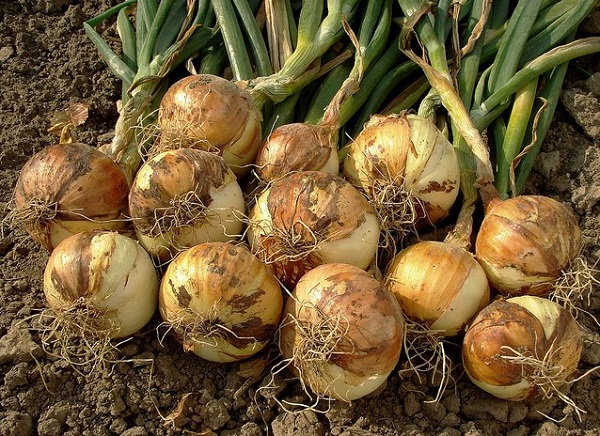
So, today, you can successfully grow onion sets even in Siberia. Proper preparation of the planting material is crucial.
Video: "The Subtleties of Planting Onion Sets"
This video will show you how to properly plant onion sets.