
Winter onions: varieties and cultivation
The best varieties
Planting onion sets in the fall is becoming increasingly popular among gardeners. Winter onions require no additional effort to grow. In fact, in the spring, when gardeners are at their busiest, they don't even need watering; simply uncover the bed and tend to other crops. The spring moisture that permeates the entire garden will be sufficient for their growth. In the spring, when not all onions have yet sprouted from seed, winter onions are ready to produce their leaves, and by midsummer, you can harvest ripe bulbs.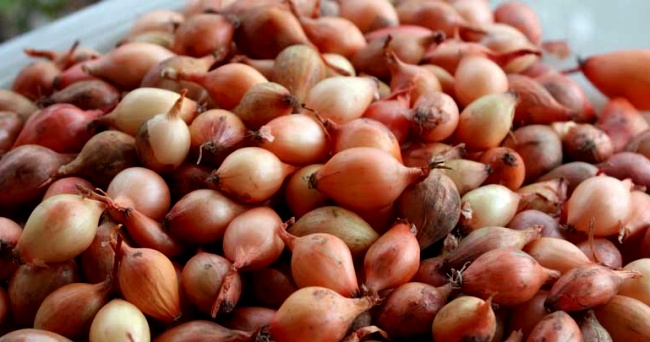
But not all onion sets are suitable for winter sowing. You need to choose early-ripening varieties, meaning those that can form bulbs in twelve hours of daylight. Of course, the onions must be frost-hardy; varieties grown in southern regions should not be planted before winter.
Today, it's possible to choose the most suitable hybrid varieties that are sufficiently cold-resistant and form turnips without waiting for the longest daylight hours, allowing for summer harvesting from late June to early August. Experienced vegetable growers prefer Dutch varieties.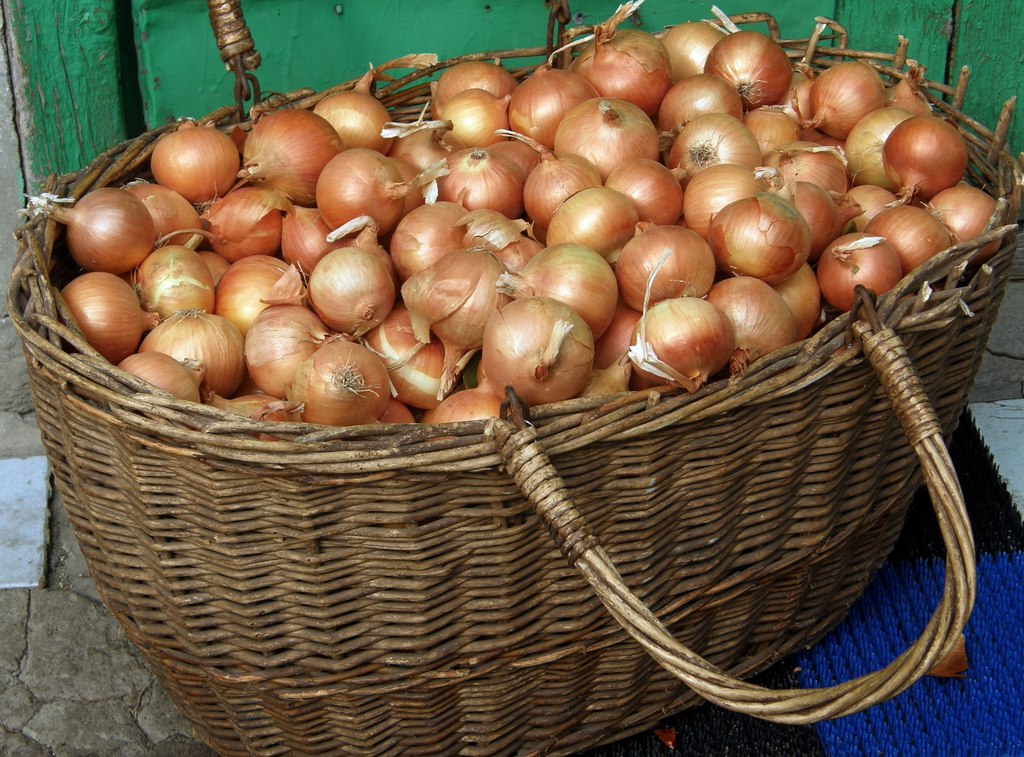
The "Shakespeare" winter variety, which produces bulbs weighing 100 grams, has remained the most popular for many years. It is highly frost-resistant, easily withstanding temperatures down to -18 degrees Celsius (even lower with snow cover), and matures in 75 days from germination. The large, round bulb has white, juicy flesh with a mild flavor and is covered with brown scales. The outer scales of the onion sets are very dense, allowing them to survive very cold winters.
The "Radar" variety produces an excellent harvest. Its pungent-flavored turnips, covered in golden scales, average 150 g in weight, and can reach 300 g in good conditions. This variety also easily tolerates severe winter frosts.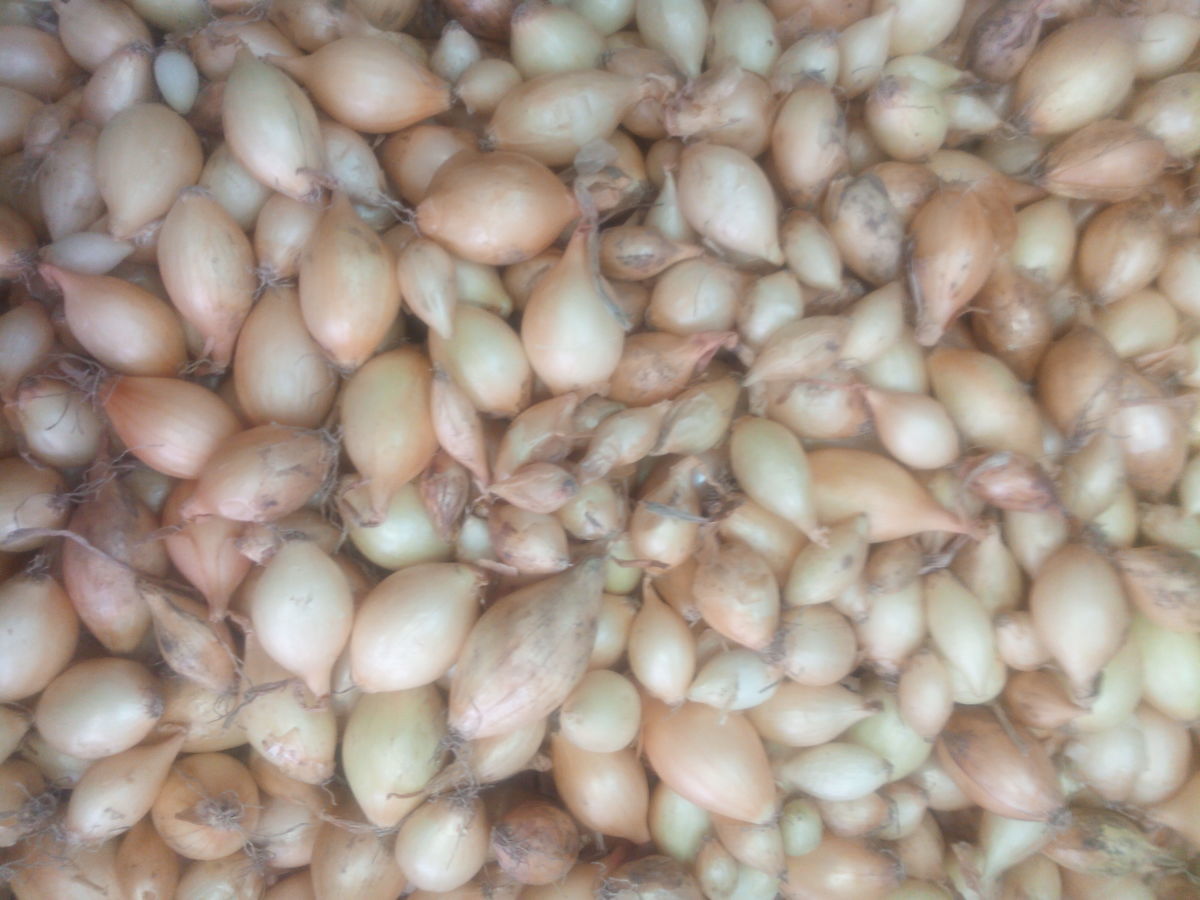
The Ellan and Senshui varieties germinate very well and tolerate low temperatures well. The sweet Ellan turnips, weighing 80 to 120 grams, are ready to eat as early as early June. The spicy Senshui variety stores well and for a long time.
The large, ellipsoid bulbs of the 'Sturon' variety have golden outer scales and slightly greenish inner scales. They mature in 60 to 70 days and can be stored for up to 8 months.
'Stuttgarter Riesen' bulbs thrive in sandy soil, mature in two months, and have a sharp flavor, a flattened shape, and golden-brown scales. This variety is known for its abundant yields.
The "Baron" variety, with its large, pungent-tasting bulbs rich in vitamin C, and the "Centurion" variety, with its medium-sized, pungent bulbs and almost 100% germination rate, are considered excellent for fall planting. Experts praise the "Kip-Well" and "Bamberger" varieties, with their elongated bulbs; they are easy to grow, require little effort, and offer an early harvest. And "Kip-Well," as the name suggests, retains its flavor and nutritional qualities even during long-term storage.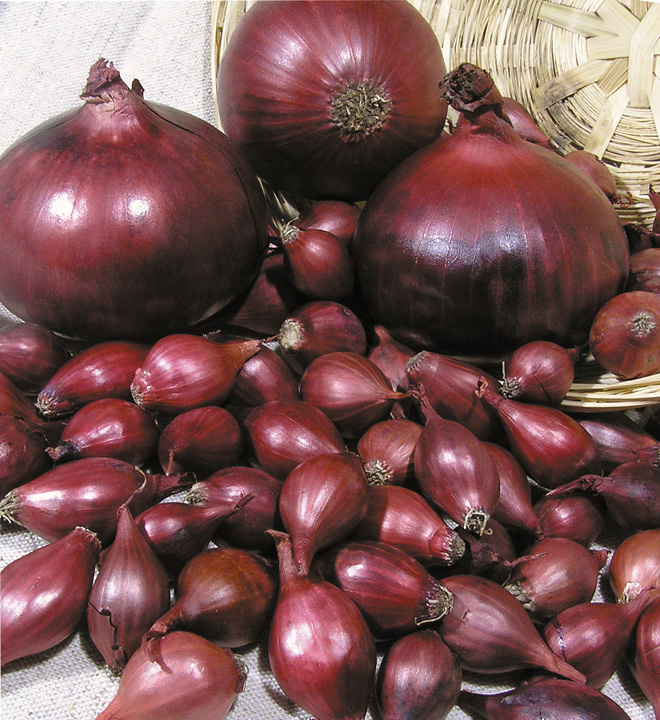
There are different winter onion set varieties with different characteristics. You need to familiarize yourself with the descriptions and only then choose the one that best suits your purposes, as well as the site conditions.
Video "Varieties"
From the video you will learn which varieties of onions are the most popular.
Growing
Winter onions begin growing much earlier than even spring ones. As soon as the ground thaws, they begin their growing season, growing without missing a single warm day. The soil remains saturated with moisture until May, providing enough for full growth. Gardeners don't need to waste time watering, and while they tend to other vegetables, early onions are ready to provide vitamins, first the tops, then the bulbs. Early varieties can be harvested gradually, selecting them for regular use in the spring, and late-ripening ones can be harvested after they are fully ripe.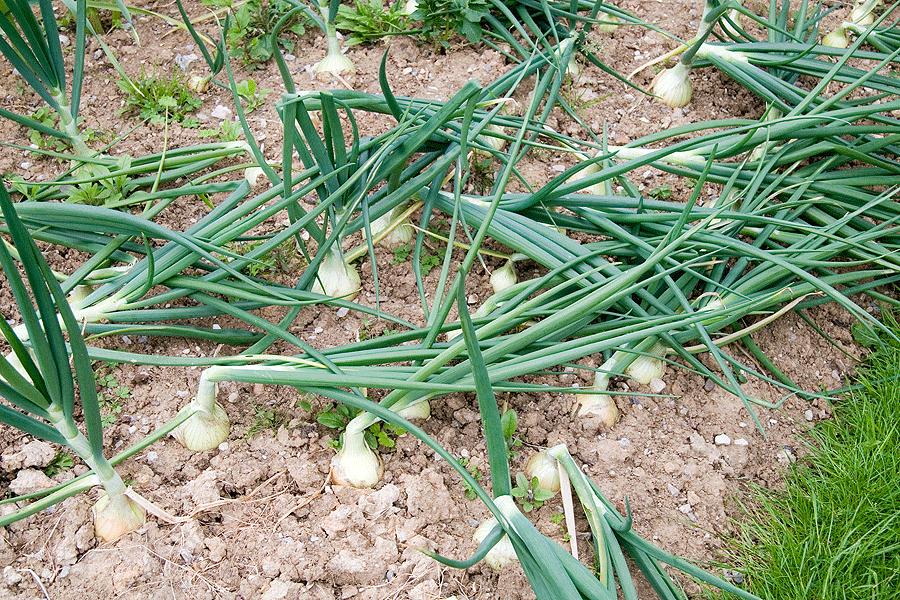
When spring onions ripen, they are sorted and stored for long periods, with the smaller ones reserved for sowing. For spring sowing, select bulblets between one and one and a half centimeters in size. Not all of these will survive until sowing time, and those smaller than 1 cm will definitely not survive until spring. These can be planted before winter. Of course, some will die, but others will grow in the spring. This is very profitable – the harvest (especially the early, most expensive and desirable one) will come from the discarded bulblets. And if you use sets of special winter varieties for sowing, there will be no losses.
Winter onions are sown a month before the onset of frost, allowing them time to take root but delaying growth until spring. The bed is prepared after harvesting: clear the soil of plant debris, dig it up, and, if necessary, add rotted manure (fresh manure should not be added) and wood ash.
Onions can be grown in the same spot for no more than two years in a row, after which a five-year break is recommended. If the bed was previously used for growing cauliflower, beans, cucumbers, or tomatoes, the fertilizer used for these crops will be sufficient. Watering the bed is unnecessary, as this can cause the bulbs to rot. Onions prefer raised beds and fertile, non-acidic loamy or sandy loam soil.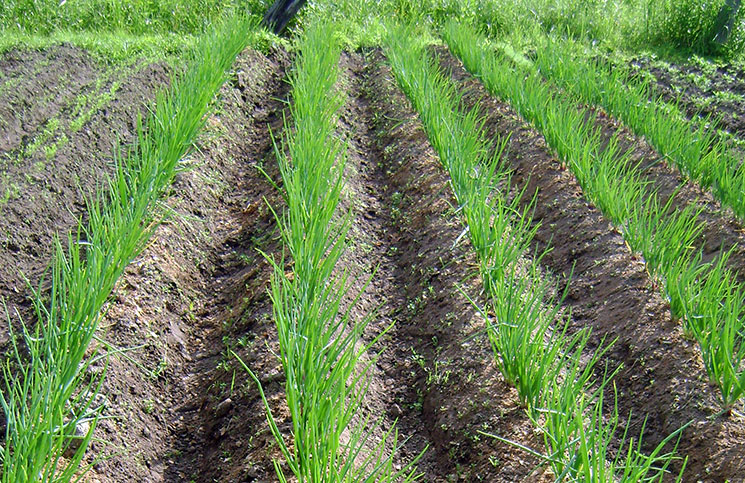
When the temperature has settled steadily at just above freezing, it's time to return to the prepared bed, make furrows 15-20 cm apart, plant the onion sets at a depth of 3 cm, spaced 5-10 cm apart, cover with loose soil, and lightly tamp down. The distance between the bulbs depends on the variety and whether you're growing green onions or turnips. There shouldn't be more than 3 cm of soil above the bulb to ensure the seedlings have enough strength to reach the sun in the spring, and less to prevent meltwater from washing them to the surface. Don't water the plantings, and just before the frost, mulch them with peat, dry leaves, or hay. It's a good idea to cover all of this with dry branches to prevent the wind from blowing this covering material around the garden before the snow falls.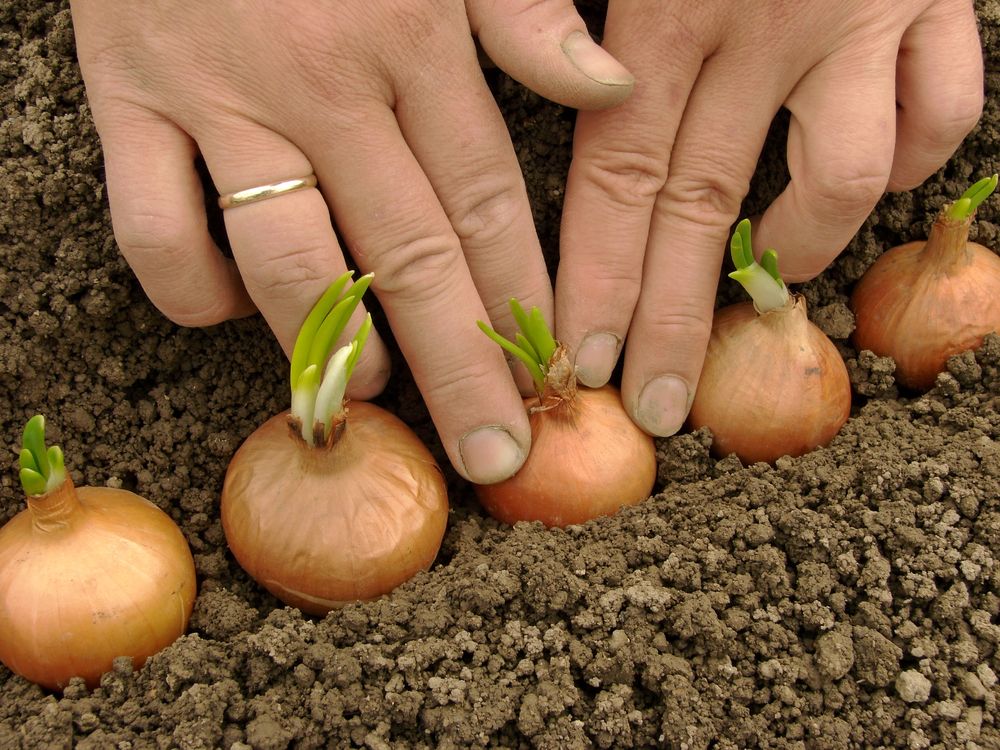
Winter onions can be sown in August–September, giving them time not only to take root but also to germinate before frost. These onions are planted in moist soil and then watered at least once. Before frost, the onions will have time to grow 5–7 leaves, which must be covered with a special covering material or a thick layer of dry leaves or spruce branches. In the spring, these onions will begin to develop bulbs earlier, and by early summer, they will be fully mature.
Care
In spring, as soon as the snow melts and the garden bed is safe to enter, remove the mulch. Watering won't be necessary for a long time, but it's a good idea to gently loosen the soil. Care consists of weeding, loosening the soil after watering and rain, fertilizing, and pest control. In spring, you can cover the plants with a special covering material at night to speed growth. You can water with a solution of bird droppings if the soil is depleted. The next feeding is recommended when the leaves appear. Onions need nitrogen for rapid growth and phosphorus and potassium for bulb formation. However, it's better to under-fertilize than over-fertilize, as the bulbs can become deformed, and excess fertilizer can also contaminate the soil. Usually, a gardener knows the condition of the soil in their plot; fertilizing is only necessary in areas where the soil is completely devoid of humus.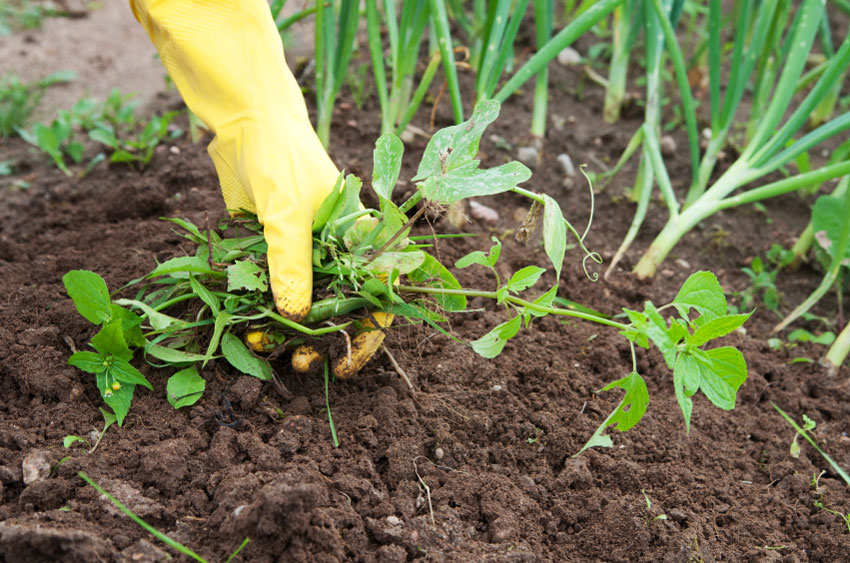
Wood ash is an excellent pest repellent and also a harmless fertilizer. Onion pests dislike the scent of calendula and marigolds. Onion flies, which seek to nest their larvae, dislike tobacco dust, which can be scattered between rows. If you grow onions in the same spot for more than two years in a row, it will be difficult to get rid of this pest.
When choosing a site for growing onions, avoid beds where potatoes, celery, parsley, clover, or alfalfa were previously grown, as they could become contaminated with nematodes. If you need to control diseases or pests, it's crucial to remember that onions grown for their greens should not be treated with pesticides. Crop rotation will simplify plant care.
Water regularly, but not too much, so as not to allow water to stagnate. Loosen the soil to allow air to reach the roots, but do so very carefully, as damaging the bulb can lead to infection. After loosening, it's a good idea to mulch the soil; this will reduce the need for watering and loosening.
There's no definitive time to harvest onions—ripening depends on the weather, specific soil conditions, care, and plant variety. The main indicator is when the leaves fall and the onion scales acquire the characteristic color of the variety. This means it's time to harvest—the onions are dug up with a pitchfork or shovel, selected, and dried. They are stored when the roots and leaves are completely dry.
Flaws
Previously, some gardeners considered the disadvantages of winter sowing to be that not all bulbs germinate, and the winter harvest cannot be stored for long. Today, there is a wide selection of varieties, including those that germinate 100% of the time, and late-ripening varieties whose harvest can be stored for at least eight months. So, these disadvantages are only relevant if you sow onions in the fall, as they typically grow in the south and require very long daylight hours and warmth. But if you approach winter sowing wisely, you'll only discover advantages.
Video "Landing"
From the video you will learn how to effectively plant onions.