
Slimy onion - growing features
Content
Description
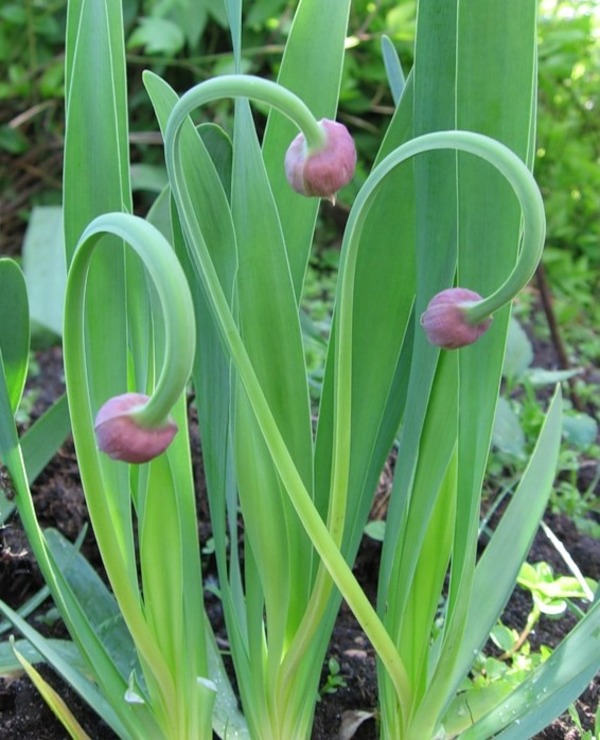
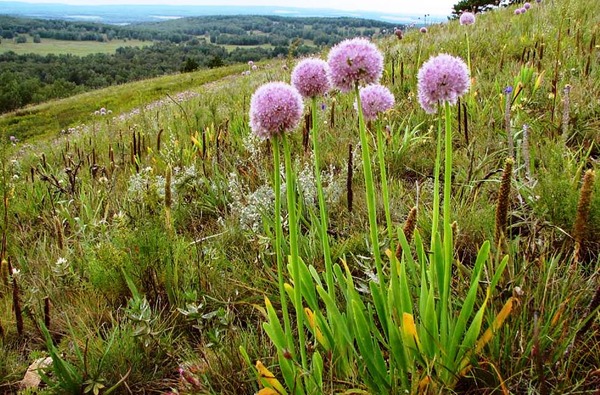
Onion slizun is a perennial herbaceous crop of the onion family. Like all plants of this species, it grows quickly, forming voluminous clumps consisting of numerous individual bulblets. In the first year after sowing, it produces only green stems, but in the second year, it produces stalks with inflorescences, which then develop into numerous small bulblets. Onions grow in one location for 4-5 years, after which they need to be transplanted and moved to another location.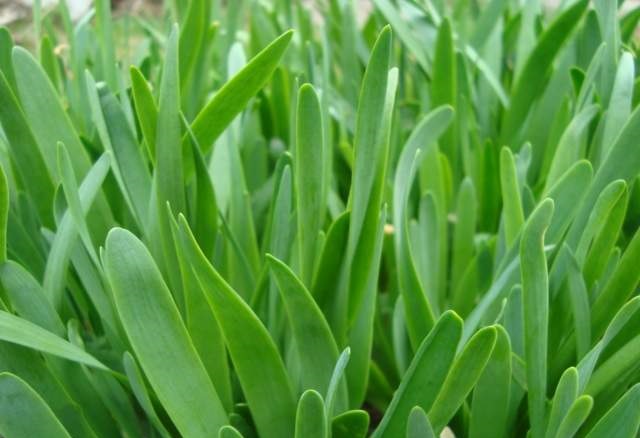
This onion is somewhat similar in appearance to garlic, but its height does not exceed 30 cm. The leaves are dark green, flat, rounded at the top, quite wide (2-5 cm wide), and grow continuously throughout the season. When young, they are very juicy and delicate in flavor, but as they age, they become tough and slightly bitter. The lower part is a false bulb with long, powerful roots, which allow the plant to overwinter well in the soil. Young feathers have high nutritional value and are widely used in cooking and folk medicine.
Video "Description"
From the video you will learn a lot about the Slizun onion variety.
Features of cultivation
Growing onions is not difficult, but like any perennial crop, it has its own characteristics and requirements:
- Onions can be planted in almost any conditions: in pots, in a greenhouse, in a garden bed, but it is important to keep in mind that the plant lives for several years, during which it grows very rapidly, so the area for planting must be allocated with a reserve;
- To ensure that the bushes do not interfere with each other, it is recommended to plant them at a distance of 10-15 cm from each other and at least 20 cm between rows;
- Onions have excellent immunity to cold (withstand temperatures up to 40°C), are not susceptible to diseases or damage – these are quite rare quality characteristics for cultivated plants;
- The best predecessors for the crop are cabbage, cucumbers, tomatoes and potatoes - this must be taken into account when changing the location of the garden bed;
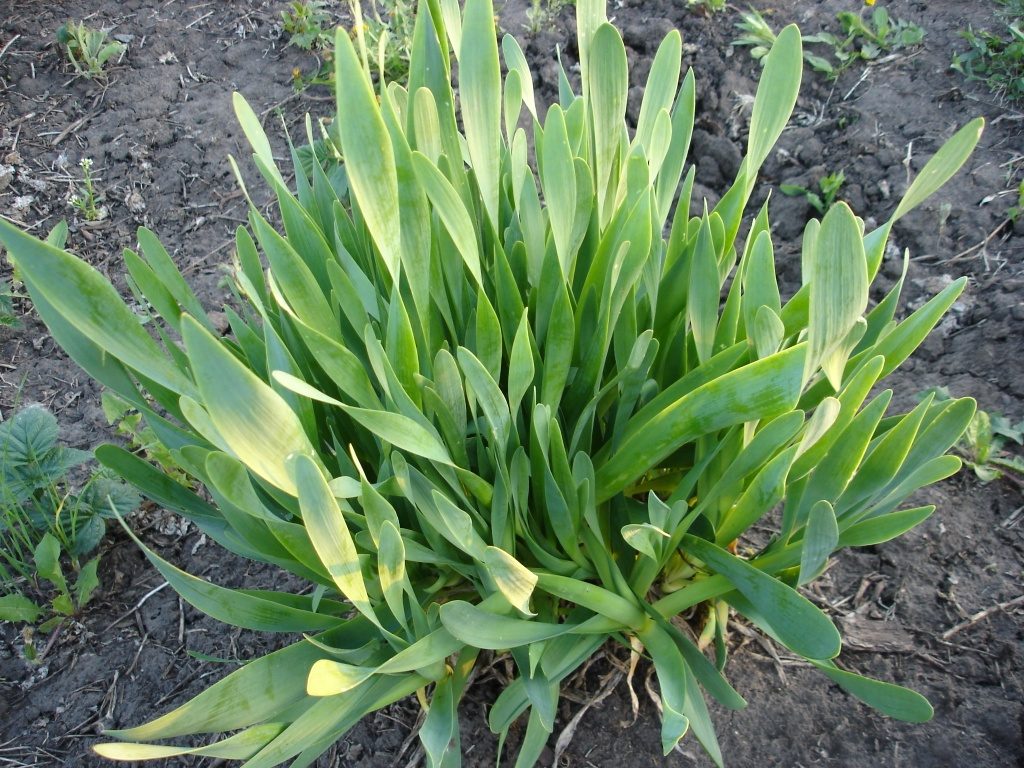
- The slimy onion is not demanding in terms of soil (in nature it grows on simple loam), but if you want to get a good harvest, then the soil before planting should be fertilized with organic matter: compost or rotted manure;
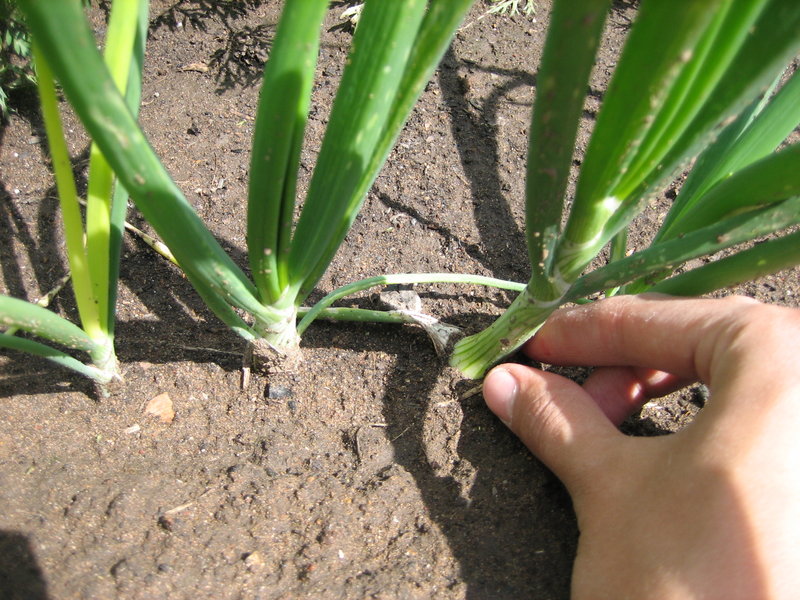
- A mandatory care measure is loosening the soil to a depth of 5-7 cm - this is necessary to ensure access of oxygen and moisture to the roots;
- You can speed up the first harvest by covering the bed with film - in warmth and sufficient humidity, onions grow more intensively;
- To ensure that the growing process does not disappoint you, choose the most productive variety for planting - in our latitudes, the following varieties produce an excellent harvest: slime onion of the Lider (up to 4 kg per season), Green (up to 6 kg), and Kladez Zdorovya (about 4 kg);
- The harvest should be carried out at least 3-4 times during the season.
Reproduction
There are only two ways to propagate onions: by seed and by dividing an adult plant into several clumps. Onions can be grown from seeds by sowing directly into the ground or by using seedlings. The latter method produces an earlier, higher-quality harvest, but the former (sowing directly into the ground) is less labor-intensive and has a high germination rate—the first shoots appear within two weeks.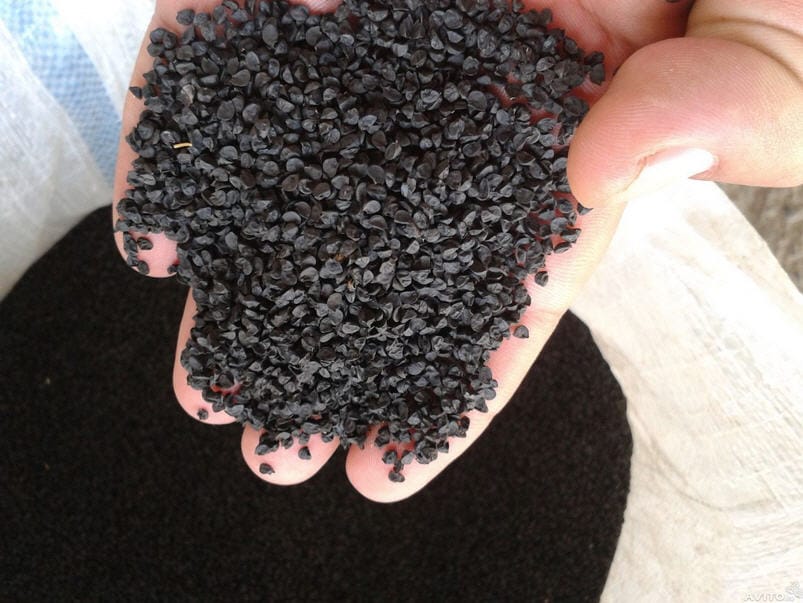
Seeds can be sown in the ground in spring or before winter. Winter onions tolerate cold well and will delight you with fresh greens in the spring, as soon as the snow melts. However, the slime onion variety, grown from seed in the spring, will only produce full-fledged fresh greens in the second year. Dividing an adult onion plant has its advantages, as this method allows you to harvest the greens almost immediately as they grow in the same season. It's best to divide the plant in early spring or fall (September - October), and it's recommended to use 2-3-year-old plants for division.
Care
Over the years, onions will not require much of your attention or effort. In the first year after planting, care will consist only of watering, loosening the soil, and weeding. Weeding is very important, as they are very weak at the initial stage of growth, and weeds shade them and can choke them. The soil in the garden bed should always be slightly moist, so water as needed. Mulching the bed can reduce the need for watering.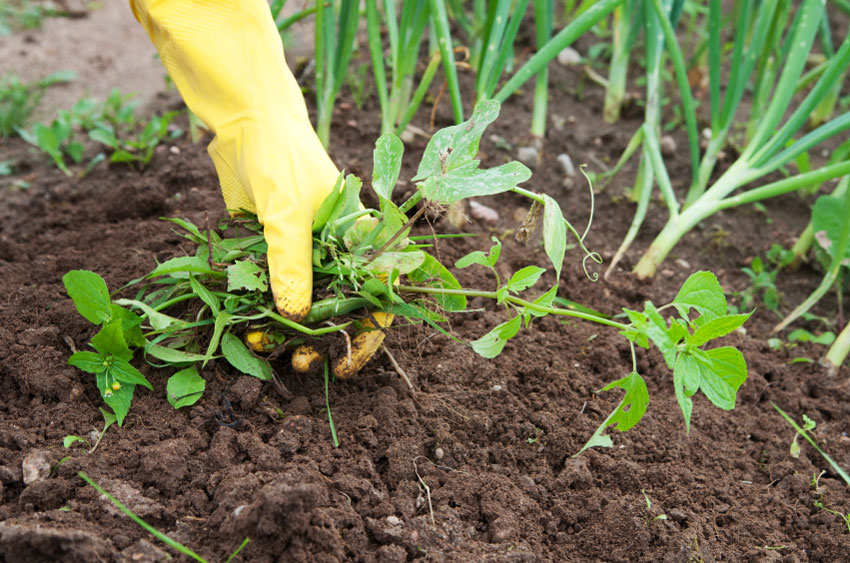
Starting in the second year, onions need to be fed with organic matter. In the spring, it's recommended to dig up the spaces between the rows, clear away plant debris, and then add humus (a source of nitrogen). In mid-season and autumn, plants need more potassium fertilizer. The best natural source of potassium is ash. It can be applied as a solution or scattered between the rows.
Caring for onions also involves cutting off young leaves in a timely manner. If this isn't done promptly, the plants will sprout and flower. This has the advantage of providing their own seedlings, but flowering onions are no longer as tender and mild in flavor.
In very cold climates, bulbs can be dug up for the winter and stored in boxes until spring planting. However, in most regions, this is not necessary. Onions tolerate frost well and produce lush growth for 4-5 years, after which they begin to decline.
Useful properties and use
Onions are eaten primarily fresh, as this is how they provide the greatest health benefits. Their flavor is quite unique—not traditionally onion-like, but slightly pungent and garlicky, somewhat similar to that of leeks. This characteristic is due to the high content of phytoncides and essential oils in the leaves and bulb itself. The green part of the plant contains a lot of vitamin C, as well as B1, B2, PP, carotene, sugars, and organic acids.
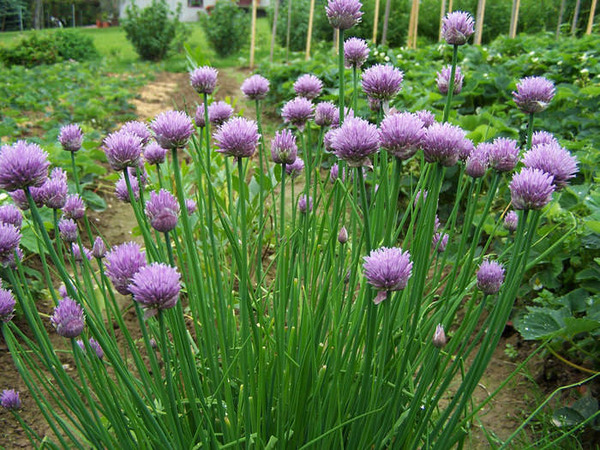
In addition to vitamins, onions contain magnesium and potassium salts, trace elements such as manganese, zinc, molybdenum, and a record amount of iron. In folk medicine, green onions are a first-line remedy for iron deficiency anemia. Onions are beneficial for the cardiovascular system, strengthening the heart muscle and blood vessels, and have a beneficial effect on the thyroid gland and hematopoietic organs and systems. The product is useful for digestive disorders, and despite its pungent taste, it is suitable for those with high acidity.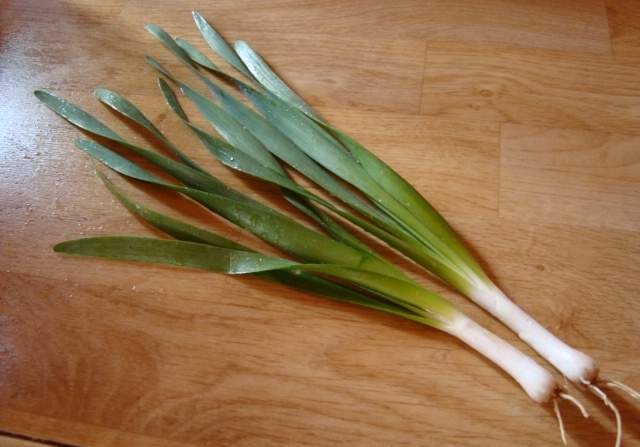
Eating just 30 grams of onions daily restores a weakened body, boosts immunity, and meets the daily requirement for vitamins and microelements. Compared to other fruits and vegetables, 10 kg of fresh onions contains a year's supply of the most essential nutrients and active compounds. So, eat onions more often, their beneficial properties are truly priceless, and your health will always be in good shape.
Video "Features"
From the video you will learn about the features of the onion species.