
How and when to plant leeks
Content
Planting dates
Growing leeks always begins with determining the timing of planting. The time to sow depends on the growing method. The best way to plant this plant is to grow seedlings and then transplant them outdoors. Therefore, the answer to the question "when to sow seeds" depends on the onion variety. Seeds are usually sown 65-75 days before transplanting the grown seedlings to their permanent location. The optimal time for planting leeks for seedlings is March 20th-25th. However, some sources suggest sowing seeds for seedlings as late as late February. The grown seedlings can be planted outdoors in early or mid-May.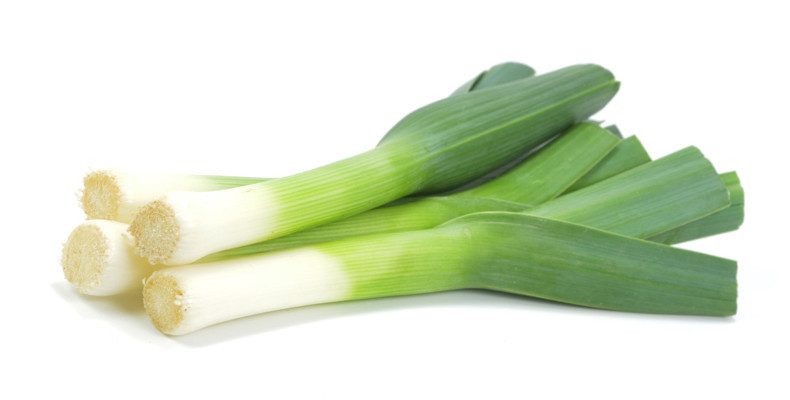
Observing the correct planting dates will allow you to obtain the highest quality and most delicious harvest.
Preparing soil and planting material
In addition to timing the leek planting, it's also important to properly prepare both the beds and the seedlings. The soil for growing this crop should be neutral. To reduce soil acidity, dolomite can be added in the fall. If the soil has an alkaline pH, a small amount of peat can be added in the fall. Fertilizing the soil during this period is also recommended to improve its physical properties and fertility. Well-rotted manure and compost can be added to the soil. 6-8 kg of fertilizer should be applied per square meter.
In addition, it is necessary to know that the best predecessors for leeks are pumpkin and legume crops, as well as potatoes.
Once the soil has been prepared, you can begin preparing the planting material. Leeks are most often grown using seedlings. Therefore, to ensure high-quality, healthy seedlings shortly after planting, it's essential to properly prepare the seed. If done correctly, the seeds will retain their germination capacity for up to three years. This means they can be sown throughout this period.
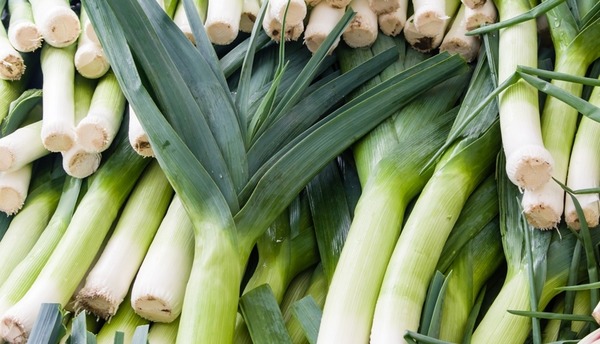
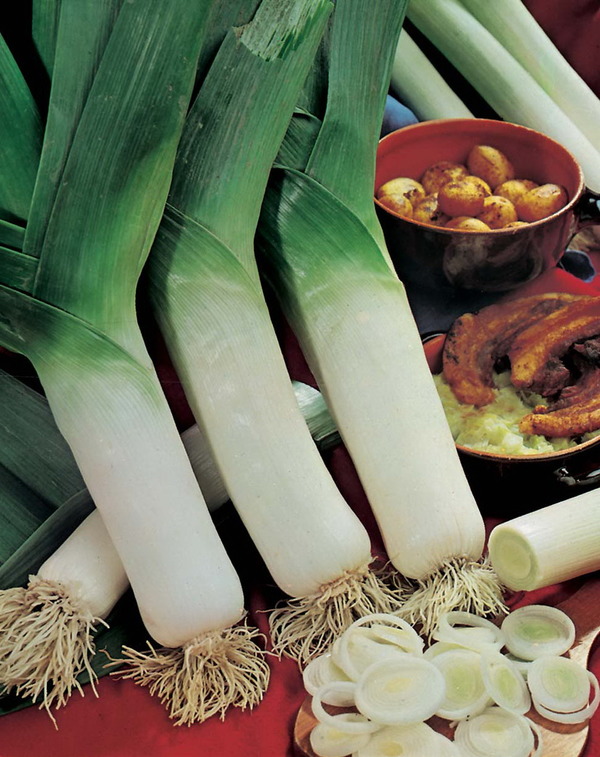
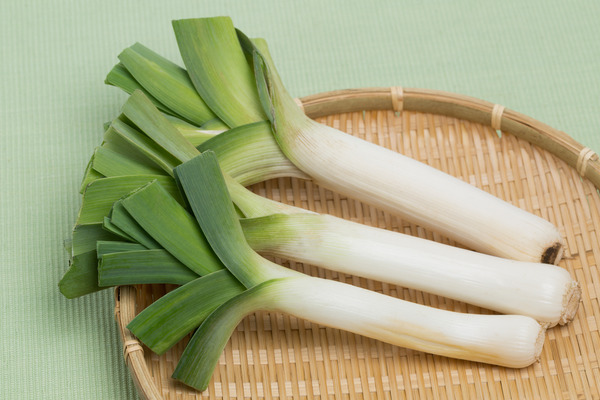
As we discussed earlier, you should begin preparing your seedlings for planting in mid-March. Seed treatment and disinfection are key steps in seed preparation. Before sowing, the following steps are performed:
- First, they need to be soaked in hot water for 20 minutes. The water temperature should be 50 degrees;
- After this, the seeds should be thoroughly washed and wrapped in a damp cloth. Then they should be soaked again;
- You can take the planting material out of the damp gauze after a week;
- After this, the seeds are dried a little.
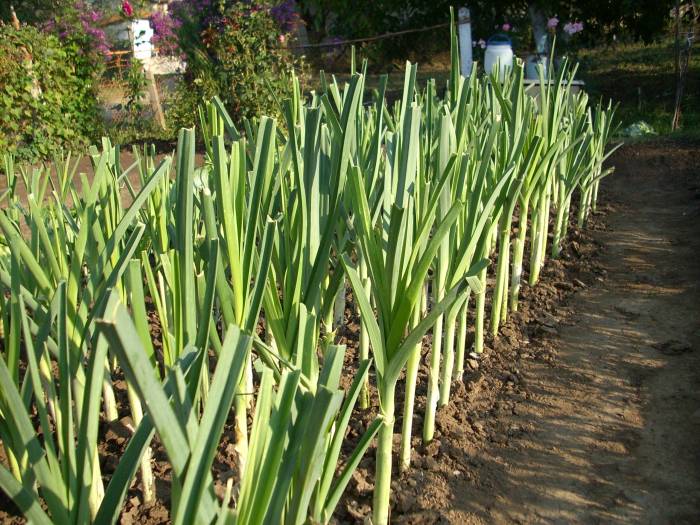
After the above steps, the planting material can be sown to produce seedlings. However, there are other methods for preparing seeds besides this one. For example, the steps for preparing planting material might look like this:
- pour hot (about 40 degrees) and cold water into two deep bowls;
- First, place the seeds in a bowl of hot water, and after 20 minutes, take them out and transfer them to cold water;
- Next, we germinate the planting material. To do this, place the seeds in a damp cloth or napkin. Wet the cloth with water at a temperature of +23 degrees Celsius;
- After three days, we remove the seeds and dry them.
Now you can sow the planting material into the ground.
This method can be used to prepare seeds collected from the garden. Store-bought seedlings do not require treatment, but they must be germinated.
Video: "Leeks: Growing from Sowing to Harvesting"
This video explains how to grow leeks and care for them from planting to harvesting.
Sowing technology
Leeks have a fairly long growing season, lasting up to 200 days. Therefore, to obtain a high-quality harvest, you need to grow seedlings first and then transplant them into the open ground.
Seeds can be sown in individual cups or in special boxes. Sowing is carried out as follows:
- Add soil to the container. For leeks, the soil should consist of turf and sand. The desired soil is obtained by mixing two parts turf and one part sand;
- the seeds need to be distributed evenly in the soil;
- If sowing is carried out in individual pots, then we sow the seeds according to the 4x4 cm pattern;
- If you are planting seeds in boxes, you need to sow them every 2 cm.
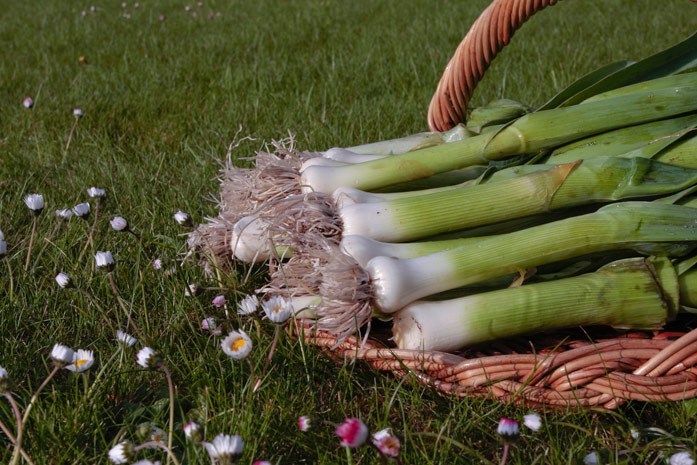
Thinning is carried out when the first shoots appear. Once the seedlings have established themselves, they are not pricked out. This is because young shoots can be killed by pricking out. To increase the survival rate of leek seedlings in their permanent location, their roots should be trimmed by a third. They are then dipped in a clay slurry.
Leeks can be planted in open ground approximately 50 days (early May) after sowing the seedlings. Before planting, fertilize the beds with compost. You can also add two liters of moistened sawdust and a half-liter of ash. Urea should also be added. After this, dig the soil to a depth of approximately 20 cm and form furrows. Leave 25 cm between rows. Leeks are considered best grown in narrow beds.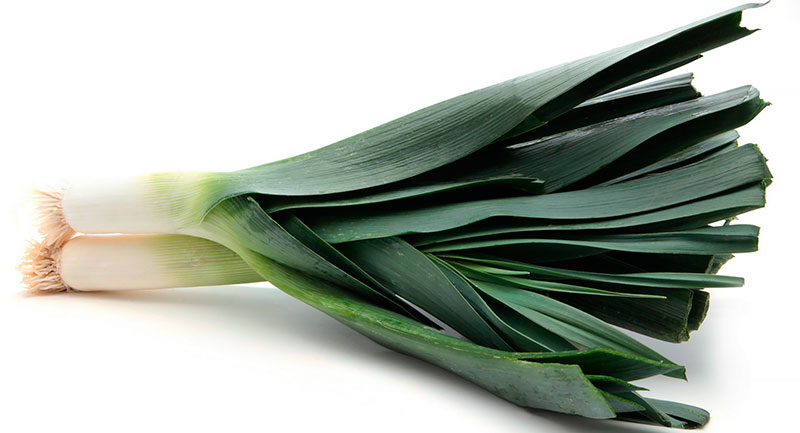
Seedlings should be planted at a minimum depth of 10 cm. Experts recommend planting leeks in individual holes or furrows 15 cm deep. Add manure or rotted compost to the bottom of these holes.
After planting, the seedlings form a distinctive ring around themselves, deepened into the bed. This protects the young onions from adverse environmental factors and facilitates the flow of nutrients and water to the plant roots.
Features of cultivation
To obtain an excellent harvest of this crop, it is necessary to follow all stages of cultivation. Seed preparation, which must be treated and disinfected, is especially important in this situation.
To improve germination, apply a thin layer of snow to the soil before sowing. Its thickness should not exceed 2 cm. Use a paint roller to press the snow into the ground. Then, sow the seeds quickly. After the snow has absorbed into the soil, it is recommended to cover the beds with a thin layer (no more than 1 cm) of dry soil. Then, plant the seedlings as usual.
After planting the seedlings in open ground, to save space, you can grow onions, beets, as well as carrots, celery, or strawberries between the leek beds.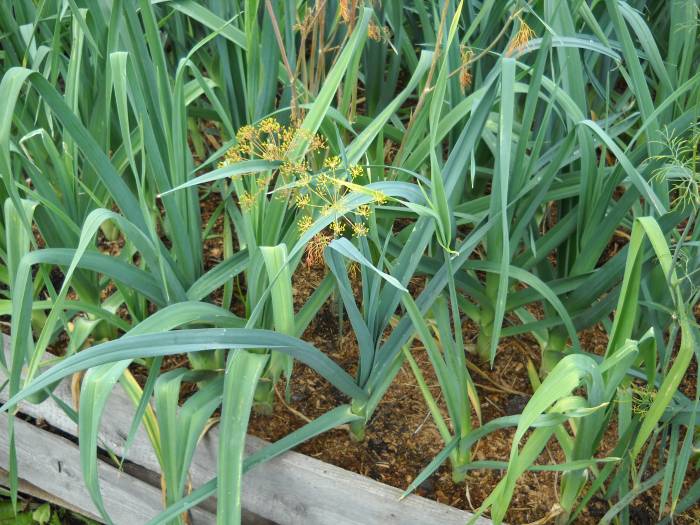
Winter (late) varieties of this onion are recommended for greenhouse cultivation. This is because they have a relatively long growing season. Therefore, when grown outdoors, they don't have time to fully complete their growth. If these varieties are planted outdoors, when cold weather sets in, the plants are transplanted into boxes and placed in a warm room. This transplanting is done in the fall before frost sets in.
Since leeks are considered cold-hardy, mature plants (early and mid-season varieties) can withstand temperatures as low as -5°C to -7°C. Therefore, in mild climates, they can even overwinter in open ground under snow cover.
Care instructions
To avoid damaging your leek seedlings, proper care is essential, which includes the following steps:
- loosening and mulching the soil;
- weeding beds and removing weeds;
- hilling of plantings;
- timely watering;
- application of fertilizers.
Additionally, when the seedlings reach the diameter of a pencil, add soil to the holes. After this, hilling is done every two weeks. This will ensure perfectly white stems. At least four hillings should be performed per season. It's best to hill the seedlings during watering.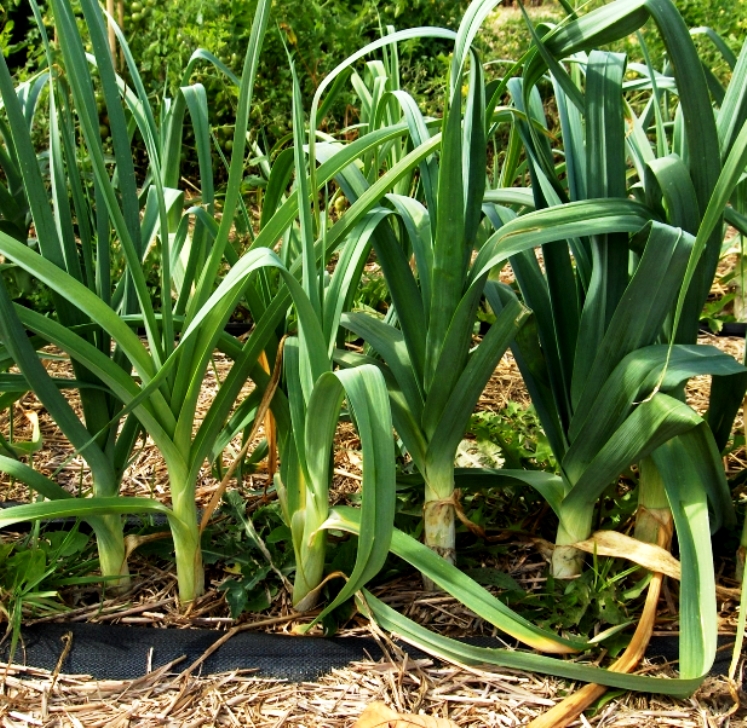
Abundant and regular watering and soil fertilization are carried out at the beginning of the growing season (the first half). Cow manure and bird droppings are recommended for fertilization. They are used in dissolved form at a ratio of 1:8 and 1:20, respectively.
If the plantings were cared for correctly, the leek stem will reach 50 cm in length and 3-4 cm in thickness.
Please note that a rainy and cold summer affects the appearance of onions. In such conditions, their stems will be thin and short. Even proper care won't always help.
Although growing leeks can be a bit of a hassle, this crop will be a great addition to your garden.