
How to choose a variety and grow leeks from seeds correctly
Content
Characteristics and advantages of the species
Before you figure out how to grow leeks from seeds, you should first understand the characteristics of this vegetable.
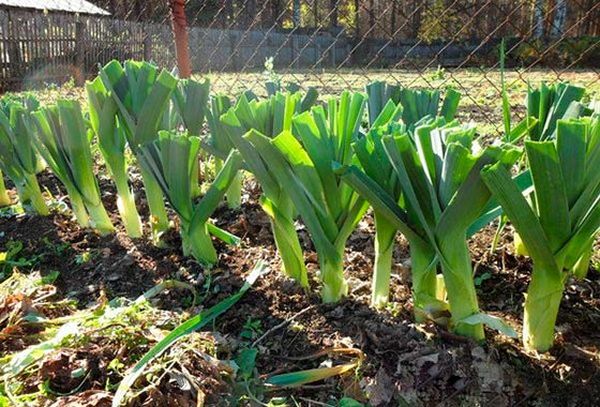
The plant is a biennial herbaceous plant that can reach a height of 1 m. In the first year, the onion develops a root and a white false bulb, which gradually transitions into a false stem. The following year, the plant produces a stalk with a flower stalk (around July), and seeds appear in August.
Leeks are an essential food—their consumption is recommended for conditions such as obesity, rheumatism, kidney stones, and various types of gout. Regular consumption of green onions can help normalize gastrointestinal and liver function, and strengthen the immune system.
Selection of varieties
Leeks can be planted from seeds regardless of the variety.However, you'll still need to choose the most suitable variety based on your growing practices and regional conditions. The following varieties are the most popular for home growing and are easy to care for:
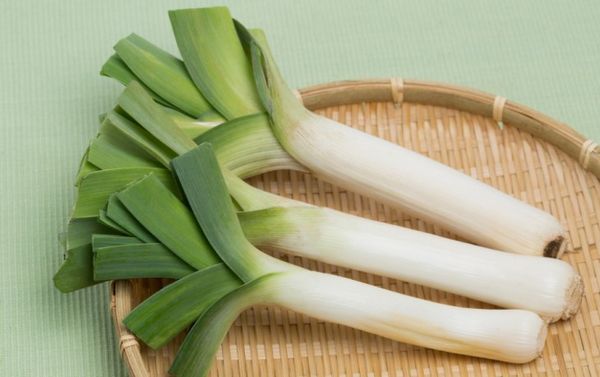
- Bulgarian Giant. An early-ripening variety with high yield and a long shelf life;
- Vesta. It is distinguished by its early ripening period, and also by the fact that the majority of the mature plant's stem is bleached (up to 0.5 m);
- Pandora. A mid-season variety with excellent taste, ideal for processing;
- Autumn Giant. A late-ripening variety with good yield and excellent shelf life;
- Winter Giant. A late-ripening, frost-resistant variety with high yields and excellent flavor.
Growing seedlings
To speed up the growing season, gardeners sow leeks for seedlings (which can easily be grown indoors on a windowsill or in a greenhouse). In the former case, sowing occurs in late February, while leeks are typically planted from seeds in a greenhouse in late April.
Leek seeds are sown in deep containers (at least 10 cm) because the plant has a well-developed root system. The container must be disinfected, and the seeds should be soaked in warm water for several hours. Soil rich in humus is best; water it well, sow the onions, and cover with a thin layer of sand. Until the seedlings emerge, cover the container with plastic wrap and place it in a warm place.
Care instructions
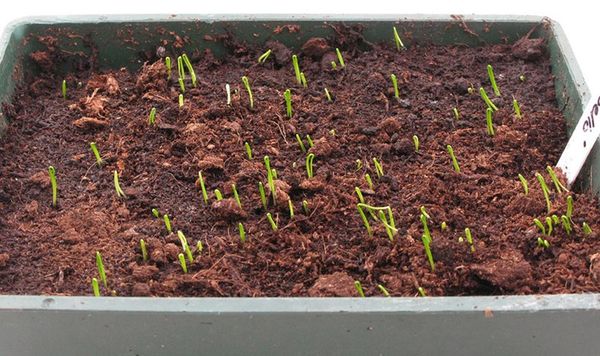
The sown onions need to be regularly aerated: remember to lift the plastic wrap daily to allow air to reach the soil surface. Keep the soil slightly moist, using a spray bottle. The first new shoots will appear in 10-12 days, and the seedling container should immediately be removed from the covering material and moved to a cooler, brighter location. If the seedlings are too dense, thin them out.
After some time, the seedlings need to be fed: for this, dissolve 20 grams each of potassium chloride and ammonium nitrate, along with 40 grams of superphosphate, in a bucket of room-temperature water. This amount of fertilizer is enough to fertilize 1 square meter of plantings.
Diseases and pests
It's hard to find a more easy-to-grow crop than leeks: growing them from seed indoors presents no particular difficulties, with the exception of certain diseases. For example, mosaic virus, a viral infection carried by garden aphids, can cause the plant to develop longitudinal yellow marks on its leaves, and the stem itself becomes significantly stunted.
Among fungal diseases, leeks, both in open ground and greenhouses, suffer from downy mildew, also known as rust. In the former, the leaves become covered with rapidly growing round spots; in the latter, they are covered with bright yellow spores that cause the plant to wither.
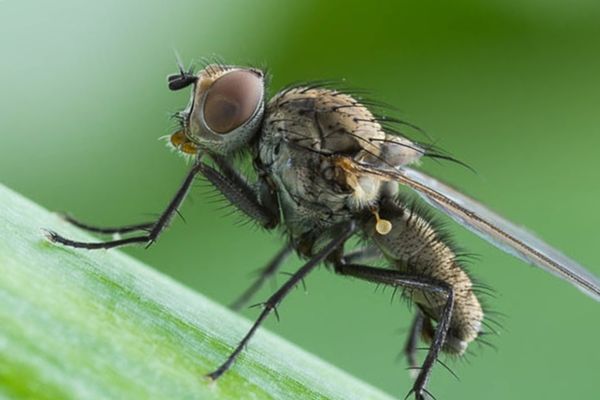
When it comes to pests, the onion fly can cause the greatest damage to future crops. The insect first makes its presence known in May, when the fly lays eggs, which soon hatch into larvae whose diet consists primarily of juicy onion leaves.
To prevent this problem, leek beds can be treated with wood ash, using approximately 1 cup per square meter of planting.
Planting in the ground
Leeks grown from seed indoors can be planted outdoors approximately two months after germination. Water the seedlings generously before transplanting. Leeks require pruning: when planting seedlings, trim back the roots and leaves of each plant by one-third. This procedure is best performed in the afternoon, on a cloudy, windless day.
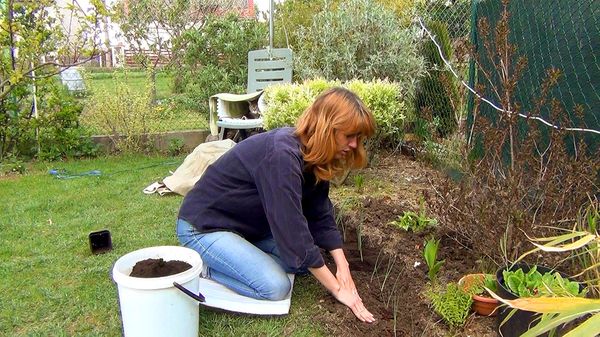
For a permanent location, it's best to choose a plot of land away from trees and shrubs, where there's ample sunlight. A good harvest can be achieved by planting leeks after legumes, tomatoes, or cabbage.
As you can see, this leek isn't all that "scary." Growing from seed is quite feasible even for a novice gardener. The main thing is to follow basic gardening practices and take your time planting the seedlings outdoors—don't plant leeks grown from seed before the prescribed time, otherwise the plants may weaken and become leggy.
Now there are no secrets about leeks. How to grow seedlings from seeds, when and how to plant them in their permanent location, and how to protect the future harvest from pests—you already know all the intricacies of the process. All that's left is to achieve stunning results.
Video: Growing Leeks from A to Z
This video will show you the complete process of growing leeks, from planting to harvesting.