
What and how to treat onion sets?
Content
How to process the heads
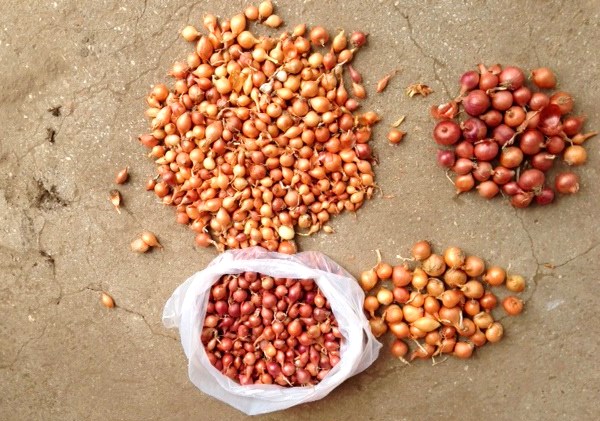
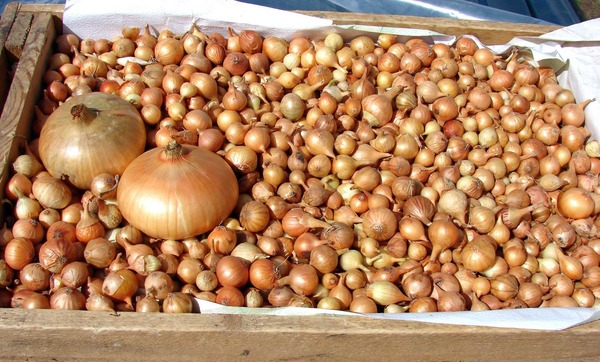
The first thing you need to do in the fall is to treat the onion sets with an antiseptic to prevent rot. The real work of preparing for planting begins in the spring. Of course, you've carefully dried them, sorted them, and sorted them by size, selecting firm, healthy bulbs with a diameter of 1-3 cm. Two days before planting, the sets need to be warmed up. This is done very simply: spread paper, newspaper, or cloth near a radiator or stove and lay the bulbs out in a single layer.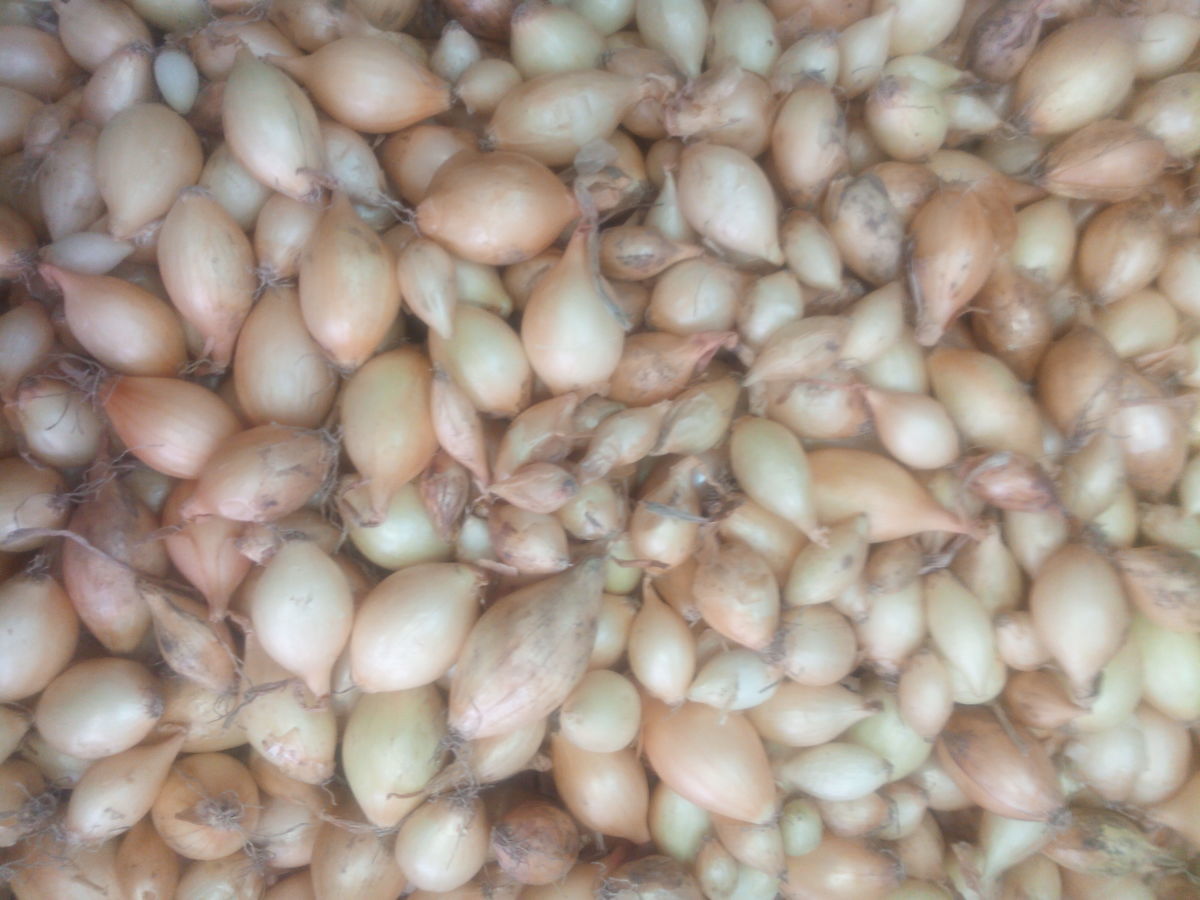
Some people dry them in the oven at a low temperature. The key is to watch carefully and not overdo it.
There's another extreme way to prepare onion sets for planting: immerse them in hot (not boiling) water for two minutes, then in cold water. Incidentally, this is a good preventative against premature bolting.
The next step is a nutrient bath with complex fertilizer (any will do):
- place the planting material in a net;
- lower into a nutrient solution;
- leave for 10 hours.
After this procedure, there's no need to rinse the heads. They need another "bath" in copper sulfate (1 teaspoon per 10 liters of water). A ten-minute soak will help prevent fungal infections. Afterward, rinse with clean water.
Another popular and affordable treatment is a salt solution. It's easy to prepare: 3 cups of salt per bucket of water. Soak the solution for 24 hours.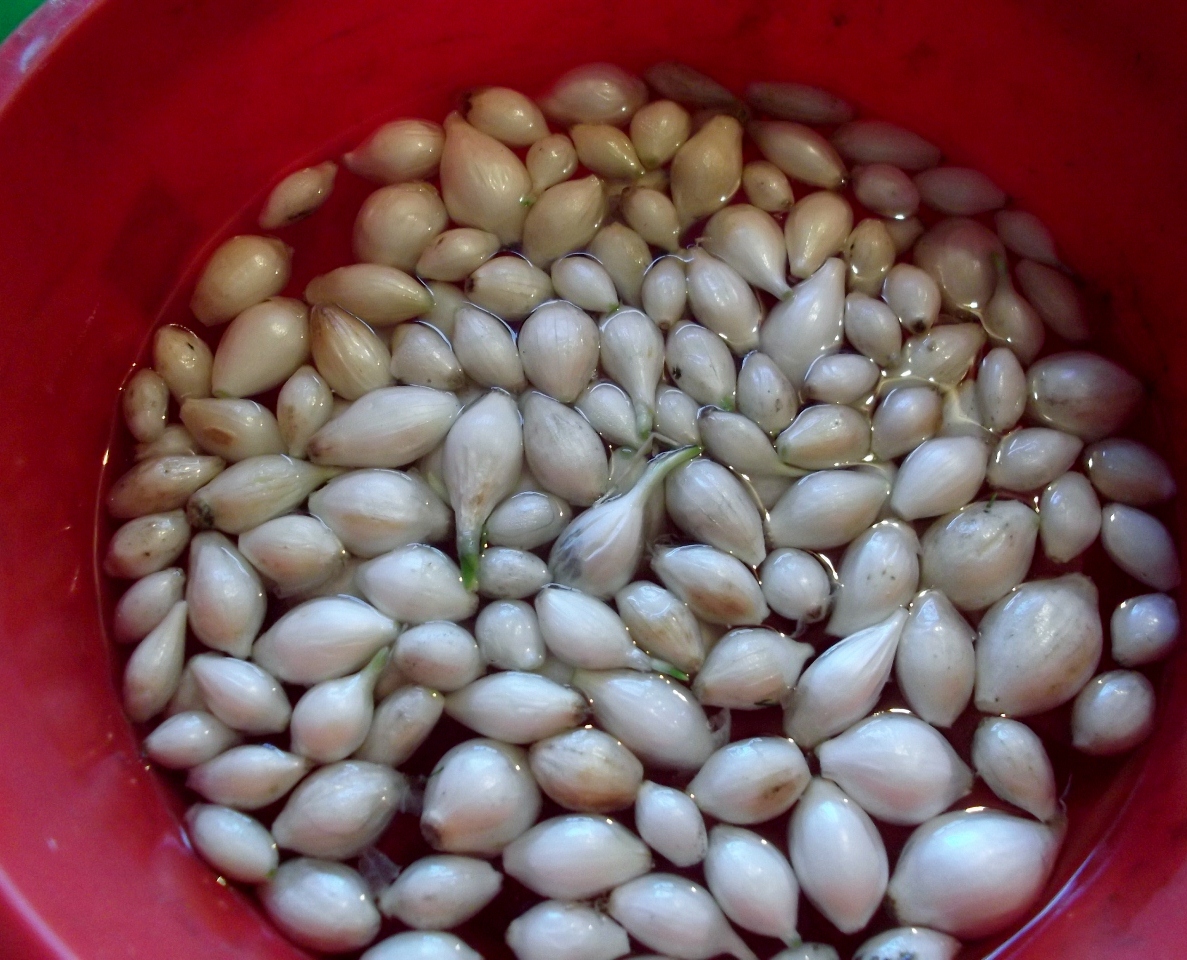
And finally, disinfect with potassium permanganate, to be absolutely sure all possible disease prevention measures have been taken. Two hours of soaking in a saturated solution should kill all germs.
Video: "Pre-planting Treatment"
This video will show you how to treat onions before planting.
Protection from diseases
Do you think you need to start protecting your onions from diseases and pests when they're already growing in your garden? No, that's too late. Preventive measures begin much earlier, around the time you choose the variety to plant.
Very important:
- choose a variety that is disease-resistant and suitable for your climate zone;
- allocate a plot of fertile soil for the onion, where it will grow strong and receive good nutrition;
- observe crop rotation rules: onions can be planted after onions only three years later;
- choose the planting time wisely (early is preferable);
- sort and process the seed onions before planting.
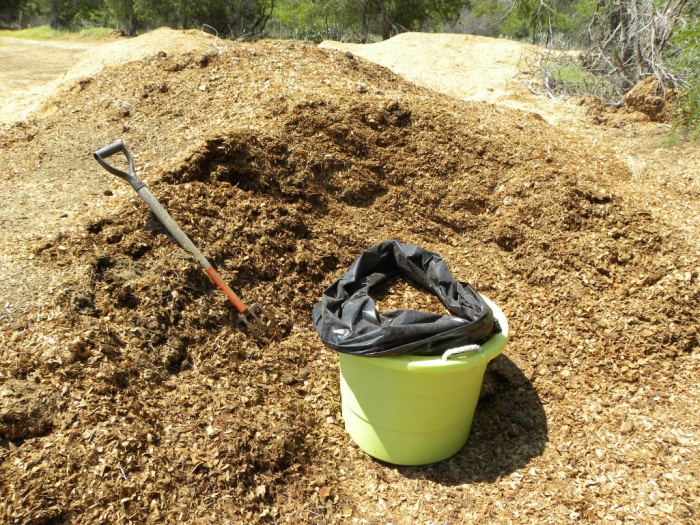
In the fall, when preparing the plot, add rotted manure or compost (5-7 kg per square meter). Fertilizers containing phosphorus and potassium, as well as liming, will strengthen the plants. In the spring, before sowing, water the soil with a hot copper sulfate solution and cover with plastic wrap. Planting can be done in 2-3 days.
Drying the onion sets is a reliable preventative against neck rot. Another common disease is downy mildew. Its symptoms include pale green spots on the leaves, which soon develop into a purple bloom. Eventually, the leaves turn yellow and fall off. Treatment with a copper oxychloride solution is a good solution.
Of course, you need to protect your onions from pests. Most often, you need to protect them from:
- onion fly;
- weevil;
- stem nematode;
- onion root mite.
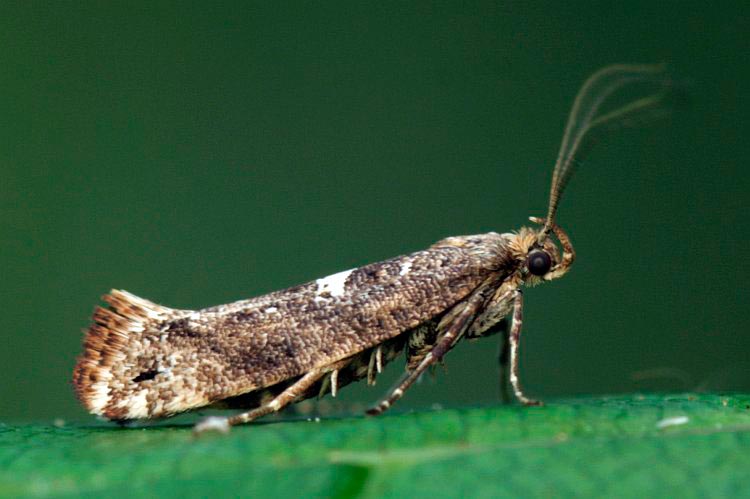
The most common pest is the onion fly. This insect spends the winter in the soil. During cherry blossom season, it emerges and lays eggs on the tips of young onions. The larvae, barely hatched, burrow into the bulbs, causing the fruit to die. Simply pulling out the spoiled onions isn't enough. The onion fly begins a new life cycle: migration into the soil, eggs, and larvae. As a result, the next attack on the garden beds will occur in mid-summer.
The most radical method of combating onion flies is soil cultivation. A mixture of tobacco dust and lime is used for this treatment. About 2 kg of the mixture (or just tobacco dust) will cover 19 square meters.
This procedure must be performed twice during the period when the onion fly begins laying eggs.
Gardeners who have succeeded in this fight recommend planting carrots next to onions, as the pests are intolerant to the smell of this root vegetable.
As for other pests, you can, of course, control them with chemicals. But you know that's not environmentally friendly. So, take note:
- Potato tops infusion is effective against ticks;
- an infusion of onion peel will help destroy aphids;
- onion flies are afraid of tobacco infusion;
- Tomato tops infusion is good to use in the fight against root mites.
What else can you use to preserve onion sets? Salt. More precisely, a solution of 1 cup of salt per 10 liters of water. Water the bed gently, being careful not to let it get on the leaves. This procedure can be repeated three times, at 20-day intervals.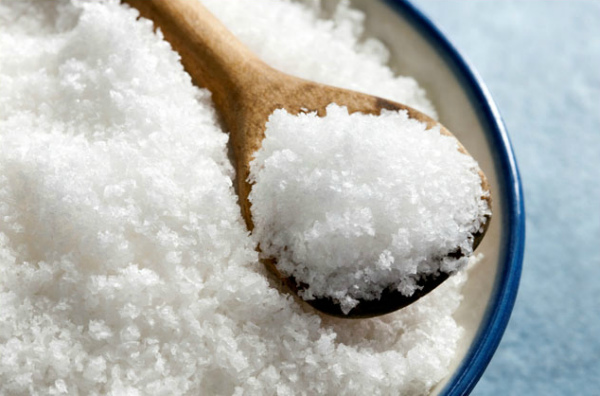
Defeating pests with folk remedies is a labor-intensive task, but in this case the effort is worth the candle.
Features of care and cultivation
For a good harvest, it's important to strike a balance when fertilizing. Skimping on fertilizer will result in a poor harvest. Over-fertilizing will also negatively impact your harvest, making it unlikely you'll enjoy it.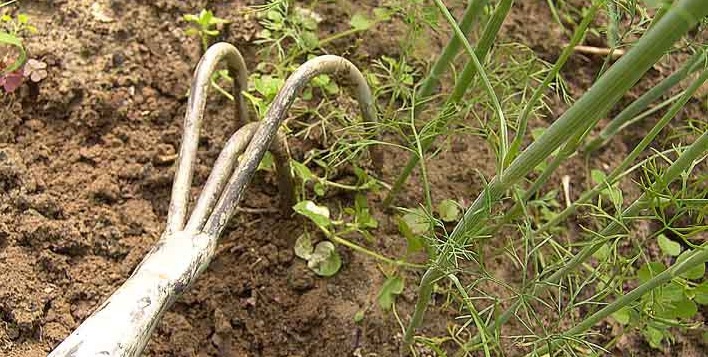
The most dangerous thing is to overdo it with nitrogen-containing fertilizers, including manure. This kind of fertilizer encourages vigorous leaf growth, but stunts the development of the bulbs. It's best if the manure was applied to the bed while the onion crops were growing there.
Overall, onions are a fairly easy-to-grow plant. All they need is:
- loosening the soil between rows;
- weed removal;
- watering;
- top dressing.
Watering time is from May to July. The plant will tell you it's lacking moisture: the leaves will turn a whitish-blueish tint. A pale green leaf color indicates that you're already overwatering the beds.
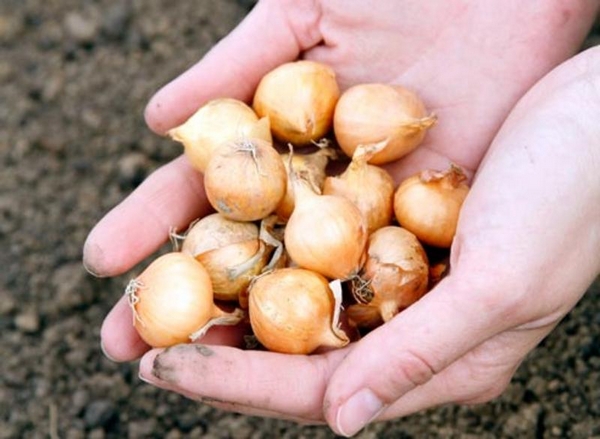
Loosening the soil creates the ventilation necessary for normal development and serves as a preventative measure against many diseases and pest attacks.
Pest Control Video
This video will show you how to protect onions from pests.