
Peculiarities of growing onions
Content
About onions
Before exploring the specifics of growing onions, it's important to understand what they are. Onions, like all other varieties of this crop, are a spicy and aromatic herbaceous plant. This vegetable has been known to people since ancient times. Afghanistan and Central Asia are considered the onion's homeland. Before the common era, they were widely cultivated in Egypt, Ancient Greece, and India.
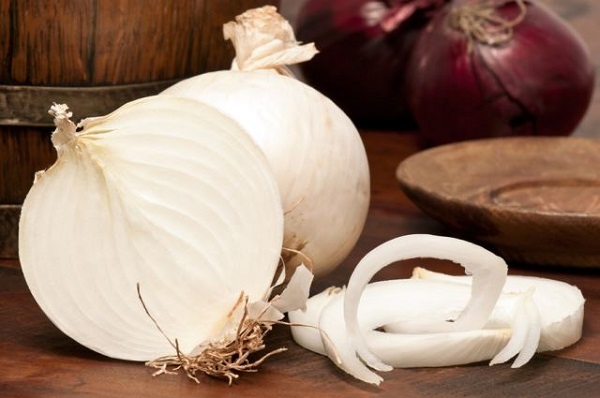
Gardeners grow it as a three- or two-year plant, depending on the climate of the growing region. For example, in southern regions, large bulbs can be produced within a year, while in areas with short summers, they can be grown within two or three years.
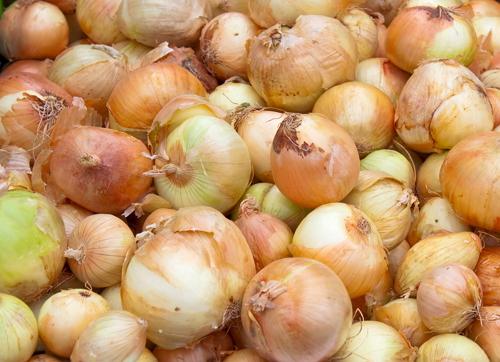
This onion gets its name from the resemblance of its underground part to a turnip. The bulb serves as a thickening of the stem, where the buds of future leaves and bulbs form. It has sparsely branched roots, no longer than 40 cm. Therefore, growing this crop requires well-moistened, fertile soil. Sandy loam and loamy soils are ideal for planting. To ensure the development of tasty and well-developed above-ground parts, the area where onions are grown must be well-lit. In the shade, the onions will appear unsightly and underdeveloped.
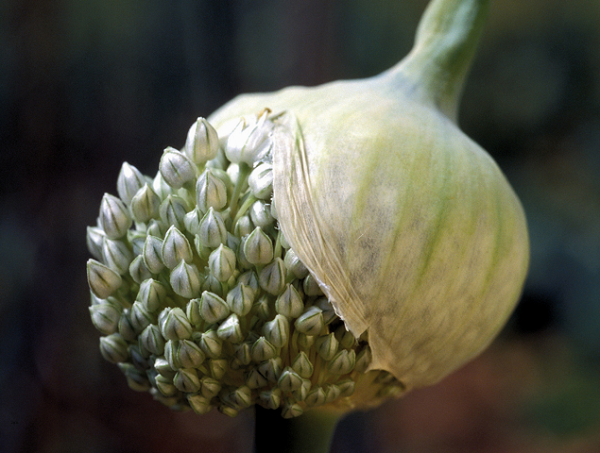
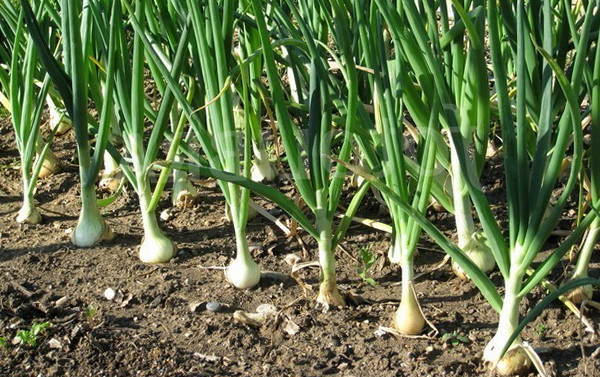
The aboveground part of this vegetable crop resembles feathers (herbaceous mass). They are characterized by a dark green color and a lanceolate or linear shape. During flowering, the plant produces a spherical inflorescence formed by white flowers between the feathers. After flowering, wrinkled, black seeds form on the inflorescence.
Onions are considered a cold-hardy crop. Their seeds can germinate at temperatures of 3-5 degrees Celsius.
Both the underground and aboveground parts of the vegetable are used as food. Different varieties have their own distinct flavors of the leaves and bulbs. They contain a large number of beneficial elements (vitamins, folic acid, essential oils, etc.).
To ensure a bountiful and tasty onion harvest, it is necessary to follow certain agricultural practices, especially when growing seeds and sets.
Video "Onion Secrets"
The video provides detailed information on planting onions in your garden.
Features of cultivation
The key feature of growing onions is that they can be planted almost anywhere. Of course, not every location will yield an excellent harvest due to certain climate conditions. However, if the proper agricultural practices are followed strictly, a positive result is guaranteed. In principle, cultivating this crop is not that difficult and even a novice gardener can easily handle it. However, it's important to remember that onion cultivation (seeds or sets) should not be done in nitrogen-rich or acidic soil.
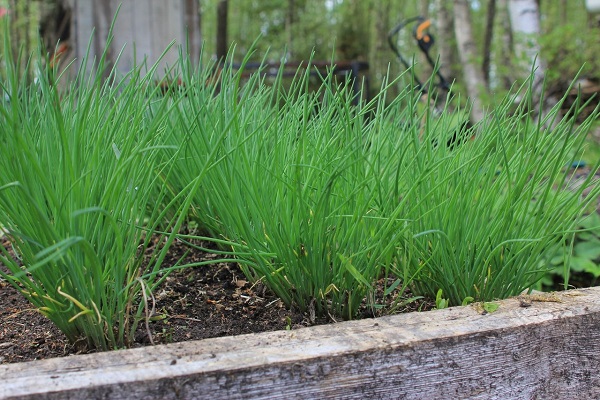
Growing onions consists of the following stages:
- first year – sow seeds;
- The second year is the planting of sets. These are obtained from seeds germinated in the first year;
- third year – planting mature onions for seeds.
The cultivation techniques here won't differ much from those for other vegetables. The only differences will be in the specific growing techniques for different varieties of onions.
Soil preparation is crucial in onion cultivation. The soil must meet the following requirements:
- be moisturized;
- have a neutral pH level. To achieve this, the soil needs to be treated with wood ash;
- Rich in organic fertilizers. Humus should be used as fertilizer. It is added to the soil at a rate of approximately five kilograms of fertilizer per square meter.
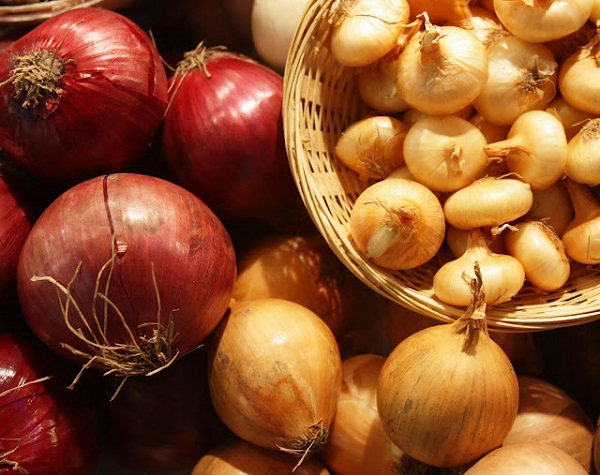
Excellent predecessors for this vegetable are cabbage, tomatoes and cucumbers.
Before planting seeds or sets, the soil should be thoroughly dug, loosened, and leveled. If possible, it is recommended to also apply nitrogen-free mineral fertilizer.
Growing onions can be done in two ways:
- sowing seeds (nigella);
- planting of sets.
Let's consider both options in more detail.
Nigella refers to onion seeds that have been stored for no more than two years since harvest. They should be planted in the first half of May, before the soil dries out. Planting nigella seeds is done as follows:
- On the beds we form even furrows with a depth of 3-4 cm. The distance between them should be approximately 5 cm;
- the rows of beds should be placed at a distance of 10 cm from each other;
- After sowing the seeds, cover them with a small layer of soil and water well.
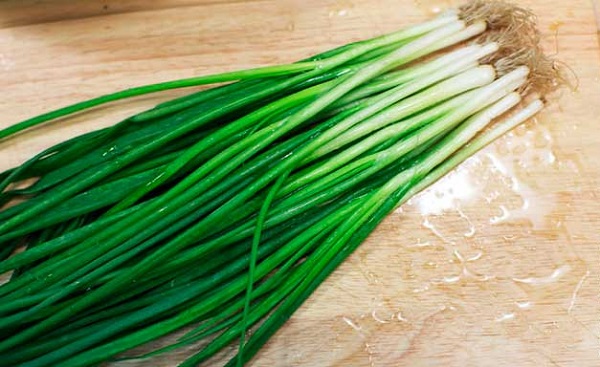
It's important to remember that nigella seeds take a long time to germinate. Therefore, to speed up the process, it's necessary to use mineral fertilizers (saltpeter solution, etc.). You should also regularly clear the beds of weeds and water them. The formation of sets from seeds ends around the beginning of September. At this point, the sets are ready to be harvested.
We've covered the nigella seeds. Now let's look at the future of the onion sets during onion cultivation. Onion sets dug up during the first year of cultivation should be carefully sorted, leaving only healthy bulbs. They are then sorted by size. Once sorting is complete, the planting material is warmed. To do this, the sets can be placed near a heating source for a couple of days. Then, soak them in hot water for a minute, and then in cold water for the same amount of time. This will prevent the onion from bolting as it grows. After this, the sets need to be placed in a nutrient solution. To prepare it, dissolve a tablespoon of nitrophoska in 10 liters of water. Then wrap the planting material in cotton cloth and soak it in water for 10 hours.
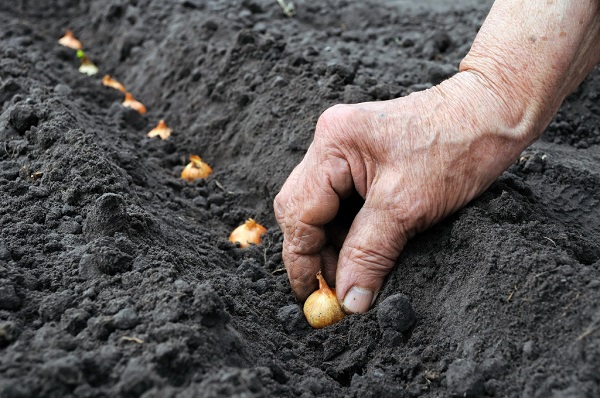
Planting of seedlings is carried out in May, at a temperature of + 10 degrees and above.
Larger sets should be planted at the beginning of the bed, and then gradually reduced in size. Planting sets is done as follows:
- we form furrows 3 cm deep on the beds;
- there should be a distance of about 20 cm between the furrows;
- we water them and plant the sets;
- the distance between the bulbs should be approximately 10 cm;
- Cover the planting material with soil on top. The soil should not exceed 2 cm in thickness.
Once the planting of the onion sets is complete, they require the following care:
- At the beginning of the growing season, the vegetable requires abundant watering. During this time, watering is done twice a week. As the bulbs mature, watering is reduced. Two weeks before harvest, watering is stopped completely. The only exception is during hot and dry weather.
- Loosening and weeding. This is done periodically, depending on the need. It is especially important to loosen the soil after watering.
- when the bulbs reach a larger size, you need to rake away some soil from the plant;
- Fertilizing. The first time is done a couple of weeks after planting the seedlings. For this, the manure is mixed with water. Fertilizer is then added three weeks later.
To ensure that growing onions is easy and problem-free, it is necessary not only to follow all agricultural regulations but also to take preventative measures to prevent diseases and insect pests.
Pest and disease control
Even with proper agricultural practices, an onion harvest can be damaged by pathogenic microflora or pests. Onions can develop diseases due to improper care, both in a greenhouse and in the open field.
The most common diseases of this crop are:
- Gray rot of the neck. The most dangerous disease, which affects the cervical scales;
- Downy mildew (peronosporosis). This disease is caused by a pathogenic fungus. The bulbs stop developing and change shape. A yellow coating forms on the foliage;
- Fusarium wilt. This disease is characterized by softening of the bulb base and death of the root system. The foliage turns yellow;
- Jaundice. This is a viral disease. When this disease occurs, the onion leaves and bulbs become spotted.
Insect pests often act as carriers of pathogenic microorganisms. The following insects infest onions:
- onion moth;
- root mite;
- onion fly.
To prevent both diseases and pests when growing onions, preventative measures are essential. To do this, treat the plants with a copper sulfate solution (one teaspoon of powder per 10 liters of water). It is recommended to apply this solution when the onions reach a height of more than 12 cm. You can also treat the plants with tobacco dust or ash every 20 days.
Harvesting
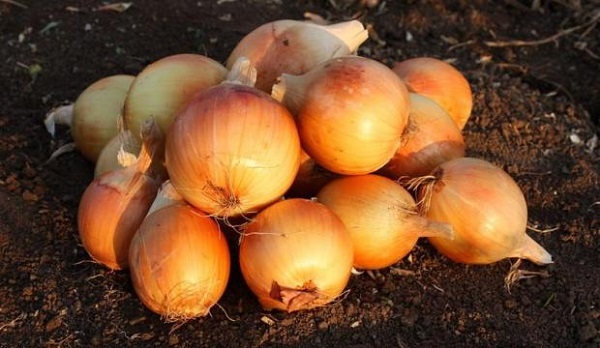
The timing of onion harvesting depends on weather conditions and the climate of the region where the crop is grown. Typically, this vegetable ripens from mid-July to September. You can determine onion maturity by the following signs:
- new leaves do not appear;
- the feathers turned yellow;
- the tops fell onto the bed;
- The cervix at its base became soft and acquired a characteristic shade.
Remember that onions must be harvested on time, otherwise the root system of the bulbs will begin to grow back. This will negatively impact the shelf life of the harvest.
The harvest must be completed before the nights become cold. The harvesting process itself looks like this:
- the onion is removed from the ground along with the tops;
- air it out in the sun;
- then the roots and leaves are cut off;
- The bulbs are dried again in a heated room.
After this, the harvest can be sent for storage.
As we can see, onions require simple cultivation techniques. The key is proper care and timely disease and pest control. By following all the guidelines outlined above, you're guaranteed to get an excellent onion harvest.
Video "Onion Harvest"
This video reveals the secrets of growing onions in the garden.